The Flagship Electric 7 Series: Quick Verdict
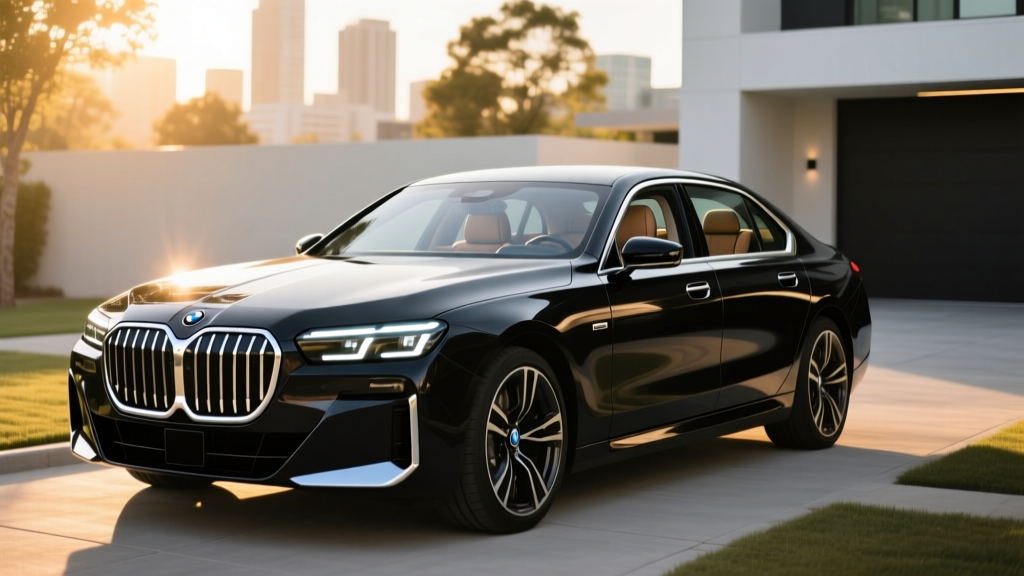
The BMW i7 sedan occupies a rare position in the luxury EV market: it's a full-size electric flagship that prioritizes ride comfort, cabin silence, and long-distance cruising over headline-grabbing performance. For 2026, the i7 continues with the xDrive50 and the high-output M70 xDrive trims, both riding on BMW's CLAR platform with a floor-mounted lithium-ion pack. If you're cross-shopping the Mercedes-Benz EQS, Lucid Air, or Tesla Model S, the i7 distinguishes itself with build quality, a genuinely usable rear seat, and one of the most refined regenerative braking calibrations in the segment.
But the i7 isn't without trade-offs. Its EPA range, while competitive, trails the Lucid Air and EQS 450+. Its starting price pushes well past six figures on the M70, and federal tax credit eligibility is essentially nonexistent for new buyers due to the MSRP cap. This review breaks down every number that matters — from real-world highway range to sustained DC fast-charge rates — so you can decide whether BMW's electric flagship earns a spot in your garage.
Range, Efficiency, and Battery Specs
The 2026 BMW i7 xDrive50 carries a usable battery capacity of 101.7 kWh from a gross 105.7 kWh pack. BMW uses NMC (nickel-manganese-cobalt) chemistry in the i7, chosen for its high energy density — critical in a vehicle this size. The pack sits low in the chassis between the axles, contributing to a 50/50 weight distribution claim.
i7 xDrive50: EPA-estimated 318 miles. Expect approximately 260–285 miles on sustained highway driving at 70–75 mph, and 220–250 miles in freezing temperatures (below 32°F) with cabin heating active.
i7 M70 xDrive: EPA-estimated 295 miles. Real-world highway: ~240–265 miles. Cold weather: ~205–230 miles.
On the efficiency front, the xDrive50 achieves an EPA-rated 82 MPGe combined (roughly 41 kWh/100 miles). That's respectable for a 5,800-pound sedan but trails the Lucid Air Grand Touring's 131 MPGe and the EQS 450+'s 97 MPGe. The M70 drops to approximately 73 MPGe combined due to its more aggressive power delivery and wider rear rubber.
| Spec | xDrive50 | M70 xDrive |
|---|---|---|
| EPA Range | 318 mi | 295 mi |
| Battery (usable) | 101.7 kWh (NMC) | 101.7 kWh (NMC) |
| MPGe (combined) | 82 | 73 |
| Efficiency (kWh/100 mi) | 41 | 46 |
| Horsepower | 536 hp | 650 hp |
| Torque | 549 lb-ft | 749 lb-ft (w/ M Launch Control) |
| 0–60 mph | 4.5 sec | 3.5 sec |
| Drivetrain | Dual-motor AWD | Dual-motor AWD |
| Curb Weight | ~5,860 lbs | ~5,975 lbs |
| Base MSRP | $120,675 | $169,795 |
Charging Speeds: DC Fast, Level 2, and the Curve
The i7 supports a peak DC fast-charge rate of 195 kW on a CCS1 connector. BMW quotes a 10–80% charge time of approximately 34 minutes under ideal conditions. In practice, the i7 sustains roughly 150–180 kW through the 10–50% state-of-charge window, then tapers progressively. From 80–100%, expect an additional 25–30 minutes — a characteristic of NMC packs with conservative thermal management to preserve long-term health.
| Charge Level | Power | Speed (miles/hr) | Notes |
|---|---|---|---|
| Level 1 (120V) | ~1.4 kW | ~3–4 mi/hr | Emergency trickle only |
| Level 2 (240V, 48A) | 11.5 kW | ~28–32 mi/hr | Full charge in ~9.5 hrs |
| DC Fast (CCS1) | Up to 195 kW | ~550 mi/hr (peak) | 10–80% in ~34 min |
For home charging, the i7's onboard charger accepts up to 11.5 kW on a Level 2 circuit (240V, 48 amps). That means a 48-amp hardwired wall connector — the most common home EV charger spec — will add roughly 30 miles of range per hour of charging, or fully replenish the pack overnight in about 9.5 hours. You'll need a NEMA 14-50 outlet or a hardwired unit on a 60-amp breaker. Most i7 buyers will have a licensed electrician install a dedicated 240V circuit; expect $800–$2,500 for installation depending on panel proximity and local permitting.
Charging-curve reality check: The 195 kW peak only applies between roughly 10–40% SoC with a preconditioned battery. If you arrive at a DC fast charger without using the i7's navigation-based battery preconditioning, peak rates may drop to 120–140 kW. Always set the charger as your navigation destination to trigger thermal prep — this alone can shave 8–10 minutes off a 10–80% session.
Performance and Driving Dynamics
The xDrive50's dual-motor AWD system produces 536 horsepower and 549 lb-ft of torque, delivering a 4.5-second 0–60 mph time. That's brisk for a sedan over 19 feet long, but the real story is how the i7 deploys that power. Acceleration is linear and measured — BMW has tuned the throttle mapping for wafting progress rather than the snap-your-neck punch you'd find in a Tesla Model S Plaid or Lucid Air Sapphire.
The M70 xDrive raises the stakes to 650 hp and 749 lb-ft (with M Launch Control engaged), cutting the 0–60 time to 3.5 seconds. You also get M Sport brakes, rear-axle steering (up to 3 degrees), and an adaptive M suspension with firmer damper tuning. The M70 is genuinely quick, but at 5,975 pounds, you feel the mass during direction changes. This is a grand tourer, not a sports sedan.
One area where the i7 excels: regenerative braking. BMW offers three regen levels plus an adaptive mode that uses radar and navigation data to modulate deceleration. In adaptive mode, the car coasts freely on open roads and ramps up regen as you approach slower traffic — it's one of the most intuitive implementations available, reducing the need for one-pedal driving in stop-and-go traffic while still recovering energy efficiently.
Interior, Cargo, and Technology
The i7's cabin is where BMW justifies its price tag. The dashboard features BMW's Curved Display — a 12.3-inch instrument cluster merged with a 14.9-inch infotainment touchscreen running iDrive 8.5. The system supports wireless Apple CarPlay and Android Auto, over-the-air updates, and BMW's Intelligent Personal Assistant voice control.
Rear-seat passengers get limousine-class space. Rear legroom measures 43.4 inches, and the optional Rear Theater Screen (a 31.3-inch 8K display that deploys from the headliner) transforms the back seat into a mobile cinema. Front headroom is 39.8 inches; rear headroom is 38.6 inches — adequate but not class-leading, partly due to the battery floor raising the seating position.
Cargo volume stands at 17.7 cubic feet in the trunk. There is no frunk (front trunk) — BMW uses that space for power electronics and the HVAC system. The trunk is wide and flat, but the lack of a frunk is a missed opportunity for a vehicle at this price point, especially when rivals like the Lucid Air offer substantial front storage.
Driver Assistance and Safety
The i7 comes equipped with BMW's Driving Assistant Professional, a Level 2 SAE driver-assist suite. It includes adaptive cruise control with stop-and-go, lane-keeping assist, automated lane changes (with driver confirmation via turn signal), and Highway Assistant, which allows hands-free driving at speeds up to 85 mph on divided highways — provided the driver keeps their eyes on the road, monitored by a driver-attention camera.
BMW's Driving Assistant Professional and Highway Assistant are Level 2 driver-assist systems. The driver must remain engaged, eyes on the road, and hands available to take over at any time. This is not autonomous or self-driving capability.
The i7 has earned strong safety marks, with standard front-collision warning, automatic emergency braking, blind-spot monitoring, and rear cross-traffic alert. For detailed crash-test ratings, check the latest results at IIHS and NHTSA.
Pricing, Tax Credits, and Ownership Costs
The 2026 BMW i7 xDrive50 starts at $120,675 (including destination). The M70 xDrive begins at $169,795. Popular options — the Executive Package (rear massaging seats, soft-close doors, sky-lounge panoramic roof), Bowers & Wilkins Diamond surround sound, and the Rear Theater Screen — can push a well-equipped xDrive50 past $145,000.
| Trim | Base MSRP | §30D Federal Credit | Effective Price |
|---|---|---|---|
| xDrive50 | $120,675 | $0 (exceeds MSRP cap) | $120,675 |
| M70 xDrive | $169,795 | $0 (exceeds MSRP cap) | $169,795 |
Federal tax credit reality: Under IRS §30D rules, the new clean vehicle credit is capped at vehicles with an MSRP of $55,000 or less for sedans. The i7, at over $120,000, does not qualify for the federal $7,500 credit regardless of your income or the battery's sourcing. Some buyers may offset costs through state-level incentives (check your local energy office), employer EV benefits, or utility rebates for home charger installation — but at the federal level, the i7 is on its own.
Five-Year Ownership Snapshot
Even without the federal credit, the i7 offers running-cost advantages over its gas-powered 7 Series sibling. Electricity at the national average of $0.16/kWh costs roughly $6.56 per 100 miles (at 41 kWh/100 mi). A comparable 740i xDrive at 24 MPG combined and $3.50/gallon costs $14.58 per 100 miles. Over 15,000 miles annually, that's an annual fuel savings of approximately $1,200. Insurance, however, runs higher — expect $3,500–$5,000/year depending on your profile, per industry estimates.
Warranty and Battery Longevity
BMW covers the i7 with a 4-year/50,000-mile limited warranty and a 8-year/100,000-mile high-voltage battery warranty. The battery warranty guarantees that the pack will retain at least 70% of its original capacity during the coverage period. If degradation exceeds that threshold, BMW will repair or replace the battery at no cost.
NMC chemistry in the i7 has demonstrated moderate degradation in early owner data — typically 5–8% capacity loss over the first 50,000 miles, which is in line with industry averages for liquid-cooled packs. BMW's conservative charge/discharge buffers (the 101.7 kWh usable figure already accounts for a ~4 kWh top and bottom buffer) help protect long-term health. For maximum longevity, BMW recommends daily charging to 80% and using the 100% setting primarily for road trips.
How the i7 Stacks Up Against Rivals
The i7's competitive set is narrow but fierce:
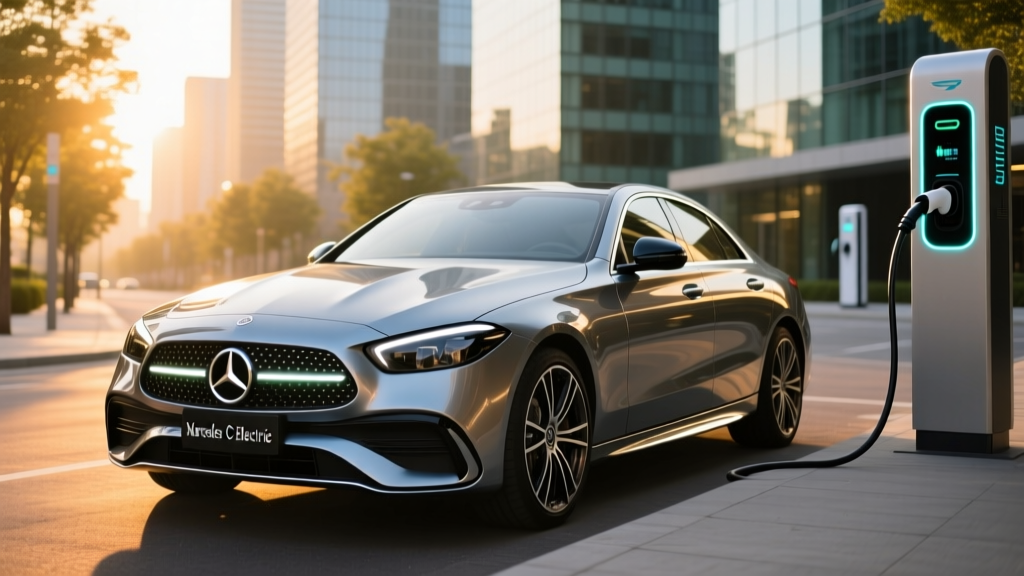
- Mercedes-Benz EQS 450+: More range (EPA 390 mi), lower starting price (~$105,550), but a less intuitive MBUX interface and a polarizing exterior design. The EQS also lacks the i7's available rear-seat theater experience.
- Lucid Air Grand Touring: Dominates on range (EPA 516 mi) and efficiency (131 MPGe), starts around $125,650. Build quality and dealer support are improving but still lag BMW's established network.
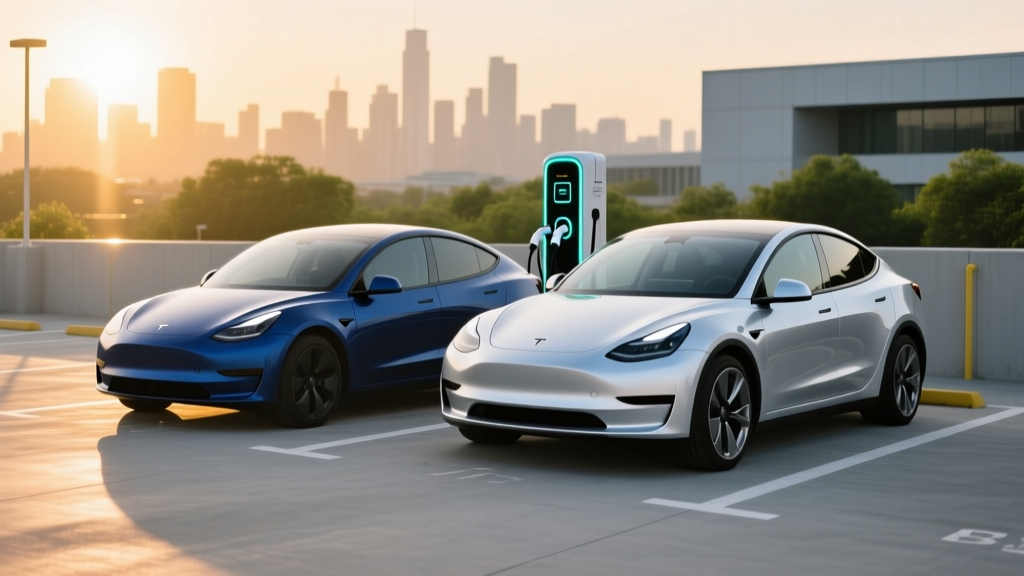
- Tesla Model S: Starts lower (~$79,990 for Long Range), offers Supercharger access, but interior quality and panel gaps remain a step below the i7's craftsmanship. The Model S is also aging in design.
- Exceptional cabin quietness and ride quality
- Intelligent adaptive regen reduces brake fatigue
- Available 31.3-inch Rear Theater Screen is a genuine differentiator
- 195 kW DC fast charging is practical for road trips
- BMW dealer and service network is mature nationwide
- EPA range trails EQS and Lucid Air by 70–200 miles
- No front trunk (frunk)
- Exceeds federal §30D MSRP cap — no $7,500 tax credit
- Rear headroom is modest for a flagship sedan
- High starting price with expensive option packages
Who Should Buy the BMW i7 Sedan?
The i7 is built for buyers who want a chauffeur-grade luxury sedan that happens to be electric — not an EV-first tech showcase. If your priorities are whisper-quiet highway cruising, a rear seat that impresses clients or keeps children entertained on long drives, and the confidence of BMW's service infrastructure, the i7 delivers. It's less suited for buyers whose top priority is maximum range per dollar (look to Lucid) or cutting-edge autonomous capability (Tesla's FSD Supervised, though still Level 2, offers more miles of supervised automation data).
- You prioritize ride comfort and cabin materials over range maximization
- You need a usable, premium rear seat for adults or family
- You value a mature dealer/service network for a six-figure vehicle
- You mostly drive under 250 miles per day with home charging access
- Maximum EPA range is your top priority (Lucid Air, EQS 450+)
- You need a frunk for regular cargo hauling
- Federal tax credit eligibility is important to your purchase math
- You want a sport-sedan driving experience (consider the Porsche Taycan or Tesla Model S Plaid)
Frequently Asked Questions
What is the real-world range of the 2026 BMW i7?
The EPA rates the i7 xDrive50 at 318 miles. In real-world highway driving at 70–75 mph, expect 260–285 miles. In cold weather (below freezing), range drops to approximately 220–250 miles due to cabin heating demands and reduced battery efficiency.
How fast does the BMW i7 charge at home and on DC fast chargers?
On a DC fast charger, the i7 peaks at 195 kW and charges from 10–80% in approximately 34 minutes with a preconditioned battery. At home on a Level 2 charger (11.5 kW), a full charge takes about 9.5 hours, adding roughly 30 miles per hour of charging.
Does the BMW i7 qualify for the federal EV tax credit?
No. Under IRS §30D rules, new sedans must have an MSRP of $55,000 or less to qualify. The i7 starts at $120,675, well above that cap. State and utility incentives may still apply — check IRS.gov and your local energy provider for details.
Is the BMW i7 worth buying over the Mercedes EQS or Lucid Air?
The i7 wins on ride quality, rear-seat luxury, and build consistency. The EQS offers more range and a lower entry price; the Lucid Air leads in efficiency and range by a wide margin. If cabin experience and dealer support matter most, the i7 is the strongest choice. If range-per-dollar is paramount, the Lucid Air Grand Touring is hard to beat.
What is the battery warranty on the BMW i7?
BMW provides an 8-year/100,000-mile high-voltage battery warranty, guaranteeing at least 70% capacity retention. The general vehicle warranty covers 4 years/50,000 miles.
Does the BMW i7 have a frunk?
No. The i7 does not offer a front trunk. BMW uses the front compartment for power electronics and climate-control hardware. Trunk space is 17.7 cubic feet.