Quick Verdict: The Electric 3-Series Alternative That Actually Works
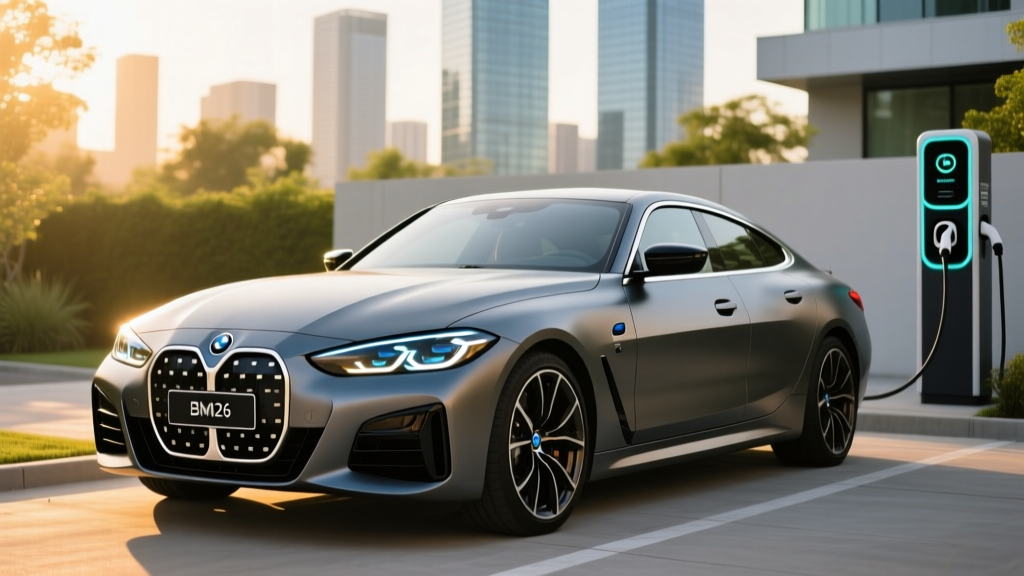
The BMW i4 sedan occupies a rare position in the EV market: it's a premium electric liftback that doesn't ask you to sacrifice driving dynamics for efficiency. Built on BMW's CLAR platform — the same architecture underpinning the 4 Series Gran Coupe — the i4 delivers the taut steering and balanced chassis that BMW loyalists expect, wrapped in a package that offers up to 318 miles of EPA-rated range.
But the i4 isn't without compromises. Its battery chemistry limits fast-charging speed compared to Hyundai/Kia's 800-volt rivals, and federal tax credit eligibility is a moving target due to evolving battery-sourcing rules. Here's the complete ownership picture for 2026.
Full Spec Sheet: 2026 BMW i4 by Trim
| Spec | eDrive40 | xDrive40 | M50 |
|---|---|---|---|
| EPA Range | 318 mi (19" wheels) | 285 mi | 271 mi (20" wheels) |
| Battery (Usable / Gross) | 81.5 kWh / 83.9 kWh | 81.5 kWh / 83.9 kWh | 81.5 kWh / 83.9 kWh |
| Chemistry | NMC (Nickel Manganese Cobalt) | NMC | NMC |
| Drivetrain | RWD (single motor) | AWD (dual motor) | AWD (dual motor) |
| Horsepower | 335 hp | 396 hp | 536 hp |
| 0-60 mph | 5.5 sec | 4.6 sec | 3.7 sec |
| Efficiency (EPA) | 109 MPGe / 31 kWh/100mi | 98 MPGe / 34 kWh/100mi | 91 MPGe / 37 kWh/100mi |
| Max DC Fast Charge | 205 kW | 205 kW | 205 kW |
| 10-80% DC Charge Time | ~31 min | ~31 min | ~31 min |
| Level 2 (AC) Charge Rate | 11 kW (~36 mi/hr) | 11 kW (~36 mi/hr) | 11 kW (~36 mi/hr) |
| Cargo Volume | 16.6 cu ft (rear seats up) / 45.6 cu ft (folded) | ||
| Rear Legroom | 34.7 inches | ||
| Base MSRP (incl. destination) | $58,575 | $62,575 | $70,175 |
| Battery Warranty | 8 years / 100,000 miles (min 70% capacity retention) | ||
Source: EPA fueleconomy.gov, BMW USA specifications. Specs reflect 2026 model year data. Real-world results will vary.
Real-World Range: What to Actually Expect
EPA Sticker: 318 miles
Real-World Highway (70 mph, moderate climate): ~270-285 miles
Real-World Cold Weather (below 32°F, highway): ~230-255 miles
City/Mixed Commute (mild weather): ~295-310 miles
The i4's real-world range story is favorable compared to many EVs because its aerodynamic liftback shape and strong regenerative braking help in stop-and-go traffic. Highway driving at 75+ mph and cold-weather battery resistance are the primary range killers.
The eDrive40's 318-mile EPA rating is the headline number, but the xDrive40 and M50 trims sacrifice range for all-weather traction and performance, respectively. The M50's 271-mile EPA figure drops to roughly 225-240 miles on a cold winter highway drive — still usable for most commutes, but it means road trips require more planning.
One advantage the i4 holds: its NMC battery chemistry provides consistent energy delivery across the state-of-charge curve. Unlike some LFP batteries that show voltage sag near the top and bottom of the charge window, the i4's usable 81.5 kWh buffer is reliably accessible. BMW's thermal management system also preconditioning the battery during navigation-routed DC fast charging, which helps maintain range consistency in extreme temperatures.
Charging Speed: DC Fast, Level 2, and the 400-Volt Limitation
| Charging Level | Max Power | Speed (Miles Added) | Typical Use Case |
|---|---|---|---|
| Level 1 (120V household) | ~1.4 kW | ~4 mi/hr | Emergency / overnight trickle |
| Level 2 (240V home/public) | 11 kW | ~36 mi/hr | Daily home charging — 0-100% in ~8.5 hrs |
| DC Fast Charging | 205 kW (peak) | ~195 mi in 30 min | Road trips — 10-80% in ~31 min |
The BMW i4 charges at a maximum of 205 kW on DC fast chargers via the CCS1 connector. This is a 400-volt architecture — meaning it can't match the 350-kW peak speeds of 800-volt platforms like the Hyundai Ioniq 6 or Porsche Taycan. In practice, the difference is meaningful:
- Charge curve reality: The i4 peaks near 205 kW only between roughly 10-30% state of charge, then tapers progressively. From 50-80%, expect sustained rates closer to 90-120 kW. This is why the 10-80% time is 31 minutes rather than the ~18 minutes you'd see on an Ioniq 6.
- Preconditioning matters: If you navigate to a DC fast charger using the i4's built-in navigation, the car will automatically warm the battery to optimal temperature before you arrive. Skip this step (e.g., by driving to a charger without setting it as a nav destination) and your peak charge rate may drop by 30-50 kW in cold weather.
- Level 2 home charging: The 11 kW onboard charger is a strong point. A full charge from 0-100% takes about 8.5 hours on a 48-amp Level 2 home station — fast enough that you'll wake up fully charged every morning, even after a heavy driving day. Note that kW (power) measures the rate of energy flow, while kWh (energy) measures total battery capacity — a distinction that matters when sizing your home charger.
Performance and Driving Dynamics
The i4 eDrive40's 335 hp and 5.5-second 0-60 time make it genuinely quick for a daily commuter, with instant torque delivery that feels faster than the numbers suggest. The single-motor RWD layout gives it the rear-drive balance that BMW's chassis engineers are known for — the steering communicates grip levels clearly, and the 50/50-ish weight distribution (the battery pack sits low in the floor) keeps body roll minimal through corners.
The xDrive40 adds a front motor for 396 hp and all-weather capability. The M50 is the performance flagship: 536 hp, 3.7-second 0-60, adaptive M suspension, and M Sport brakes. It's legitimately fast — but at the cost of 47 miles of EPA range versus the eDrive40 and a stiffer ride that some commuters won't appreciate on potholed city streets.
Pricing, Trims, and Federal Tax Credit Eligibility
| Trim | Base MSRP | As-Tested (typical options) | §30D Credit Eligible? |
|---|---|---|---|
| eDrive40 | $58,575 | $63,000 - $68,000 | Varies — see below |
| xDrive40 | $62,575 | $67,000 - $73,000 | Varies — see below |
| M50 | $70,175 | $75,000 - $82,000 | Exceeds MSRP cap |
- MSRP Cap: Sedans must have an MSRP of $55,000 or less. The i4 eDrive40 ($58,575) and xDrive40 ($62,575) exceed this cap, making them ineligible for the new-vehicle §30D credit as of current rules.
- Buyer Income Limits: Even if MSRP qualified, adjusted gross income must be ≤ $150,000 (single) or $300,000 (joint).
- Battery Sourcing: Critical minerals and battery components must meet escalating domestic-content thresholds. BMW sources cells from Samsung SDI and CATL — sourcing compliance shifts year to year.
- Point-of-Sale Transfer: If a vehicle qualifies, the credit can be applied at the dealership as a down-payment reduction, not just at tax filing.
Verify current eligibility at IRS.gov before purchasing. Tax rules change frequently — consult a tax professional for your specific situation.
The hard truth for 2026: the BMW i4 sedan is priced above the $55,000 MSRP cap that the IRS sets for sedans under §30D. This means the standard new-vehicle federal tax credit of up to $7,500 is generally not available for new i4 purchases. However, buyers should check two potential alternatives:
- Used EV Credit (§25E): A pre-owned i4 (2024 or older, model at least 2 years old) purchased for $25,000 or less may qualify for up to $4,000 (30% of sale price) under the used clean vehicle credit, subject to lower income caps ($75,000 single / $150,000 joint).
- Lease Loophole (§45W): Leasing the i4 may allow the lessor (BMW Financial) to claim the commercial clean vehicle credit and pass savings to the lessee via reduced monthly payments. This has been a common strategy for luxury EVs above the MSRP cap, though availability depends on the lessor's participation.
Tech, Interior, and Daily Livability
The i4's cabin is dominated by BMW's Curved Display — a 12.3-inch instrument cluster flowing into a 14.9-inch touchscreen running iDrive 8.5. The system is responsive, supports wireless Apple CarPlay and Android Auto, and includes a capable voice assistant. The QuickSelect shortcut bar reduces the menu-diving that plagued earlier iDrive versions.
Driver assistance: The i4 comes with BMW's Driving Assistant (SAE Level 2) as standard, which includes adaptive cruise control with stop-and-go, lane-keeping assist, and blind-spot monitoring. The optional Driving Assistant Professional adds Highway Assistant — a hands-free driving feature at speeds up to 85 mph on divided highways, but the driver must keep eyes on the road. This is firmly Level 2 automation; it is not a self-driving system.
Space reality: The 16.6 cu ft liftback cargo area is generous for the segment — the wide hatch opening makes loading easier than a traditional sedan trunk. Rear legroom at 34.7 inches is adequate for adults on shorter trips but tight for tall passengers on long hauls. This is a driver's car first, a family hauler second.
Notable drawbacks:
- Rear-seat headroom is limited by the sloping roofline (a Gran Coupe trade-off)
- No front trunk (frunk) — the hood is sealed and houses ancillary electronics
- iDrive's gesture control is gimmicky and often triggers unintentionally
- The simulated engine sound (IconicSounds Electric, composed by Hans Zimmer) divides opinion — some love it, others find it artificial
BMW i4 vs. Key Competitors
| Spec | BMW i4 eDrive40 | Hyundai Ioniq 6 Limited | Tesla Model 3 Long Range | Polestar 2 LRDM |
|---|---|---|---|---|
| EPA Range | 318 mi | 316 mi | 341 mi | 276 mi |
| Base MSRP | $58,575 | $48,650 | $47,740 | $54,300 |
| 10-80% DC Charge | ~31 min | ~18 min | ~25 min | ~30 min |
| 0-60 mph | 5.5 sec | 5.1 sec (RWD) | 4.2 sec | 4.3 sec |
| §30D Credit | Unlikely (MSRP cap) | Potential (check sourcing) | Potential (check sourcing) | Unlikely (MSRP cap) |
- Best-in-class driving dynamics and steering feel
- Strong 318-mile EPA range (eDrive40)
- 11 kW Level 2 charging is fast for overnight
- Liftback cargo versatility (45.6 cu ft seats-folded)
- Premium cabin materials and build quality
- 8-year/100,000-mi battery warranty
- 400V architecture limits DC fast-charge speed vs. 800V rivals
- Exceeds $55K MSRP cap for §30D tax credit
- Rear-seat headroom and legroom are tight
- No frunk
- Higher base price than Model 3 and Ioniq 6
- M50 range drops significantly (271 mi EPA)
Who Should Buy the BMW i4 Sedan?
Choose the BMW i4 if:
- You prioritize driving engagement and chassis feedback over maximum range or lowest price
- You want a premium liftback with real cargo versatility and don't need an SUV
- You charge at home nightly and DC fast charging speed is secondary
- You value BMW's build quality, dealer network, and iDrive ecosystem
Look elsewhere if:
- Federal tax credit eligibility is a dealbreaker (consider Ioniq 6 or Model 3)
- You road-trip frequently and need the fastest possible DC charging (Ioniq 6's 800V system)
- You regularly carry rear-seat passengers (consider an iX or Model Y for more space)
- Lowest total cost of ownership is the top priority (Model 3 wins on price and efficiency)
Frequently Asked Questions
What is the real-world range of the BMW i4 sedan?
The eDrive40 achieves 318 miles EPA, but expect roughly 270-285 miles on a highway road trip at 70 mph in mild weather. In freezing temperatures, highway range drops to approximately 230-255 miles due to battery resistance and cabin heating demands. City driving with regenerative braking recovers energy and can approach or slightly exceed the EPA rating.
How fast does the BMW i4 charge at home and on the road?
On a Level 2 home charger (240V, 48-amp), the i4 charges at 11 kW, adding roughly 36 miles of range per hour and reaching a full charge in about 8.5 hours. On DC fast chargers, it peaks at 205 kW and charges from 10-80% in approximately 31 minutes. This is slower than 800-volt competitors (the Ioniq 6 does 10-80% in ~18 minutes) but adequate for most road-trip rest stops.
Does the BMW i4 qualify for the federal EV tax credit?
As of 2026, the BMW i4's base MSRP ($58,575 for eDrive40) exceeds the IRS §30D cap of $55,000 for sedans, making new purchases ineligible for the up-to-$7,500 federal credit. Buyers may find savings through leasing (where the commercial credit may apply) or by purchasing a qualifying used i4 under the §25E used-EV credit. Always verify current rules at IRS.gov and consult a tax professional.
Is the BMW i4 worth buying versus the Tesla Model 3 or Hyundai Ioniq 6?
It depends on your priorities. The i4 wins on driving dynamics, build quality, and cabin refinement. The Model 3 Long Range wins on range (341 mi EPA), price (~$47,740), Supercharger network access, and likely tax credit eligibility. The Ioniq 6 wins on DC fast-charging speed (18 min, 10-80%) and value. If driving feel and premium feel matter most, the i4 is the strongest choice. If cost-efficiency and road-trip charging speed are paramount, the Model 3 or Ioniq 6 are more practical.
What battery chemistry does the BMW i4 use and how long will it last?
The i4 uses NMC (Nickel Manganese Cobalt) lithium-ion cells supplied primarily by Samsung SDI. NMC offers high energy density but is more sensitive to sustained 100% storage and extreme heat than LFP chemistry. BMW's thermal management system actively cools and heats the pack to mitigate degradation. The battery warranty guarantees at least 70% capacity retention for 8 years or 100,000 miles. Independent data from similar BMW NMC packs (iX, i7) suggests roughly 8-12% degradation over the first 100,000 miles under normal use.
Does the i4 have a frunk (front trunk)?
No. The BMW i4 does not have a front trunk. The space under the hood houses power electronics and the HVAC system. This is a trade-off of the CLAR platform, which is shared with internal-combustion 4 Series models. Total cargo capacity is 16.6 cu ft behind the rear seats and 45.6 cu ft with the 40/20/40 rear seats folded.
Safety ratings: Check the latest NHTSA and IIHS results for crash-test performance. The i4 carries BMW's standard suite of active safety features including automatic emergency braking, lane-departure warning, and rear cross-traffic alert.