The BMW i3 EV in 2026: What Used Buyers Need to Know
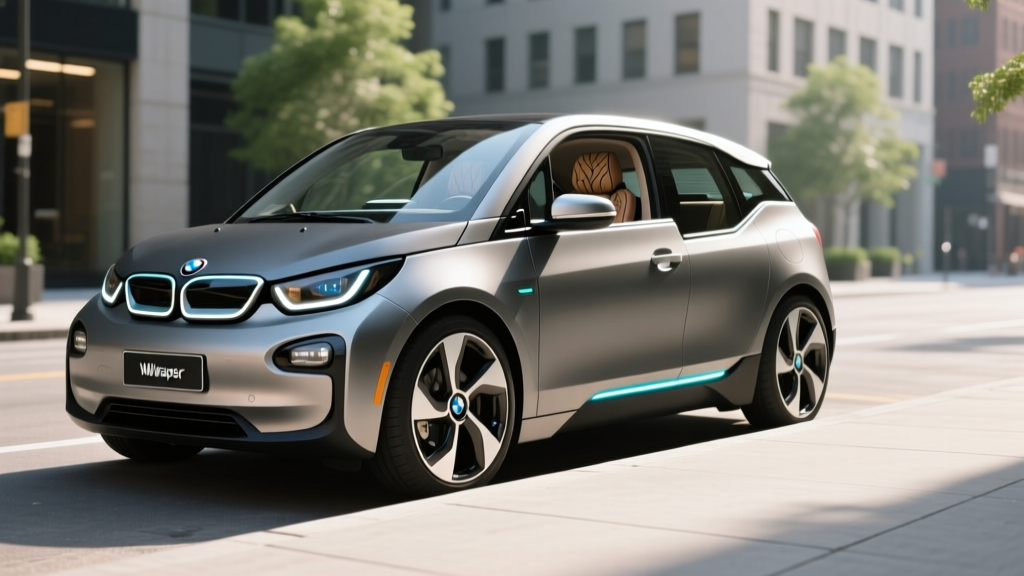
The BMW i3 is one of the most distinctive electric vehicles ever built. Launched for the 2014 model year and discontinued after 2021, this carbon-fiber-reinforced plastic (CFRP) city car pioneered EV construction techniques that mainstream automakers are still catching up to. In 2026, the i3 has transitioned fully into the used-EV market, where it occupies a unique niche: an ultra-efficient, premium-built urban commuter with a surprisingly usable range in its later model years.
If you're searching for a BMW i3 EV today, you'll encounter three distinct battery generations, a confusing optional range-extender engine, and pricing that has settled into an attractive bracket for second-EV households. This guide breaks down every spec that matters — range, charging, battery health, and ownership costs — so you can buy with confidence.
| Spec | Value |
|---|---|
| EPA Range (BEV) | 153 miles (42.2 kWh pack) |
| Battery Capacity | 42.2 kWh usable / 42.2 kWh gross (NMC) |
| DC Fast Charge (Peak) | 50 kW (CCS Combo 2) |
| 10–80% DC Charge Time | ~45 minutes |
| Level 2 Charge Rate | 7.4 kW (onboard charger), ~25 mi/hr |
| Motor Output | 170 hp / 184 lb-ft torque |
| 0–60 mph | 6.9 seconds |
| Drivetrain | Rear-wheel drive (single motor) |
| EPA Efficiency | 113 MPGe combined (30 kWh/100 mi) |
| Cargo Volume | 15.1 cu ft (rear seats up) / 34.8 cu ft (folded) |
| Battery Warranty (Original) | 8 years / 100,000 miles (70% capacity retention) |
EPA Range vs. Real-World Driving
Real-World Expectation: Plan for 120–135 miles on mixed highway driving at 70 mph. In cold weather (below 32°F / 0°C), expect a 20–35% reduction, dropping effective range to roughly 100–120 miles. City driving with regenerative braking recovers more energy and can exceed the EPA estimate, reaching 155–165 miles in mild conditions.
The i3 went through three battery generations during its production run, and the differences are substantial:
- 2014–2016 (60 Ah / 22 kWh): EPA 81 miles. Painfully limited by today's standards.
- 2017–2018 (94 Ah / 33.2 kWh): EPA 114 miles. A meaningful jump but still short.
- 2019–2021 (120 Ah / 42.2 kWh): EPA 153 miles. The sweet spot for used buyers.
The i3's efficiency is genuinely outstanding. At 30 kWh per 100 miles, it sips electrons more frugally than nearly any EV on the road. For context, the current Chevrolet Bolt EV uses 28 kWh/100 mi, and the Tesla Model 3 RWD uses 25 kWh/100 mi. The i3 achieves this through its featherweight construction — the car weighs just 2,976 lbs, roughly 800 lbs less than a Model 3.
The i3's tall, narrow tires (155/70 R19) minimize rolling resistance, and the regenerative braking system is aggressive enough for true one-pedal driving in most situations. Lift off the accelerator and the car decelerates briskly, often eliminating the need for the brake pedal in city traffic.
Charging Speed and Connector Details
The BMW i3's charging capability is where modern buyers need to manage expectations. This car was designed in an era when 50 kW DC fast chargers were considered cutting-edge.
| Charging Level | Power | Time (10–80%) | Miles Added per Hour |
|---|---|---|---|
| Level 1 (120V household) | ~1.4 kW | Not practical (days) | ~5 mi/hr |
| Level 2 (240V, 32A) | 7.4 kW | ~4.5 hours | ~25 mi/hr |
| DC Fast Charge (CCS) | 50 kW peak | ~45 min (10–80%) | N/A |
The 50 kW peak DC rate is sustained from roughly 0–60% State of Charge, after which the charge curve tapers significantly. Above 80%, charging slows to under 20 kW to protect battery health. A full 10–80% session takes approximately 45 minutes at a properly functioning 50 kW+ CCS station.
Critical note for used buyers: pre-2019 i3 models may have CHAdeMO ports rather than CCS, depending on the market and original configuration. BMW offered CCS as an option on earlier models and made it standard on 2019+ cars. Verify the connector type before purchasing — CCS is the dominant North American standard for non-Tesla DC charging, and CHAdeMO infrastructure is dwindling.
Level 2 home charging at 7.4 kW is adequate for overnight replenishment. A full charge from near-empty takes roughly 5.5 hours. Most i3 owners plug in nightly and wake up with a full battery, which is the ideal ownership pattern for this car's range envelope.
Performance, Handling, and Daily Drivability
The i3's 170-horsepower rear-mounted electric motor delivers the instant torque that makes EVs feel quick around town. The 0–60 mph time of 6.9 seconds is brisk enough for confident highway merging, though it trails modern competitors. The i3s variant (introduced in 2018) bumps output to 184 hp and drops the 0–60 to 6.2 seconds with a slightly wider track and lower ride height.
What surprises most first-time drivers is the steering feel. The i3 uses an unusually quick steering ratio, and the narrow front tires can tram-line on grooved pavement. The turning circle, however, is a remarkable 32.8 feet — tighter than a Mini Cooper — making the i3 an exceptional urban runabout.
The cabin is roomier than the exterior suggests. The rear-hinged "coach doors" create a wide opening for rear-seat access, and the flat floor provides generous foot space. Rear legroom measures 31.9 inches, which accommodates adults on short trips. Cargo space behind the rear seats is 15.1 cubic feet, expanding to 34.8 cu ft with the seats folded — enough for a week's groceries or two carry-on bags.
Battery Health, Degradation, and Longevity
The i3 uses Samsung SDI NMC (nickel-manganese-cobalt) lithium-ion cells. BMW's battery management system is conservative — it maintains a generous buffer at the top and bottom of the pack to reduce stress on individual cells. This approach sacrifices some usable capacity but significantly extends long-term battery health.
Real-world degradation data from high-mileage i3 owners shows encouraging results:
- 50,000 miles / 4 years: Typically 5–8% capacity loss
- 100,000 miles / 7 years: Typically 10–15% capacity loss
- Warranty threshold: BMW guarantees 70% capacity retention for 8 years / 100,000 miles
For a 2020 i3 with 40,000 miles, expect roughly 6–10% degradation, meaning real-world range drops from 153 miles to approximately 138–144 miles when new. Most used i3s remain well within their warranty buffer.
When buying used, request a battery health report from a BMW dealer or use an OBD2 scanner with an app like BimmerCode to read the State of Health (SoH) percentage directly from the battery management system. An SoH above 90% is excellent for a 3–5-year-old pack. Below 80% warrants caution and may indicate a warranty claim opportunity if still within the 8-year window.
Used Pricing and Tax Credit Eligibility
Original MSRPs for the i3 ranged from approximately $44,450 (2014 base) to $51,500 (2021 i3s with options). In the 2026 used market, prices have settled into a more accessible range:
- 2014–2016 (22 kWh): $9,000–$14,000
- 2017–2018 (33 kWh): $14,000–$20,000
- 2019–2021 (42 kWh): $18,000–$28,000 depending on mileage and condition
| Credit Type | Maximum Amount | Eligibility Rules |
|---|---|---|
| Used Clean Vehicle Credit (§25E) | $4,000 or 30% of sale price (whichever is less) | Sale price ≤ $25,000; buyer income ≤ $75K single / $150K joint; purchased from a licensed dealer; model year at least 2 years older than current year |
The IRS §25E used-EV credit can knock up to $4,000 off your tax liability for a qualifying used i3. However, the rules are strict: the sale price must be $25,000 or less, you must buy from a licensed dealer (private-party sales don't qualify), and your modified adjusted gross income must fall below $75,000 (single) or $150,000 (married filing jointly). The vehicle must also be at least two model years old — easily satisfied for any i3 in 2026.
Note: The i3 does not qualify for the new-vehicle §30D credit (up to $7,500), as it is no longer in production. The §25E used credit is your incentive path, and it's applied at the point of sale through a participating dealer or claimed on your federal tax return. Consult a tax professional to confirm your eligibility, as IRS rules are subject to change.
Pros and Cons at a Glance
Pros
- Outstanding efficiency — 113 MPGe combined, 30 kWh/100 mi
- Lightweight CFRP construction; genuinely fun to drive in the city
- Tight 32.8-ft turning circle, excellent visibility
- Premium interior materials (recycled/sustainable accents)
- Strong battery longevity with conservative BMS
- One-pedal driving with aggressive regen
- Unique, head-turning design
Cons
- 153-mile range limits highway and road-trip use
- 50 kW DC fast charging is slow by 2026 standards
- Rear coach doors require front doors open first — awkward in tight spots
- Narrow tires and quick steering can feel nervous on the highway
- Small cargo area; no front trunk (frunk)
- No longer in production — parts availability may narrow over time
- Infotainment (iDrive 6) feels dated vs. current systems
Who Should Buy a Used BMW i3?
Buy the i3 if: You need a second car for commuting, school runs, and errands within a 50-mile daily radius. You have reliable Level 2 home charging. You value efficiency, build quality, and a distinctive design. You live in a mild-to-moderate climate (or accept winter range loss).
Skip the i3 if: You need a primary vehicle for highway commuting over 80 miles round-trip. You regularly carry more than two passengers or bulky cargo. You lack home charging and rely on public DC fast chargers. You live in a very cold climate and can't tolerate a 30% winter range penalty.
The i3 excels as a dedicated urban commuter and household second car. Its efficiency means charging costs are minimal — at $0.15/kWh (national average), a full charge costs roughly $6.30, yielding a per-mile fuel cost of about 4.5 cents. Compare that to a 30 MPG gas car at $3.50/gallon (11.7 cents per mile), and the i3 saves over $700 annually for a driver covering 10,000 miles.
Frequently Asked Questions
What is the real-world range of the BMW i3 EV?
The 2019–2021 BMW i3 with the 42.2 kWh battery has an EPA range of 153 miles. In real-world mixed driving, expect 120–135 miles on the highway and up to 165 miles in city conditions with regenerative braking. Cold weather (below freezing) can reduce range by 20–35%, dropping effective range to roughly 100–120 miles.
How fast does the BMW i3 charge at home and on DC fast chargers?
On a Level 2 home charger (240V, 32A), the i3 charges at 7.4 kW, adding about 25 miles of range per hour — a full charge takes roughly 5.5 hours. On a DC fast charger, the i3 peaks at 50 kW and reaches 10–80% in approximately 45 minutes. This is slow by 2026 standards, where many EVs charge at 150–250 kW.
Does the BMW i3 qualify for any federal EV tax credit?
The i3 no longer qualifies for the new-vehicle §30D credit since production ended in 2021. However, it may qualify for the IRS §25E used clean vehicle credit of up to $4,000, provided the sale price is $25,000 or less, the buyer's income falls below IRS thresholds ($75K single / $150K joint), and the purchase is made through a licensed dealer. Always verify current rules at IRS.gov.
Is the BMW i3 worth buying in 2026 vs. competitors?
At $18,000–$28,000 for a 2019–2021 model, the i3 competes with used Chevrolet Bolts ($16,000–$22,000, 259-mi range), Nissan Leaf Plus ($15,000–$20,000, 226-mi range), and older Tesla Model 3s ($22,000–$30,000, 263–310 mi). The i3 wins on efficiency, build quality, and city maneuverability. It loses on range and charging speed. If your daily driving stays under 80 miles, the i3's premium feel and low running costs make it a strong choice.
What's the difference between the i3 BEV and the i3 REx?
The REx (Range Extender) variant includes a 0.65-liter two-cylinder gasoline engine that acts as a generator to maintain battery charge once the pack depletes to a buffer level. It adds roughly 70–80 miles of gasoline-extended range but also adds weight, complexity, and maintenance (oil changes, fuel system). The REx also disqualified the i3 from certain HOV lane and incentive programs in some states. For pure EV simplicity, the BEV is preferred; the REx suits buyers who occasionally need to exceed the battery range without planning charging stops.
How reliable is the BMW i3's battery long-term?
The i3's Samsung SDI NMC battery has proven durable, with most packs retaining 85–93% capacity after 5–7 years and 50,000–80,000 miles. BMW's 8-year / 100,000-mile warranty covers packs that fall below 70% State of Health. Replacement battery packs, if needed out of warranty, cost approximately $10,000–$15,000 including labor, though full replacements remain rare.