The Quick Answer: Is a Used BMW i3 Electric Worth It in 2026?
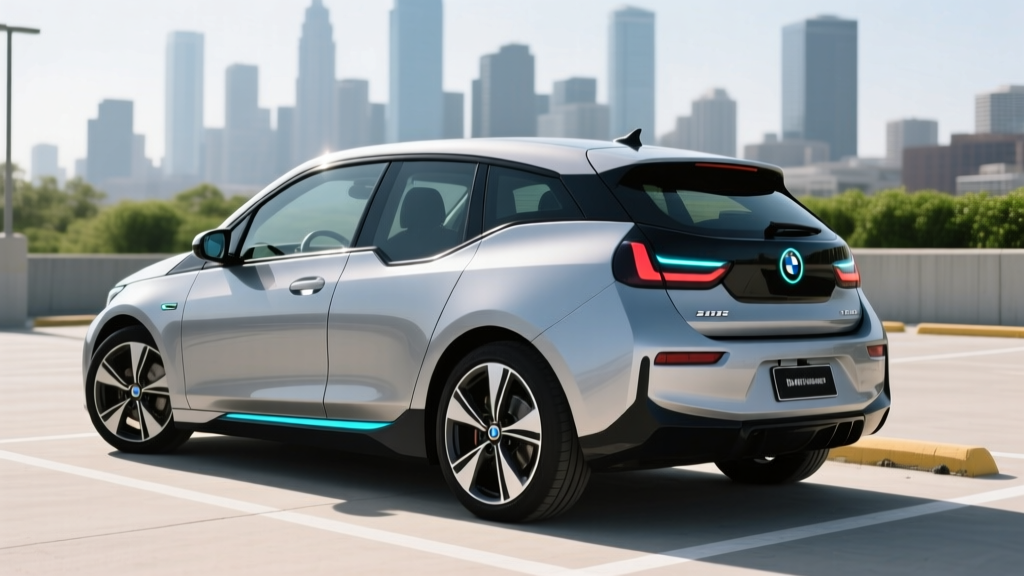
The BMW i3 was discontinued after the 2021 model year, so in 2026 you are shopping exclusively on the used market. The best-value variant is the 2019–2021 BMW i3s with the 120 Ah (42.2 kWh gross / 37.9 kWh usable) battery, which carries an EPA range of 153 miles (up to 200 miles with the optional Range Extender). Expect to pay $16,000–$24,000 depending on mileage and condition. It remains one of the most affordable entry points into a premium EV, but its short range, CHAdeMO-era CCS charging (no NACS adapter included from BMW), and aging battery demand careful vetting. If your commute is under 40 miles round-trip and you have Level 2 home charging, the i3 delivers outstanding efficiency at roughly $0.04–$0.06 per mile on residential electricity.
BMW i3 Electric Range & Battery: What You Actually Get
The BMW i3 went through three battery generations. Knowing which one you're buying is critical because the range difference is massive.
| Model Years | Battery (Ah) | Usable kWh | Chemistry | EPA Range | Real-World Highway |
|---|---|---|---|---|---|
| 2014–2016 | 60 Ah | 18.8 | NMC (Samsung SDI) | 81 mi | 55–65 mi |
| 2017–2018 | 94 Ah | 27.2 | NMC (Samsung SDI) | 114 mi | 80–95 mi |
| 2019–2021 | 120 Ah | 37.9 | NMC (Samsung SDI) | 153 mi | 110–130 mi |
Real-World Range Reality: The EPA 153-mile figure for the 120 Ah model assumes mixed driving at moderate temperatures. In our experience and aggregated owner data, expect 110–130 miles at sustained 70 mph highway speeds, and as low as 90–105 miles in sub-freezing winter conditions (the i3's resistive cabin heater is a significant range drain compared to a heat pump system). The i3s (sport trim) loses roughly 5–8 miles of range vs. the base i3 due to wider 20-inch tires and sport tuning.
The Range Extender (REx) variant adds a 650cc two-cylinder BMW motorcycle engine that acts as a generator, maintaining battery charge rather than driving the wheels. This extends total range to roughly 200 miles (EPA) but adds weight, maintenance complexity, and eliminates the frunk. The REx is best suited for buyers who need occasional longer trips but want electric-only daily driving.
Charging the BMW i3: Speed, Connectors & Home Setup
The i3 charges via a CCS1 (Combo) connector for DC fast charging and a J1772 inlet for Level 1/Level 2 AC charging. Here is what the charging experience looks like in practice:
| Charging Level | Power (kW) | Connector | Charge Time (0–100%) | Miles Added/Hour |
|---|---|---|---|---|
| Level 1 (120V) | 1.4 kW | J1772 | ~28 hours (120 Ah) | ~5 mi/hr |
| Level 2 (240V, 32A) | 7.4 kW | J1772 | ~5.5 hours | ~25 mi/hr |
| DC Fast Charge | 50 kW peak | CCS1 | 10–80% in ~35 min | ~100 mi/hr (at peak) |
Charging curve reality: The i3's 50 kW DC fast charge peak is modest by 2026 standards. It sustains roughly 45–50 kW from 10% to about 50% SoC, then tapers to ~30 kW through 70%, and drops sharply above 85%. A 10–80% session takes approximately 35–40 minutes at a functional 50 kW station. On Electrify America or EVgo networks, plan for 40–45 minutes total including plug-in and authentication.
NACS compatibility note: BMW has not released an official CCS-to-NACS adapter for the i3. While third-party adapters exist, Tesla Supercharger access for the i3 is not guaranteed and may void remaining warranty coverage. For most used i3 buyers, relying on the CCS1 public charging network (Electrify America, EVgo, ChargePoint) and home Level 2 charging is the practical approach.
Cost Breakdown: Buying, Charging, Insuring & Maintaining the i3
The used BMW i3's affordability is its strongest selling point. Here is a realistic total cost of ownership analysis comparing a used 2020 BMW i3 (120 Ah) against a comparable used 2020 Honda Civic 1.5T and a 2020 Toyota Prius hybrid.
| Cost Factor (5-Year / 60,000 mi) | 2020 BMW i3 (Used) | 2020 Honda Civic | 2020 Toyota Prius |
|---|---|---|---|
| Purchase Price (avg) | $19,000 | $19,500 | $22,000 |
| Fuel/Energy Cost | $3,420 (home L2) | $7,200 (gas) | $4,500 (gas) |
| Maintenance | $1,200 | $2,800 | $2,400 |
| Insurance (avg) | $7,500 | $6,000 | $5,800 |
| Federal Tax Credit | Up to $4,000 (used EV) | $0 | $0 |
| 5-Year Total | $27,120 | $35,500 | $34,700 |
Used EV tax credit (§25E): Under current IRS rules, qualifying used EVs can receive a credit of 30% of the sale price, up to $4,000, at the point of sale. To qualify, the i3 must be purchased from a licensed dealer (not private party), the sale price must be $25,000 or less, and buyer income cannot exceed $75,000 (single) / $150,000 (joint). Verify current eligibility at irs.gov. This credit is frequently available on 2019–2021 i3 models and dramatically improves the value proposition.
Maintenance advantage: The i3 eliminates oil changes, spark plugs, transmission fluid, and exhaust system repairs. Brake pad life is extended significantly by regenerative braking — many owners report 80,000+ miles on original pads. The primary maintenance costs are cabin air filter replacement (~$80/year), tire rotation, windshield washer fluid, and eventually tires (the tall, narrow 155/70R19 or 175/65R20 tires are specialty sizes and cost $180–$250 each).
Insurance reality: The i3's carbon-fiber-reinforced plastic (CFRP) body structure makes collision repairs more expensive than steel-bodied cars, which pushes insurance premiums 15–25% higher than comparable gas vehicles. Get quotes before purchasing — your zip code and driving record will determine the actual delta.
BMW i3 vs. Gas Car vs. Hybrid: The Data-Driven Comparison
| Metric | 2020 BMW i3 (120 Ah) | 2020 Honda Civic 1.5T | 2020 Toyota Prius (LE) |
|---|---|---|---|
| EPA Efficiency | 113 MPGe / 30 kWh/100mi | 36 MPG combined | 56 MPG combined |
| Energy Cost per Mile | $0.04–$0.06 | $0.12–$0.14 | $0.08–$0.09 |
| 0–60 mph | 6.9 sec (i3s: 6.2 sec) | 7.5 sec | 10.5 sec |
| Horsepower | 170 hp (i3s: 184 hp) | 174 hp | 121 hp (combined) |
| Cargo Volume | 15.1 cu ft | 15.1 cu ft | 24.6 cu ft |
| Range | 153 mi (BEV) / 200 mi (REx) | 424 mi | 588 mi |
| CO₂ Tailpipe | 0 g/mi (BEV) | 248 g/mi | 159 g/mi |
The i3's 113 MPGe rating makes it one of the most energy-efficient EVs ever sold in the US, according to fueleconomy.gov. Its lightweight CFRP construction (curb weight ~2,900 lbs) is the key to that efficiency. However, its 153-mile range is a hard limitation for road trips. The Civic and Prius offer 3–4x the range and can refuel in 5 minutes anywhere. For a single-vehicle household that regularly drives 200+ miles, the i3 BEV is impractical without careful route planning. The REx variant partially solves this but introduces gas-engine maintenance.
First-Time EV Buyer Checklist: What to Know Before Buying a Used i3
Buying a used EV introduces considerations that don't exist with used gas cars. Here is what you must verify:
- Battery State of Health (SoH): Request a battery health report from the dealer or use an OBD2 reader with the BMW-specific "Battery Information" screen. The i3's Samsung SDI NMC cells degrade slowly — most 2019–2021 120 Ah models show 90–96% SoH in 2026. BMW's high-voltage battery warranty covers capacity below 70% for 8 years/80,000 miles (from original in-service date). A 2020 model is still under warranty through 2028.
- Home charging access: A Level 2 (240V) home charger is nearly essential. Level 1 (120V) charging at 5 miles per hour means a full overnight charge adds only ~50 miles — insufficient if you drive 40+ miles daily. Budget $500–$1,500 for a Level 2 home charger installation (equipment + electrician). If your electrical panel is at capacity, a panel upgrade can add $1,500–$3,000.
- Cold-climate range loss: The i3 uses a resistive heater, not a heat pump. In sustained sub-30°F weather, expect 25–35% range reduction. Preconditioning the cabin while plugged in (via the BMW Connected app) mitigates this by warming the car on grid power before departure.
- Charging network access: Download the PlugShare, Electrify America, and ChargePoint apps before buying. Map the DC fast chargers along your common routes. The i3's CCS1 connector is compatible with most non-Tesla public chargers, but 50 kW peak charging means longer stops than modern 150–350 kW-capable EVs.
- Tire availability: The i3's unusual tall-narrow tire sizes (155/70R19 base, 175/65R20 i3s) are not stocked at every tire shop. Verify availability and pricing in your area before committing.
Common Misconceptions About the BMW i3 — Myth vs. Fact
| Myth | Fact |
|---|---|
| "The i3 battery will need expensive replacement soon" | Samsung SDI NMC cells in the i3 have shown excellent longevity. Most 8-year-old 60 Ah packs retain 80–85% SoH. The 120 Ah pack (2019+) has even more headroom. Full replacement (rare) costs $8,000–$12,000, but is almost never needed within the vehicle's useful life. |
| "It's too slow for highway merging" | The i3s does 0–60 in 6.2 seconds with 184 hp and instant electric torque. Highway merging is effortless. The limiter is top speed (electronically limited to 93 mph base, 99 mph i3s), not acceleration. |
| "Carbon fiber body means any crash totals the car" | The CFRP passenger cell ("Life Module") is extremely strong and rarely damaged in typical collisions. Replaceable aluminum subframes ("Drive Modules") absorb front and rear impacts. Insurance write-offs happen but are not the norm for minor accidents. |
| "I can't take it on road trips" | The REx variant adds ~47 miles of gas-generated range for a total of ~200 miles. CCS DC fast charging enables 80% in ~35 minutes. Dedicated EV road-trippers use PlugShare to plan 30-minute charge stops. It requires more planning than a gas car, but is entirely doable for 2–3 road trips per year. |
| "No tax credits for used EVs" | The §25E used clean vehicle credit offers up to $4,000 (30% of sale price) for qualifying used EVs purchased from dealers. Most 2019–2021 i3s qualify if buyer income and price caps are met. |
Decision Framework: Should You Buy a Used BMW i3?
Buy the BMW i3 if:
- Your daily round-trip commute is under 60 miles (covers 80%+ of US drivers)
- You have access to Level 2 home charging (garage or driveway with 240V outlet)
- You want a premium, fun-to-drive EV at a sub-$20,000 entry price
- You qualify for the §25E used EV tax credit (income under $75K single / $150K joint)
- This is a second vehicle in the household, or you rarely drive 150+ miles in a single day
- You value unique design, sustainability credentials (recycled interior materials, CFRP body), and city-friendly dimensions
Look elsewhere if:
- You need 300+ miles of range for frequent road trips (consider a used Tesla Model 3 Long Range or Chevrolet Bolt EUV)
- You rely exclusively on public fast charging and have no home charging access — the i3's 50 kW peak charge rate means long waits
- You live in an extreme cold climate (below 0°F regularly) and need maximum winter range — the resistive heater and small battery compound cold-weather losses
- You need cargo space for a family — the i3's 15.1 cu ft trunk is compact, and the rear-hinged "coach doors" limit car-seat installation
- You want NACS/Tesla Supercharger access without third-party adapters
Frequently Asked Questions
Is the BMW i3 still being made?
No. BMW ended i3 production in July 2022 after approximately 250,000 units worldwide. All 2026 purchases are on the used or certified pre-owned market. BMW continues to provide parts and service support, and the high-voltage battery warranty remains in effect based on original in-service date.
How much does it cost to charge a BMW i3 at home?
Charging a fully depleted 120 Ah i3 (37.9 kWh usable) at the US average residential electricity rate of $0.16/kWh costs approximately $6.06 for a full charge. At 153 miles of range, that works out to roughly $0.04 per mile — about one-third the per-mile cost of a 30 MPG gas car at $3.50/gallon. Over 12,000 miles per year, home charging costs approximately $480 vs. $1,400 for gasoline.
What happens if the BMW i3 battery fails out of warranty?
Complete battery failure is extremely rare on the i3. Samsung SDI NMC cells degrade gradually rather than failing catastrophically. If replacement is needed, independent EV shops and BMW dealers quote $8,000–$12,000 for a refurbished or new pack. Third-party options from companies like Greentec Auto offer refurbished i3 batteries for $5,000–$7,000 with a 3-year warranty. Additionally, individual module replacement (the i3 pack has 8 modules) can address a single weak cell group for $800–$1,500.
Can the BMW i3 use Tesla Superchargers?
Not natively. The i3 uses a CCS1 connector, while Tesla Superchargers use NACS (formerly Tesla proprietary). BMW has not issued an official CCS-to-NACS adapter for the i3. Some third-party adapters (such as those from Lectron or A2Z) claim compatibility, but results are inconsistent and may not be safe for sustained use. For reliable charging, use the CCS1 network: Electrify America, EVgo, ChargePoint, and Blink all support the i3's connector.
Is the BMW i3 safe?
The i3 earned a 4-star overall rating from NHTSA and was an IIHS Top Safety Pick in its class year. The CFRP passenger cell provides exceptional structural rigidity. Standard safety features include 6 airbags, stability control, and cornering brake control. However, it lacks modern ADAS features like automatic emergency braking, lane-keeping assist, and adaptive cruise control — which are now standard on most 2026 vehicles. If advanced driver assistance is a priority, the i3 falls short of newer EVs.
What is the BMW i3's real-world efficiency?
According to fueleconomy.gov, the 2020 BMW i3 achieves 113 MPGe combined (30 kWh/100 miles). In real-world driving, owners report 3.5–4.5 miles per kWh depending on conditions — which translates to 132–170 miles from a full charge in moderate weather. Aggressive driving, cold temperatures, and high-speed highway cruising push consumption toward 4.5+ miles per kWh (lower efficiency).