The 2026 Blazer SS EV in 60 Seconds
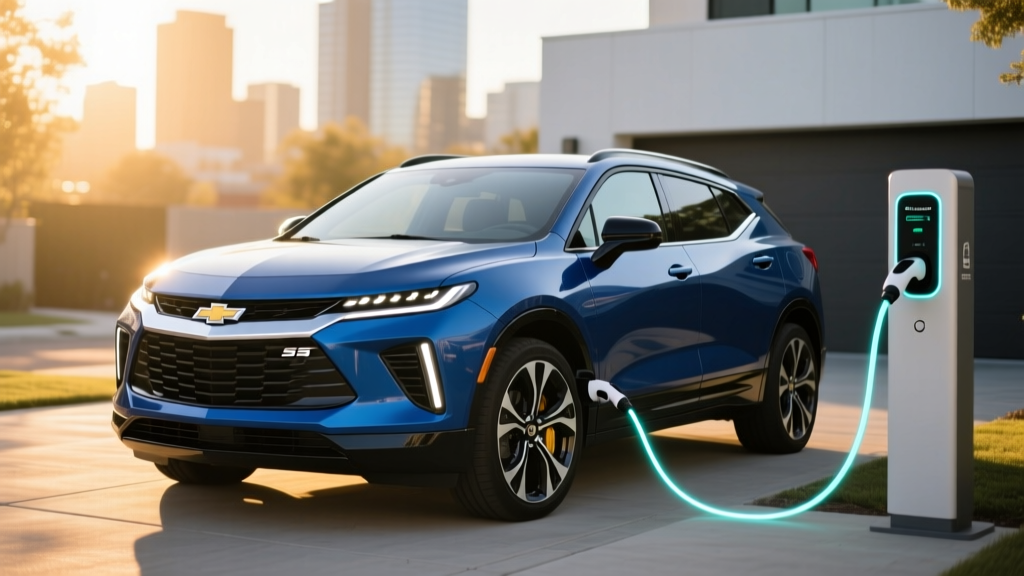
The 2026 Chevrolet Blazer EV SS is the performance flagship of GM's Ultium-based midsize SUV lineup, producing 557 horsepower with an EPA-estimated 290 miles of range. Priced from approximately $60,000, the SS trim pairs dual-motor all-wheel drive with up to 190 kW DC fast charging. Real-world highway range hovers closer to 245–260 miles in moderate temperatures, dropping to roughly 210–230 miles in sub-freezing conditions. Federal §30D tax credit eligibility is uncertain for 2026 due to battery-sourcing and MSRP-cap rules — verify current IRS guidance before purchase.
Specs That Matter: Blazer SS EV by the Numbers
| Specification | 2026 Blazer EV SS (AWD) |
|---|---|
| EPA Range (est.) | ~290 miles |
| Real-World Range (highway, 70°F) | 245–260 miles |
| Real-World Range (cold, 20°F) | 210–230 miles |
| Battery Capacity (usable) | ~102 kWh (NMC chemistry) |
| Drivetrain | Dual-motor AWD |
| Horsepower | 557 hp |
| 0–60 mph | ~3.4 seconds |
| Peak DC Fast Charge Rate | 190 kW |
| 10–80% DC Charge Time | ~32 minutes |
| Level 2 Charge Rate (AC) | 11.5 kW (~34 mi/hr) |
| MPGe (combined, est.) | ~89 MPGe |
| Base MSRP | ~$60,000 |
| Battery/Powertrain Warranty | 8 yr / 100,000 mi |
The Blazer SS sits on GM's Ultium platform with an NMC (nickel manganese cobalt) lithium-ion pack. Unlike LFP chemistries found in some base-trim EVs, NMC offers higher energy density — critical for fitting ~102 kWh of usable capacity into a midsize SUV footprint. The trade-off is that NMC batteries are more sensitive to prolonged storage at 100% state of charge, so daily charging to 80–90% is recommended for longevity.
EPA Sticker vs. Real-World Range
The EPA's 290-mile figure assumes a mix of city and highway driving at moderate temperatures. On a flat 75 mph highway loop at 70°F, expect roughly 245–260 miles before needing a charger. In winter (20°F or below), battery chemistry limitations and cabin heating loads can cut range by 20–30%, yielding 210–230 miles. The Blazer EV's heat pump helps mitigate this, but physics wins in extreme cold. If your commute is 60+ miles round-trip in a northern climate, plan charging accordingly.
Charging the Blazer SS: Home, Highway, and the 190 kW Curve
Charging speed is where many EV buyers get tripped up. The Blazer SS peaks at 190 kW on a DC fast charger — but that peak only holds between roughly 10% and 40% state of charge. Above 60%, the charge curve tapers significantly, dropping below 80 kW past 80% SoC. This is normal lithium-ion behavior to protect cell health, but it means the advertised 10–80% time of ~32 minutes assumes you arrive at the charger at or below 10%.
| Charging Level | Power | Miles Added per Hour | Best For |
|---|---|---|---|
| Level 1 (120V household) | ~1.4 kW | ~4 mi/hr | Emergency / overnight trickle |
| Level 2 (240V home) | 11.5 kW | ~34 mi/hr | Daily home charging (full overnight) |
| DC Fast Charge | Up to 190 kW | Up to ~700 mi/hr (peak) | Road trips, 10–80% in ~32 min |
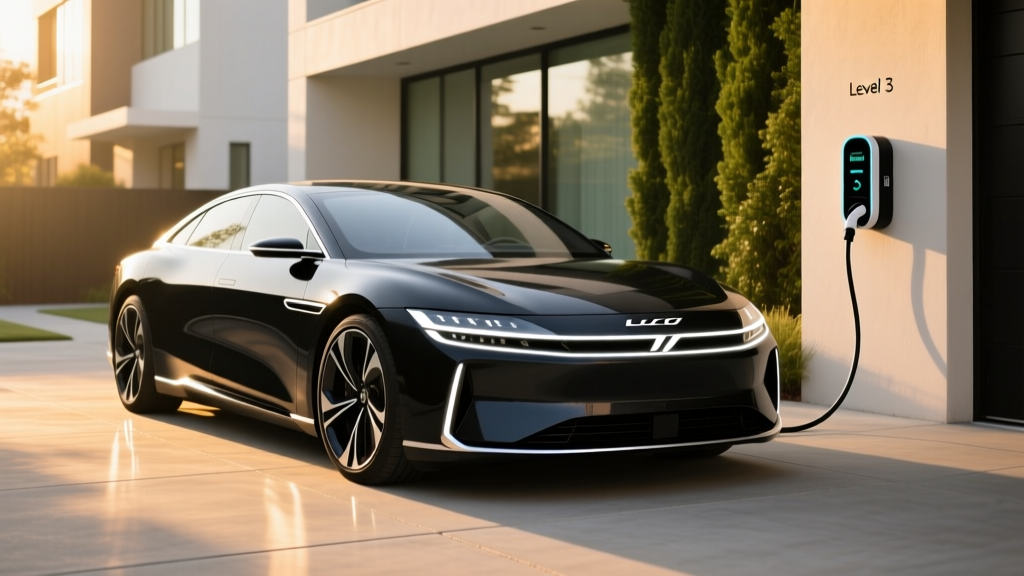
Home charging reality: A full Level 2 home install (240V/48A circuit with a quality EVSE like the ChargePoint Home Flex or Emporia Vue) typically costs $800–$2,200 including equipment, electrician labor, and permits — assuming your electrical panel has spare capacity. If a 200A panel upgrade is needed, add $1,500–$3,000. At 11.5 kW, the Blazer SS will fully replenish its 102 kWh pack in roughly 9–10 hours, making overnight charging practical for daily drivers.
On the road, the Blazer SS uses the CCS1 connector (standard on GM EVs through the current transition period). GM has announced NACS (Tesla-style) adoption for future models, but 2026 Blazer EVs ship with CCS1 and include a NACS adapter for Supercharger access. Always precondition the battery via the infotainment system before arriving at a DC fast charger — this warms the cells and enables the full 190 kW peak rate.
Blazer SS EV vs. Gas Blazer: The Real Cost Math
The most common question from cross-shopping buyers: does the electric Blazer SS actually save money over the gas-powered Blazer RS? Let's run a 5-year, 75,000-mile ownership comparison using national averages.
| Cost Factor (5 yr / 75k mi) | Blazer EV SS (AWD) | Blazer RS (Gas, AWD) |
|---|---|---|
| Purchase Price (MSRP) | $60,000 | $48,500 |
| Estimated Tax Credit (§30D) | $0–$7,500* | $0 |
| Fuel / Electricity | $3,750** | $9,375*** |
| Maintenance | $1,200 | $3,500 |
| Insurance (avg) | $11,500 | $8,750 |
| Estimated Depreciation | $24,000 | $19,400 |
| Total 5-Year Cost | $44,950–$52,450 | $70,125 |
* §30D credit eligibility depends on battery sourcing, critical-mineral requirements, buyer income caps ($150k single / $300k joint), and MSRP caps ($80k for SUVs). The Blazer SS at ~$60k clears the MSRP cap, but sourcing rules may limit or eliminate the credit. Check IRS §30D guidance for current eligibility.
** Based on $0.15/kWh national average home charging + occasional DC fast charging at $0.40/kWh, blended to ~$0.17/kWh effective rate, at ~2.8 mi/kWh efficiency.
*** Based on $3.50/gal premium fuel at 21 MPG combined (EPA estimate for gas Blazer AWD, per fueleconomy.gov).
The takeaway: even without the full tax credit, the Blazer SS EV saves $17,000–$25,000 over five years compared to the gas Blazer RS, driven primarily by fuel and maintenance savings. EVs eliminate oil changes, transmission fluid, spark plugs, and exhaust system repairs. Brake wear drops dramatically thanks to regenerative braking. However, EV insurance premiums run 15–30% higher on average, and the higher upfront cost means you're financing more.
First-Time EV Buyer Checklist: What the Brochures Don't Say
If the Blazer SS is your first EV, these ownership realities matter more than horsepower figures:
- Home charging is non-negotiable for most owners. Public-only charging works for some urban drivers, but relying on DC fast chargers exclusively costs 2–3x more per mile than home Level 2 and accelerates battery wear from repeated high-rate charging. Confirm your home's electrical capacity before purchasing.
- Cold weather is real. If you live where winters drop below freezing, budget 25–30% range loss into your daily driving plan. A 290-mile EPA rating becomes roughly 210–230 miles at 20°F. Garage parking and battery preconditioning help.
- Road trips require planning. The Blazer SS's 190 kW peak charge rate is respectable but not class-leading (Hyundai Ioniq 5 hits 240 kW+). On a 500-mile trip, plan two 25–30 minute charging stops. Use apps like PlugShare or A Better Routeplanner to pre-identify reliable chargers along your route.
- Insurance costs more. EV repair costs (especially battery-related) push premiums higher. Get quotes before signing — the difference can be $500–$1,000/year versus the gas equivalent.
- Depreciation is a wildcard. EV resale values have been volatile. The Blazer SS's strong performance credentials may help, but the segment is still establishing long-term value retention patterns.
Common Misconceptions About the Blazer SS EV
| Myth | Fact |
|---|---|
| "It's basically a self-driving car" | GM's Super Cruise is a SAE Level 2 driver-assist system. You must keep your eyes on the road and hands available. It only operates on pre-mapped divided highways (~400,000+ miles of coverage). It is not autonomous driving. |
| "The battery will need replacing in 5 years" | GM warrants the Ultium battery for 8 years / 100,000 miles against degradation below 70% capacity. Real-world data from similar Ultium packs shows ~5–8% degradation at 100k miles. Replacement (if ever needed out of warranty) runs $12,000–$18,000 — but most packs outlast the vehicle. |
| "I'll get the full $7,500 tax credit" | Federal §30D credit eligibility depends on battery critical-mineral sourcing, your income, and the vehicle's MSRP. Many EVs qualify for partial or no credit in 2026. Always verify on irs.gov before assuming the full amount. |
| "190 kW means it charges at that speed the whole time" | Peak rate applies only between ~10–40% SoC. The charge curve tapers above 60%, and charging past 80% is significantly slower. Plan for ~32 minutes 10–80%, not a linear fill. |
| "I can tow just as much as the gas Blazer" | EV towing capacity is typically lower than gas equivalents, and towing cuts range by 30–50%. The Blazer EV SS is rated for approximately 1,500 lbs towing — far less than the gas Blazer's 4,500 lb rating. Check GM specs for your exact model year. |
Decision Framework: Is the Blazer SS EV Right for You?
Choose the Blazer EV SS if:
- You have reliable Level 2 home charging (or can install it)
- Your daily driving is under 200 miles round-trip, with occasional road trips
- You value instant torque and sub-3.5-second 0–60 performance in a practical SUV
- You want to eliminate gas station visits and reduce maintenance costs
- You live in a moderate or warm climate (or accept winter range reduction)
- Super Cruise hands-free highway driving appeals to your commute
Consider the gas Blazer RS or a PHEV instead if:
- You lack home charging access and your area has sparse public DC fast chargers
- You regularly tow over 1,500 lbs or haul heavy loads on long trips
- You frequently drive 400+ miles in single stretches through charging-desert regions
- Your budget is firm below $50,000 and you can't absorb the higher upfront cost
- You live in extreme cold (-20°F or below) where range loss compounds quickly
Frequently Asked Questions
What connector does the 2026 Blazer SS EV use?
The 2026 Blazer EV ships with a CCS1 connector for native DC fast charging. GM provides a NACS adapter that enables access to Tesla Superchargers. For home Level 2 charging, it uses the standard J1772 connector.
How much does it cost to charge a Blazer SS EV at home?
At a national average of $0.15/kWh, fully charging the ~102 kWh battery from empty costs roughly $15.30, yielding ~290 miles of range. That's approximately $0.053 per mile — compared to $0.125/mile for the gas Blazer RS at $3.50/gallon and 21 MPG combined.
Does the Blazer SS EV qualify for the $7,500 federal tax credit?
Eligibility is not guaranteed. The vehicle must meet IRS battery-sourcing and critical-mineral requirements under §30D, the buyer must fall within income caps ($150k single / $300k joint AGI), and the MSRP must be under $80,000 for SUVs (the Blazer SS at ~$60k clears this). Some 2026 models may qualify for partial credit ($3,750) depending on sourcing compliance. Confirm current status at irs.gov or with a tax professional. Point-of-sale transfer is available if eligible.
How does Super Cruise work on the Blazer EV SS?
Super Cruise is GM's SAE Level 2 hands-free driver-assistance system. It enables hands-off-wheel driving on over 400,000 miles of pre-mapped divided highways in the US and Canada, using LiDAR map data, cameras, and radar. A driver-attention camera monitors your eyes — if you look away for too long, the system escalates warnings and eventually disengages. It is not self-driving: you remain legally responsible for the vehicle at all times.
What is the real-world range in winter?
At 20°F with highway driving, expect roughly 210–230 miles from a full charge — a 20–28% reduction from the EPA estimate. The Blazer EV includes a heat pump for cabin heating efficiency, which helps compared to resistive heater systems, but cold still reduces battery chemical efficiency. Preconditioning while plugged in recovers some of this loss.
How long will the Ultium battery last?
GM's battery warranty covers 8 years or 100,000 miles against capacity dropping below 70%. Industry data on similar NMC packs suggests 85–92% capacity retention at 100,000 miles is typical. With proper care (avoiding frequent 100% charges, minimizing repeated DC fast charging, preconditioning in cold), the battery should outlast 150,000+ miles with manageable degradation. Full replacement, if needed out of warranty, currently runs $12,000–$18,000 depending on labor.