Beta Electric Aircraft: The Short Answer for EV Buyers
Beta Technologies (stylized BETA) builds the ALIA-250, an all-electric aircraft family designed for cargo logistics, emergency medical transport, and future passenger service. Unlike the EVs parked in your garage, Beta's aircraft target commercial operators — not individual consumers. As of 2026, the ALIA-250 is in FAA certification testing and limited cargo operations, with no consumer purchase pathway. If you're searching "beta electric aircraft" wondering whether you can buy one like an EV, the answer is not yet, and not for personal use. But the battery and charging technology Beta is developing — including megawatt-class DC fast charging and advanced NMC packs — has direct implications for the EV ecosystem you already own.
What Is Beta Technologies and the ALIA-250?
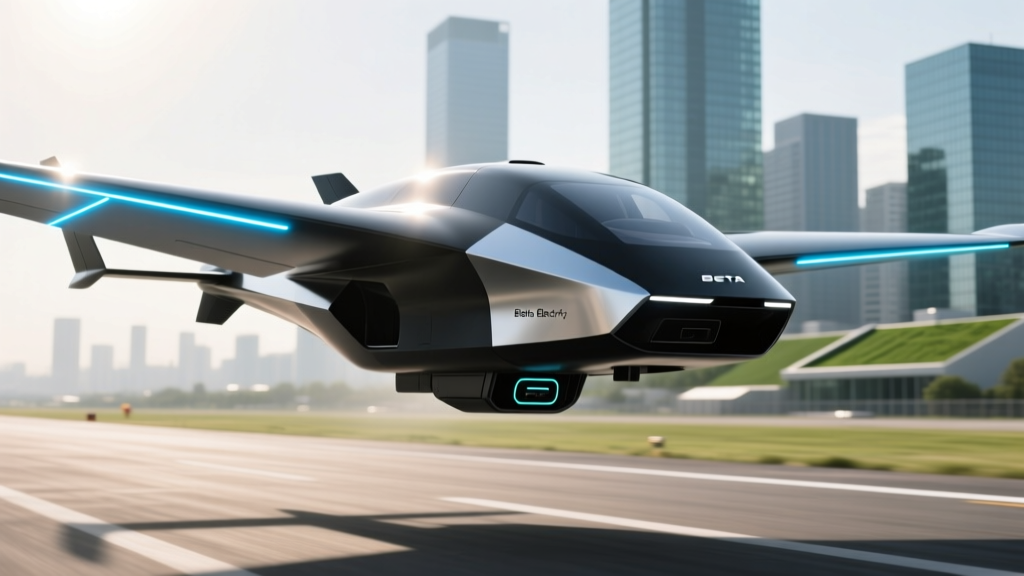
Beta Technologies, headquartered in Burlington, Vermont, is an aerospace company founded in 2017 that designs and manufactures electric aircraft and the ground charging infrastructure to support them. Their flagship product, the ALIA-250, is a conventional takeoff and landing (CTOL) electric airplane — not an eVTOL (electric vertical takeoff and landing) air taxi like Joby or Archer. The ALIA-250 uses a single large propeller, fixed wings, and a battery-electric powertrain.
The name "250" references the aircraft's original target range: 250 nautical miles (roughly 288 statute miles). The aircraft seats up to six occupants (pilot plus five passengers or cargo equivalent) and is designed for short-haul regional missions — think Burlington to Boston, or inter-island hops in Hawaii.
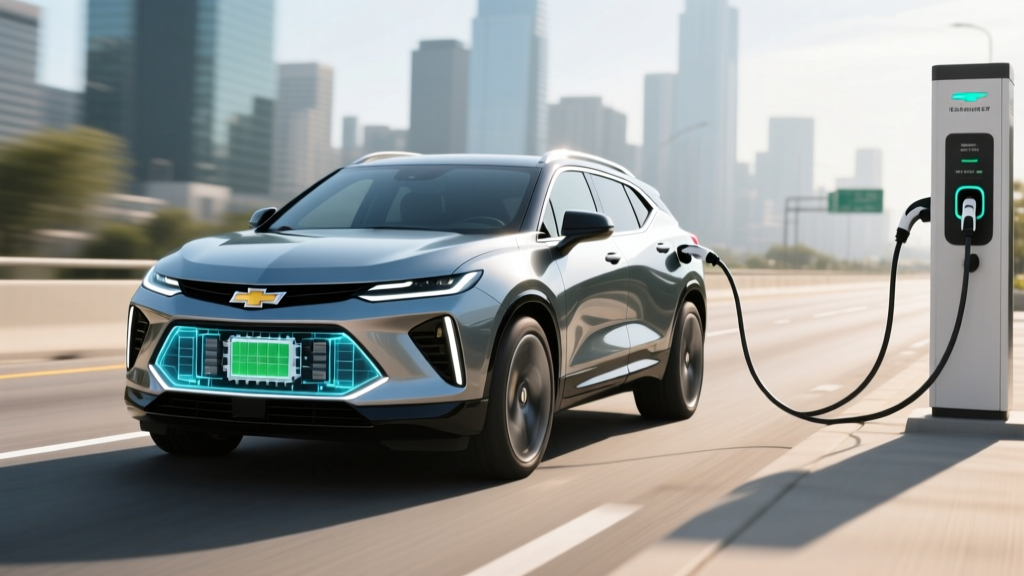
Beta has also developed a multimodal charging network — ground stations that can charge both their aircraft and electric ground vehicles, including EVs and electric delivery vans. This is where the technology crossover becomes relevant to EV owners.
Beta ALIA-250 Specs: How the Numbers Compare to Your EV
Understanding Beta's electric aircraft requires translating aviation specs into EV-familiar terms. Here's how the ALIA-250 stacks up against a typical long-range EV:
| Specification | Beta ALIA-250 (Estimated) | Tesla Model Y LR (2026 Reference) |
|---|---|---|
| Usable Battery Capacity | ~250 kWh (NMC lithium-ion) | 75 kWh (NMC/NCA) |
| Range | ~250 nmi (288 mi) at cruise | 320 mi (EPA) |
| Charge Power (Peak DC) | ~600 kW (multimodal charger) | 250 kW (Supercharger V4) |
| 10-80% Charge Time | ~25-30 minutes (target) | ~18 minutes |
| Powertrain Output | ~600 HP (single electric motor) | 384 HP (dual motor AWD) |
| Passenger/Cargo Capacity | 6 seats or ~1,250 lbs cargo | 5 seats, 76 cu ft cargo |
| Purchase Price | Not publicly listed (operator leasing expected) | $44,990 MSRP (base LR) |
The ALIA-250's battery pack is roughly 3.3x larger than a Tesla Model Y's, which makes sense given the energy demands of sustained flight. Aviation requires continuous high power output — unlike a car that cruises at a fraction of its peak horsepower, an airplane's motor runs near rated output for the entire flight. This means battery degradation profiles, thermal management demands, and charging protocols differ significantly from automotive applications.
The Charging Infrastructure Crossover: Why EV Owners Should Care
Beta's most strategically interesting move isn't the aircraft — it's the multimodal charging station. Beta has deployed charging pads at airports and logistics hubs that can simultaneously serve:
- The ALIA-250 aircraft (via a high-power aviation connector)
- Ground-based EVs using CCS or NACS connectors
- Electric delivery vans and ground support equipment
These stations deliver up to 600 kW on the aviation side and standard DC fast charging (up to 350 kW) for ground vehicles. Beta has installed chargers at locations including Burlington International Airport (KBTV) and partner logistics hubs, with plans to expand along cargo route corridors.
| Charging Mode | Power (kW) | Connector | Miles Added per Hour* |
|---|---|---|---|
| Beta Aviation Pad (Aircraft) | ~600 kW | Proprietary aviation plug | N/A (aviation metric) |
| Beta Ground EV Charger (DC Fast) | Up to 350 kW | CCS1 / NACS | ~800-1,000 mi/hr (sedan equivalent) |
| Standard DC Fast (Electrify America) | Up to 350 kW | CCS1 | ~700-900 mi/hr |
| Tesla Supercharger V4 | Up to 250 kW | NACS | ~600-800 mi/hr |
*Miles per hour vary by vehicle efficiency. Aviation range metrics use nautical miles and energy-per-distance, not directly comparable.
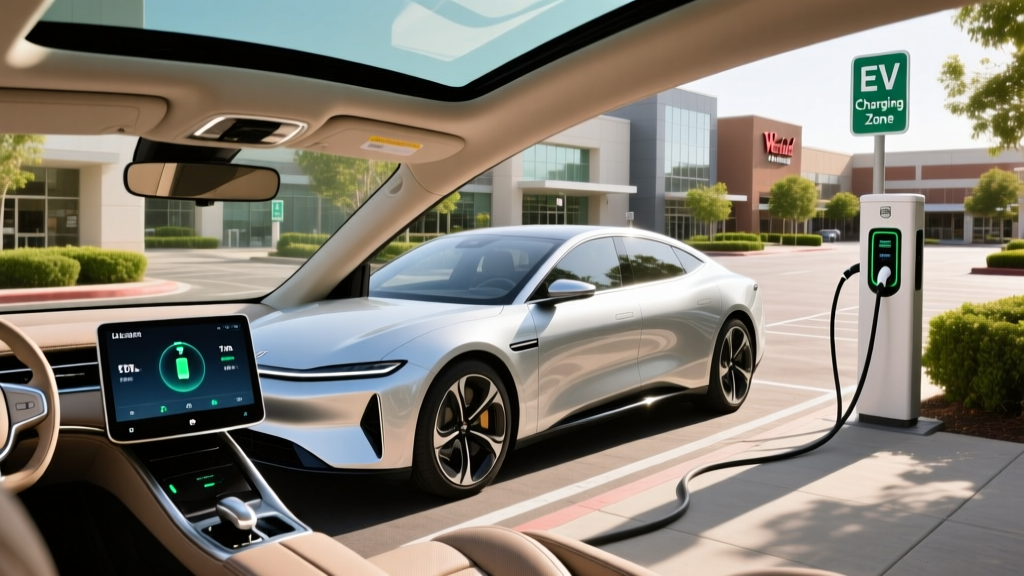
For EV owners, Beta's ground-side chargers at airports could eventually function as destination DC fast-charging stations — useful if you're dropping someone at the airport and need a quick top-up. Beta has indicated openness to making their ground chargers accessible to public EV networks, though as of 2026, most installations remain at secured aviation facilities.
EV vs. Electric Aircraft: Real Cost and Ownership Comparison
While you can't buy an ALIA-250, comparing the economics of electric flight to electric ground transport reveals where the technology is heading — and what it costs to operate each.
| Cost Factor | EV (2026 Tesla Model Y LR) | Gas Car (2026 Toyota RAV4) | Electric Aircraft (Beta ALIA-250, Operator Estimate) |
|---|---|---|---|
| Upfront Cost | $44,990 MSRP | $30,090 MSRP | Multi-million (lease/contract model) |
| Energy Cost per Mile | ~$0.04-$0.06 (home L2, $0.14/kWh avg) | ~$0.12-$0.15 ($3.30/gal, 28 MPG) | ~$0.25-$0.40 per nmi (est. commercial electricity) |
| Maintenance Cost per Year | ~$400-$600 | ~$900-$1,200 | Significantly lower than turbine aircraft (est. 40-60% reduction) |
| Fuel/Energy Savings vs. Gas/Turbine | ~60-70% vs. gas per mile | Baseline | ~50-70% vs. turbine avg (Jet-A fuel) |
| Federal Tax Credit (§30D) | Up to $7,500 (income/MSRP/sourcing rules apply) | None | Not eligible (§30D is for on-road vehicles) |
The key takeaway: electric aircraft promise the same operating cost advantage over turbine planes that EVs hold over gas cars. Beta has stated that the ALIA-250's direct operating cost is roughly 50-70% lower than a comparable turboprop on short-haul routes, primarily due to electricity being cheaper than Jet-A fuel and electric motors requiring far less maintenance than turbine engines.
Battery Technology: What Beta's Pack Tells Us About EV Futures
Beta's ALIA-250 uses a large-format NMC (nickel manganese cobalt) lithium-ion battery pack — the same chemistry found in most long-range EVs from Tesla, Hyundai, and Ford. The pack is liquid-cooled, modular, and designed for rapid swap capability in future operations (though current operations rely on plug-in charging).
Key battery details relevant to EV owners watching this space:
- Energy density matters more in aviation: Every pound of battery reduces payload. Beta's pack engineering pushes energy density limits that eventually trickle down to automotive applications.
- Cycle life requirements are extreme: Aviation batteries must maintain capacity over thousands of deep discharge cycles with zero tolerance for sudden degradation — a higher bar than automotive warranty standards (typically 70% retention at 8 years/100,000 miles per fueleconomy.gov guidelines).
- Thermal management is critical: Sustained high-C-rate discharge during flight generates significant heat. Beta's cooling system design informs the next generation of EV thermal management for sustained high-speed driving and repeated DC fast charging.
| Myth | Fact |
|---|---|
| "Beta's electric aircraft can be bought like an EV" | The ALIA-250 is sold/leased to commercial operators (cargo carriers, hospitals, militaries). No consumer purchase option exists in 2026. |
| "Electric planes have the same range anxiety as EVs" | Aviation flight planning is far more regimented than driving. Routes are pre-calculated with reserves. Range is a planning constraint, not a surprise. |
| "EV batteries can be used in aircraft" | Automotive-grade cells can share chemistry, but aviation packs require FAA-certified redundancy, containment, and testing standards far beyond automotive UL/UN38.3. |
| "Beta chargers will replace Tesla Superchargers" | Beta's ground chargers are at airports, not highway corridors. They supplement — not replace — the public DC fast-charging network. |
| "Electric aircraft qualify for the $7,500 EV tax credit" | IRS §30D applies to qualified on-road plug-in vehicles. Aircraft do not qualify. See IRS clean vehicle credit rules. |
Decision Framework: What This Means for You as an EV Owner
If you searched "beta electric aircraft" because...
- You want to buy one: You can't, as a consumer. Beta sells to commercial operators. Follow Beta Technologies for operator partnership announcements.
- You're curious about the technology crossover: Beta's NMC pack engineering and 600 kW charging infrastructure will inform next-gen EV fast-charging standards. Watch for Beta ground chargers appearing at regional airports near you.
- You're an EV owner near a Beta charging location: Check whether Beta's multimodal chargers at your local airport offer public EV access. As of 2026, most are restricted, but expansion plans may change this.
- You're comparing EVs to future electric air taxis: Ground EVs remain the practical, purchasable, tax-credit-eligible choice today. Electric air taxis (Joby, Archer, Beta) are years from consumer-relevant service availability and will operate as ride-hail, not personal ownership.
- You're investing in EV/battery tech: Beta's battery and charging IP is privately held. The supply chain (NMC cell manufacturers, power electronics firms) overlaps with publicly traded EV suppliers.
Real-World Ownership Considerations: Ground EVs Remain the Practical Choice
While electric aviation is advancing rapidly, the practical electrification decision for 2026 buyers remains ground-based. Here's what to weigh:
- Home charging access: If you can install a Level 2 charger (240V, 7-11.5 kW, typically $500-$2,000 installed depending on panel capacity), an EV is the lowest-cost daily driver. Electric aircraft won't change this calculus.
- Climate considerations: EVs lose 15-30% range in sub-freezing temperatures. Beta's aircraft face similar cold-weather battery challenges but mitigate them through aviation-grade thermal preconditioning — tech that's gradually appearing in EVs like the Hyundai Ioniq 5 and Tesla Model Y heat pump systems.
- Driving patterns: If 90%+ of your driving is under 200 miles round-trip, a modern EV (250-350 mi EPA range) covers your needs with home charging. Long road trips require DC fast-charging route planning — a solved problem on major corridors via Tesla Supercharger, Electrify America, and EVgo networks.
- Total cost of ownership: A 2026 EV at ~$45,000 MSRP, minus up to $7,500 in federal tax credits (subject to IRS §30D eligibility including income caps, MSRP limits, and battery sourcing requirements), plus $0.05/mi electricity vs. $0.13/mi gas, typically breaks even with a gas car within 3-5 years depending on mileage.
Frequently Asked Questions
Can I buy a Beta ALIA-250 electric aircraft as a private owner?
No. As of 2026, Beta Technologies sells and leases the ALIA-250 to commercial operators including cargo carriers (UPS is a known partner), emergency medical services, and military/government entities. There is no consumer purchase program, and the aircraft requires FAA type certification (still in progress) and pilot certification to operate.
Does Beta Technologies make EV chargers I can use?
Beta manufactures multimodal charging stations that include ground-side EV chargers (CCS/NACS compatible). However, most installations are at airports and logistics facilities with restricted access. Beta has not announced a public retail charging network comparable to Electrify America or Tesla Superchargers.
How does Beta's aircraft battery compare to my EV battery?
Beta uses NMC lithium-ion cells similar to those in long-range EVs, but in a much larger pack (~250 kWh vs. ~75 kWh in a Tesla Model Y). Aviation packs require higher discharge rates, more redundant safety systems, and FAA certification. The chemistry is the same; the engineering standards are substantially more rigorous.
Will electric aircraft technology make my EV obsolete?
No. Electric aircraft and ground EVs serve fundamentally different use cases. The technology crossover is in battery chemistry, thermal management, and high-power charging — advances that improve both sectors. Your EV won't be replaced by an aircraft; it may benefit from aviation-driven battery R&D over time.
Is Beta Technologies the same as an eVTOL company like Joby Aviation?
No. Beta's ALIA-250 is a CTOL (conventional takeoff and landing) aircraft — it uses a runway like a traditional airplane. eVTOL companies like Joby and Archer build vertical-takeoff air taxis designed for urban hops without runways. Beta has explored VTOL variants but its primary certification path is CTOL.
What EV should I buy today if I'm interested in electric aviation technology?
If you value cutting-edge battery and charging tech, vehicles with advanced thermal management and fast-charge capability mirror aviation priorities. The Hyundai Ioniq 5 (800V architecture, 240 kW peak DC charge, 10-80% in ~18 min) and Tesla Model Y (250 kW Supercharger access) represent the closest ground-vehicle analogs to aviation-grade fast-charging performance. Both are eligible for up to $7,500 in federal tax credits under current IRS §30D rules, subject to income, MSRP, and battery sourcing requirements.