Quick Answer: Are Ex-Rental Avis Electric Cars a Good Buy?
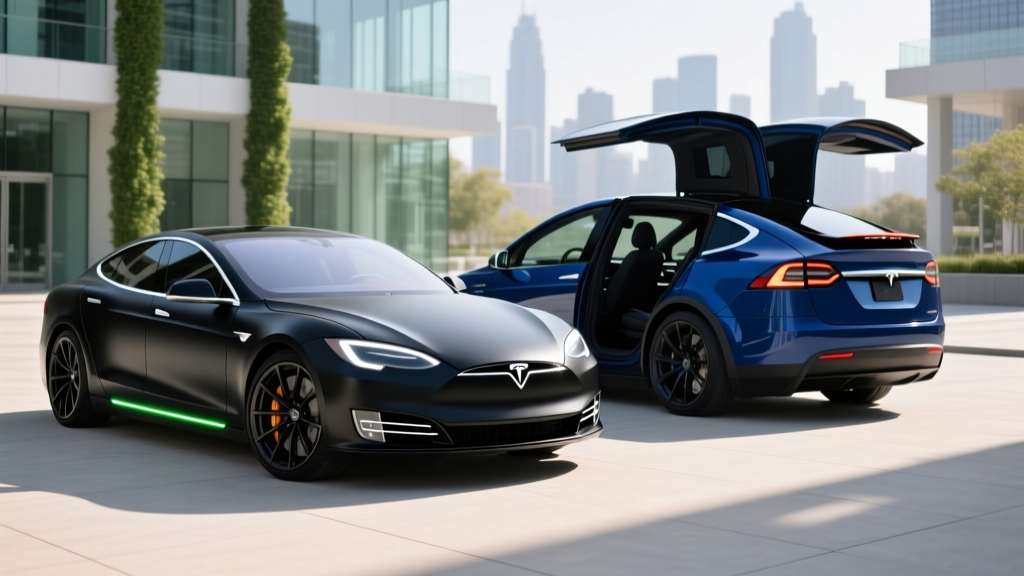
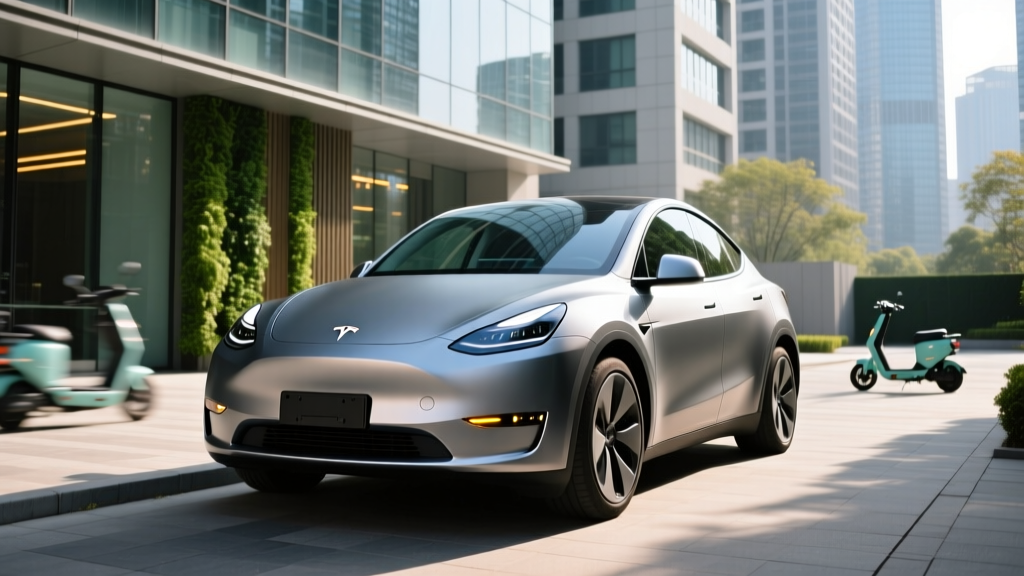
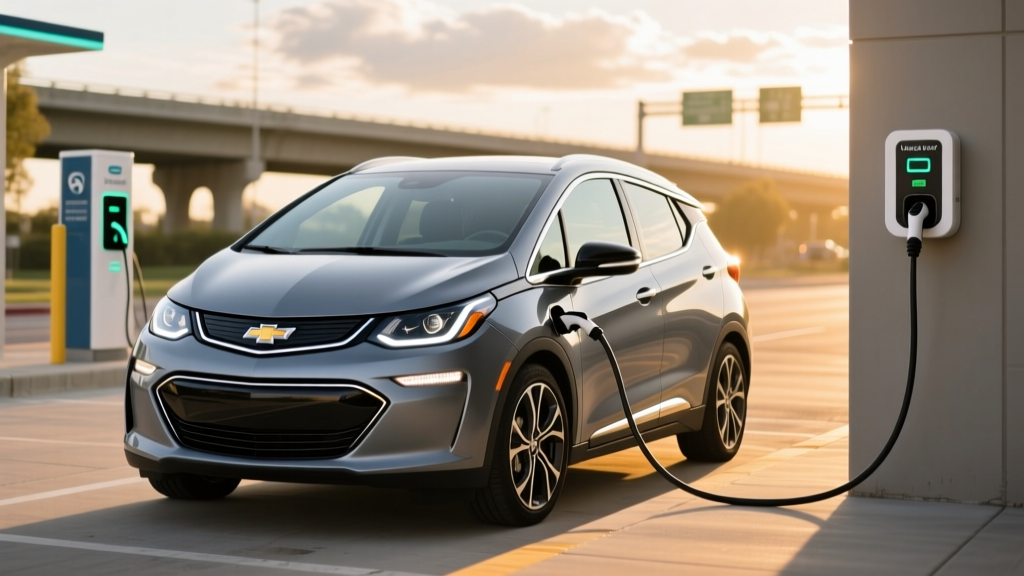
Yes — but only if you verify battery State of Health (SoH) and understand that used EVs purchased from rental fleets do not qualify for the federal §30D new-vehicle tax credit. Avis has been selling off large volumes of Tesla Model Y, Chevrolet Bolt EV/EUV, Ford Mustang Mach-E, and Hyundai Ioniq 5 units since 2023, and these ex-rental EVs typically list 15–30% below equivalent private-party used prices. Expect a 2023 Tesla Model Y Long Range from Avis to run $24,000–$28,000 depending on mileage (often 30,000–55,000 miles). The catch: rental fleet vehicles see frequent DC fast charging, aggressive acceleration by renters, and minimal pre-conditioning discipline — all of which can accelerate battery degradation by 2–5% over normal ownership. Always pull a battery health report before purchasing.
Why Avis Is Selling Electric Cars in the First Place
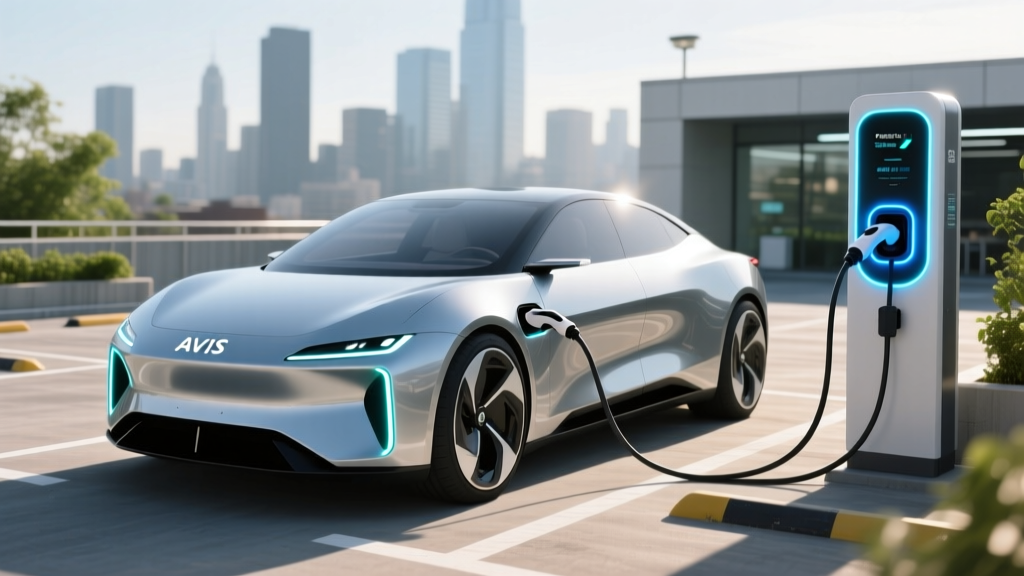
In early 2023, Hertz (Avis's parent competitor) made headlines by ordering 100,000 EVs, primarily Teslas. Avis Budget Group followed a more measured electrification strategy, adding several thousand EVs across Model Y, Bolt EUV, Mach-E, and Ioniq 5 nameplates to select metro airport locations. By 2025, the rental industry collectively recognized two hard truths:
- Repair costs for EVs after minor collisions are 30–50% higher than gas equivalents due to high-voltage safety protocols and battery-pack proximity inspections.
- Residual values for used EVs dropped sharply in 2024–2025 as Tesla cut new-vehicle prices and the used-EV market flooded with off-lease units.
The result: Avis and other fleets are rotating EVs out of service faster than their traditional 3–4 year cycle, often at just 18–30 months and 25,000–55,000 miles. This creates a buyer's market for ex-rental EVs in 2026.
What Avis Electric Cars Actually Cost vs. New Equivalents
Here's what you'll find on Avis Car Sales (aviscarsales.com) and wholesale auction sites in early 2026, compared against new MSRP and the private used-EV market:
| Model (Typical Year) | Avis Used Price | New MSRP (2026) | Private Used Avg. | Typical Mileage |
|---|---|---|---|---|
| Tesla Model Y LR (2023) | $24,000–$28,000 | $44,990 | $27,000–$31,000 | 35,000–55,000 |
| Chevrolet Bolt EUV (2023) | $16,500–$19,500 | Discontinued | $18,000–$21,000 | 25,000–45,000 |
| Ford Mustang Mach-E Select (2023) | $21,000–$25,000 | $42,995 | $24,000–$28,000 | 30,000–50,000 |
| Hyundai Ioniq 5 SEL (2023) | $22,000–$26,000 | $42,600 | $25,000–$29,000 | 30,000–48,000 |
Key insight: The Bolt EUV represents the best value gap. Since Chevrolet discontinued the Bolt after 2023 (a next-gen Bolt is expected for 2027), used prices hold relatively steady, and Avis pricing undercuts the private market by $1,500–$2,500. The Model Y discount is narrower because Tesla's aggressive new-vehicle pricing compressed the entire used market.
The Tax Credit Problem: Used EV Credits vs. New
This is where most Avis EV buyers get tripped up. Under current IRS §30D rules, the $7,500 new clean vehicle credit does not apply to used purchases — period. Avis sells used vehicles, so you will never receive the new-vehicle credit on an ex-rental.
However, a separate Used Clean Vehicle Credit (§25E) exists:
- Credit amount: 30% of the sale price, up to a maximum of $4,000
- Vehicle price cap: Sale price must be $25,000 or less
- Vehicle age: Must be at least 2 model years old (2024 or older in 2026)
- Buyer income caps: AGI ≤ $75,000 single / $112,500 head of household / $150,000 joint
- Dealer requirement: Must be purchased from a licensed dealer (Avis Car Sales qualifies)
- One-time use: The specific VIN can only claim the used credit once every 3 years
Practical impact: A 2023 Bolt EUV from Avis at $18,500 nets you a $4,000 credit (30% × $18,500 = $5,550, capped at $4,000), bringing your effective cost to $14,500. That's arguably the cheapest 250+ mile EV in America. A 2023 Model Y at $27,000, however, exceeds the $25,000 sale-price cap — no credit applies.
Battery Health: The Rental-Fleet Degradation Question
This is the single most important factor when buying any ex-rental EV. Rental vehicles experience usage patterns that differ significantly from personal ownership:
| Concern | Reality |
|---|---|
| "Renters always DC fast charge" | Partly true. Renters without home charging rely on DC fast charging. Expect 60–80% of charging events to be DCFC on rental EVs, vs. ~15% for home-charging owners. Frequent DCFC adds ~1–3% additional degradation over 50,000 miles vs. primarily Level 2 charging. |
| "Renters floor it constantly" | Exaggerated. While EVs do see harder acceleration in rental use, modern battery management systems (BMS) limit peak discharge rates. The larger wear factor is fast charging heat, not acceleration. |
| "The battery will be shot" | False for most. NMC batteries from Tesla, Hyundai, and Ford typically show 5–10% degradation at 50,000 miles even with heavy DCFC use. LFP batteries (some Tesla Model Y Standard Range) degrade even less — typically 3–6% at 50,000 miles. |
| "I can't check battery health before buying" | False. Tesla's in-car battery health screen shows rated range vs. original. For non-Teslas, request an OBD-II battery SoH report from the Avis lot or use a service like Recurrent or AVILOO. |
Real-World Range Expectation for a 2023 Model Y LR from Avis
EPA original rating: 330 miles (new).
Expected at ~45,000 miles with rental DCFC history: ~300–310 miles rated range (6–9% degradation).
Real-world highway (70 mph, 75°F): ~265–280 miles.
Real-world highway (30°F, winter): ~210–235 miles.
Source: EPA fueleconomy.gov + Recurrent fleet data.
Total Cost of Ownership: Avis EV vs. Comparable Gas Car
Let's compare a realistic scenario: a 2023 Bolt EUV from Avis at $18,500 (after $4,000 used credit: $14,500 effective) versus a 2023 Honda Civic EX (gas) at ~$20,000 used. Both driven 12,000 miles/year for 5 years, with home Level 2 charging available.
| Cost Category (5 Years) | Bolt EUV (Avis) | Honda Civic EX (Used) |
|---|---|---|
| Effective Purchase Price | $14,500 | $20,000 |
| Fuel/Energy (60k miles) | $2,700 (home L2, $0.14/kWh avg) | $7,200 (33 MPG avg, $3.30/gal) |
| Maintenance | $1,200 (cabin filter, tires, wiper fluid) | $3,800 (oil, filters, brakes, belts) |
| Insurance (avg.) | $9,500 ($1,900/yr — EVs carry 15–25% premium) | $7,500 ($1,500/yr) |
| Estimated Depreciation | $6,500 (to ~$8,000 resale) | $8,000 (to ~$12,000 resale) |
| 5-Year Total | $34,400 | $46,500 |
Net 5-year savings with the Avis Bolt EUV: ~$12,100. The savings come primarily from the low effective purchase price (after the used credit), dramatically lower fuel costs, and reduced maintenance. The insurance premium for EVs partially offsets this — expect to pay 15–25% more for collision coverage on an EV due to higher repair costs.
Important caveat: If you lack home charging and must rely entirely on public DC fast charging at $0.35–$0.55/kWh, the Bolt's fuel cost jumps to $5,200–$8,200 over 5 years, narrowing the gap to $4,000–$7,000 in total savings. Home charging access is the single biggest variable in EV ownership economics.
Decision Framework: Should You Buy an Avis Electric Car?
Buy From Avis If:
- You have home Level 2 charging (or can install it for $500–$1,800). This is non-negotiable for cost savings and battery longevity.
- Your budget is $15,000–$28,000 and you want a relatively modern EV with 200+ miles of range.
- You qualify for the $4,000 used-EV credit (income ≤ $75k single / $150k joint, vehicle ≤ $25,000).
- You're comfortable buying a fleet vehicle with higher-than-average DCFC history and multiple prior drivers.
- You can verify battery SoH before purchase (Tesla in-car screen, OBD-II scan for others).
- Your daily commute is under 150 miles round-trip, leaving adequate range buffer for weather and detours.
Look Elsewhere If:
- You rely solely on apartment/curbside parking with no reliable overnight charging access.
- You want the full $7,500 new-vehicle tax credit — you'll need to buy new from a franchised dealer.
- You frequently drive 300+ mile trips in cold weather and need maximum range confidence.
- You want a full vehicle history with single-owner records. Fleet titles aren't "salvage," but they can complicate resale.
- The specific Avis unit shows >12% battery degradation on a pre-purchase SoH check — walk away.
What to Inspect Before Buying Any Ex-Rental EV
Treat an Avis EV purchase like any used-car transaction, but add these EV-specific checkpoints:
- Battery State of Health (SoH): Request a diagnostic report. Acceptable: ≥90% SoH at under 50,000 miles. Concerning: <87% SoH.
- DC fast charge test: Plug into a 50+ kW DCFC station. The car should accept its rated peak charge rate (e.g., 150 kW for Ioniq 5, 115 kW for Bolt EUV) within 2–3 minutes of plugging in when battery is between 10–30% SoC.
- Tire wear: EVs are heavier and produce instant torque. Rental EVs often need tires at 30,000–40,000 miles. Budget $600–$1,200 for a new set if tread is below 4/32".
- Charge port condition: Inspect the CCS/NACS port for scorch marks, bent pins, or loose fit. A damaged port costs $800–$2,000 to replace.
- Coolant system: EV battery thermal management uses glycol coolant loops. Ask for service records showing coolant was checked/flushed per manufacturer intervals.
- Warranty remaining: All EVs carry a federally mandated 8-year/100,000-mile battery warranty (capacity must remain above 60–70% depending on manufacturer). A 2023 model with 45,000 miles still has ~5 years and 55,000 miles of battery coverage.
Frequently Asked Questions
Does Avis offer any warranty on their used electric cars?
Avis Car Sales typically offers a limited powertrain warranty (often 12 months/12,000 miles) on vehicles sold through their retail site. The original manufacturer's 8-year/100,000-mile battery and powertrain warranty transfers to subsequent owners regardless of whether the car was a rental. Confirm the remaining factory warranty by running the VIN through the manufacturer's warranty lookup tool.
Are ex-rental EVs more degraded than ex-lease EVs?
Slightly, yes. Data from Recurrent, which tracks over 10,000 EVs, shows that vehicles with frequent DC fast charging (common in rental use) degrade 2–4% more at 50,000 miles than vehicles charged primarily on Level 2 at home. However, modern battery thermal management systems (especially in the Ioniq 5 and Model Y) have narrowed this gap significantly. The difference between a rental and a lease EV at 40,000 miles is often just 2–3% SoH — not a dealbreaker.
Can I get the $4,000 used EV tax credit as a point-of-sale discount?
Yes. As of 2024, the §25E used clean vehicle credit can be transferred to the dealer at the point of sale, reducing your purchase price directly rather than waiting to claim it on your tax return. Avis Car Sales participates in the IRS Energy Credits Online system. Confirm with the Avis sales representative at the time of purchase that they will process the transfer — you'll need to provide income attestation.
Which Avis electric car is the best value in 2026?
The 2023 Chevrolet Bolt EUV at $16,500–$19,500 is the standout value. With 247 miles of EPA range, a usable 65 kWh NMC battery, and eligibility for the full $4,000 used credit (bringing effective cost to ~$13,500–$15,500), it's the cheapest way into a modern, practical EV. Its main limitation is DC fast charging speed — peak 55 kW, meaning a 10–80% charge takes ~45 minutes. If road-trip charging speed matters, the Hyundai Ioniq 5 (peak 235 kW, 10–80% in ~18 minutes) is the better pick at ~$22,000–$26,000.
What if the Avis EV battery fails out of warranty?
Out-of-warranty EV battery replacement costs range from $8,000–$18,000 depending on the model and whether you source a new, remanufactured, or used pack. However, catastrophic battery failure before 100,000 miles is rare. According to data from fueleconomy.gov and manufacturer reports, fewer than 1–2% of EV batteries require full replacement under 100,000 miles. Gradual degradation to 80–85% capacity at 100,000 miles is the normal expectation, not sudden failure.