Quick Verdict: The Stealth-Luxe Grand Tourer
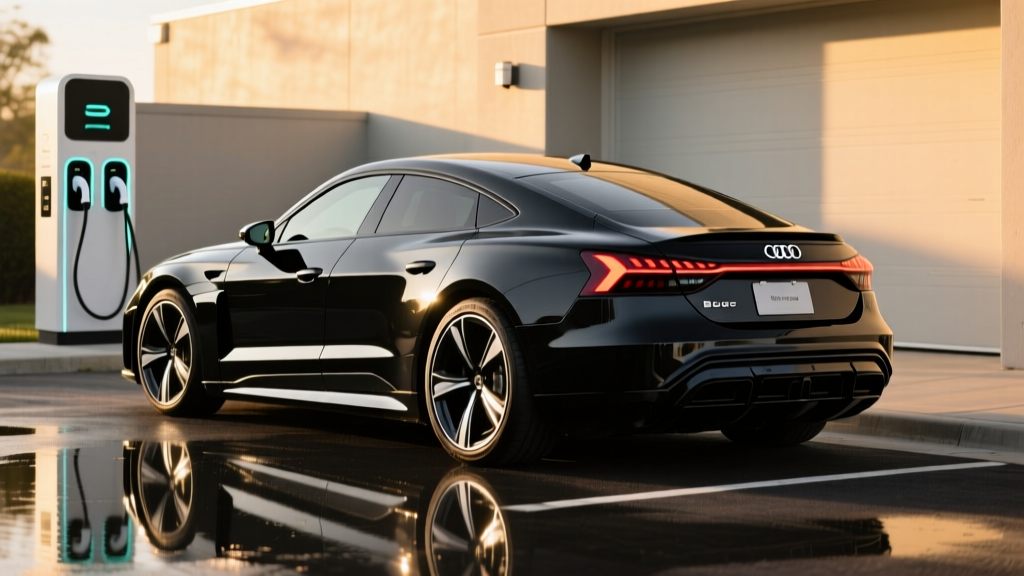
The 2026 Audi e-tron GT with the Black Optic package continues to occupy a rare niche: a luxury electric grand tourer that prioritizes composure and build quality over headline-grabbing acceleration figures. Built on the same J1 platform as the Porsche Taycan at Audi's Böllinger Höfe plant in Germany, the e-tron GT pairs an 84 kWh (net usable) NMC lithium-ion battery with a dual-motor all-wheel-drive system producing 522 horsepower in standard form. The Black Optic package adds a blacked-out exterior trim treatment — gloss-black mirror caps, window surrounds, and badge deletes — giving the already-sculpted body a more menacing, understated presence.
This is not the fastest EV in its class. It is, however, one of the most refined. If you value panel-gap precision, cabin isolation, and 800-volt charging architecture over 0-60 bragging rights, the e-tron GT Black Optic deserves a close look. Here are the numbers that matter.
| Spec | Value |
|---|---|
| EPA Range (est.) | 238 miles |
| Battery (net usable) | 84 kWh, NMC chemistry |
| Drivetrain | Dual-motor AWD (quattro) |
| Horsepower | 522 hp (637 hp w/ launch control) |
| 0–60 mph | 3.9 seconds |
| Max DC Fast Charge | 270 kW peak |
| 10–80% DC Charge Time | ~22 minutes |
| Level 2 Home Charge Rate | 11 kW (AC) |
| EPA Efficiency | 82 MPGe combined |
| Base MSRP | $106,500 (before options/destination) |
| Battery Warranty | 8 years / 100,000 miles |
Range and Efficiency: What the EPA Number Doesn't Tell You
EPA sticker: 238 miles (combined cycle)
Highway-dominant driving (70–80 mph): Expect ~195–215 miles
Cold weather (below 32°F): Expect ~170–195 miles without preconditioning
Best-case city/mixed with regen: ~230–245 miles
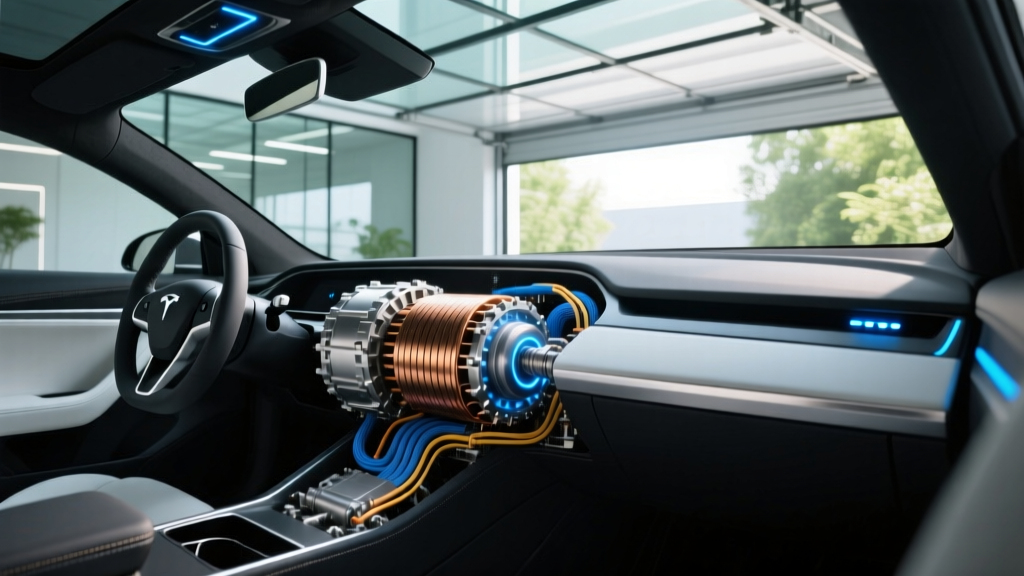
The e-tron GT's 84 kWh usable battery sits in a low-slab configuration between the axles, contributing to a low center of gravity. The NMC (nickel manganese cobalt) chemistry favors energy density over the cycle-life advantages of LFP, which is typical for performance-oriented luxury EVs. EPA data from fueleconomy.gov lists the combined efficiency at 82 MPGe, or roughly 41 kWh per 100 miles driven.
In practice, the J1 platform's 800-volt architecture and standard heat pump help mitigate cold-weather losses. On a 65°F day with mixed driving, owners consistently report achieving 90–95% of the EPA sticker. But sustained highway speeds above 75 mph — the kind of driving this GT was arguably designed for — will drop range noticeably. If your typical road trip involves 75 mph cruise on I-95, plan for charging stops at roughly the 190-mile mark to keep a comfortable buffer.
Charging Performance: 800-Volt Architecture Pays Off
The e-tron GT's J1 platform shares its 800-volt electrical architecture with the Porsche Taycan and Hyundai Ioniq 5, enabling DC fast-charge rates that most 400-volt competitors simply cannot match.
| Charge Level | Power | Time / Rate | Connector |
|---|---|---|---|
| Level 1 (120V household) | ~1.4 kW | ~3–4 miles per hour | J1772 adapter |
| Level 2 (240V home) | 11 kW | ~9 hours (0–100%), ~30 mi/hr | J1772 / NACS adapter |
| DC Fast Charge | 270 kW peak | 10–80% in ~22 min | CCS1 (NACS via adapter) |
The 270 kW peak charge rate is among the highest available in the luxury EV segment. However, as with all EVs, peak kW is not sustained kW. The charge curve tapers meaningfully above 55–60% State of Charge (SoC). Expect the full 270 kW only between roughly 10–35% SoC; from 35–55%, rates settle to ~200 kW, and above 80%, the rate drops below 80 kW to protect the battery. This is why manufacturers quote 10–80% times rather than 0–100%.
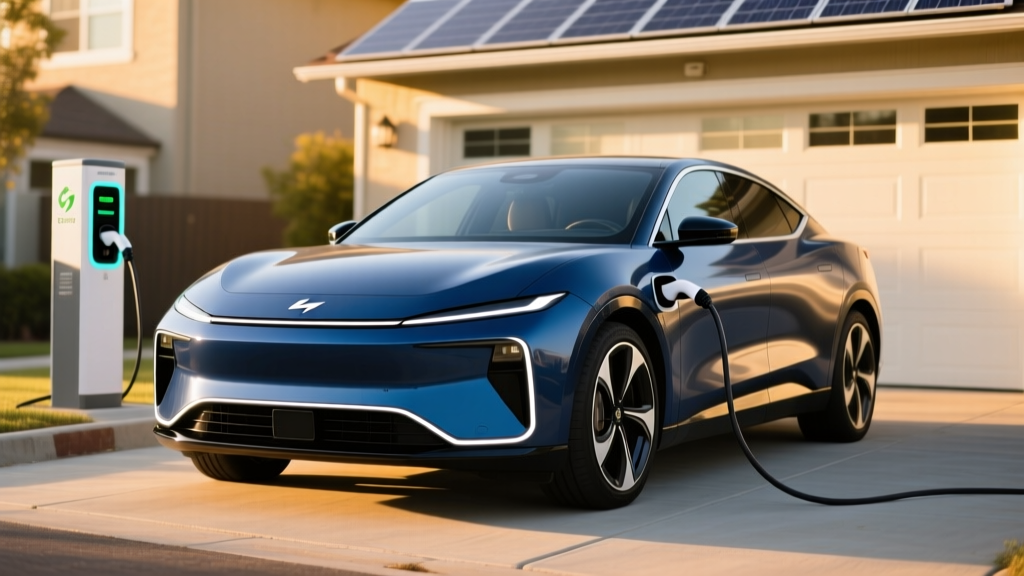
For home charging, the onboard 11 kW AC charger means a full charge from empty takes roughly 9 hours on a properly installed Level 2 station — easily achievable overnight. Audi includes a portable charging cable with the vehicle. If you're installing a dedicated home Level 2 charger, budget $500–$1,200 for a quality 48-amp hardwired unit and $800–$2,500 for electrician labor and permits, depending on whether your electrical panel needs an upgrade.
Preconditioning tip: The e-tron GT's navigation-integrated battery preconditioning warms the battery pack ahead of a planned DC fast-charge stop. Always enter your charging destination in the nav system before arriving — this can shave 5–8 minutes off your charge session in cold weather by bringing the pack to optimal temperature.
Performance: 522 HP of Effortless Quattro
The dual-motor quattro drivetrain delivers 522 horsepower in normal driving, with a launch-control boost function that temporarily unlocks 637 hp for maximum-acceleration starts. The 3.9-second 0–60 mph time puts it behind the Tesla Model S Plaid (1.99s) and Porsche Taycan Turbo S (2.4s), but ahead of the BMW i4 M50 (3.7s is close) and comfortably quicker than most luxury sedans.
Where the e-tron GT distinguishes itself is not in straight-line sprints but in how it delivers power. The two-speed rear transmission — a rarity among EVs — allows the rear motor to optimize efficiency at highway speeds while still providing aggressive torque multiplication off the line. The result is a car that feels genuinely relaxed at 85 mph yet responds instantly when you need passing power at 60 mph.
Adaptive air suspension is standard, offering comfort, auto, and dynamic modes with adjustable ride height. The GT sits 15 mm lower in dynamic mode, and the system can raise the nose for steep driveways. Steering is precise but deliberately weighted toward comfort rather than the razor-sharp feedback of the Taycan 4S. This is a grand tourer, not a track car, and the tuning reflects that.
Interior, Tech, and the Black Optic Treatment
The Black Optic package is primarily an exterior appearance upgrade: gloss-black mirror housings, black window trim, black Audi rings and model badging, and available 20-inch or 21-inch black-finished wheels. Inside, the cabin carries Audi's familiar design language — a 10.1-inch upper touchscreen for infotainment, an 8.6-inch lower screen for climate controls, and the 12.3-inch Virtual Cockit digital instrument cluster.
Cargo and passenger space:
- Rear trunk: 12.9 cubic feet (with 40/20/40 split-folding rear seats for longer items)
- Front trunk (frunk): 3.5 cubic feet (enough for a charging cable bag and small duffel)
- Rear legroom: 33.5 inches (tight for passengers over 6'0" on long trips)
- Front headroom: 38.0 inches
The cargo situation is the e-tron GT's most practical limitation. With just 16.4 cubic feet total, it trails the Tesla Model S (28 cu ft trunk + 5.4 cu ft frunk) and the Lucid Air (32 cu ft combined) significantly. This is a two-plus-two grand tourer, not a family hauler. Weekend trips for two are fine; family-of-four road trips require careful packing.
Standard tech and driver assists:
- Adaptive cruise assist (Level 2 SAE automation — requires driver supervision at all times)
- Audi pre sense front and rear collision mitigation
- Lane departure warning with active lane keeping
- Surround-view camera with 3D rendering
- Wireless Apple CarPlay and Android Auto
- Matrix-design LED headlights with dynamic turn signals
- Available head-up display with navigation overlay
Pricing, Trims, and Federal Tax Credit Eligibility
| Trim | Base MSRP | As-Tested (typical options) | Federal §30D Credit Eligible? |
|---|---|---|---|
| e-tron GT Premium Plus | $106,500 | $112,000–$118,000 | No — exceeds $55,000 sedan MSRP cap |
| e-tron GT Prestige | $113,200 | $120,000–$128,000 | No — exceeds $55,000 sedan MSRP cap |
The hard truth on the federal EV tax credit: The Audi e-tron GT does not qualify for the $7,500 federal tax credit under IRS §30D. The law caps eligible sedans at an MSRP of $55,000, and the e-tron GT's starting price is nearly double that threshold. There is no workaround — even the base Premium Plus trim far exceeds the cap.
However, buyers may still benefit from:
- State and local incentives: Some states offer their own EV rebates or tax credits with higher MSRP caps (check your state's energy office or DMV for current programs).
- Employer or utility rebates: Certain utility companies offer $500–$1,500 rebates for EV purchases or home charger installations.
- Lease loophole (§45W): If you lease rather than buy, the lessor (the leasing company) may receive the $7,500 commercial clean vehicle credit and may pass some savings through as a lower monthly payment. This is not guaranteed — negotiate explicitly.
For the latest federal credit rules including income caps ($300K joint / $150K single filer), battery sourcing requirements, and point-of-sale transfer options, consult the IRS clean vehicle credit page or a qualified tax professional.
Ownership Costs and Warranty
Audi covers the e-tron GT's high-voltage battery and electric powertrain for 8 years or 100,000 miles (whichever comes first), with a capacity retention threshold of 70% of original capacity. The basic vehicle warranty is 4 years / 50,000 miles, matching BMW and Mercedes-Benz but trailing Hyundai/Kia's 10-year powertrain coverage.
Estimated 5-year ownership snapshot:
- Electricity cost (15,000 mi/yr at $0.16/kWh national avg): ~$2,460/year, or $12,300 over 5 years
- Comparable gas vehicle (25 MPG at $3.50/gal): ~$2,100/year, or $10,500 over 5 years
- Insurance (national avg for luxury EV): $2,800–$3,600/year — higher than gas equivalents due to repair costs and parts pricing
- Maintenance: Significantly lower than ICE — no oil changes, minimal brake wear (regen braking), cabin air filter every 20K miles. Budget ~$400–$600/year.
- Depreciation: Luxury EVs have seen steep depreciation in recent years; expect 45–55% value retention at 5 years based on current market trends.
How It Compares: e-tron GT vs. Key Rivals
| Spec | Audi e-tron GT | Porsche Taycan 4S | Tesla Model S LR | BMW i5 M60 |
|---|---|---|---|---|
| EPA Range | 238 mi | 246 mi | 402 mi | 256 mi |
| Battery (usable) | 84 kWh NMC | 84 kWh NMC | 100 kWh NMC | 84 kWh NMC |
| 0–60 mph | 3.9s | 3.8s | 3.1s | 3.7s |
| Max DC Charge | 270 kW | 270 kW | 250 kW | 205 kW |
| Base MSRP | $106,500 | $109,400 | $79,990 | $84,100 |
| Cargo (total) | 16.4 cu ft | 14.3 cu ft | 28.0 cu ft | 17.3 cu ft |
| Tax Credit? | No | No | No | No |
- You prioritize build quality and cabin refinement above all
- You want 270 kW charging without a Tesla badge
- Understated, non-Tech-bro styling matters to you
- You value the two-speed rear axle for highway composure
- Maximum range is your top priority (Model S: 402 mi)
- You need family-friendly cargo space (Model S or Lucid Air)
- Federal tax credit eligibility matters to your budget
- You want the sharpest handling in the class (Taycan GTS)
Pros and Cons at a Glance
Pros
- 270 kW DC fast charging — among the fastest in the luxury segment
- Exceptional build quality and cabin materials
- 800V architecture with heat pump standard
- Smooth, composed ride from adaptive air suspension
- Two-speed rear transmission for highway efficiency
- Black Optic package adds visual drama without price inflation
Cons
- 238-mile EPA range trails Model S and Lucid Air significantly
- Tight rear seat — adults over 6'0" will be uncomfortable on long trips
- Small 16.4 cu ft total cargo limits road-trip utility
- No federal tax credit eligibility (MSRP cap)
- Infotainment dual-screen layout draws criticism for usability
- Insurance premiums run 15–25% higher than gas equivalents
Frequently Asked Questions
What is the real-world range of the Audi e-tron GT?
The EPA rates it at 238 miles combined. In real-world mixed driving at moderate temperatures, expect 215–235 miles. Sustained highway driving at 75+ mph drops this to roughly 195–215 miles, and cold-weather driving below freezing can reduce range to 170–195 miles without preconditioning.
How fast does the e-tron GT charge at home and on the road?
On a DC fast charger, it peaks at 270 kW and charges from 10–80% in approximately 22 minutes. At home on a Level 2 charger (11 kW), a full charge takes about 9 hours, adding roughly 30 miles of range per hour of charging.
Does the Audi e-tron GT qualify for the federal EV tax credit?
No. The IRS §30D federal clean vehicle credit caps eligible sedans at an MSRP of $55,000. The e-tron GT starts at $106,500, making it ineligible regardless of buyer income or battery sourcing. Some buyers may benefit from the lease loophole (§45W commercial credit) or state-level incentives.
Is the e-tron GT worth buying over the Porsche Taycan?
They share the same J1 platform and battery, so performance and charging are nearly identical. The Taycan edges ahead on handling precision and offers more trim variety (including the GTS and Turbo S). The e-tron GT wins on cabin luxury feel, standard equipment value, and the understated aesthetic. If driving dynamics are paramount, drive the Taycan. If daily comfort and build quality matter more, the e-tron GT is the stronger choice.
What battery chemistry does the e-tron GT use, and how long will it last?
The e-tron GT uses an NMC (nickel manganese cobalt) lithium-ion battery with 84 kWh of usable capacity. NMC offers high energy density suited to performance applications. Audi warranties the battery for 8 years or 100,000 miles against capacity loss below 70% of original. Industry data suggests NMC packs in thermally managed systems like the J1 platform typically retain 85–92% capacity at 100,000 miles under normal use patterns.
For the latest EPA efficiency data, visit fueleconomy.gov. For current federal tax credit rules, consult the IRS clean vehicle credits page. Safety ratings and crash-test data can be found at NHTSA.gov.