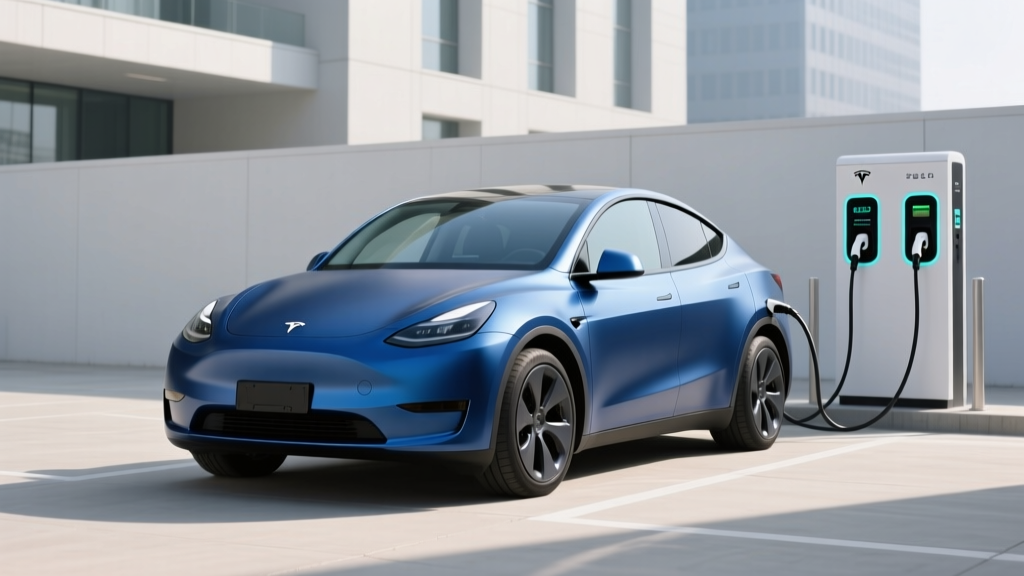
The Short Answer: Tesla Reliability in 2026
If you've been searching "are Tesla cars reliable" and landing on conflicting forum posts and clickbait headlines, you're not alone. The reality in 2026 is more nuanced than either Tesla fans or critics will admit. Tesla's powertrain and battery systems have proven remarkably durable over hundreds of thousands of miles, while build quality, panel gaps, and interior trim remain the brand's most consistent complaint categories. The company has made measurable improvements at its newer factories — Austin (Texas) and Berlin-Brandenburg — compared to the early Fremont years, but variability still exists.
This review focuses on the two models most buyers consider: the 2026 Tesla Model 3 (Highland refresh) and the 2026 Tesla Model Y (Juniper refresh). We'll examine what actually breaks, what doesn't, and whether the total ownership experience justifies the purchase in 2026 — backed by EPA data, real-world owner reports, and warranty specifics.
2026 Tesla Model 3: Range, Battery, and Efficiency
The current Model 3 lineup offers three primary trims, each with distinct battery chemistry and range profiles. Tesla uses both LFP (lithium iron phosphate) and NMC (nickel manganese cobalt) cells depending on trim, and the distinction matters for long-term reliability and daily charging habits.
| Spec | RWD (Base) | Long Range AWD | Performance AWD |
|---|---|---|---|
| EPA Range | 272 mi | 341 mi | 315 mi |
| Battery (usable) | ~60 kWh (LFP) | ~79 kWh (NMC) | ~79 kWh (NMC) |
| Drivetrain | RWD, single motor | AWD, dual motor | AWD, dual motor |
| Horsepower | 271 hp | 346 hp | 510 hp |
| 0–60 mph | 5.8 sec | 4.2 sec | 2.9 sec |
| Efficiency | 132 MPGe / 25 kWh/100mi | 134 MPGe / 25 kWh/100mi | 118 MPGe / 28 kWh/100mi |
| Base MSRP | $38,990 | $45,990 | $52,990 |
Source: EPA / fueleconomy.gov
2026 Tesla Model Y: Range, Battery, and Efficiency
The Model Y remains Tesla's volume leader and the best-selling vehicle globally by units. The Juniper refresh brought improved suspension tuning, a quieter cabin, ambient lighting, and a rear-seat touchscreen. Battery options mirror the Model 3 but with slightly lower range due to the larger, heavier crossover body.
| Spec | RWD (Base) | Long Range AWD | Performance AWD |
|---|---|---|---|
| EPA Range | 260 mi | 320 mi | 295 mi |
| Battery (usable) | ~60 kWh (LFP) | ~79 kWh (NMC) | ~79 kWh (NMC) |
| Drivetrain | RWD, single motor | AWD, dual motor | AWD, dual motor |
| Horsepower | 295 hp | 384 hp | 456 hp |
| 0–60 mph | 6.6 sec | 4.8 sec | 3.5 sec |
| Efficiency | 123 MPGe / 27 kWh/100mi | 125 MPGe / 27 kWh/100mi | 111 MPGe / 30 kWh/100mi |
| Base MSRP | $44,990 | $48,990 | $54,990 |
Source: EPA / fueleconomy.gov
Charging Speed: DC Fast Charge and Home Level 2
Charging speed is where Tesla continues to hold a practical advantage, not because of peak kW numbers (which are middling compared to Hyundai's 800V architecture) but because of the Supercharger network's reliability and density. That said, the on-paper specs matter for trip planning.
| Charge Level | Power / Rate | Speed (Miles Added) | Notes |
|---|---|---|---|
| Level 1 (120V household) | ~1.4 kW | ~3–4 mi/hr | Emergency/trickle only |
| Level 2 (240V home, 48A) | ~11.5 kW | ~35–44 mi/hr | Full charge overnight (~8–10 hrs) |
| Level 2 (240V, 32A mobile connector) | ~7.7 kW | ~25–30 mi/hr | Slower but no electrician needed for NEMA 14-50 |
| DC Fast (V3 Supercharger, peak) | ~250 kW | ~170 mi in 15 min (NMC) | 10–80% in ~25–28 min |
| DC Fast (V4 Supercharger, peak) | ~250 kW (current vehicles) | Similar to V3 | V4 hardware supports more, but 2026 cars are capped |
Charge curve reality: Both Model 3 and Model Y peak near 250 kW only at low state-of-charge (below 20–25%). The rate tapers to ~100 kW around 50% SoC and drops further above 80%. A 10–80% session on a V3 Supercharger takes ~25–28 minutes for NMC trims. LFP models peak lower (~170 kW) but sustain that rate longer, resulting in similar 10–80% times. Plan for 30-minute stops on road trips, not 15-minute ones, if you want realistic expectations.
With the 2024 NACS/CCS adapter agreements now fully implemented, Tesla owners can also access Electrify America, EVgo, and other networks — though in practice, most Tesla road-trippers still default to Superchargers for their superior uptime and plug-and-charge simplicity.
What Actually Breaks: Reliability Data and Common Issues
This is the core of the "are Tesla cars reliable" question. We can separate reliability into three categories:
1. Powertrain and Battery — Excellent
Tesla's electric drivetrain has very few moving parts compared to an internal-combustion vehicle. There are no oil changes, no spark plugs, no timing belts, no transmission fluid. The permanent-magnet synchronous and induction motors have proven extremely durable. Tesla's own fleet data (published in annual impact reports) shows battery degradation averaging ~12% at 200,000 miles for NMC packs, meaning a Model 3 Long Range starting at 341 miles EPA would still offer roughly ~300 miles at that mileage. LFP packs show even slower degradation curves but start with less capacity.
Battery replacements under warranty are rare. When they do occur, it's typically due to manufacturing defects caught early rather than gradual failure.
2. Build Quality and Interior — Improved but Inconsistent
Panel gaps, paint imperfections, and interior rattle have been Tesla's most documented issues. The Highland (Model 3) and Juniper (Model Y) refreshes brought meaningful improvements — tighter tolerances from Austin and Berlin factories, acoustic glass, and upgraded materials. However, owner surveys from Consumer Reports still place Tesla mid-pack in overall predicted reliability, dragged down by body hardware, paint/trim, and climate system categories rather than powertrain.
3. Electronics and Software — Generally Strong, Occasional Glitches
Tesla's centralized touchscreen controls nearly everything — there are minimal physical buttons. The upside is fewer mechanical components to fail. The downside is that a screen failure or software bug can disable climate controls, glovebox access, or even turn-signal indicators (on the refreshed steering wheel). Over-the-air updates fix most bugs within weeks, but the dependency on a single screen is a legitimate reliability concern that competitors with physical backup controls don't share.
Warranty Coverage
| Component | Coverage |
|---|---|
| Basic Vehicle (bumper-to-bumper) | 4 years / 50,000 miles |
| Battery & Drive Unit (RWD) | 8 years / 100,000 miles |
| Battery & Drive Unit (AWD/Performance) | 8 years / 120,000 miles |
| Battery capacity retention guarantee | Minimum 70% over warranty period |
The battery warranty is competitive. If your pack degrades below 70% capacity within the warranty window, Tesla replaces it. In practice, very few owners hit this threshold under normal use.
Pricing, Tax Credits, and What You'll Actually Pay
Tesla pricing has been volatile over the past few years, but 2026 MSRPs have stabilized. The critical question for most buyers is whether the federal §30D EV tax credit applies.
| Model / Trim | Base MSRP | §30D Credit Eligible? | Effective Price (with credit) |
|---|---|---|---|
| Model 3 RWD | $38,990 | Yes (subject to income/sourcing) | ~$31,490 |
| Model 3 Long Range AWD | $45,990 | Yes (subject to income/sourcing) | ~$38,490 |
| Model 3 Performance | $52,990 | Yes (subject to income/sourcing) | ~$45,490 |
| Model Y RWD | $44,990 | Yes (subject to income/sourcing) | ~$37,490 |
| Model Y Long Range AWD | $48,990 | Yes (subject to income/sourcing) | ~$41,490 |
| Model Y Performance | $54,990 | Yes (subject to income/sourcing) | ~$47,490 |
Critical §30D eligibility caveats (per IRS.gov):
- Income caps: Modified AGI must not exceed $150,000 (single), $225,000 (head of household), or $300,000 (married filing jointly).
- MSRP caps: Sedans (Model 3) must be under $55,000; SUVs/trucks (Model Y) under $80,000. All current trims qualify.
- Battery sourcing: A percentage of critical minerals and battery components must be sourced from the U.S. or free-trade-agreement countries. Tesla's Austin-built vehicles have largely met these thresholds for 2026, but the exact credit amount ($3,750 or $7,500) depends on whether both minerals AND component requirements are met. Verify at the point of sale.
- Point-of-sale transfer: As of 2024, you can transfer the credit to the dealer at purchase, reducing your out-of-pocket cost immediately rather than waiting for tax filing.
Tax rules change. Always verify current eligibility with a tax professional and the IRS Clean Vehicle provisions before purchasing.
Cargo, Passenger Space, and Daily Practicality
For a vehicle class where packaging efficiency is a key selling point, the Model 3 and Model Y differ substantially in utility.
Model 3 (Highland)
- Cargo (rear trunk + frunk): 23 cu ft total
- Rear legroom: 35.3 inches
- Front headroom: 40.3 inches
- Best for: Solo commuters, couples, light cargo. The trunk opening is a conventional sedan lid, which limits bulky-item loading.
Model Y (Juniper)
- Cargo (rear + frunk, seats up): 30 cu ft
- Cargo (seats folded): 72 cu ft
- Rear legroom: 41.6 inches
- Optional 7-seat (third row): Available, but best for children only — 26.5 inches of legroom
- Best for: Families, road-trippers, anyone who regularly hauls gear. The hatchback design makes loading dramatically easier than the Model 3 sedan.
Tech, Driver Assistance, and Standout Features
Tesla's software ecosystem remains its strongest competitive moat. The 15.4-inch center touchscreen (Model 3) and 16.2-inch (Model Y) run an interface that's responsive, regularly updated, and integrates navigation, media, climate, and vehicle settings into a single pane. A rear 8-inch screen on refreshed models handles passenger climate and entertainment.
Standout tech features:
- Over-the-air updates that add features post-purchase (new UI themes, efficiency improvements, entertainment apps)
- Sentry Mode dashcam recording with phone alerts
- Dog Mode / Camp Mode climate settings
- Supercharger network: 6,000+ U.S. stations, industry-best uptime
- Tesla app with remote preconditioning, location tracking, and service scheduling
Notable drawbacks:
- No Apple CarPlay or Android Auto — Tesla's native interface only
- Turn signals on steering wheel (refreshed models) — controversial, no physical stalk backup
- Minimal physical buttons — everything routed through touchscreen
- FSD monthly cost adds up; capability still doesn't match the name
Model 3 vs. Model Y vs. Key Competitors
Whether a Tesla is "worth it" depends on your priorities. Here's how they stack up against the strongest alternatives in 2026:
| Attribute | Model 3 LR AWD | Hyundai Ioniq 6 SEL | Model Y LR AWD | Kia EV6 GT-Line AWD |
|---|---|---|---|---|
| EPA Range | 341 mi | 305 mi | 320 mi | 282 mi |
| Peak DC Fast Charge | 250 kW | 350 kW (800V) | 250 kW | 350 kW (800V) |
| 10–80% DC Time | ~26 min | ~18 min | ~27 min | ~18 min |
| Charging Network | Supercharger (NACS) | CCS / NACS adapter | Supercharger (NACS) | CCS / NACS adapter |
| Base MSRP (comparable trim) | $45,990 | $43,000 | $48,990 | $50,500 |
| CarPlay/Android Auto | No | Yes (wireless) | No | Yes (wireless) |
Hyundai/Kia's 800V architecture charges faster in ideal conditions, and both offer CarPlay. But Tesla's Supercharger network reliability and software integration remain difficult to replicate. If DC fast-charge speed is your top priority (frequent long road trips with tight schedules), the Ioniq 6 or EV6 have a measurable edge. If charging-network convenience and software experience matter more, Tesla still leads.
Pros
- Best-in-class Supercharger network reliability and coverage
- Excellent battery longevity data (85%+ retention at 150K miles typical)
- Industry-leading efficiency (kWh/100mi)
- Continuous OTA updates add value post-purchase
- Strong resale value relative to most EVs
- Class-leading range on Long Range trims
- Minimal scheduled maintenance (no fluid changes)
Cons
- Build quality variability — inspect before taking delivery
- No Apple CarPlay / Android Auto
- DC fast-charge speed slower than 800V competitors
- Touchscreen dependency for core vehicle functions
- FSD costs extra and remains Level 2 despite the name
- Service center wait times in some metro areas
- Steering-wheel turn signals (refreshed models) are polarizing
Who Should Buy a Tesla in 2026?
- You commute under 80 miles round-trip and have home Level 2 charging
- You want maximum efficiency and lowest cost-per-mile in a sedan
- You value over-the-air updates and a software-forward experience
- You take 2–4 road trips per year and want Supercharger simplicity
- You need family-friendly cargo space with a hatchback design
- You want optional (small) third-row seating for children
- You regularly haul gear, strollers, or camping equipment
- You want AWD traction for snow/rain climates with strong range
- You need Apple CarPlay / Android Auto — consider Hyundai, Kia, or Ford
- You want the fastest possible DC charging — Hyundai Ioniq 5/6 or Kia EV6 (800V)
- You prefer physical buttons and traditional controls — BMW i4 or Ford Mustang Mach-E
- You're in a rural area far from Superchargers and need CCS network flexibility
Frequently Asked Questions
What is the real-world range of a 2026 Tesla Model 3 or Model Y?
The EPA rates the Model 3 Long Range at 341 miles and the Model Y Long Range at 320 miles. In real-world highway driving at 70–75 mph, expect roughly 80–85% of that — so approximately 270–290 miles for the Model 3 LR and 255–275 miles for the Model Y LR. Cold weather (below freezing) reduces range an additional 15–25% depending on cabin heating usage and whether you precondition. LFP-equipped RWD models start lower (272 mi / 260 mi EPA) and deliver roughly 220–240 real-world highway miles.
How fast does a Tesla charge at home and on the road?
At home on a 240V Level 2 wall connector (48 amps), both cars add roughly 35–44 miles of range per hour, fully charging overnight in 8–10 hours. On DC fast charging, Tesla V3 Superchargers deliver a peak of 250 kW, with a 10–80% session taking approximately 25–28 minutes. The charge rate tapers significantly above 80% SoC — charging from 80–100% can take as long as 10–80%. Always precondition your battery before a Supercharger stop for optimal speeds.
How much does a Tesla cost after the federal tax credit?
The Model 3 RWD starts at $38,990 and can drop to approximately $31,490 with the full $7,500 §30D federal tax credit. The Model Y Long Range AWD starts at $48,990 and can drop to roughly $41,490. However, eligibility depends on your modified adjusted gross income (under $150K single / $300K joint), battery critical-mineral sourcing compliance, and MSRP caps. The credit can be transferred at point of sale to reduce your purchase price immediately. Always verify eligibility with your tax professional and the dealer at purchase.
Are Teslas expensive to maintain?
No — this is one of Tesla's strongest reliability arguments. With no engine oil, transmission fluid, spark plugs, or timing belts, scheduled maintenance is limited to cabin air filter replacement (~every 2 years), tire rotation (every 6,250 miles), brake fluid checks, and wiper blades. Tesla estimates annual maintenance costs at roughly $300–$500, compared to $1,000–$1,500 for a comparable gas car. Tire wear can be higher than average due to the vehicle's weight and instant torque — budget for tire replacement every 25,000–40,000 miles depending on driving style.
How long will a Tesla battery last?
Tesla's fleet data shows NMC battery packs retaining approximately 88% capacity at 200,000 miles on average. LFP packs show similar or slightly better retention curves. The warranty guarantees at least 70% capacity retention for 8 years / 100,000 miles (RWD) or 8 years / 120,000 miles (AWD). Many high-mileage Tesla owners report 85%+ capacity at 150,000 miles with normal charging habits. To maximize longevity, NMC owners should charge to 80% daily and only charge to 100% before road trips. LFP owners can (and should) charge to 100% regularly per Tesla's recommendation.
Is a Tesla worth buying over a Hyundai Ioniq or Kia EV6?
It depends on your priorities. Hyundai/Kia vehicles charge faster on DC (18-minute 10–80% vs. Tesla's ~26 minutes), offer Apple CarPlay/Android Auto, and have more physical controls. Tesla wins on charging network reliability (Supercharger uptime consistently exceeds 95%), software integration, over-the-air updates, and efficiency (more miles per kWh). If you road-trip frequently and value hassle-free charging, Tesla still has the edge. If you prioritize faster charging stops, phone integration, and traditional controls, Hyundai/Kia are strong alternatives.
Does the Tesla Model Y qualify for the federal EV tax credit?
Yes — as of 2026, all Model Y trims qualify for the §30D federal tax credit (up to $7,500) because the MSRP is under the $80,000 SUV cap and Tesla's Austin-built vehicles meet the current battery-sourcing thresholds. However, buyer income caps apply ($150K single / $225K head of household / $300K joint MAGI). The credit can be applied at the point of sale. Rules can change annually — verify at IRS.gov before purchasing.