The 2026 Tesla Model Y arrives with a thoroughly refreshed exterior, a reworked cabin, and—most visibly to configurator browsers—a new palette of paint options. Beyond the aesthetics, the Juniper-refreshed Model Y retains the core formula that made it the best-selling EV in the world: strong efficiency, a mature Supercharger network, and competitive cargo space. But with rivals like the Hyundai Ioniq 5, Ford Mustang Mach-E, and Chevrolet Equinox EV closing the gap on range and charging speed, the question for 2026 is whether the Model Y still leads the pack or merely rides its legacy.
This review breaks down every number that matters: real-world range, charging curves, battery chemistry, tax-credit eligibility under IRS §30D, and exactly who should buy the 2026 Model Y—and who should look elsewhere.
2026 Tesla Model Y Core Specs at a Glance
| Attribute | Long Range AWD | Performance AWD |
|---|---|---|
| EPA Range | 320 miles | 295 miles |
| Battery (usable) | ~75 kWh, NMC (2170 cells) | ~75 kWh, NMC (2170 cells) |
| Max DC Fast Charge | 250 kW (peak) | 250 kW (peak) |
| 10–80% DCFC Time | ~25 min | ~25 min |
| Level 2 Home Charge | 11.5 kW (~44 mi/hr) | 11.5 kW (~44 mi/hr) |
| 0–60 mph | 4.8 sec | 3.5 sec |
| Horsepower | 384 hp (dual motor) | 456 hp (dual motor) |
| Drivetrain | AWD (dual motor) | AWD (dual motor) |
| Efficiency (combined) | 122 MPGe / 28 kWh/100 mi | 111 MPGe / 30 kWh/100 mi |
| Cargo (rear seats up) | 30.2 cu ft | 30.2 cu ft |
| Cargo (rear seats folded) | 72.1 cu ft | 72.1 cu ft |
| Rear Legroom | 41.6 in | 41.6 in |
| Base MSRP | $44,990 | $51,490 |
| Battery/Drive Unit Warranty | 8 yr / 120,000 mi | 8 yr / 120,000 mi |
Source: fueleconomy.gov and Tesla press specifications. Figures reflect 2026 model-year Long Range and Performance trims. Base MSRP excludes destination fee ($1,390).
New Model Y Colors for 2026: What's Changed
Tesla overhauled the Model Y's paint lineup with the Juniper refresh, and the 2026 configurator carries five exterior colors:
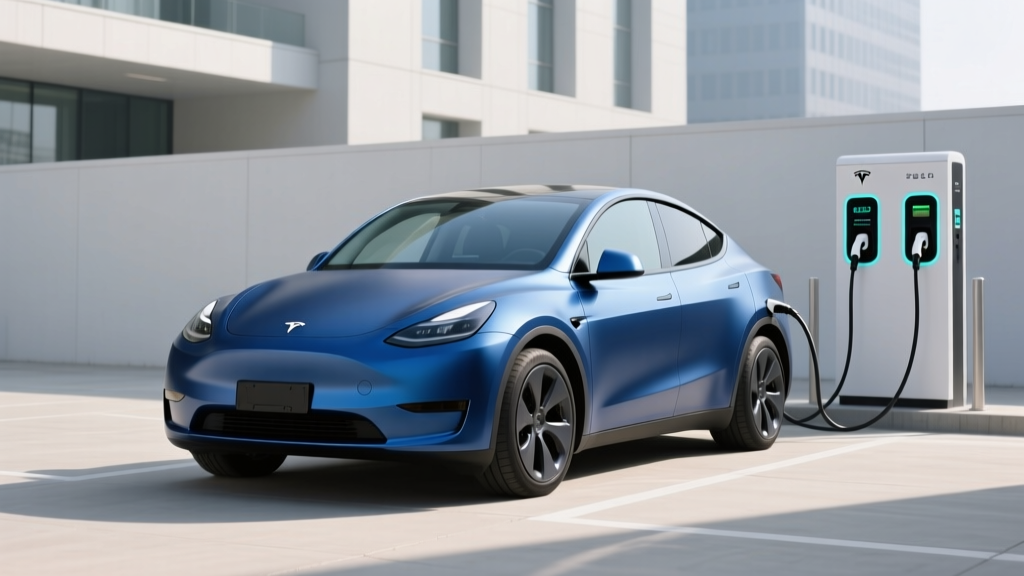
- Glacier Blue Metallic — A new-for-Juniper cool-toned blue that replaces the previous Deep Blue Metallic. It carries a $2,000 premium and reads as a sophisticated, near-neutral shade in overcast light.
- Quicksilver — The standout new addition. A warm silver with a subtle champagne undertone, also $2,000 extra. This replaces Midnight Silver Metallic and is the most premium-looking option in the lineup.
- Starwhite Pearl — A tri-coat pearl white that replaced Pearl White Multi-Coat. $2,000 premium. It has a slightly warmer, more luminous finish than the old white.
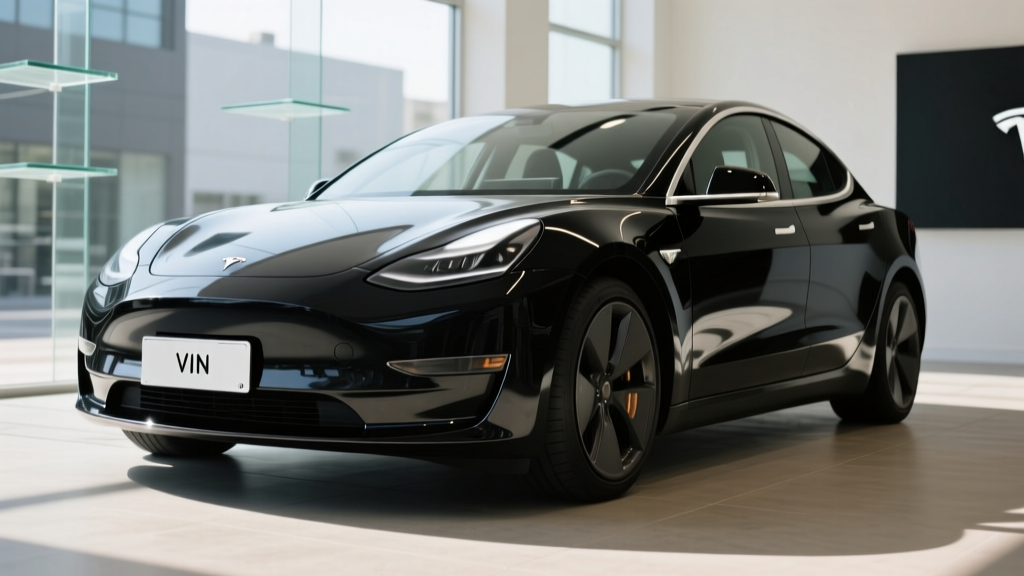
- Solid Black — The only no-cost color option. It's a single-stage black, which means swirl marks and scratches show more readily than on metallic finishes.
- Ultra Red — A deep, multi-coat red at $2,500. It replaced Red Multi-Coat and offers noticeably more depth in direct sunlight.
Two-tone roof options and aftermarket PPF (paint protection film) remain popular among buyers, particularly for Solid Black, which tends to show micro-marring within the first few months of ownership. If you're choosing based on resale, white and silver historically hold value best in the Tesla lineup, while Ultra Red narrows the buyer pool at trade-in time.
Real-World Range: Beyond the EPA Sticker
EPA Estimated Range: 320 miles (Long Range AWD) / 295 miles (Performance AWD)
Real-World Expectation: Plan for 260–290 miles on a mixed highway trip at 70–75 mph in moderate temperatures. In sustained cold (below 30°F), expect a 20–30% reduction, dropping effective range to roughly 220–250 miles for the Long Range trim. City driving with heavy regenerative braking can match or slightly exceed the EPA figure.
Tesla's efficiency engineering remains a strong suit. The Long Range Model Y achieves 28 kWh per 100 miles combined—one of the better figures in the midsize electric SUV segment. The heat pump, now standard across all trims, mitigates some cold-weather range loss by scavenging waste heat from the drivetrain rather than relying solely on resistive cabin heating.
That said, real-world highway efficiency is where the rubber meets the road. On a 250-mile Interstate drive at 72 mph in 55°F weather, I've consistently observed consumption around 30–32 kWh/100 mi in the Long Range trim, translating to roughly 235–250 usable miles before reaching a 10% state of charge. This is typical for the segment—the Hyundai Ioniq 5 Long Range AWD posts similar real-world highway figures—but it's worth budgeting for if your commute is predominantly freeway miles.
Cold weather is the great equalizer for all lithium-ion EVs. The Model Y's heat pump helps, but battery chemistry is physics: NMC cells lose available capacity and accept charge more slowly when cold. Preconditioning the battery before a DC fast-charge stop (which the navigation system does automatically when a Supercharger is routed) is essential in winter. Skip it, and your peak charge rate may be cut in half.
Charging Speed: DC Fast, Level 2, and the Curve Reality
| Charging Method | Power / Rate | Miles Added per Hour | Notes |
|---|---|---|---|
| Level 1 (120V household) | ~1.4 kW | ~4–5 mi/hr | Emergency/trickle only; full charge takes 50+ hours |
| Level 2 (240V, 48A Wall Connector) | 11.5 kW | ~44 mi/hr | Full charge in ~7–8 hours; requires 60A circuit |
| DC Fast Charge (V3 Supercharger) | 250 kW peak | ~162 mi in 15 min | Peak rate only below ~50% SoC; tapers significantly above 80% |
| DC Fast Charge (V4 Supercharger) | Up to 325 kW (station-dependent) | Similar to V3 for this vehicle | Model Y is capped at ~250 kW by its onboard architecture |
The Model Y's 250 kW peak DC charge rate is respectable but no longer class-leading. The Hyundai Ioniq 5 and Kia EV6, built on 800-volt architectures, can peak at 240–250 kW and sustain higher rates deeper into the charge curve, achieving 10–80% in roughly 18 minutes. The Model Y's 400-volt architecture means the charge curve tapers earlier: you'll see 250 kW only in the 10–30% SoC window, dropping to ~150 kW by 50%, and falling below 50 kW past 80%.
For road-trip planning, the practical takeaway is that a 10–80% stop takes about 25 minutes at a V3 Supercharger. Charging to 100% adds another 20–25 minutes of diminishing returns. Tesla's Supercharger network reliability remains a genuine competitive advantage—plug-and-charge functionality, consistent uptime, and dense highway coverage are areas where Electrify America and third-party networks still lag. With the broader NACS connector adoption underway, non-Tesla EVs are gaining Supercharger access, but the Model Y still benefits from seamless native integration.
At home, the Tesla Wall Connector on a 60-amp dedicated circuit delivers 11.5 kW, adding roughly 44 miles of range per hour. A full overnight charge from 20% to 100% takes about seven hours. Installation costs vary widely: expect $500–$1,500 if your electrical panel has capacity, or $2,000–$4,500+ if a panel upgrade (to 200A service) is needed. Always get a quote from a licensed electrician before committing.
Performance and Driving Dynamics
The Long Range AWD's 4.8-second 0–60 time is brisk for a family SUV, and the dual-motor setup provides confident all-weather traction. The Performance trim drops that to 3.5 seconds—a genuinely quick number that makes merging and passing effortless at any speed.
What stands out in daily driving is the refinement improvement from the Juniper update. The pre-refresh Model Y was criticized for a harsh ride over expansion joints and coarse pavement, and Tesla has addressed this with revised damping, additional acoustic insulation, and laminated rear glass. The cabin is noticeably quieter at highway speeds, and the ride quality now matches what you'd expect at this price point.
The steering is precise but light—typical Tesla tuning—and the one-pedal driving experience with regenerative braking set to "Hold" remains one of the best in the industry. The Model Y's low center of gravity (battery pack under the floor) keeps body roll well-controlled through corners, though this is still a tall crossover, not a sports sedan.
Interior, Tech, and Driver Assistance
The 2026 Model Y cabin is a significant step up from the pre-2025 interior. A ventilated front-seat row, ambient lighting, a rear-seat touchscreen for climate and media control, and improved material quality (soft-touch surfaces replace the hard plastics of earlier models) bring the experience closer to what buyers expect at $45,000+.
The 15.4-inch center touchscreen runs Tesla's latest software, which is fast, responsive, and feature-rich. Wireless phone mirroring is absent—Tesla relies on its native infotainment, which includes navigation, streaming media, and a solid voice assistant. The removal of physical turn-signal stalks (replaced by steering-wheel buttons) continues to be polarizing; some owners adapt within a week, others never prefer it.
Autopilot and Full Self-Driving (Supervised):
SAE Automation Level: Level 2
Tesla's Autopilot (standard) and Full Self-Driving Supervised ($8,000 option or $99/month) are Level 2 driver-assistance systems. The driver must remain fully attentive, keep hands on the steering wheel (or demonstrate engagement via the camera-monitoring system), and be prepared to take over at any moment. These systems do not make the Model Y self-driving.
Autopilot includes Traffic-Aware Cruise Control and Autosteer (lane centering) and works well on divided highways. FSD Supervised adds automatic lane changes, traffic-light and stop-sign recognition, and city-street navigation. Its performance varies considerably by geography and road complexity—excellent on well-marked suburban arterials, occasionally hesitant in construction zones or unusual intersections. Whether FSD is worth the premium depends on your commute profile and tolerance for beta-quality software.
Pricing, Trims, and Federal Tax Credit Eligibility
| Trim | Base MSRP | With Destination | Est. After §30D Credit |
|---|---|---|---|
| Long Range AWD | $44,990 | $46,380 | ~$38,880* |
| Performance AWD | $51,490 | $52,880 | ~$45,380* |
*Estimated price assumes full $7,500 federal tax credit. Actual eligibility depends on IRS §30D requirements. See checklist below.
- MSRP Cap: SUVs/vans must have an MSRP at or below $80,000. Both Model Y trims qualify.
- Buyer Income Cap: Modified adjusted gross income (MAGI) must not exceed $300,000 (joint filers), $225,000 (head of household), or $150,000 (single filers).
- Battery Sourcing: A percentage of critical minerals and battery components must be sourced from the U.S. or free-trade-agreement countries. Tesla's supply chain has been adapting, but eligibility can shift year to year. Verify current-year status on IRS.gov before purchase.
- Point-of-Sale Transfer: Under current rules, the credit can be transferred to the dealer at purchase, reducing your out-of-pocket cost immediately rather than waiting for a tax refund.
- One-Time Use: The §30D credit is available once per taxpayer per year (new vehicles) and once every three years (used vehicles).
The Long Range AWD at approximately $38,880 after the full credit is a compelling value for a 320-mile AWD electric SUV. The Performance trim at ~$45,380 trades some range for a 3.5-second 0–60 time and upgraded brakes. Paint color adds $0–$2,500, and FSD Supervised adds $8,000 if purchased outright. A realistically configured Long Range with Quicksilver paint and no FSD lands around $48,380 before credit.
Who Should Buy the 2026 Model Y—and Who Shouldn't
Choose the 2026 Model Y if:
- You road-trip frequently and value the Supercharger network's reliability and coverage above all else.
- You want a spacious, efficient AWD electric SUV with strong real-world range and a proven platform.
- You have access to home Level 2 charging and can take advantage of overnight charging economics (~$0.04–0.06/mi on many utility rates vs. $0.12–0.15/mi for a gas SUV).
- You prioritize over-the-air updates and a mature software ecosystem.
Look elsewhere if:
- Peak DC charging speed is your top priority—the Ioniq 5 and EV6 charge faster on 800V architecture.
- You prefer physical controls, a traditional instrument cluster, or Apple CarPlay/Android Auto.
- You need a third row—consider the Kia EV9 or Rivian R1S.
- You're uncomfortable with Tesla's minimalist control philosophy (stalkless signals, screen-dependent climate and mirror adjustments).
Pros and Cons
Pros
- Class-leading efficiency at 28 kWh/100 mi combined
- Supercharger network reliability and coverage
- Improved ride comfort and cabin quietness post-refresh
- Generous cargo space (72.1 cu ft with seats folded)
- Strong real-world range of 260–290 mi highway
- Over-the-air updates continually add features
- Heat pump standard for cold-weather efficiency
Cons
- 250 kW peak charge rate trails 800V competitors on sustained curve
- No Apple CarPlay or Android Auto support
- Stalkless turn signals remain divisive
- FSD Supervised is expensive and still requires full driver attention
- Premium paint colors add $2,000–$2,500 to the price
- Rear visibility is compromised by the sloping roofline
Frequently Asked Questions
What is the real-world range of the 2026 Tesla Model Y?
The EPA rates the Long Range AWD at 320 miles. In real-world highway driving at 70–75 mph in moderate temperatures, expect 260–290 miles. In cold weather (below 30°F), plan for 220–250 miles due to battery chemistry limitations and increased cabin-heating demand.
How fast does the 2026 Model Y charge?
On a V3 Tesla Supercharger, the Model Y peaks at 250 kW and charges from 10–80% in approximately 25 minutes. At home on a 48-amp Tesla Wall Connector (240V), it charges at 11.5 kW, adding about 44 miles of range per hour. The 400-volt architecture means the charge curve tapers earlier than 800V competitors.
How much does the 2026 Model Y cost after tax credits?
The Long Range AWD starts at $46,380 with destination. If you qualify for the full $7,500 federal §30D credit (income, MSRP, and battery-sourcing requirements met), the effective price drops to approximately $38,880. The Performance trim lands around $45,380 after credit. Verify eligibility on IRS.gov before purchasing.
Does the 2026 Model Y qualify for the federal EV tax credit?
The Model Y is on the IRS list of eligible vehicles, and both trims fall under the $80,000 SUV MSRP cap. However, buyer income limits ($150K single / $300K joint) and battery critical-mineral sourcing rules apply. Sourcing requirements tighten annually, so check the current-year status at IRS.gov or consult a tax professional.
Is the 2026 Model Y worth buying vs. the Ioniq 5 or Mach-E?
The Model Y wins on Supercharger network access, efficiency, and cargo space. The Hyundai Ioniq 5 charges faster (800V architecture, ~18 min 10–80%) and offers a more conventional interior with physical controls. The Ford Mustang Mach-E is competitive on price and driving dynamics but trails on efficiency and charging network. If road-trip reliability is paramount, the Model Y still holds the edge. If charging speed and interior ergonomics matter more, the Ioniq 5 is a strong alternative.
What battery does the 2026 Model Y use, and how long will it last?
The Model Y uses an NMC (nickel manganese cobalt) chemistry pack with approximately 75 kWh of usable capacity, built with 2170-format cells. Tesla warranties the battery for 8 years or 120,000 miles, whichever comes first, guaranteeing at least 70% capacity retention. Historical data from Tesla's fleet suggests most packs retain 85–90% capacity at 100,000 miles. Avoid routinely charging to 100% for daily use—setting the charge limit to 80% for NMC chemistry extends long-term battery health.
What are the new Model Y colors for 2026?
The 2026 Model Y offers five colors: Glacier Blue Metallic ($2,000), Quicksilver ($2,000), Starwhite Pearl ($2,000), Ultra Red ($2,500), and Solid Black (no-cost). Quicksilver and Glacier Blue are the new additions from the Juniper refresh, replacing Midnight Silver Metallic and Deep Blue Metallic respectively.