Alt Electric Vehicles: The Short Answer
"Alt electric" refers to the full spectrum of electrically propelled vehicles available to U.S. buyers today: battery-electric vehicles (BEVs), plug-in hybrids (PHEVs), and conventional hybrids (HEVs). As of 2026, the average new BEV delivers 280–350 miles of EPA range, charges from 10–80% in 18–25 minutes at a DC fast charger, and costs roughly $0.04–$0.06 per mile to fuel at home versus $0.13–$0.16 per mile for a 28-MPG gas car. A PHEV offers 30–45 miles of electric-only range before the gas engine engages, making it ideal for buyers without reliable home charging. Your best alt electric choice depends on three variables: home charging access, daily commute distance, and budget after the federal §30D tax credit.
What Does "Alt Electric" Actually Mean for Buyers?
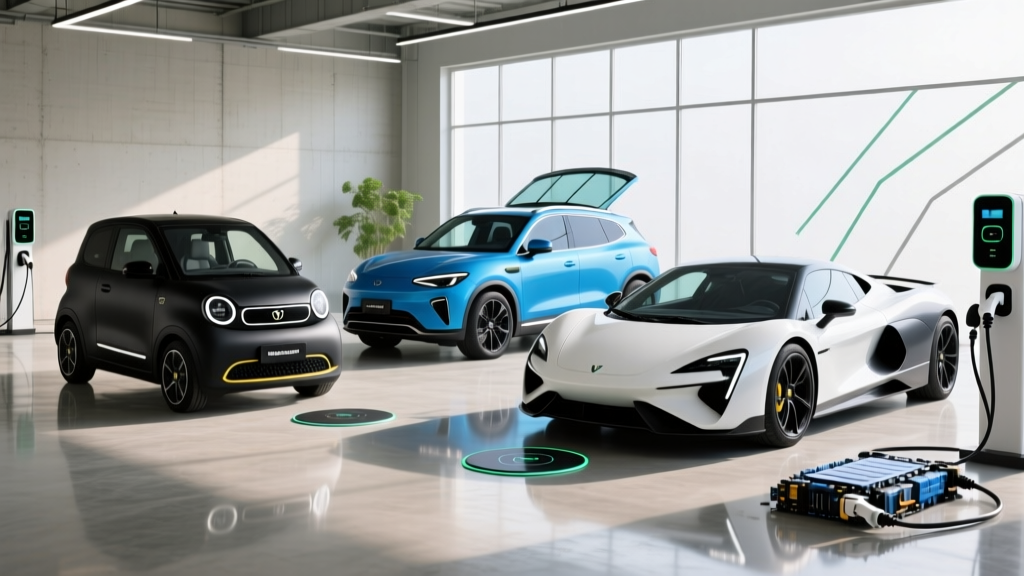
The term "alt electric" broadly covers any vehicle that uses an electric motor for propulsion, either fully or partially. In the 2026 market, this breaks into three distinct categories, each with different ownership implications:
- Battery Electric Vehicles (BEVs): 100% electric, no gas engine. Examples: Tesla Model Y, Hyundai Ioniq 5, Chevrolet Equinox EV. Battery capacity ranges from ~58 kWh to ~100+ kWh (usable). Zero tailpipe emissions.
- Plug-In Hybrid Electric Vehicles (PHEVs): Gas engine + electric motor with a medium-sized battery (typically 15–25 kWh usable) you can plug in. Delivers 30–45 EPA electric-only miles before the hybrid system takes over. Examples: Toyota RAV4 Prime, Jeep Wrangler 4xe, Chrysler Pacifica Hybrid.
- Hybrid Electric Vehicles (HEVs): Gas engine + small battery that charges only through regenerative braking and the engine. No plug. Typically 45–55 MPG combined. Examples: Toyota Prius, Honda Accord Hybrid.
Understanding these distinctions matters because each category has different charging requirements, maintenance profiles, and tax credit eligibility. BEVs qualify for the full federal §30D credit (up to $7,500) if they meet battery sourcing and MSRP caps; PHEVs may qualify depending on battery capacity and sourcing; HEVs generally do not qualify for §30D.
EV vs Gas vs Hybrid: The Real Numbers
Here's how a representative 2026 BEV, PHEV, and gas vehicle compare across the metrics that affect your wallet and daily routine:
| Metric | BEV (Hyundai Ioniq 5 SEL) | PHEV (Toyota RAV4 Prime) | Gas (Toyota RAV4 LE AWD) |
|---|---|---|---|
| Base MSRP (2026 est.) | $43,500 | $44,500 | $31,000 |
| Federal Tax Credit (§30D) | Up to $7,500* | Up to $7,500* | $0 |
| Effective Price After Credit | ~$36,000 | ~$37,000 | $31,000 |
| EPA Range / MPG | 303 mi (BEV) | 42 mi EV + 38 MPG gas | 30 MPG combined |
| Real-World Highway Range | ~245–265 mi | ~35 mi EV + ~500 mi total | ~390 mi (13.2 gal tank) |
| Fuel/Energy Cost Per Mile | $0.045 (home, $0.14/kWh) | $0.03 EV / $0.14 gas | $0.14 ($3.50/gal, 28 MPG real) |
| Annual Fuel Cost (12,000 mi) | ~$540 | ~$600 (mixed) | ~$1,680 |
| Annual Maintenance | ~$300 | ~$600 | ~$900 |
| 5-Year Fuel + Maintenance | ~$4,200 | ~$6,000 | ~$12,900 |
| 0–60 mph | 5.0 sec (RWD) | 5.7 sec | 8.1 sec |
* §30D eligibility depends on buyer income caps ($150K single / $300K joint), vehicle MSRP caps ($55K cars / $80K SUVs/trucks), and battery critical-mineral sourcing rules. Always verify on IRS.gov before purchase. Point-of-sale transfer is available through registered dealers.
Real Cost of Ownership: 5-Year Breakdown
Upfront price is only part of the equation. Here's a 5-year total cost of ownership (TCO) comparison assuming 12,000 miles/year, home charging for the BEV, and mixed driving for the PHEV:
| Cost Category | BEV (Ioniq 5) | PHEV (RAV4 Prime) | Gas (RAV4 LE) |
|---|---|---|---|
| Purchase (after credit) | $36,000 | $37,000 | $31,000 |
| Fuel / Energy (5 yr) | $2,700 | $3,000 | $8,400 |
| Maintenance (5 yr) | $1,500 | $3,000 | $4,500 |
| Insurance (5 yr avg) | $9,500 | $8,500 | $7,500 |
| Home Charger Install | $1,200 (Level 2) | $1,200 (Level 2) | $0 |
| Depreciation (est. 5 yr) | -$16,000 | -$15,000 | -$12,000 |
| Total 5-Year Net Cost | $34,900 | $37,700 | $39,400 |
The BEV wins on TCO despite higher insurance premiums (typically 15–25% more than equivalent gas models, per IIHS industry data) because fuel and maintenance savings compound significantly. The PHEV sits in the middle, offering a hedge if you lack reliable home charging but still want electric driving for daily commutes.
Charging Reality: What First-Time Buyers Must Know
Charging infrastructure is the single biggest variable in alt electric ownership satisfaction. Here's the breakdown by charging level:
| Level | Power (kW) | Miles Added Per Hour | Best Use Case | Typical Cost |
|---|---|---|---|---|
| Level 1 (120V outlet) | 1.2–1.9 kW | 3–5 miles | Overnight top-up, PHEVs | $0.14/kWh (home rate) |
| Level 2 (240V home/public) | 7.2–19.2 kW | 20–55 miles | Daily home charging | $0.10–$0.18/kWh |
| DC Fast Charging | 50–350 kW | 150–800+ miles/hr (peak) | Road trips, quick stops | $0.30–$0.55/kWh (public) |
Critical distinction: kW (kilowatts) measures charging power — how fast energy flows into the battery. kWh (kilowatt-hours) measures battery capacity — how much energy it stores. A 77 kWh battery charging at 150 kW doesn't fill in 30 minutes; the charge curve tapers significantly above 80% state of charge to protect battery health. Expect a 10–80% charge in 18–25 minutes on a capable DC fast charger, but an 80–100% top-off can add another 20–30 minutes.
Home charging installation costs vary widely. A straightforward Level 2 install (NEMA 14-50 outlet or hardwired wallbox on an existing 200-amp panel) typically runs $800–$1,500 including equipment, electrician labor, and permits. If your home has a 100-amp panel or the outlet location is far from the breaker box, expect $2,000–$4,500 with a potential panel upgrade. Always get a quote from a licensed electrician before purchasing a vehicle.
Common Alt Electric Misconceptions — Corrected
| Myth | Fact |
|---|---|
| "EV batteries need replacing every 5 years" | Federal law mandates 8-year/100,000-mile battery warranties (10 years/150,000 miles in CARB states). Average degradation is 10–15% over 10 years per fueleconomy.gov data. Full replacement costs $8,000–$18,000 but is rarely needed. |
| "EVs don't work in cold weather" | Cold reduces range by 15–30% at 20°F due to battery chemistry and cabin heating demands. Preconditioning (warming the battery while plugged in) recovers much of this loss. Owners in Minnesota and Norway drive EVs year-round successfully. |
| "I need 400 miles of range" | The average American drives 37 miles/day (FHWA/DOT data). A 280-mile BEV covers 95%+ of driving needs with home charging. More range means more battery weight and cost you rarely use. |
| "Autopilot/FSD means the car drives itself" | Tesla FSD (Supervised), GM Super Cruise, and Ford BlueCruise are all SAE Level 2 driver-assist systems. The driver must remain attentive and hands-on (or eyes-on). No consumer vehicle is self-driving. |
| "EVs are worse for the environment" | Even on coal-heavy grids, BEVs produce fewer lifecycle emissions than gas cars within 1–2 years of driving. On clean grids, the payback is 6–12 months (Union of Concerned Scientists, 2025 update). |
| "All alt electric vehicles get the $7,500 tax credit" | The §30D credit has strict MSRP caps, buyer income limits, and battery critical-mineral sourcing requirements that change annually. Many vehicles qualify for partial or no credit. Always check the IRS qualified vehicle list. |
Your Alt Electric Decision Framework
Step 1: Can you charge at home?
- Yes (garage/driveway with 240V access): A BEV is your strongest option — lowest operating cost, simplest maintenance, full §30D credit potential.
- Maybe (apartment, street parking, HOA restrictions): A PHEV gives you electric commuting with gas backup. Check if your workplace offers Level 2 charging.
- No (no access at all): A HEV (standard hybrid) delivers 45–55 MPG with zero lifestyle change, or wait until charging access improves before going BEV.
Step 2: What's your daily driving distance?
- Under 50 miles/day: Any BEV or PHEV covers your commute easily. Prioritize value and features over maximum range.
- 50–150 miles/day: Target a BEV with 300+ EPA miles (e.g., Tesla Model 3 Long Range, Hyundai Ioniq 5) or a PHEV with 40+ EV miles plus gas flexibility.
- Over 150 miles/day (frequent road trips): A BEV with 250 kW+ DC fast charging capability and NACS connector access (Tesla Supercharger network) minimizes road-trip downtime. Alternatively, a PHEV eliminates range planning entirely.
Step 3: What's your budget after incentives?
- Under $30,000 effective: Used EVs (eligible for the $4,000 used-EV credit under §25E), Chevrolet Equinox EV 2LT (~$33,000 MSRP, potentially ~$25,500 after credit), or a HEV like the Toyota Prius (~$28,000).
- $30,000–$45,000: The sweet spot — Tesla Model 3, Hyundai Ioniq 5, Ford Mustang Mach-E, Toyota RAV4 Prime. All may qualify for §30D.
- Over $50,000: Luxury and large SUVs — note that §30D MSRP caps ($55K cars, $80K SUVs/pickups) still apply, and buyer income caps may phase out your eligibility.
First-Time EV Buyer Checklist
- Verify §30D eligibility before signing: Check the IRS qualified vehicle list, confirm your AGI is under the cap, and ensure the dealer can process a point-of-sale transfer if desired.
- Get an electrician quote early: Before buying a BEV or PHEV, know your home's panel capacity and the cost of a Level 2 install. This avoids post-purchase surprises.
- Test drive in your real conditions: Drive the highway route you actually commute. Note regenerative braking feel, one-pedal driving capability, and cabin noise.
- Check insurance quotes: EV insurance premiums run 15–25% higher on average. Get a quote on your specific model before finalizing the purchase.
- Download charging apps: PlugShare, A Better Routeplanner, and your vehicle's native navigation will become daily tools. Familiarize yourself before your first road trip.
- Understand the charge curve: Peak DC fast-charging rates (e.g., "250 kW") are sustained only between ~10–50% state of charge. Plan road-trip stops around 10–80% charges for optimal speed.
Frequently Asked Questions
Is an alt electric vehicle worth it if I only drive 8,000 miles per year?
At lower mileage, fuel savings shrink. A BEV saving $0.10/mile over gas yields only $800/year at 8,000 miles. A HEV might make more financial sense unless you value performance, quiet operation, or environmental benefits. Run the numbers using your actual mileage and local electricity rates.
What happens if the power goes out — can I still drive my EV?
A BEV with a full charge will drive normally during an outage; you simply can't recharge until power returns. Some EVs with V2H (vehicle-to-home) capability, like the Ford F-150 Lightning with the Charge Station Pro, can power essential home circuits for 1–3 days. A PHEV offers the best outage resilience since the gas engine provides unlimited range.
Do alt electric vehicles cost more to insure?
Typically yes — 15–25% higher premiums on average, driven by higher repair costs for battery packs and specialized body panels. However, some insurers offer EV-specific discounts. Always compare quotes from at least three carriers before purchase.
How long do EV batteries actually last?
Data from vehicles in service since 2015–2018 shows average battery degradation of 10–15% over 8–10 years. LFP (lithium iron phosphate) chemistry, used in base Tesla Model 3 and some Ford models, tends to degrade more slowly than NMC (nickel manganese cobalt) but offers slightly less energy density. Federal warranty minimums are 8 years/100,000 miles with at least 70% capacity retention.
Should I buy a BEV or PHEV in 2026?
Choose a BEV if you have home charging, drive under 300 miles between charging opportunities, and want the lowest operating cost. Choose a PHEV if you lack reliable home charging, frequently drive 400+ miles in a day, or live in an area with sparse DC fast-charging infrastructure. The PHEV is the pragmatic bridge; the BEV is the long-term savings play.
What's the cheapest alt electric vehicle I can buy new in 2026?
The Nissan Leaf S starts around $29,000 MSRP and may qualify for a partial §30D credit, bringing it near $25,000–$27,000. However, it uses a CHAdeMO connector (being phased out in favor of NACS/CCS) and offers 212 miles of EPA range. The Chevrolet Equinox EV 2LT (~$33,000) is a stronger value with 315 EPA miles and NACS compatibility.