The Quick Answer: Does an Acura RDX EV Exist?
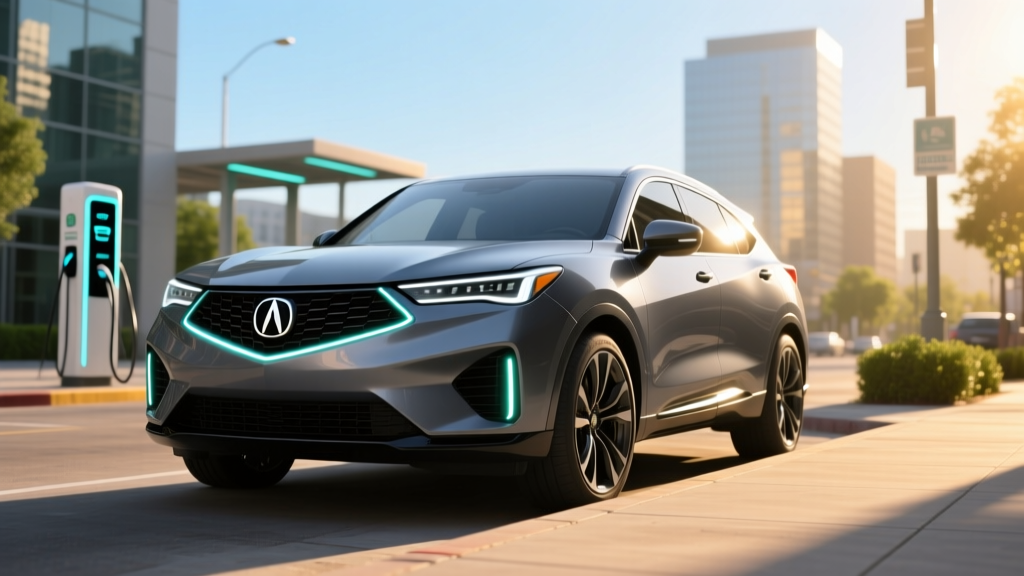
As of early 2026, Acura does not sell a fully electric RDX. The Acura RDX remains a turbocharged 2.0L four-cylinder gasoline compact luxury SUV. Acura's parent company Honda has announced plans for its next-generation EVs built on a dedicated electric architecture, and industry reporting suggests an electric compact SUV wearing an Acura badge could arrive for the 2027 or 2028 model year — but nothing has been officially confirmed or priced under the "RDX EV" nameplate.
If you're searching for an Acura RDX EV, you're likely weighing one of three paths: sticking with the gas RDX, cross-shopping the fully electric Acura ZDX (Acura's current battery-electric SUV, built on GM's Ultium platform), or looking at rival compact luxury EVs like the BMW iX3, Genesis GV60, or Tesla Model Y. This guide covers all three with real numbers.
The Current Acura Lineup: Gas RDX vs. Electric ZDX
Acura's 2026 showroom presents a clear fork. The Acura RDX continues as a conventional gasoline SUV with a 272-horsepower turbocharged 2.0L engine, a 10-speed automatic, and available SH-AWD. The Acura ZDX, reintroduced as a fully electric midsize SUV for 2024, is the closest thing to an "electric Acura SUV" you can buy today — though it sits a half-size above the RDX and competes more with the BMW iX and Tesla Model X in footprint.
| Spec | 2026 Acura RDX A-Spec SH-AWD | 2026 Acura ZDX A-Spec |
|---|---|---|
| Powertrain | 2.0L Turbo I-4, 272 hp / 280 lb-ft | Single-motor RWD, 358 hp (Dual-motor Type S: 500 hp) |
| EPA Range / Fuel Economy | 21 city / 27 hwy / 23 combined MPG | EPA-est. ~313 miles (A-Spec RWD); ~278 mi (Type S AWD) |
| Battery / Tank | 15.9-gallon fuel tank | ~102 kWh usable, NMC lithium-ion |
| Refuel / Recharge | ~3 min at a gas station | DC fast charge peak ~190 kW; 10–80% in ~42 min |
| 0–60 mph | ~6.2 sec | ~5.7 sec (A-Spec); ~3.8 sec (Type S) |
| Starting MSRP | ~$47,850 (A-Spec SH-AWD) | ~$65,850 (A-Spec); ~$74,850 (Type S) |
| Federal Tax Credit (§30D) | None | Up to $7,500 if eligible (see IRS sourcing rules) |
| Cargo Volume | 31.1 cu ft (rear seats up) | ~28 cu ft (rear seats up, est.) |
| Warranty | 4 yr / 50,000 mi basic; 6 yr / 70,000 mi powertrain | 4 yr / 50,000 mi basic; 8 yr / 100,000 mi battery |
Sources: fueleconomy.gov, Acura.com official specifications.
The ZDX is larger, more powerful, and significantly more expensive than the RDX. It also uses GM's Ultium battery architecture and charges via the NACS (Tesla) connector, granting access to Tesla Superchargers with an adapter — a genuine advantage for road-trip charging in 2026. But if you specifically want a compact luxury EV in the RDX's size class, you'll need to look outside the Acura brand for now.
Compact Luxury EVs That Fill the "RDX EV" Gap
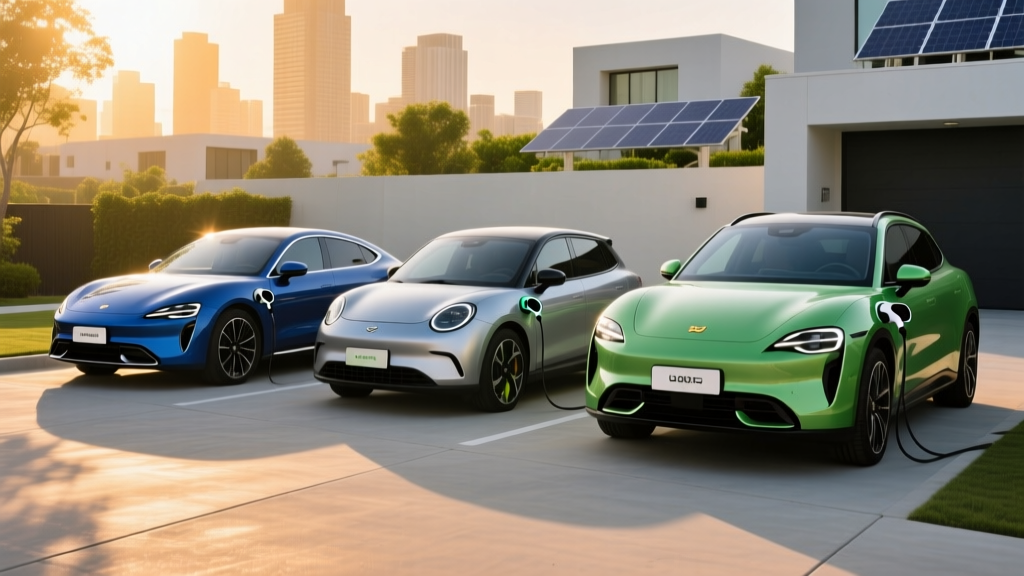
If the idea of an electric RDX appeals to you — a compact luxury crossover with roughly 280–320 miles of range, premium materials, and a price around $50,000–$65,000 — here's what actually exists on showroom floors in 2026:
- Genesis GV60 — Dedicated EV platform (E-GMP), ~248–294 miles EPA, 800V architecture enabling 10–80% DC charging in ~18 minutes at 250 kW, starting ~$53,000.
- BMW iX3 (where available) — ~285 miles WLTP (expect ~240–250 EPA equivalent), ~$55,000 estimated.
- Tesla Model Y Long Range — ~330 miles EPA, ~$48,000 after recent price adjustments, NACS native, access to full Supercharger network.
- Cadillac Optiq — GM Ultium-based compact luxury EV, ~300+ miles EPA estimated, starting ~$52,000, NACS native.
- Volvo EX40 — ~293 miles EPA, ~$54,000 starting, strong safety credentials.
Each of these answers the "what if the RDX were electric?" question differently. The Genesis GV60 is the closest spiritual match in terms of luxury positioning and compact dimensions, while the Model Y wins on range and charging infrastructure.
Real Costs: Gas RDX vs. an EV Alternative Over 5 Years
The purchase price is only the start. Let's compare the total cost of owning a 2026 Acura RDX SH-AWD against a comparable EV (we'll use the Genesis GV60 Advanced AWD as a stand-in for what an "Acura RDX EV" might cost) over 5 years and 75,000 miles.
| Cost Category | Acura RDX SH-AWD (Gas) | Genesis GV60 Advanced AWD (EV) |
|---|---|---|
| Purchase Price (MSRP) | $47,850 | $60,850 |
| Federal Tax Credit (§30D) | $0 | Up to $7,500 (if eligible) |
| Effective Purchase Price | $47,850 | ~$53,350 |
| Fuel / Electricity (75k mi) | ~$8,900 (gas at $3.50/gal, 23 MPG) | ~$2,800 (home charging at $0.14/kWh, 3.5 mi/kWh) |
| Maintenance (5 yr) | ~$3,200 (oil, filters, brakes, fluids) | ~$900 (cabin filter, tire rotation, wiper fluid) |
| Insurance (5 yr avg) | ~$9,500 | ~$11,200 (EVs typically 15–20% higher premiums) |
| Estimated Depreciation | ~$22,000 | ~$26,000 |
| Total 5-Year Cost | ~$91,450 | ~$94,250 |
Assumptions: 15,000 miles/year, national avg gas price $3.50/gal, home electricity $0.14/kWh. Insurance and depreciation are estimates based on industry averages. Actual figures vary by state, driving record, and market conditions. Tax credit eligibility depends on IRS §30D rules including income caps, MSRP limits, and battery sourcing requirements. Consult a tax professional.
The takeaway: the EV's higher purchase price and steeper depreciation are partly offset by dramatically lower fuel and maintenance costs. At current energy prices, the break-even point typically arrives around year 4 or 5 — but only if you can charge at home. Public DC fast charging at $0.40–$0.60/kWh erodes much of the fuel savings.
What First-Time EV Buyers Must Know Before Switching
If you've been driving a gas RDX and are considering your first EV, here are the realities that spec sheets don't highlight:
Home Charging Is the Single Biggest Factor
Over 80% of EV charging happens at home. If you can install a Level 2 (240V) charger in your garage or driveway, daily EV ownership is effortless — you wake up to a full "tank" every morning. A Level 2 installation typically costs $800–$2,500 depending on your electrical panel's capacity. Homes with a 200-amp panel usually need only a dedicated 50-amp circuit and a hardwired or NEMA 14-50 outlet. Older homes with 100-amp service may require a panel upgrade ($2,000–$4,000), which can double the installation cost.
If you live in an apartment or lack off-street parking, your EV experience depends entirely on public charging availability in your area. Check the Alternative Fuels Data Center map for chargers near your home and workplace before buying.
Real-World Range vs. EPA Stickers
EPA range estimates are based on mixed city/highway driving at moderate temperatures. In practice:
- Highway driving at 75+ mph reduces range by 10–20% compared to the EPA sticker.
- Cold weather (below 30°F) can reduce range by 15–30%, depending on whether the vehicle has a heat pump.
- DC fast charging slows above 80% State of Charge — the advertised "10–80% in 18 minutes" figure doesn't mean 10–100% takes 22 minutes. The final 20% can take as long as the first 80% due to the charge curve taper.
Understanding kW vs. kWh
This is the most common point of confusion. kW (kilowatts) measures power — how fast energy flows, like water pressure in a hose. kWh (kilowatt-hours) measures energy — the total amount stored or consumed, like gallons in a tank. A 102 kWh battery charged at 150 kW doesn't fill in 41 minutes; the charge rate tapers as the battery fills, so actual charge time is longer.
Common Misconceptions About Switching from Gas to Electric
| Myth | Fact |
|---|---|
| "EV batteries need replacing every few years." | Modern NMC and LFP batteries are warranted for 8 years / 100,000 miles at 70%+ capacity retention. Real-world degradation data shows most packs retain 85–90% capacity after 100,000 miles. Full replacement (if ever needed) runs $10,000–$18,000 but is rare. |
| "EVs are worse in winter." | Range drops 15–30% in cold weather, but EVs start instantly in any temperature (no cold-start issues), and preconditioning while plugged in preserves range. A heat pump (standard on many 2026 models) recovers significant efficiency. |
| "You'll save $7,500 on every EV." | The federal §30D credit has strict requirements: buyer income caps ($150K single / $300K joint), vehicle MSRP caps ($55K sedans / $80K SUVs/trucks), and battery critical-mineral sourcing rules that change yearly. Always verify on IRS.gov before assuming eligibility. |
| "Charging takes too long for road trips." | Modern EVs on 350 kW chargers add 150–200 miles in 15–20 minutes. Combined with rest stops and meal breaks, the time penalty on a 500-mile trip is typically 20–40 minutes total. |
| "EVs cost more to insure." | Generally true — EV premiums run 15–25% higher due to higher repair costs and parts pricing. Shop quotes from multiple insurers before purchasing. |
Decision Framework: Should You Wait, Buy Gas, or Switch to EV?
If-This-Then-That for the Acura RDX EV Seeker
Wait for a potential Acura RDX EV if:
- You're loyal to the Acura brand and want an EV in the compact luxury size class specifically from them.
- Your current vehicle has 2+ years of life left and you can delay the purchase.
- You want Honda/Acura's next-gen dedicated EV platform rather than a rebadged partner product.
Buy the gas Acura RDX now if:
- You lack reliable home charging access (apartment, street parking, no garage).
- You regularly drive in regions with sparse DC fast-charging infrastructure (rural Mountain West, parts of the South).
- Your budget is firm at $45,000–$50,000 and you need SH-AWD for snow.
- You tow more than 1,500 lbs (the RDX is rated for 1,500 lbs; many compact EVs are not rated to tow at all).
Buy a compact luxury EV now if:
- You have Level 2 home charging (or can install it for under $2,500).
- Your daily commute is under 80 miles round-trip, meaning you'd almost never need public charging.
- You qualify for the full or partial §30D tax credit (check income and vehicle eligibility).
- You want lower running costs and don't mind a higher purchase price.
- Models like the Genesis GV60, Cadillac Optiq, or Tesla Model Y meet your space and luxury expectations.
Frequently Asked Questions
Will Acura make an electric RDX?
Acura has not officially confirmed an electric RDX. Honda has committed to launching next-generation EVs on a dedicated architecture, and an Acura-branded compact electric SUV is plausible for the 2027–2028 timeframe. Until then, the Acura ZDX is the brand's only fully electric SUV offering.
Is the Acura ZDX a good alternative to a hypothetical RDX EV?
The ZDX is a capable electric SUV with 313 miles of range (A-Spec RWD), Ultium architecture, and NACS charging. However, it's larger, heavier, and roughly $15,000–$20,000 more expensive than the gas RDX. Think of it as an electric MDX competitor rather than a true RDX replacement.
How much does home Level 2 charger installation cost?
Expect $800–$2,500 for a standard installation on a 200-amp panel. This includes the charger unit ($400–$700), electrical labor ($400–$1,200), and permits ($50–$200). If your home needs a panel upgrade to 200 amps, add $2,000–$4,000. Always get a quote from a licensed electrician — costs vary significantly by region and home age.
Do I qualify for the $7,500 federal EV tax credit?
Eligibility under IRS §30D depends on three factors: (1) your modified adjusted gross income must be below $150,000 (single) or $300,000 (joint); (2) the vehicle MSRP must be under $55,000 for sedans or $80,000 for SUVs/trucks/vans; and (3) the vehicle must meet battery critical-mineral and component sourcing thresholds that tighten each year. As of 2026, many vehicles that qualified in prior years no longer do due to stricter sourcing rules. Check the current eligible vehicle list on IRS.gov and consult a tax professional. Point-of-sale transfers are available at participating dealers.
What's the real-world range of the Acura ZDX?
The EPA rates the ZDX A-Spec RWD at approximately 313 miles. In real-world highway driving at 70–75 mph, expect roughly 260–280 miles. In cold weather (below 30°F), that drops to approximately 220–250 miles. These figures assume no preconditioning; warming the battery while plugged in before departure recovers some of the cold-weather loss.
Are EVs really cheaper to maintain than gas cars?
Yes, significantly. EVs have no engine oil, transmission fluid, spark plugs, timing belts, or exhaust systems to service. Routine maintenance is limited to cabin air filters, tire rotations, wiper fluid, and brake fluid checks. Regenerative braking extends pad life dramatically — many EV owners report original brake pads at 80,000+ miles. Expect to spend $150–$250/year on EV maintenance vs. $500–$800/year on a comparable gas vehicle.