The Short Answer on Acura's Electric SUV
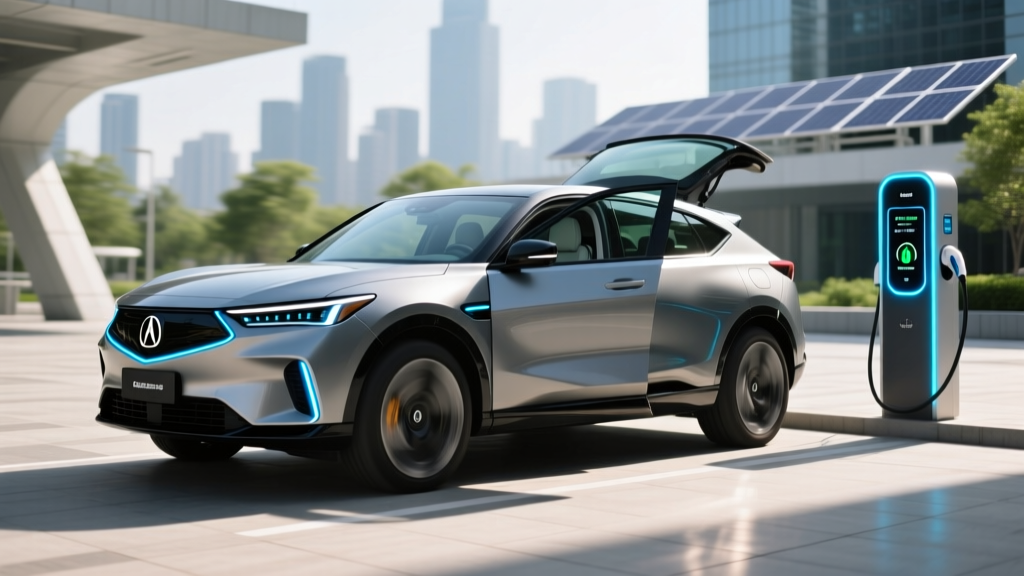
If you're searching for an Acura electric SUV in 2026, the model to watch is the Acura RDX e:Architecture successor — a dedicated EV built on Honda's new 0 Series platform, expected to debut for the 2027 model year. Until it arrives, Acura's only electric offering remains the Acura ZDX, a rebadged Ultium-platform SUV co-developed with GM. The ZDX delivers an EPA-estimated 313 miles of range (AWD A-Spec trim), up to 190 kW DC fast charging, and a starting MSRP around $64,500. Below, we break down exactly what current and upcoming Acura EV buyers need to know — range reality, charging costs, tax-credit eligibility, and whether an Acura EV makes sense for your driveway.
What the Current Acura ZDX Electric SUV Actually Delivers
The 2026 Acura ZDX is not a ground-up Acura design. It rides on GM's Ultium platform, sharing its bones with the Cadillac Lyriq and Chevrolet Blazer EV. That matters because it determines battery chemistry, charging architecture, and long-term parts support. Here are the exact specs buyers should evaluate:
| Specification | ZDX A-Spec (RWD) | ZDX A-Spec (AWD) | ZDX Type S |
|---|---|---|---|
| EPA Range | 313 mi | 304 mi | 278 mi |
| Battery (usable) | 102 kWh (NMC) | 102 kWh (NMC) | 102 kWh (NMC) |
| Horsepower | 358 hp | 490 hp | 500+ hp |
| 0–60 mph | ~6.0 sec | ~4.7 sec | ~3.8 sec |
| Peak DC Fast Charge | 190 kW | 190 kW | 190 kW |
| 10–80% DC Charge | ~32 min | ~32 min | ~32 min |
| Level 2 Charge Rate | 11.5 kW | 11.5 kW | 11.5 kW |
| Base MSRP | $64,500 | $68,500 | $74,500 |
| Battery Warranty | 8 yr / 100,000 mi | 8 yr / 100,000 mi | 8 yr / 100,000 mi |
Source: fueleconomy.gov and Acura's official 2026 spec sheets.
Real-World Range vs. EPA Sticker
The ZDX AWD's 304-mile EPA rating is respectable, but real-world results vary. Expect 260–280 miles on mixed highway driving at 70+ mph, and as low as 220–240 miles in sustained sub-freezing temperatures. The 102 kWh NMC battery has a sizable buffer, but cold weather increases internal resistance and cabin heating draws significant energy. Preconditioning the battery while plugged in mitigates some of this loss.
Charging the Acura ZDX: Home and Public Networks
The ZDX uses a NACS (Tesla-style) charge port for 2026, meaning native access to Tesla Supercharger stations via adapter-free compatibility. This is a significant advantage over older CCS-equipped vehicles. Here's how charging breaks down across levels:
| Level | Power | Miles Added per Hour | Typical Use Case |
|---|---|---|---|
| Level 1 (120V) | ~1.4 kW | ~4–5 mi/hr | Emergency / overnight trickle |
| Level 2 (240V, 48A) | 11.5 kW | ~34–38 mi/hr | Home daily charging |
| DC Fast Charge | Up to 190 kW | ~200+ mi in 15 min | Road trips, public stations |
Home charging reality: A full Level 2 home installation (240V, 60A circuit with a 48A continuous charger) typically costs $1,200–$2,800 for the equipment and electrician labor, assuming your panel has capacity. If your home needs a 200A panel upgrade, add $1,500–$3,500. At 11.5 kW, the ZDX's 102 kWh battery refills from empty in roughly 9–10 hours — plug in at night, wake up full.
DC fast charging caveat: The ZDX peaks at 190 kW but doesn't sustain it. Like all EVs, the charge curve tapers significantly above 80% State of Charge (SoC). That 10–80% time of ~32 minutes assumes optimal battery temperature (preconditioned) and a functioning 190+ kW station. Real-world sessions on Electrify America or EVgo hardware can stretch to 38–45 minutes depending on station conditions and battery temperature.
Cost Breakdown: Acura EV vs. Gas Acura RDX
The most common question from Acura shoppers: does going electric actually save money? Let's compare the ZDX electric SUV against the gas-powered Acura RDX (the brand's best-selling compact SUV) over a 5-year ownership period.
| Cost Factor | 2026 ZDX AWD ($68,500 MSRP) | 2026 RDX A-Spec AWD (~$47,000 MSRP) |
|---|---|---|
| Purchase Price | $68,500 | $47,000 |
| Federal Tax Credit (§30D) | Up to $7,500 (see eligibility below) | $0 |
| Effective Purchase | ~$61,000 | $47,000 |
| Fuel/Energy (5 yr, 60K mi) | ~$4,200 (home charging at $0.14/kWh) | ~$9,800 (premium gas at $4.20/gal, 24 mpg combined) |
| Maintenance (5 yr) | ~$1,200 (cabin filter, wipers, tires, fluid top-offs) | ~$3,800 (oil changes, brakes, transmission fluid) |
| Insurance (5 yr avg) | ~$11,500 | ~$9,200 |
| 5-Year Total Cost | ~$77,900 | ~$69,800 |
Fuel cost assumptions: 12,000 miles/year, national average electricity rate of $0.14/kWh, ZDX efficiency of 2.1 kWh/mi. Gas costs based on premium unleaded at $4.20/gallon and 24 mpg combined for the RDX AWD per EPA estimates.
Key takeaway: The ZDX costs roughly $8,000 more over five years when factoring the purchase premium, even after the tax credit and fuel savings. The math improves significantly if you have access to cheap home electricity (under $0.10/kWh in some states), qualify for additional state incentives, or drive more than 15,000 miles annually. The ZDX wins on running costs; the RDX wins on upfront price.
Federal Tax Credit: Does the Acura ZDX Qualify?
Under the current IRS §30D rules, the Acura ZDX's eligibility for the $7,500 federal EV tax credit depends on battery-component and critical-mineral sourcing requirements, which shift annually. Because the ZDX is built on GM's Ultium platform in Spring Hill, Tennessee, it has historically qualified for at least partial credit. However, buyers must meet all of the following:
- Income caps: Modified AGI ≤ $150,000 (single), $225,000 (head of household), $300,000 (joint)
- MSRP cap: SUVs/vans/pickups ≤ $80,000 — all ZDX trims clear this
- Battery sourcing: Required percentages of battery components manufactured in North America and critical minerals sourced from FTA partners — these thresholds increase each year through 2029
- Point-of-sale transfer: Eligible buyers can apply the credit as a down-payment reduction at the dealer rather than waiting for tax filing
Rules change frequently. Verify current eligibility at IRS.gov before purchasing. Consult a tax professional for your specific situation.
What About the Future Acura RDX Electric SUV?
Honda and Acura have confirmed that a next-generation dedicated electric SUV — widely expected to carry the RDX nameplate — is in development on Honda's 0 Series platform. This is the vehicle Acura loyalists have been waiting for: a ground-up EV with Honda engineering rather than a GM partnership product.
What we know (preliminary/announced specs):
- Platform: Honda 0 Series (thin, lightweight, dedicated EV architecture)
- Expected range: 300+ miles EPA (estimated)
- Charging: Targeting 350 kW peak DC capability (if 800V architecture confirmed)
- Production start: Late 2026 for 2027 model year
- Expected pricing: $55,000–$70,000 range (estimated)
What we don't know: Exact battery kWh, chemistry (NMC or potential LFP option), confirmed EPA range, final MSRP by trim, and tax-credit eligibility. Honda has been tight-lipped on specifics. Until official specs drop, treat all figures as estimates.
Acura Electric SUV Decision Framework
Buy the ZDX now if:
- You need an Acura electric SUV today and want Supercharger access
- Your daily commute is under 100 miles round-trip with home Level 2 charging
- You value the premium cabin and Acura brand over cutting-edge EV efficiency
- You qualify for the §30D credit and the effective price fits your budget
Wait for the RDX EV successor if:
- You want a purpose-built Acura with Honda's 0 Series engineering
- Faster DC charging (potentially 350 kW) is important for your road-trip habits
- You prefer a more compact SUV footprint closer to the current RDX
- You can comfortably wait 12–18 months for production and delivery
Common Misconceptions About Acura's Electric SUVs
| Myth | Fact |
|---|---|
| "The ZDX is a true Acura — it's got the same engineering as the MDX." | The ZDX is built on GM's Ultium platform at a GM plant. Its powertrain, battery, and infotainment are GM-sourced, not Honda/Acura-engineered. |
| "313 miles of range means I can drive 313 miles before stopping." | EPA range is a lab estimate. Real-world highway driving at 75 mph typically yields 260–280 miles. Cold weather drops this further. |
| "I'll save money immediately switching from my gas RDX." | Higher purchase price and insurance premiums mean the ZDX has a ~$8K cost premium over 5 years. Savings scale with mileage driven and electricity cost. |
| "EV batteries need replacing after a few years." | The ZDX's NMC battery carries an 8-year/100,000-mile warranty against degradation below 70% capacity. Industry data shows most EV batteries retain 85–90% capacity at 100K miles. |
| "I can't charge at Tesla Superchargers." | The 2026 ZDX has a native NACS port, granting direct access to the Tesla Supercharger network without an adapter. |
Real-World Ownership: What First-Time Acura EV Buyers Should Know
Home charging is non-negotiable for most owners. Public DC fast charging at $0.35–$0.55/kWh erases the fuel-cost advantage over gas. If you can't install a Level 2 charger at home (apartment living, older electrical panels, landlord restrictions), the economics shift dramatically. Confirm your home's electrical capacity before committing to an EV purchase.
Insurance costs are higher. EV insurance premiums run 15–25% above comparable gas vehicles due to higher repair costs and battery replacement exposure. Get quotes from your insurer before signing a purchase agreement.
Maintenance drops significantly — but tires don't. EVs are heavier (the ZDX AWD weighs approximately 5,900 lbs) and deliver instant torque, which accelerates tire wear. Budget for tire replacement every 25,000–35,000 miles rather than the 40,000–50,000 miles typical of a gas RDX.
Depreciation is the wildcard. EV depreciation has been steeper than gas vehicles in recent years, driven by rapid tech improvements, Tesla price cuts, and shifting incentive structures. The ZDX, as a GM-platform vehicle with Acura branding, may hold value differently than pure EV startups — but plan for 40–50% depreciation over 5 years rather than the 30–35% a gas RDX might see.
Is the Acura ZDX eligible for the $7,500 federal tax credit in 2026?
The ZDX has historically qualified for at least partial credit due to its US-built Ultium platform. However, battery-sourcing thresholds tighten annually under §30D. Check current eligibility at IRS.gov or ask your Acura dealer for a point-of-sale credit confirmation before purchase.
How long does it take to charge the Acura ZDX at home?
On a Level 2 charger (240V, 48A), the ZDX's 102 kWh battery charges at 11.5 kW, taking approximately 9–10 hours from empty to full. Most owners plug in overnight and wake up to a full battery. A standard 120V outlet adds only ~4–5 miles per hour — sufficient only for emergency trickle charging.
How does the Acura ZDX compare to the Tesla Model Y or Genesis GV60?
The ZDX is larger and more traditionally luxurious than the Model Y, with a quieter ride and more conventional controls, but it trails in charging speed (190 kW vs. Tesla's 250 kW) and software sophistication. Against the Genesis GV60, the ZDX offers significantly more range (304 vs. 248 miles) and cargo space, but the GV60 charges faster at 350 kW on 800V architecture. Your priority — range, charging speed, or cabin luxury — determines the winner.
Will the next-generation Acura RDX EV be worth waiting for?
If Honda's 0 Series platform delivers on its promised lightweight design and 350 kW charging capability, the RDX EV successor could be a more compelling product than the GM-based ZDX. However, it won't arrive until late 2026 or 2027. If you need an EV now, the ZDX is a capable option; if you can wait and want a true Acura-engineered EV, hold off.
What happens if the ZDX battery degrades?
Acura's battery warranty covers capacity loss below 70% for 8 years or 100,000 miles. Based on industry data from similar NMC batteries, most owners see 5–10% degradation over the first 100,000 miles — well within warranty thresholds. Full battery replacement outside warranty currently costs $15,000–$22,000, though prices are declining as battery technology matures.