Quick Verdict: The Budget EV King Returns With Better Charging
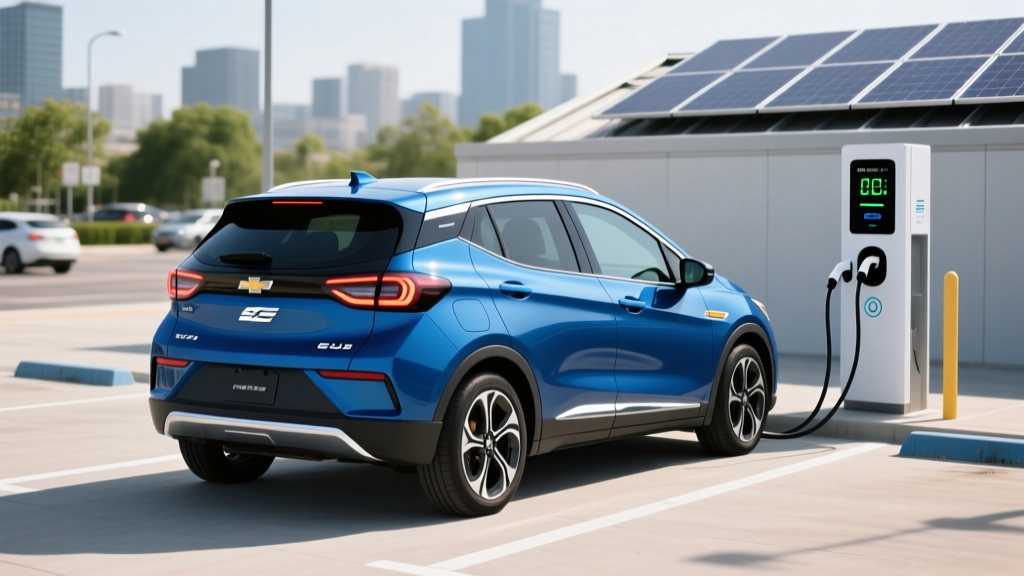
The original Chevy Bolt EUV was discontinued after 2023, leaving a void in affordable electric crossovers that no automaker has filled. For 2027, Chevrolet brings it back on GM's updated Ultium-derived platform with a native NACS charge port, faster DC charging, and an LFP battery option aimed squarely at cost-conscious buyers. The 2027 Chevy Bolt EUV starts at an estimated $27,900 before destination — making it the least expensive electric crossover from a mainstream brand in the U.S. market.
But the real story isn't just the price. GM addressed the previous generation's two biggest weaknesses: painfully slow DC fast charging (capped at 55 kW) and a battery chemistry that drew fire-safety scrutiny. The 2027 Bolt EUV peaks at an estimated 150 kW on DC fast chargers and offers an LFP (lithium iron phosphate) battery option for the first time. It's still a front-wheel-drive compact crossover — this isn't a performance EV — but for commuters and small families who need practical range at the lowest entry price, the math is compelling.
EPA Estimated: 255 miles (standard LFP pack)
Real-World Highway (70 mph, moderate climate): ~220–235 miles
Cold Weather (below 30°F, highway): ~185–200 miles
City/Commuter Driving with Regen: ~260–275 miles
The LFP chemistry holds up better in heat but loses more capacity in freezing temps than NMC. If you live in northern climates, budget for 25–30% range loss in winter and plan charging stops accordingly.
Full Specs at a Glance
| Specification | 2027 Chevy Bolt EUV (Est.) |
|---|---|
| EPA Range | 255 miles (LFP) / ~275 miles (NMC option) |
| Battery Capacity | ~65 kWh usable (LFP) / ~68 kWh usable (NMC) |
| Battery Chemistry | LFP standard; NMC optional on 2LT |
| DC Fast Charge (Peak) | 150 kW (NACS native) |
| 10–80% DC Charge | ~28 minutes (est.) |
| Level 2 Home Charging | 11.5 kW / ~37 mi/hr |
| Drivetrain | FWD, single motor |
| Horsepower | 200 hp / 236 lb-ft torque |
| 0–60 mph | ~7.0 seconds (est.) |
| Efficiency | ~114 MPGe / 29 kWh/100mi |
| Cargo Volume | 16.3 cu ft (rear seats up) / 57.2 cu ft (folded) |
| Rear Legroom | 39.1 inches |
| Base MSRP | $27,900 (1LT) + $1,195 destination |
| Battery/Powertrain Warranty | 8 years / 100,000 miles (≥70% capacity retention) |
Note: Specifications above are based on GM's preliminary announcements and industry analysis. Final EPA certification figures may differ. Chevrolet has not yet published official EPA numbers as of early 2026. We'll update this review when final data is available via fueleconomy.gov.
Charging Speed: The Biggest Upgrade Over the Old Bolt
The original Bolt EUV's Achilles heel was DC fast charging. It maxed out at 55 kW — meaning a 10–80% session took over an hour on a road trip. That made highway travel tedious and effectively disqualified the Bolt for anyone who road-tripped more than twice a year.
The 2027 model fixes this with GM's Ultium-era electrical architecture. The native NACS (North American Charging Standard) port means direct compatibility with Tesla Superchargers — the most reliable and extensive DC network in the U.S. — without an adapter.
| Charging Level | Power / Rate | Miles Added per Hour | Best For |
|---|---|---|---|
| Level 1 (120V household) | ~1.4 kW | ~4–5 mi/hr | Overnight top-up, emergencies |
| Level 2 (240V home) | 11.5 kW | ~37 mi/hr | Daily home charging (full charge ~7 hrs) |
| DC Fast (NACS Supercharger) | Up to 150 kW peak | ~300+ mi/hr (peak) | Road trips; 10–80% in ~28 min |
Charging curve reality check: The 150 kW peak occurs at low state-of-charge (roughly 5–30% SoC). Expect the rate to taper progressively — around 100 kW by 50% SoC, dropping to ~50 kW by 75% SoC, and further above 80%. This is normal physics for lithium-ion cells managing heat. The ~28-minute 10–80% estimate accounts for this taper, but charging to 100% on DC fast charging will add another 20–25 minutes. For battery longevity, stick to 80% on road trips unless you need the full range to reach your next stop.
On Level 2 at home, the 11.5 kW onboard charger is competitive for this price class. A typical overnight session (10 hours) adds roughly 370 miles of range — more than a full battery. For most owners charging at home, the Bolt EUV's DC speed is irrelevant day-to-day; it only matters for road trips exceeding the battery's range.
Battery Chemistry: LFP vs. NMC — Which Should You Choose?
GM is offering the 2027 Bolt EUV with two battery options, a first for the nameplate:
| Attribute | LFP (Standard) | NMC (Optional on 2LT) |
|---|---|---|
| Usable Capacity | ~65 kWh | ~68 kWh |
| EPA Range (Est.) | 255 miles | ~275 miles |
| Cold-Weather Performance | More range loss (~25–30%) | Less range loss (~15–20%) |
| Charging to 100% Regularly | Safe and recommended | Best kept at 80% daily; 100% for trips |
| Cycle Life / Longevity | 3,000+ cycles (superior) | 1,500–2,000 cycles |
| Cost Premium | Included (base price) | ~$2,000–$2,500 add-on |
| Best For | Warm climates, daily commuters, high-mileage drivers | Cold climates, road-trippers, range-maximizers |
The LFP pack is the smarter buy for most shoppers. It costs less, lasts longer (more charge cycles before meaningful degradation), and you can charge it to 100% daily without guilt — which effectively gives you the full 255 miles every day. NMC gives you 20 more EPA miles and better winter performance, but the long-term degradation trade-off and higher price only make sense if you regularly drive in sub-freezing temperatures or frequently road-trip.
Performance and Driving Dynamics
The 2027 Bolt EUV sticks with a single front-mounted motor producing an estimated 200 horsepower and 236 lb-ft of torque. That's a meaningful bump over the outgoing model's 200 hp but now delivered through GM's newer e-motor design with improved low-end response.
The 0–60 mph time lands around 7.0 seconds — quick enough for confident highway merging but not sporty by EV standards. This is a FWD-only vehicle; there's no AWD option. For a compact family crossover aimed at commuters, that's acceptable. Towing capacity is limited to an estimated 1,000 pounds (light trailer or bike rack only — this is not a tow vehicle).
Ride quality benefits from the slightly longer wheelbase carried over from the EUV body style (versus the shorter Bolt hatchback). The suspension tuning prioritizes comfort over sportiness, which suits the target buyer. Regenerative braking includes a one-pedal driving mode and a steering-wheel paddle for on-demand regen — a feature owners of the previous Bolt loved and GM wisely retained.
Pricing, Trims, and Federal Tax Credit Eligibility
| Trim | Est. MSRP | Key Features | After §30D Credit (if eligible) |
|---|---|---|---|
| 1LT | $27,900 | LFP battery, 11" infotainment, Super Cruise prep, heated front seats | ~$20,400 |
| 2LT | $31,500 | NMC option available, panoramic roof, adaptive cruise, 360° camera | ~$24,000 |
| Premier | $34,900 | Leather, Super Cruise (hands-free highway), Bose audio, EV route planning | ~$27,400 |
Destination charge: $1,195 (adds to all trims).
- Credit amount: Up to $7,500, split into two $3,750 halves — one for critical minerals sourcing, one for battery component manufacturing. The Bolt EUV's eligibility for each half depends on GM's supply chain at time of purchase.
- MSRP cap: SUVs/crossovers must be under $80,000 MSRP. All Bolt EUV trims qualify.
- Buyer income cap: Modified AGI must not exceed $150,000 (single), $225,000 (head of household), or $300,000 (joint). Check your prior-year or current-year tax return.
- Point-of-sale transfer: You can apply the credit as an instant dealer discount at purchase (instead of waiting to claim on your tax return), reducing your out-of-pocket or loan amount.
- Battery sourcing: Critical minerals and component requirements tighten annually. Verify current eligibility on IRS.gov or ask your dealer for the vehicle's official credit certification before signing.
Interior, Cargo, and Technology
The 2027 Bolt EUV cabin represents a significant step up from the previous generation's plasticky interior. The centerpiece is an 11-inch diagonal infotainment touchscreen running GM's latest Google Built-in interface (on 2LT and Premier), which includes native Google Maps with EV-aware route planning, Google Assistant voice control, and access to the Play Store for apps.
Cargo and passenger space:
- Cargo behind rear seats: 16.3 cubic feet (competitive with Hyundai Kona Electric and slightly less than the Volkswagen ID.4)
- Cargo with rear seats folded: 57.2 cubic feet
- Rear legroom: 39.1 inches (generous for the segment — adults ride comfortably)
- Front headroom: 40.0 inches
- No frunk: The FWD motor packaging does not include a front trunk
Driver assistance and smart tech:
- Standard: Chevy Safety Assist suite — automatic emergency braking, forward collision alert, lane keep assist, following distance indicator, IntelliBeam auto high beams
- Available (2LT/Premier): Adaptive cruise control with stop-and-go, HD surround vision (360° camera), enhanced automatic parking assist
- Premier exclusive: GM Super Cruise — hands-free driving on 400,000+ miles of compatible highways. Note: this is an SAE Level 2 system. You must remain attentive, and the driver monitoring camera will alert you if your eyes leave the road. It is not autonomous driving.
Super Cruise and all other driver-assist features on the 2027 Bolt EUV are SAE Level 2 — meaning the system can control steering and speed simultaneously on compatible roads, but the driver must remain fully engaged and supervising at all times. Hands-free does not mean attention-free. Only Level 4 services (like Waymo robotaxis in limited metro areas) operate without a human driver.
Pros and Cons
✅ Pros
- Lowest starting MSRP in the electric crossover segment (~$27,900)
- Native NACS port — direct Tesla Supercharger access without adapter
- 150 kW DC fast charging (vastly improved over old Bolt's 55 kW)
- LFP battery option with excellent cycle life and 100% daily charging
- Spacious rear seat (39.1" legroom) for the compact footprint
- Super Cruise availability on Premier trim
- Strong battery warranty (8 yr/100,000 mi)
❌ Cons
- FWD only — no AWD option for snow-belt buyers
- 255-mile EPA range (LFP) trails competitors like the Hyundai Ioniq 5 and ID.4
- No front trunk (frunk) for extra storage
- LFP battery loses more range in cold weather vs. NMC
- Towing capacity limited to ~1,000 lbs
- Base 1LT trim has basic interior materials
- Final EPA numbers and pricing not yet confirmed
Who Should Buy the 2027 Chevy Bolt EUV?
Buy it if:
- You want the most affordable new electric crossover and can charge at home most nights
- Your daily commute is under 80 miles round-trip (the battery covers this easily, even in winter)
- You live in a moderate or warm climate where LFP's cold-weather penalty is less relevant
- You road-trip 2–4 times a year and can tolerate ~28-minute DC fast-charge stops
- You qualify for the full or partial §30D federal tax credit, bringing effective cost below $22,000
Look elsewhere if:
- You need AWD for heavy snow or mountain driving (consider the Hyundai Ioniq 5 AWD or Subaru Solterra)
- You regularly drive 300+ miles between stops and don't want to charge mid-trip
- You need to tow more than a small utility trailer
- You want 300+ miles of range — the Ioniq 5 (303 mi), Tesla Model Y (320 mi), or Chevrolet Equinox EV (319 mi) offer more
Competitor Comparison
| Spec | 2027 Bolt EUV (1LT) | Hyundai Kona Electric | Chevrolet Equinox EV (2LT) |
|---|---|---|---|
| Base MSRP | $27,900 | $32,975 | $33,600 |
| EPA Range | 255 mi (est.) | 261 mi | 319 mi |
| DC Fast Charge | 150 kW | ~100 kW (CCS) | 150 kW (NACS) |
| Drivetrain | FWD | FWD | FWD (AWD avail.) |
| Native NACS | Yes | No (CCS) | Yes |
The Bolt EUV's price advantage is $4,000–$6,000 below these competitors. The Equinox EV gives you 60+ more miles of range and available AWD but at a meaningfully higher price. The Kona Electric still uses CCS (requiring an adapter for Superchargers) and charges slower. If budget is the primary decision factor, the Bolt EUV wins. If range or AWD is non-negotiable, the Equinox EV or Ioniq 5 are worth the premium.
Frequently Asked Questions
What is the real-world range of the 2027 Chevy Bolt EUV?
With the standard LFP battery, expect ~220–235 miles on the highway at 70 mph in moderate temperatures, and roughly 260–275 miles in stop-and-go city driving where regenerative braking recovers energy. In freezing weather (below 30°F), highway range drops to approximately 185–200 miles. The optional NMC battery adds ~20 miles EPA and holds up better in cold weather.
How fast does it charge at home and on road trips?
At home on a 240V Level 2 charger (11.5 kW), the Bolt EUV adds about 37 miles of range per hour — a full charge takes roughly 7 hours from near-empty. On DC fast chargers (NACS/Tesla Superchargers or equivalent), it peaks at 150 kW and charges from 10–80% in approximately 28 minutes. That's roughly a 20-minute stop for 150+ miles of range added.
Does the 2027 Bolt EUV qualify for the $7,500 federal EV tax credit?
All trims fall well under the $80,000 MSRP cap for SUVs/crossovers. Whether you receive the full $7,500, a partial $3,750, or nothing depends on three factors: (1) your household income (must be under $150K single/$300K joint), (2) battery critical-mineral and component sourcing compliance at time of purchase, and (3) your tax liability. The credit can be applied as a point-of-sale discount at the dealer. Verify current eligibility on IRS.gov before purchasing.
Is the 2027 Bolt EUV worth buying over the Tesla Model Y or Hyundai Ioniq 5?
It depends on your budget and needs. The Bolt EUV starts $12,000–$18,000 below the Model Y and Ioniq 5. If you primarily commute, charge at home, and don't need 300+ miles of range or AWD, the Bolt EUV offers the best value-per-mile in the segment. If you road-trip frequently, need Supercharger-adjacent range, or want AWD, the Ioniq 5 or Model Y justify their premiums with faster charging, more range, and available dual-motor drivetrains.
What's the battery warranty?
GM covers the Bolt EUV's battery pack and electric powertrain for 8 years or 100,000 miles (whichever comes first), with a minimum capacity retention threshold of 70%. If the battery degrades below 70% of its original capacity within that period, GM will repair or replace it. This is consistent with industry-standard EV battery warranties. LFP chemistry's superior cycle life suggests most Bolt EUV batteries will retain well above 70% capacity at the 100K-mile mark.
Can I charge the Bolt EUV at Tesla Superchargers?
Yes. The 2027 Bolt EUV comes with a native NACS (Tesla-style) charge port, meaning it plugs directly into Tesla Superchargers without any adapter. You'll use the Tesla app or in-car navigation (if equipped with NACS routing) to initiate sessions. This gives Bolt EUV owners access to the largest and most reliable DC fast-charging network in North America — a major advantage over CCS-only vehicles.
Sources: General Motors preliminary specifications and press releases; EPA Fuel Economy (final numbers pending); IRS §30D Clean Vehicle Credit guidelines. Pricing and specifications are estimated based on available information as of early 2026 and are subject to change. Always confirm final specs and credit eligibility with your dealer and tax advisor before purchasing.