Quick Verdict: The VW ID.4 Lease Math in 2026
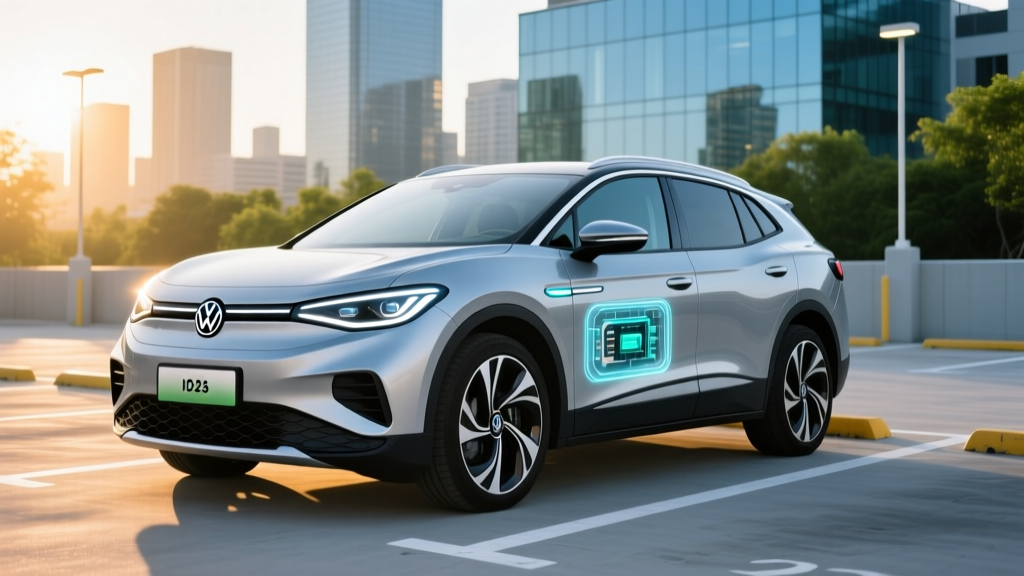
The Volkswagen ID.4 occupies a rare position in the compact electric SUV segment: it undercuts rivals on price while offering competitive range and usable cargo space. When a strong ID.4 lease offer surfaces — often backed by Volkswagen's own captive finance arm with subsidized money factors — it can make this EV one of the most affordable entries into electric driving. But a low monthly payment only matters if the vehicle fits your daily needs. This review dissects the 2026 ID.4's range, charging behavior, real-world ownership costs, and federal tax credit mechanics so you can evaluate any lease deal on the table with hard numbers, not marketing.
| Spec | Standard Range (RWD) | Pro / Pro S (RWD) | AWD Pro / Pro S |
|---|---|---|---|
| EPA Range | 206 mi | 291 mi | 263 mi |
| Battery (usable) | 62 kWh (NMC) | 82 kWh (NMC) | 82 kWh (NMC) |
| Horsepower | 201 hp | 282 hp | 335 hp |
| 0–60 mph | ~7.7 sec | ~7.3 sec | ~5.4 sec |
| Max DC Fast Charge | 135 kW | 175 kW | 175 kW |
| 10–80% DCFC Time | ~30 min | ~28 min | ~28 min |
| Level 2 Home Charge | 10.9 kW (~33 mi/hr) | 10.9 kW (~33 mi/hr) | 10.9 kW (~33 mi/hr) |
| MPGe (combined) | 104 MPGe | 107 MPGe | 101 MPGe |
| Cargo (behind 2nd row) | 30.3 cu ft | ||
| Cargo (seats folded) | 64.2 cu ft | ||
| Base MSRP (2026) | $39,735 | $43,735 | $47,735 |
Source: EPA fueleconomy.gov, Volkswagen of America. Specs reflect 2026 model year; verify with dealer for final trim pricing.
Real-World Range: What the EPA Sticker Doesn't Tell You
The ID.4 Pro's 291-mile EPA estimate assumes a mix of city and moderate-speed highway driving at roughly 65°F. In real-world testing:
- Highway (70–75 mph, flat terrain): Expect 240–260 miles on a full charge. Aerodynamic drag at speed cuts efficiency to roughly 3.0–3.2 mi/kWh.
- City / suburban mixed: 270–290 miles is achievable, as regenerative braking recovers energy in stop-and-go traffic.
- Cold weather (below 32°F): Range drops 20–30% without preconditioning, yielding ~200–230 miles for the Pro. The ID.4's heat pump (standard on Pro trims) helps but doesn't eliminate winter losses.
- Mountain / high elevation: Climbing consumes heavily; descending recovers via regen. Net loss of 10–15% on hilly routes.
The 82 kWh battery pack in the Pro and AWD trims uses NMC (nickel manganese cobalt) chemistry, which offers higher energy density than LFP but is more sensitive to sustained high state-of-charge. Volkswagen recommends daily charging to 80% and reserving 100% for long trips — a practice that extends long-term battery health.
Charging Speed: DC Fast Charging and Home Setup
| Charging Level | Power | Speed | Typical Use Case |
|---|---|---|---|
| Level 1 (120V) | ~1.2 kW | ~4 mi/hr | Overnight trickle; emergency top-up |
| Level 2 (240V, 48A) | 10.9 kW | ~33 mi/hr | Home daily charging; full charge in ~8 hrs (82 kWh pack) |
| DC Fast Charge (CCS) | Up to 175 kW | ~70% in 28 min | Road trips; Electrify America, ChargePoint, EVgo networks |
The 175 kW peak charge rate on the 82 kWh trims is competitive but not class-leading. Here's what matters for real charging sessions:
- Charge curve taper: The ID.4 holds near-peak power from roughly 10–45% SoC, then tapers progressively. The 10–80% time of ~28 minutes reflects this taper — don't expect a sustained 175 kW across the full session.
- Preconditioning: When you navigate to a DC fast charger in the ID.4's infotainment, the thermal management system warms or cools the battery to optimize charge acceptance. Skipping preconditioning in cold weather can add 10+ minutes to your stop.
- Connector: The ID.4 uses CCS1. Volkswagen includes complimentary Electrify America charging (typically 2 years of unlimited 30-min sessions) with new purchases/leases — confirm the current promotion terms with your dealer.
Performance and Drivetrain
The rear-wheel-drive ID.4 Pro delivers 282 hp and a 0–60 mph time around 7.3 seconds — adequate for merging and passing but not thrilling. The dual-motor AWD variant bumps output to 335 hp and drops the sprint to roughly 5.4 seconds, which feels meaningfully quicker in everyday driving.
Ride quality is a strength. The MEB platform gives the ID.4 a low center of gravity, and the suspension tuning prioritizes comfort over sportiness. Road noise is well-managed at highway speeds. The turning circle of 31.5 feet (RWD) is tight for the class, thanks to the rear-drive architecture — useful for urban parking.
One limitation: the ID.4's regenerative braking is modest compared to competitors. There's no true one-pedal driving mode. You'll use the friction brakes more often than in a Hyundai Ioniq 5 or Tesla Model Y, which some drivers find less intuitive.
Pricing, Lease Offers, and Federal Tax Credit Eligibility
Volkswagen has historically used aggressive lease incentives to move ID.4 volume, and 2026 is no exception. A competitive ID.4 lease offer typically features a low money factor (the lease equivalent of an interest rate), subsidized by VW Credit, which can make monthly payments significantly lower than financing a purchase.
| Trim | MSRP | Est. Monthly Lease* | §30D Tax Credit (Purchase) |
|---|---|---|---|
| Standard Range | $39,735 | $299–$379 | Up to $7,500 (see rules) |
| Pro (RWD) | $43,735 | $349–$429 | Up to $7,500 (see rules) |
| Pro S (RWD) | $47,735 | $389–$479 | Up to $7,500 (see rules) |
| AWD Pro | $47,735 | $399–$489 | Up to $7,500 (see rules) |
| AWD Pro S | $51,735 | $439–$529 | Up to $7,500 (see rules) |
*Estimated lease ranges assume 36-month term, 10,000 mi/yr, $3,500 due at signing, and tier-1 credit. Actual offers vary by region, dealer, and VW Credit promotions.
Does the ID.4 Qualify for the §30D Federal Tax Credit?
If you purchase (not lease) the ID.4, eligibility for the up-to-$7,500 federal EV tax credit under IRS §30D depends on several 2026 rules:
- MSRP cap: The ID.4 qualifies as an SUV, so the cap is $80,000 — all trims clear this easily.
- Buyer income cap: Modified AGI must not exceed $150,000 (single), $225,000 (head of household), or $300,000 (joint).
- Battery sourcing: The credit splits into two halves ($3,750 each) based on critical-mineral and battery-component sourcing requirements. The ID.4's battery is assembled in the U.S. (Chattanooga, TN), but critical-mineral sourcing varies by model year. Check the DOE/FuelEconomy credit lookup for the specific trim's current eligibility.
- Point-of-sale transfer: As of 2024, you can transfer the credit to the dealer at purchase, reducing your out-of-pocket cost immediately rather than waiting for a tax return.
Lease loophole: Under §45W, the commercial clean vehicle credit applies to leased EVs. The leasing company (VW Credit) claims the credit and may pass savings to you via a lower capitalized cost. This has no buyer income cap or MSRP cap, making leasing a potentially simpler path to savings — but the dealer/lender must structure it correctly. Confirm with your tax professional.
Interior, Tech, and Driver Assistance
The ID.4's cabin is spacious and practical. Rear-seat legroom measures 37.6 inches, and the flat floor (no transmission tunnel) makes the middle seat usable for adults. Cargo volume of 30.3 cu ft behind the second row and 64.2 cu ft with seats folded is competitive with the Toyota RAV4 and Honda CR-V.
Infotainment runs on VW's latest software with a 12.9-inch center display (Pro S and above). Wireless Apple CarPlay and Android Auto are standard. However, VW's capacitive-touch sliders for climate and volume remain a pain point — they lack backlighting on lower trims and are imprecise while driving.
Driver assistance includes Travel Assist (adaptive cruise + lane centering), which is an SAE Level 2 system — you must keep hands on the wheel and eyes on the road at all times. It's competent for highway cruising but not a substitute for attention. The ID.4 does not offer a hands-free driving system like GM's Super Cruise or Ford's BlueCruise.
Warranty and Long-Term Ownership
Volkswagen backs the ID.4 with a competitive warranty package:
- Battery: 8 years / 100,000 miles (whichever comes first), covering capacity loss below 70% of original.
- Powertrain: 8 years / 100,000 miles.
- Bumper-to-bumper: 4 years / 50,000 miles.
- Roadside assistance: 3 years / 36,000 miles.
The 70% capacity retention threshold is standard for the industry. Real-world degradation data from early ID.4 owners (2021–2023 models) suggests roughly 5–8% loss over the first 60,000 miles, which is within expectations for NMC chemistry. Volkswagen's Chattanooga-assembled battery packs use modules that can be individually replaced if a cell group fails, potentially reducing out-of-warranty repair costs compared to pack-only replacements.
Pros, Cons, and Who Should Lease the ID.4
- Aggressive lease pricing; often undercuts rivals monthly
- 291-mile EPA range on Pro RWD is sufficient for most commutes and road trips
- Comfortable ride, tight turning radius, practical cargo space
- U.S.-assembled battery supports §30D credit eligibility (verify sourcing)
- Included Electrify America charging reduces early ownership cost
- 175 kW peak DCFC is slower than Hyundai/Kia's 800V architecture (350 kW capable)
- Infotainment capacitive sliders are frustrating in daily use
- No one-pedal driving; regen is weaker than competitors
- Cold-weather range loss is significant without diligent preconditioning
- Base Standard Range trim's 206 miles may not suit road-trip-heavy drivers
Who This EV Suits Best
- Commuters (20–60 mi round trip): The ID.4 Pro's range and comfort make it ideal. Home Level 2 charging covers daily needs easily.
- Small families: Rear seat space, cargo volume, and standard safety features check the boxes. AWD adds confidence in snow-belt states.
- Budget-conscious EV shoppers: If a strong lease offer is available, the ID.4's monthly cost can undercut gas-powered compact SUVs when fuel savings are factored in.
Who Should Look Elsewhere
- Frequent road trippers: The 175 kW charge rate means slightly longer stops than an Ioniq 5 or Model Y on DC fast chargers.
- One-pedal driving enthusiasts: The regen calibration won't satisfy drivers who want to minimize brake use.
Frequently Asked Questions
What is the real-world range of the 2026 VW ID.4?
The Pro RWD trim carries a 291-mile EPA estimate. Expect 240–260 miles on highway-heavy trips and 200–230 miles in freezing temperatures. The Standard Range trim's 206-mile EPA figure drops to roughly 165–180 miles in winter conditions.
How fast does the ID.4 charge at home and on the road?
On a Level 2 home charger (240V, 48A), the ID.4 charges at 10.9 kW, adding roughly 33 miles per hour — a full charge takes about 8 hours for the 82 kWh pack. On DC fast chargers, it peaks at 175 kW, reaching 80% in approximately 28 minutes with battery preconditioning active.
How much does the ID.4 cost after tax credits?
If purchasing and qualifying for the full §30D credit ($7,500), the Pro RWD's $43,735 MSRP drops to roughly $36,235 out of pocket (before state incentives). Lease structures may pass savings via a lower cap cost under the §45W commercial credit — consult your dealer and tax advisor.
Is the ID.4 worth it vs. the Tesla Model Y or Hyundai Ioniq 5?
The ID.4 wins on lease affordability and ride comfort. The Model Y offers superior charging infrastructure and range; the Ioniq 5 charges faster (350 kW capable) and has more distinctive styling. If monthly payment is your top priority and a VW lease offer is strong, the ID.4 is compelling. If road-trip charging speed matters most, look at Hyundai or Tesla.
Does the ID.4 qualify for the federal EV tax credit in 2026?
It can, but eligibility depends on the buyer's income (under $150K single / $300K joint), the specific battery's critical-mineral sourcing, and the MSRP cap ($80K for SUVs — the ID.4 clears this). Check the current status on fueleconomy.gov and consult a tax professional before committing.
What's the biggest drawback of leasing vs. buying the ID.4?
Lease payments are often lower monthly, and the §45W commercial credit can reduce the cap cost. However, you don't build equity, you face mileage restrictions (typically 10K–15K mi/yr), and you can't claim the §30D purchase credit directly. If you drive high miles or want to keep the vehicle long-term, purchasing with the §30D credit may yield better total cost of ownership.