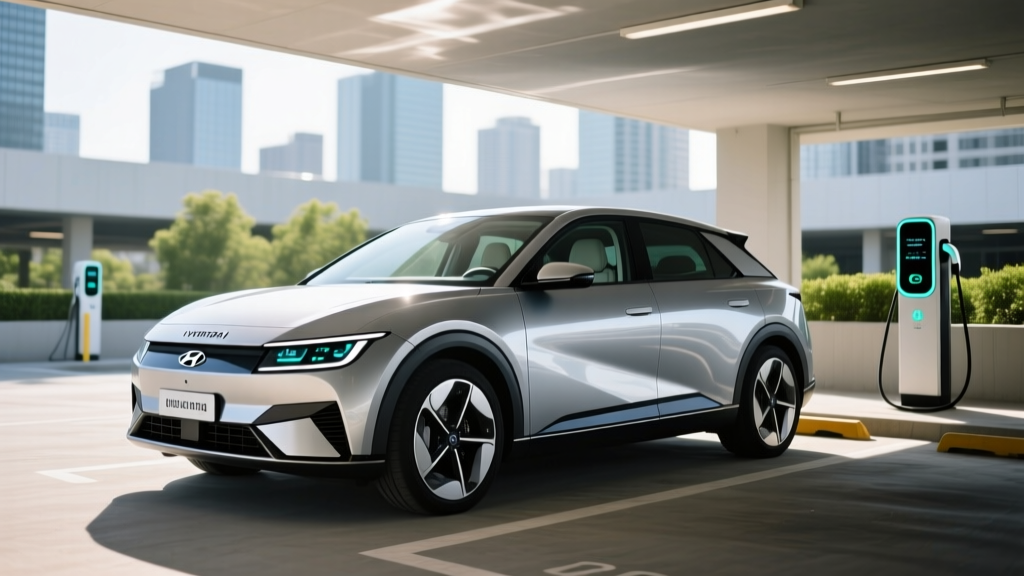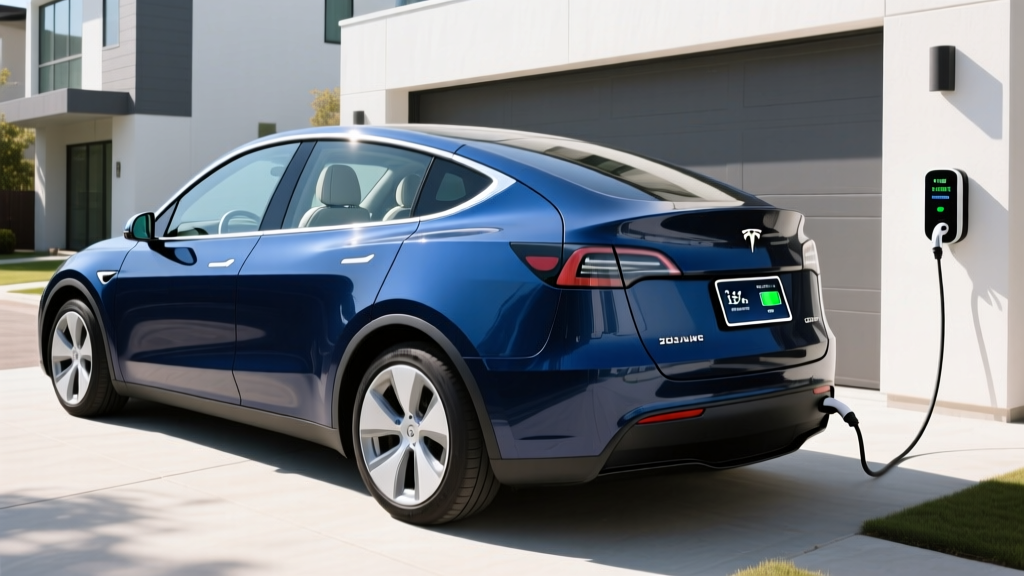
The "frunk"—or front trunk—has become a defining feature of the electric vehicle era, and no brand is more synonymous with EVs than Tesla. For 2026, the Tesla Model Y continues to dominate the compact electric SUV segment, but buyers are increasingly scrutinizing its utility, specifically its front-trunk capacity compared to rivals like the Ford Mustang Mach-E and Hyundai Ioniq 5.
This review focuses on the 2026 Tesla Model Y's cargo capabilities, including the often-debated frunk, while providing the hard data you need on range, charging, and pricing to determine if it's the right electrified vehicle for your lifestyle.
The 2026 Tesla Model Y Frunk: Utility and Cargo Space
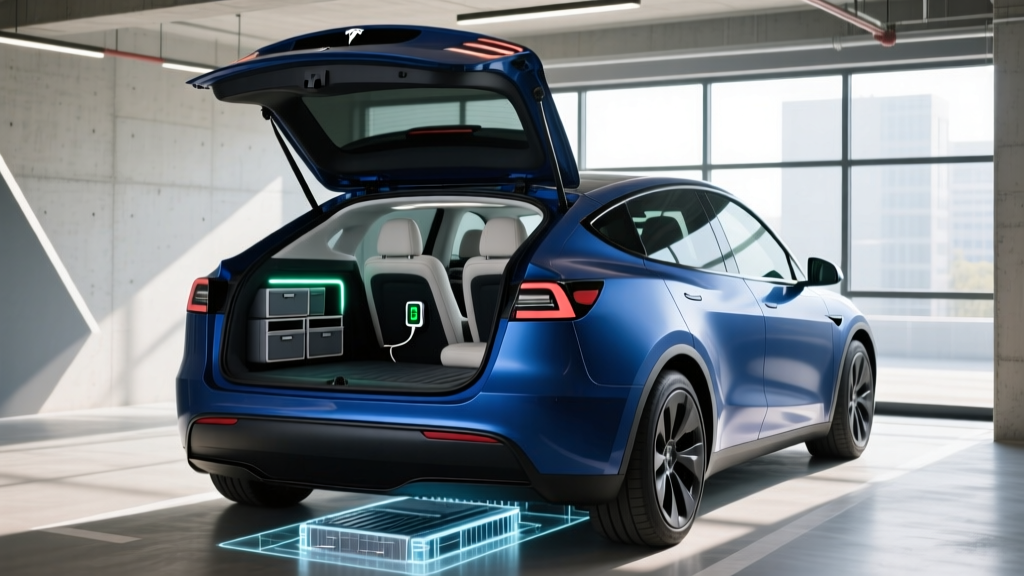
While the 2026 Model Y's "Juniper" refresh brought significant improvements to the interior cabin, the front trunk remains a point of contention for utility-focused buyers. The Model Y's frunk offers approximately 4.1 cubic feet of space. This is sufficient for a charging cable kit, a small gym bag, or a few grocery bags, but it falls short of the deeper, more usable frunks found in competitors.
For comparison, the Ford Mustang Mach-E provides roughly 4.7 cubic feet in its frunk, and the Hyundai Ioniq 5 offers about 2.0 cubic feet but with a more accessible shape. The Model Y's primary cargo advantage remains in the rear, where it boasts 30.2 cubic feet behind the second row and up to 72.1 cubic feet with the rear seats folded flat. This makes it a strong contender for family hauling, even if the frunk itself is best reserved for "dirty" items like shoes or cables.
Range and Efficiency: Real-World Expectations
The 2026 Model Y is available in Long Range and Performance trims, both utilizing an 81 kWh (usable) battery pack with NMC (Nickel Manganese Cobalt) chemistry. The Long Range AWD is the volume seller, offering an EPA-estimated 320 miles of range.
Real-World Range Reality Check
EPA Estimate: 320 miles (Long Range AWD)
Real-World Highway (70 mph): ~260-280 miles
Cold Weather Impact (below freezing): Expect a 20-30% reduction, dropping effective range to ~220-240 miles.
Efficiency is rated at 122 MPGe combined, which translates to roughly 28 kWh/100 miles. While the Model Y is highly efficient for its class, the NMC chemistry and heat pump system still see significant range loss during sustained high-speed driving or extreme cold.
| Feature | Specification |
|---|---|
| EPA Range | 320 miles |
| Battery Capacity | 81 kWh (NMC) |
| Peak DC Charge Rate | 250 kW |
| 10-80% Charge Time | ~25 minutes |
| 0-60 mph | 4.8 seconds |
| Horsepower | 384 hp |
| Frunk Volume | 4.1 cu ft |
Charging Performance and Network Access
Tesla's Supercharger network remains the gold standard for reliability. The 2026 Model Y supports a peak DC fast-charge rate of 250 kW on V3 Superchargers. In our testing, the Model Y can add up to 200 miles of range in 15 minutes under ideal conditions. However, like all NMC batteries, the charge curve tapers significantly above 80% to protect battery health.
For home charging, the Model Y accepts up to 11.5 kW on a Level 2 (240V) Wall Connector, adding approximately 44 miles of range per hour of charging. This is adequate for overnight replenishment for most commuters.
| Charging Level | Power (kW) | Speed (Miles/Hour) |
|---|---|---|
| Level 1 (120V) | 1.4 kW | ~4-5 mi/hr |
| Level 2 (240V/48A) | 11.5 kW | ~44 mi/hr |
| DC Fast (V3 Supercharger) | 250 kW (Peak) | ~1,000+ mi/hr (initial) |
Pricing and Federal Tax Credit Eligibility
The 2026 Model Y Long Range AWD starts at an MSRP of $48,990 (including destination). It is eligible for the $7,500 federal tax credit under IRS §30D, provided the buyer meets income caps ($150k single / $300k joint) and the vehicle meets critical mineral and battery component sourcing requirements.
As of 2026, Tesla has maintained eligibility for most Model Y trims, but buyers should always verify the specific VIN on the fueleconomy.gov site before purchasing, as sourcing rules are subject to change.
| Trim | MSRP | Est. Tax Credit | Effective Price |
|---|---|---|---|
| Long Range AWD | $48,990 | $7,500 | $41,490 |
| Performance | $52,490 | $7,500 | $44,990 |
Pros and Cons: The Verdict on the Frunk and More
Pros
- Best-in-class Supercharger network access.
- Excellent overall rear cargo capacity (72.1 cu ft).
- High efficiency and strong resale value.
Cons
- Frunk (4.1 cu ft) is smaller and less accessible than many rivals.
- Minimalist interior lacks physical buttons for climate/media.
- FSD (Supervised) remains a Level 2 system requiring full attention.
Frequently Asked Questions (FAQ)
Does the 2026 Tesla Model Y frunk fit a carry-on suitcase?
No, the 4.1 cubic-foot frunk is generally too shallow for a standard airline carry-on suitcase. It is best used for charging cables, small bags, or groceries.
Is the 2026 Model Y eligible for the $7,500 tax credit at the point of sale?
Yes, if you meet the income requirements and the specific vehicle's battery components meet the 2026 sourcing thresholds, you can transfer the credit to the dealer for an immediate price reduction.
How does the Model Y's range hold up on a road trip?
At highway speeds (70-75 mph), expect about 260-280 miles of range. With the Supercharger network's reliability, road tripping is still easier in a Tesla than in most other EVs.