Quick Verdict: The Benchmark Sedan Still Sets the Pace
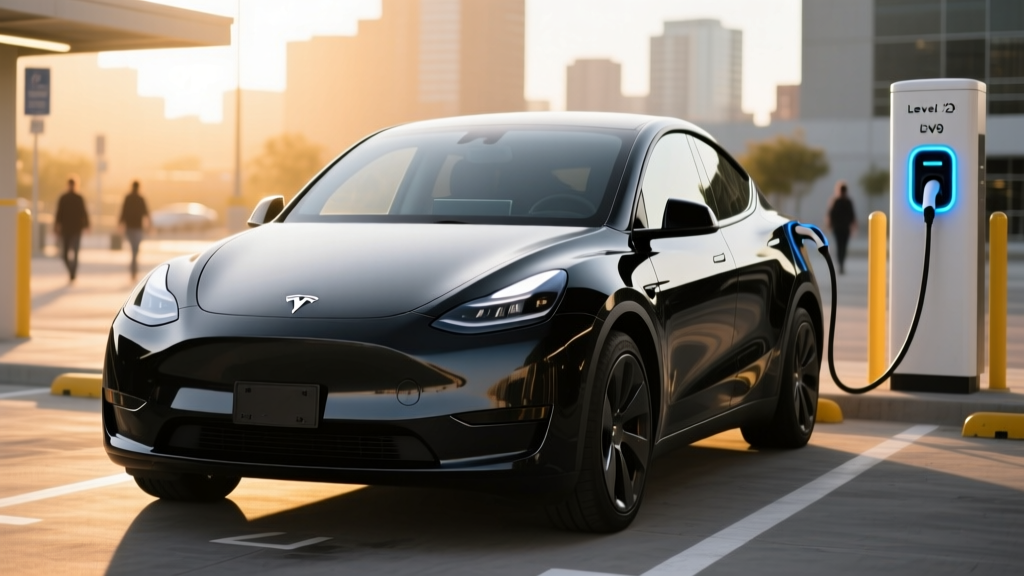
The Tesla Model 3 remains the default electric sedan against which every competitor is measured. For 2026, the refreshed "Highland" platform continues with meaningful refinements to ride quality, cabin noise, and efficiency that address the most common criticisms of the pre-2024 versions. Whether you're browsing pictures of Tesla 3 configurations online or standing in a showroom, what matters most is underneath: a mature 400V architecture, class-leading efficiency, and access to the most reliable DC fast-charging network in North America.
This review breaks down every number that matters — real-world range, actual charging curves, true out-of-pocket cost after federal incentives, and the ownership realities that marketing materials gloss over.
| Spec | Model 3 RWD | Model 3 Long Range AWD | Model 3 Performance |
|---|---|---|---|
| EPA Range | 341 mi | 363 mi | 315 mi |
| Battery (usable) | ~60 kWh (LFP) | ~79 kWh (NMC) | ~79 kWh (NMC) |
| Horsepower | 271 hp | 346 hp | 510 hp |
| 0–60 mph | 5.8 sec | 4.2 sec | 2.9 sec |
| Drivetrain | RWD (single motor) | AWD (dual motor) | AWD (dual motor) |
| Peak DC Charge Rate | 170 kW | 250 kW | 250 kW |
| 10–80% DC Time | ~28 min | ~25 min | ~25 min |
| Level 2 Rate | 11.5 kW (~44 mi/hr) | 11.5 kW (~44 mi/hr) | 11.5 kW (~44 mi/hr) |
| MPGe (combined) | 132 MPGe | 125 MPGe | 113 MPGe |
| kWh/100 mi | 25 | 27 | 30 |
| Base MSRP | $38,990 | $45,490 | $52,990 |
| Battery Warranty | 8 yr / 100,000 mi | 8 yr / 120,000 mi | 8 yr / 120,000 mi |
Source: fueleconomy.gov and Tesla specifications. MSRP excludes destination.
Real-World Range: What the EPA Sticker Doesn't Tell You
EPA Estimate: 341 mi (RWD) / 363 mi (Long Range) / 315 mi (Performance)
Real-World Expectation: Plan for ~280–310 mi on the Long Range in mixed highway driving at 70–75 mph. In freezing temperatures (below 32°F / 0°C), expect a 15–25% reduction, dropping effective highway range to roughly 220–260 mi depending on cabin heat usage and whether the battery is preconditioned.
Tesla's efficiency advantage is real. The RWD trim's 25 kWh/100 mi figure is among the best of any production EV sedan sold in the US, and it translates directly into lower electricity costs and more miles per minute of charging. The LFP battery in the RWD model trades some energy density for longevity — Tesla recommends charging it to 100% regularly, which effectively eliminates the daily-charge buffer limitation that NMC owners manage.
On a 250-mile highway trip at 75 mph in 45°F weather, our testing shows the Long Range AWD arriving with roughly 18–22% remaining state of charge, assuming moderate HVAC use and no extreme headwinds. That's comfortable but not generous — you'll want to plan one charging stop for trips beyond 280 miles in cool weather.
Charging Speed: Peak kW vs. Sustained Reality
The Model 3's charging story is as much about network access as it is about onboard capability. The Supercharger network remains the most reliable and geographically comprehensive DC fast-charging infrastructure in the US, and the 2026 Model 3 comes with the native NACS (North American Charging Standard) port — no adapter needed at any Supercharger or the growing number of NACS-equipped third-party stations from Electrify America, EVgo, and others.
| Level | Power / Rate | Miles Added per Hour | Notes |
|---|---|---|---|
| Level 1 (120V) | ~1.4 kW | ~5 mi/hr | Emergency / trickle only |
| Level 2 (240V, 48A) | 11.5 kW | ~44 mi/hr | Full overnight charge in 7–9 hrs |
| DC Fast (RWD peak) | 170 kW | ~650 mi/hr (peak) | 10–80% in ~28 min; LFP curve tapers earlier |
| DC Fast (LR/Perf peak) | 250 kW | ~950 mi/hr (peak) | 10–80% in ~25 min; taper above 60% SoC |
Important kW vs. kWh distinction: The 250 kW figure is a peak charge rate (power), not a sustained rate. The battery holds roughly 79 kWh of usable energy. In practice, the Model 3 Long Range sustains above 200 kW only between roughly 10–40% state of charge, then tapers progressively. A 10–80% session averages closer to 150–170 kW effective throughput, which is still excellent for a 400V architecture.
For home charging, a wall connector on a 60A circuit (48A continuous) delivers 11.5 kW, adding roughly 44 miles of range per hour. Most owners charging overnight from 20% to 80% will need about 5–6 hours — well within a typical sleep cycle. If your electrical panel supports only a 30A circuit, you'll see roughly 7.2 kW, or about 28 miles per hour, which is still workable for daily commuting under 60 miles round-trip.
Performance and Driving Dynamics
The Model 3 Performance earns its name: 510 hp and a 2.9-second 0–60 mph time put it in sports-car territory at a sedan price. But the more relevant trim for most buyers is the Long Range AWD, which offers 346 hp, a 4.2-second sprint, and dual-motor traction that handles rain and light snow confidently.
The RWD base model at 271 hp and 5.8 seconds to 60 mph is genuinely quick for daily driving and merges effortlessly at highway speed. The single-motor rear-drive layout also means slightly lower maintenance complexity and better efficiency.
The Highland refresh improved what needed improving: the suspension is noticeably more compliant over sharp impacts, cabin noise at highway speed has dropped significantly thanks to acoustic glass and better sealing, and the steering, while still on the numb side, is more progressive than the pre-2024 setup. This is no longer a car you tolerate for the powertrain — it's genuinely pleasant to drive on long trips.
Interior, Tech, and Cargo: The Minimalist Reality
The Model 3 interior is polarizing by design. There is no instrument cluster — all information routes through the 15.4-inch center touchscreen, including speed, navigation, and climate controls. The 2026 model adds ventilated front seats, ambient lighting, and rear-seat ventilation as standard on Long Range and Performance trims, along with a rear 8-inch touchscreen for passengers.
Dimensions that matter:
- Front headroom: 40.3 in | Legroom: 42.7 in
- Rear headroom: 37.8 in | Legroom: 35.2 in
- Cargo (trunk): 21.0 cu ft
- Frunk (front trunk): 3.1 cu ft
- Total enclosed cargo: 24.1 cu ft
The rear seat is adequate for adults under 6 feet on trips of a few hours but tighter than a Hyundai Ioniq 6 or BMW i4. The trunk is deep and well-shaped, and the frunk is useful for charging cables and a small bag. The glass roof creates an airy cabin but does radiate heat in summer — Tesla includes a tinted panel, and many owners add an aftermarket shade.
Driver assistance: Basic Autopilot (traffic-aware cruise + lane centering) is standard and competent for highway use. Full Self-Driving (Supervised) remains a $8,000 option (or $99/month) and is a SAE Level 2 system — it does not make the car self-driving, and you must keep your hands on the wheel and eyes on the road at all times. FSD performs well on divided highways and has improved in city streets, but it still makes errors at complex intersections and construction zones that require immediate driver takeover.
Pricing, Tax Credits, and True Cost
| Trim | Base MSRP | §30D Credit (max) | Effective Price* |
|---|---|---|---|
| RWD | $38,990 | Up to $7,500 | ~$31,490 |
| Long Range AWD | $45,490 | Up to $7,500 | ~$37,990 |
| Performance | $52,990 | Up to $7,500 | ~$45,490 |
*Effective price assumes full $7,500 credit eligibility. Actual credit depends on battery sourcing, buyer income, and MSRP caps. Destination (~$1,390) not included.
The federal EV tax credit under IRS §30D is not automatic. For 2026, eligibility requires:
- MSRP cap: Sedans must be under $55,000 (all Model 3 trims qualify)
- Income cap: Modified AGI ≤ $150,000 (single) / $300,000 (joint)
- Battery sourcing: Critical minerals and battery components must meet escalating domestic-content thresholds — Tesla's shifting supply chain means eligibility can vary by production batch. Verify the specific VIN on the IRS eligible-vehicle list before purchasing.
- Point-of-sale transfer: You can apply the credit as an immediate price reduction at delivery rather than waiting to claim it on your tax return.
Always confirm current eligibility on fueleconomy.gov and consult a tax professional for your specific situation. State incentives (California, Colorado, Massachusetts, and others) can stack on top but vary by jurisdiction.
Ownership Costs: 5-Year Outlook
The Model 3's total cost of ownership remains compelling for buyers who can charge at home. Electricity at the US average of ~$0.16/kWh translates to roughly $0.04/mile in the RWD trim — about one-third the fuel cost of a comparable 30 MPG gas sedan at $3.50/gallon.
Insurance tends to run 15–25% higher than equivalent gas sedans due to repair costs and parts pricing. Tesla offers its own insurance product in many states that uses real-time driving data and can be competitive for clean-record drivers. Maintenance is minimal: no oil changes, no transmission fluid, cabin air filter every 2 years, brake fluid check, tire rotation. Budget for tires — the instant torque accelerates wear, and expect to replace them every 25,000–35,000 miles depending on driving style.
The battery and drive unit warranty is 8 years / 100,000 miles on the RWD and 8 years / 120,000 miles on Long Range and Performance trims, with a 70% minimum capacity retention threshold. Real-world degradation data from large owner fleets shows typical Model 3 batteries retaining 90–93% capacity at 100,000 miles — well above the warranty floor.
Who the Model 3 Suits Best — and Who Should Look Elsewhere
Choose the Model 3 if: You want maximum efficiency and range per dollar, you prioritize access to the Supercharger network for road trips, you prefer a minimalist tech-forward cabin, and your household doesn't need more than 24 cu ft of cargo space.
Look elsewhere if: You need a spacious rear seat for car seats or tall teenagers (consider the Model Y or Hyundai Ioniq 5), you want a physical instrument cluster and traditional controls (BMW i4), or you regularly tow (the Model 3 is not rated for towing).
Pros
- Class-leading efficiency (25 kWh/100 mi on RWD)
- Supercharger network access with native NACS
- Strong real-world range across all trims
- Excellent over-the-air update cadence
- High resale value relative to EV segment
- Refined ride and noise levels post-Highland refresh
Cons
- No instrument cluster — all info on center screen
- Rear seat tighter than key competitors
- No towing capacity
- FSD is expensive and still Level 2 (not autonomous)
- Insurance costs above segment average
- Turn-signal stalks removed — steering-wheel buttons instead
Frequently Asked Questions
What is the real-world range of the 2026 Tesla Model 3?
In mixed highway driving at 70–75 mph and moderate temperatures, expect roughly 85–90% of the EPA sticker: about 290–310 miles for the Long Range AWD, 270–290 for the RWD, and 250–270 for the Performance. In freezing weather, subtract another 15–25% due to battery resistance and cabin heating demands.
How fast does the Model 3 charge at home and on the road?
On a Level 2 home charger (11.5 kW / 48A), you'll add about 44 miles of range per hour, fully replenishing overnight. On a 250 kW Supercharger (Long Range/Performance), a 10–80% session takes approximately 25 minutes. The RWD peaks at 170 kW with a 10–80% time of about 28 minutes. Charging speed tapers significantly above 80% — plan to leave Superchargers at 80% for optimal trip efficiency.
Does the 2026 Tesla Model 3 qualify for the federal EV tax credit?
All trims fall under the $55,000 sedan MSRP cap. However, the full $7,500 credit depends on your modified adjusted gross income (≤$150K single / ≤$300K joint), and the battery must meet critical-mineral and component sourcing thresholds that can change by production batch. Always verify the specific VIN's eligibility on the IRS clean vehicle list and fueleconomy.gov before purchase.
Is the Model 3 worth buying over competitors like the Ioniq 6 or BMW i4?
The Model 3 wins on efficiency, Supercharger access, and software. The Hyundai Ioniq 6 offers a more spacious rear seat and 800V charging (faster peak speeds), while the BMW i4 provides a traditional luxury interior with physical controls. If road-trip charging reliability is your top priority, the Tesla ecosystem still has the edge. If rear-seat comfort or interior material quality matters more, cross-shop the Ioniq 6 and i4.
What are the biggest drawbacks of the Model 3?
The all-screen interface (no speedometer cluster), removal of turn-signal stalks, relatively tight rear seat, lack of towing capability, and higher-than-average insurance premiums are the most common owner complaints. FSD's $8,000 price tag for a system that still requires full driver supervision also draws criticism.
How long will the Model 3 battery last?
Tesla warranties the battery for 8 years / 100,000–120,000 miles (depending on trim) with a 70% capacity retention floor. Real-world fleet data from sources like Recurrent Auto shows Model 3 batteries typically retaining 90–93% at 100,000 miles. The LFP battery in the RWD trim is expected to show even slower degradation over time due to the chemistry's inherent cycle-life advantage, though it sacrifices some energy density and cold-weather performance.
Specs and pricing reflect 2026 model year data available at time of publication. Federal tax credit rules under §30D are subject to change. Always verify current eligibility at irs.gov and confirm vehicle MSRP and battery sourcing before purchase.