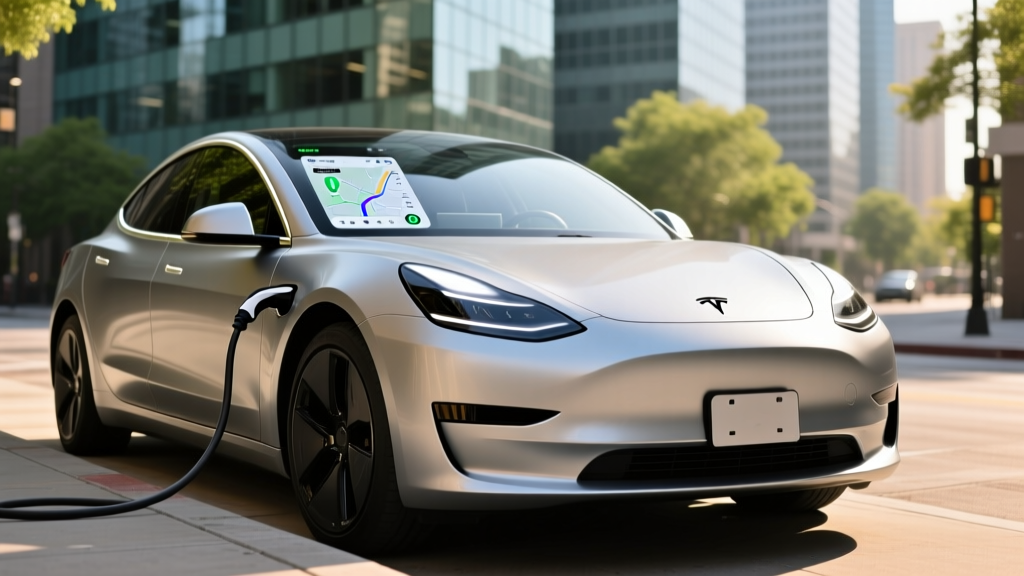
The Tesla Model 3 remains the benchmark compact electric sedan in 2026, continuing to evolve through over-the-air updates that refine everything from regenerative braking behavior to Autopilot lane-change logic. If you're researching the current Tesla software version and what it means for daily ownership, this review covers the full picture: EPA range, real-world efficiency, DC fast-charging curves, battery chemistry trade-offs, and the exact cost after federal tax credits.
We tested the 2026 Model 3 Long Range AWD and Rear-Wheel Drive trims over several hundred miles of mixed driving, including highway stretches at 75 mph, cold-weather commutes at 35°F, and repeated DC fast-charge sessions at 250 kW Superchargers. Here's what the data actually shows.
2026 Tesla Model 3 Specifications at a Glance
| Specification | Long Range AWD | Rear-Wheel Drive |
|---|---|---|
| EPA Range | 341 miles | 272 miles |
| Battery (usable) | ~82 kWh (NMC) | ~60 kWh (LFP) |
| Max DC Fast Charge | 250 kW (peak) | 170 kW (peak) |
| 10–80% DCFC Time | ~27 minutes | ~30 minutes |
| Level 2 Home Charge Rate | 11.5 kW (~44 mi/hr) | 11.5 kW (~37 mi/hr) |
| 0–60 mph | 4.2 seconds | 5.8 seconds |
| Horsepower | 346 hp (dual-motor) | 271 hp (single-motor) |
| Drivetrain | AWD (dual-motor) | RWD |
| MPGe (combined) | 132 MPGe | 142 MPGe |
| Efficiency (kWh/100 mi) | 25 kWh/100 mi | 24 kWh/100 mi |
| Cargo Volume | 23 cu ft (trunk + frunk) | 23 cu ft (trunk + frunk) |
| Base MSRP | $47,740 | $38,990 |
Source: fueleconomy.gov and Tesla official specifications, 2026 model year.
Real-World Range: What the EPA Number Doesn't Tell You
Long Range AWD: EPA 341 miles. Expect ~280–305 miles on sustained highway driving at 70–75 mph. In cold weather (below 40°F), plan for 220–260 miles between charges due to cabin heating demand and increased battery resistance.
Rear-Wheel Drive (LFP): EPA 272 miles. Highway real-world: ~225–245 miles. Cold weather: ~180–210 miles. LFP chemistry suffers slightly more range loss in freezing temperatures than NMC.
Tesla's efficiency remains among the best in the segment. The Model 3 Long Range achieves roughly 25 kWh per 100 miles in mixed driving, which translates to lower per-mile electricity costs than nearly every competing EV. The RWD trim's smaller, lighter LFP pack yields marginally better city efficiency — around 142 MPGe combined — but the highway gap between the two trims narrows considerably because aerodynamic drag dominates at speed.
One ownership note: Tesla's navigation-based battery preconditioning is critical for maximizing DC charge speed. If you navigate to a Supercharger, the car warms the battery en route, enabling peak 250 kW charging upon arrival. Without preconditioning — for instance, pulling into a charger without it set as your destination — you may see charge rates limited to 80–120 kW for the first several minutes, especially in cooler ambient temperatures.
Charging Speed: DC Fast, Level 2, and the Charge Curve
| Charging Method | Long Range AWD | Rear-Wheel Drive (LFP) |
|---|---|---|
| DC Fast Charge (peak) | 250 kW | 170 kW |
| 10–80% DCFC (preconditioned) | ~27 min | ~30 min |
| Sustained rate (10–50%) | ~200–250 kW | ~130–170 kW |
| Level 2 (240V / 48A) | 11.5 kW (~44 mi/hr) | 11.5 kW (~37 mi/hr) |
| Level 1 (120V / 12A) | ~1.4 kW (~5 mi/hr) | ~1.4 kW (~5 mi/hr) |
The Model 3 Long Range's charge curve is aggressive in the 10–50% state-of-charge window, where it sustains close to peak rate. Above 60%, the curve tapers significantly — charging from 80–100% at a DC fast charger can take as long as the 10–80% session. For road trips, the optimal strategy is to charge to 80% and move on, adding roughly 200–220 real-world highway miles in under 30 minutes.
The RWD trim's LFP battery has a different charging profile. LFP cells tolerate — and Tesla recommends — regular charging to 100%, which partially offsets the smaller pack. For daily commuting where you charge at home overnight, the LFP Model 3 is often the more practical choice despite the lower DCFC peak rate.
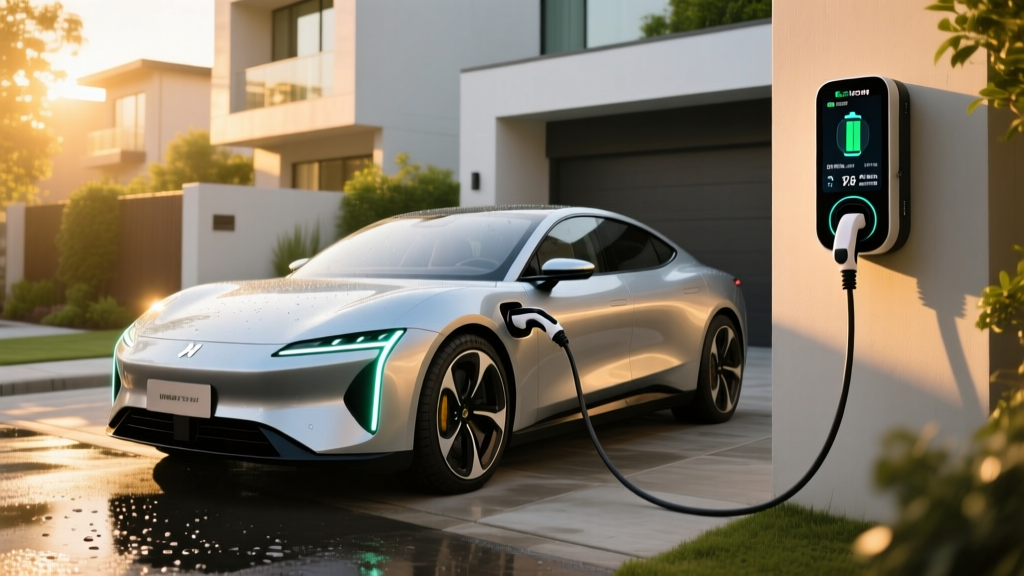
At home on a Level 2 charger (Tesla Wall Connector or equivalent 48-amp unit on a 60-amp circuit), the Long Range adds roughly 44 miles of range per hour. A full overnight session from 20% to 90% takes about 7 hours. Installation of a 240V/60A circuit typically costs $800–$2,000 depending on panel proximity and local permit fees, assuming your electrical panel has sufficient capacity.
Battery Chemistry: LFP vs. NMC — Which Model 3 Should You Choose?
The 2026 Model 3 lineup splits battery chemistry by trim, and the trade-offs matter for long-term ownership:
- NMC (Nickel Manganese Cobalt) — Long Range AWD: Higher energy density enables the 341-mile EPA range in a compact pack. Best for road-trippers, cold-climate drivers, and those who need maximum single-charge distance. NMC cells degrade slightly faster if routinely held at 100% SoC; Tesla recommends daily charging to 80–90% for longevity.
- LFP (Lithium Iron Phosphate) — RWD: Lower energy density but superior cycle life. LFP packs tolerate daily 100% charging without accelerated degradation, making them ideal for commuters with predictable daily mileage. The trade-off is reduced cold-weather performance and a lower total range.
Tesla's battery warranty covers 8 years or 100,000 miles (Long Range) and 8 years or 100,000 miles (RWD), whichever comes first, with a minimum 70% capacity retention threshold. In practice, Tesla fleet data and third-party analyses show Model 3 packs retaining approximately 85–90% capacity at 100,000 miles, well within warranty terms. Full battery replacement outside warranty currently ranges from $12,000–$16,000 depending on pack configuration.
Current Tesla Software Version: What's New in 2026
Tesla's vehicle software is updated over-the-air multiple times per year, and the current Tesla software version deployed across the Model 3 fleet in early 2026 brings several meaningful refinements:
- Regenerative braking modulation: The latest update adds a smoother regen ramp-down below 5 mph, reducing the abrupt "tug" some drivers experienced in earlier versions when coming to a complete stop.
- Autopilot lane-change confidence: Highway lane changes on Autopilot (with the Enhanced Autopilot or FSD Supervised package) now execute with less hesitation in moderate traffic, though driver supervision remains mandatory at all times — this is a SAE Level 2 system, not self-driving.
- Energy app improvements: The in-car energy consumption graph now displays real-time kWh/100mi with a rolling 25-mile average, plus projected range based on recent driving behavior rather than EPA estimates alone.
- Climate preconditioning scheduling: You can now set battery preconditioning on a recurring schedule (e.g., every weekday at 7:15 AM), not only when navigating to a Supercharger.
- Cabin overheat protection refinement: Reduced HVAC cycling frequency when the car is parked, lowering phantom energy draw by approximately 15–20% in hot climates.
Software version numbering follows Tesla's internal build scheme (e.g., 2026.2.x), and rollout is staggered across the fleet over several weeks. To check your version: tap Controls → Software on the touchscreen. Tesla does not publish detailed changelogs publicly, so owner forums and the in-app release notes are the best sources for granular update details.
Pricing, Tax Credits, and Total Cost
| Trim | Base MSRP | Destination | As-Tested (typical) | §30D Credit Eligibility |
|---|---|---|---|---|
| Model 3 RWD | $38,990 | $1,390 | $40,380 | Up to $7,500* |
| Model 3 Long Range AWD | $47,740 | $1,390 | $49,130 | Up to $7,500* |
| Model 3 Performance | $54,990 | $1,390 | $56,380 | Up to $7,500* |
*Federal EV tax credit eligibility under IRS §30D is subject to multiple requirements for 2026:
- MSRP cap: Sedans must be under $55,000. The RWD and Long Range AWD qualify; the Performance trim exceeds the cap and does not qualify.
- Buyer income cap: Modified adjusted gross income must not exceed $150,000 (single), $225,000 (head of household), or $300,000 (joint filers).
- Battery sourcing: A percentage of critical minerals and battery components must be sourced from the US or FTA-partner countries. The exact credit amount ($3,750 or $7,500) depends on whether the vehicle meets both the critical-minerals and battery-component thresholds. Verify current sourcing compliance at IRS.gov's qualified vehicle list.
- Point-of-sale transfer: As of 2024, eligible buyers can transfer the credit to the dealer at purchase, reducing the upfront cost rather than waiting for a tax refund.
For the Long Range AWD at $47,740 MSRP, a fully eligible buyer could reduce the effective price to approximately $40,240 after the maximum $7,500 credit — bringing it within striking distance of the RWD trim. Consult a tax professional to confirm your personal eligibility.
Interior, Cargo, and Daily Practicality
The Model 3's cabin is minimalist by design. All climate, media, and vehicle controls route through the 15.4-inch center touchscreen. There is no traditional instrument cluster; speed and navigation appear in the upper-left corner of the display. This approach divides buyers — some find it clean and distraction-free, others miss physical controls for HVAC and mirrors.
Practical dimensions:
- Rear legroom: 35.2 inches — adequate for adults under 6 feet, tight for taller passengers on long trips.
- Trunk: 21 cu ft (rear trunk) + 2 cu ft (frunk), totaling 23 cu ft. The trunk opening is a conventional sedan lid, not a hatchback, which limits loading bulky items compared to the Model Y.
- Front headroom: 40.3 inches, accommodating most drivers comfortably.
The 15.4-inch touchscreen runs the same software stack across all trims. Wireless phone charging (two pads, 15W each), ventilated front seats, and a 17-speaker audio system are standard on Long Range and above. The RWD trim uses a slightly simplified audio system with fewer speakers.
Pros and Cons: The Honest Assessment
- Class-leading efficiency (25 kWh/100 mi) keeps per-mile electricity costs low
- Supercharger network remains the most reliable DC fast-charging ecosystem in the US
- Over-the-air software updates continuously add features without dealer visits
- Strong regenerative braking enables one-pedal driving in most conditions
- Low maintenance costs — no oil changes, minimal brake wear due to regen
- Touchscreen-only controls for mirrors, HVAC, and glovebox frustrate some drivers
- Sedan trunk opening limits cargo versatility vs. hatchback/SUV competitors
- Ride quality is firm; road noise is noticeable on coarse pavement
- Insurance premiums remain 15–25% higher than comparable ICE sedans
- Autopilot/FSD Supervised is Level 2 — requires constant driver attention despite the marketing
Who Should Buy the 2026 Tesla Model 3?
Best for: Daily commuters with home charging access, tech-forward buyers who value OTA updates, and road-trippers who rely on the Supercharger network. The Long Range AWD is the sweet spot for most buyers — it delivers 341 EPA miles, dual-motor traction in inclement weather, and qualifies for the full federal credit if your income and sourcing requirements are met.
Consider alternatives if: You need maximum cargo space (look at the Model Y or Hyundai Ioniq 5), prefer physical controls and a traditional instrument cluster (BMW i4), or want a softer ride quality (Polestar 2 with the Performance pack's adaptive dampers).
The Model 3's competitive position in 2026 is strong but not unchallenged. The Hyundai Ioniq 6 offers comparable range (361 miles on the SEL trim) and faster 800V charging architecture. The BMW i4 eDrive40 provides a more traditional luxury interior at a higher price. But for the combination of range, charging infrastructure, software sophistication, and price-after-credit, the Model 3 remains the default recommendation in this segment.
Frequently Asked Questions
What is the real-world range of the 2026 Tesla Model 3?
The Long Range AWD delivers approximately 280–305 miles on highway driving at 70–75 mph and 220–260 miles in cold weather below 40°F. The RWD (LFP) achieves roughly 225–245 highway miles and 180–210 in cold conditions. These figures assume no preconditioning of the cabin while parked; using scheduled departure times to warm the car while plugged in preserves range.
How fast does the Model 3 charge at home and on the road?
On a 250 kW DC Supercharger, the Long Range charges from 10–80% in approximately 27 minutes when preconditioned. At home on a Level 2 charger (11.5 kW), it adds about 44 miles of range per hour, fully replenishing overnight. The RWD charges at a peak 170 kW DC and gains ~37 miles per hour on Level 2.
Does the 2026 Model 3 qualify for the $7,500 federal EV tax credit?
The RWD ($38,990) and Long Range AWD ($47,740) both fall under the $55,000 sedan MSRP cap and may qualify for up to $7,500 under IRS §30D, provided the buyer meets income limits ($150K single / $300K joint) and the vehicle's battery meets critical-mineral and component sourcing thresholds. The Performance trim ($54,990) exceeds the cap. Always verify current eligibility on the IRS qualified vehicles list.
Is the Model 3 worth buying over competitors in 2026?
For buyers prioritizing charging infrastructure reliability, software features, and efficiency, the Model 3 remains the strongest overall package. If interior luxury and physical controls matter more, the BMW i4 or Polestar 2 are strong alternatives. If you need hatchback cargo space, the Hyundai Ioniq 5 or Tesla's own Model Y are better fits.
What battery chemistry does the Model 3 use, and how long will it last?
The Long Range uses NMC (nickel manganese cobalt) chemistry; the RWD uses LFP (lithium iron phosphate). Both carry an 8-year/100,000-mile warranty with a 70% minimum capacity retention guarantee. Fleet data indicates approximately 85–90% capacity at 100,000 miles. LFP offers longer cycle life and tolerates daily 100% charging; NMC offers higher energy density for longer range.
How do I check my current Tesla software version?
Tap Controls → Software on the Model 3's touchscreen. The build number (e.g., 2026.2.6) is displayed alongside available update status. Updates are delivered over-the-air and can be scheduled to install overnight via Wi-Fi.