Quick Verdict: A Luxury EV Flagship With Real Range
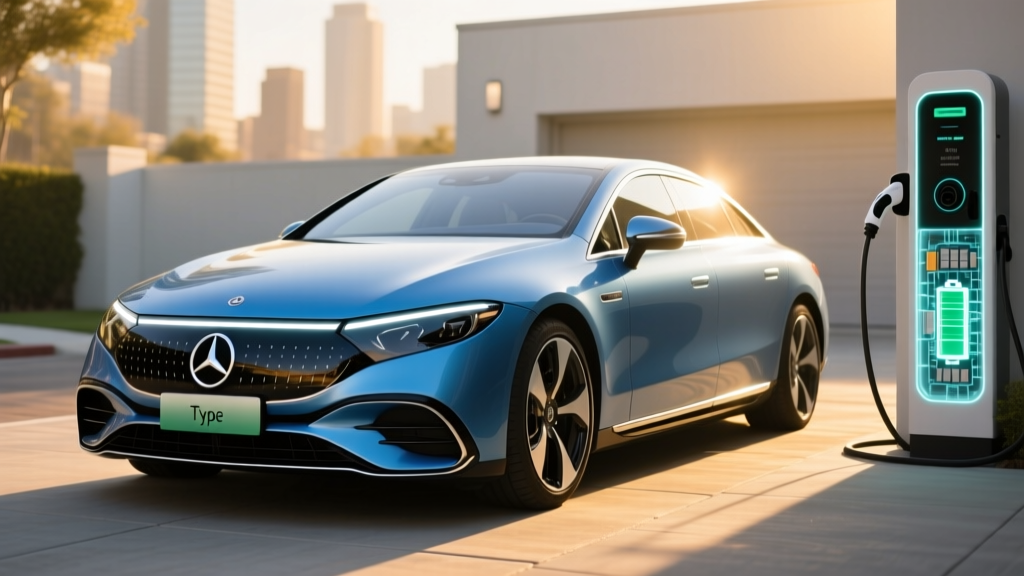
The 2026 Mercedes-Benz EQS Sedan remains the benchmark for full-size electric luxury. With up to 390 miles of EPA-estimated range, a 118.0 kWh usable battery, and 200 kW DC fast-charging capability, it's engineered for the kind of effortless long-distance cruising that defines the S-Class lineage. But at a base MSRP of $105,550, the EQS asks a serious question: does the electric luxury flagship justify its six-figure entry point against the BMW i7, Lucid Air, and Tesla Model S?
After examining EPA data, real-world efficiency patterns, and the current federal incentive landscape, the answer depends heavily on what you prioritize — whisper-quiet highway comfort and cutting-edge cabin tech, or maximum performance-per-dollar. Here's everything you need to know before configuring one.
Range, Efficiency, and the Real-World Reality
EPA Estimate: Up to 390 miles (EQS 450+); 365 miles (EQS 450 4MATIC); 330 miles (EQS 580 4MATIC)
Real-World Expectation: 310–340 miles highway (70–80 mph); 260–290 miles in sub-freezing temperatures
Efficiency: 97 MPGe combined / 34 kWh per 100 miles (EQS 450+)
The EQS 450+ (rear-wheel-drive) achieves its headline 390-mile EPA figure thanks to a remarkably low drag coefficient of 0.20 and the efficiency advantage of a single-motor drivetrain. The dual-motor 4MATIC variants sacrifice roughly 25–60 miles for the traction and acceleration benefits of all-wheel drive.
In real-world highway driving at sustained 75–80 mph speeds, expect to see approximately 310–340 miles from the 450+ before needing a charge stop. Cold weather (below 32°F) further reduces range by roughly 15–25%, as the battery thermal management system and cabin heating draw additional energy. Mercedes equips the EQS with a standard heat pump, which mitigates some winter loss compared to resistive heating systems, but the physics of lithium-ion chemistry in cold temperatures remain unavoidable.
According to fueleconomy.gov, the EQS 450+ returns 97 MPGe combined (34 kWh/100 mi), placing it among the most efficient vehicles in its size and weight class. For context, that's roughly $0.10–$0.14 per mile on the national average electricity rate of $0.17/kWh — about one-third the per-mile fuel cost of a comparably powerful gasoline S-Class.
| Spec | EQS 450+ | EQS 450 4MATIC | EQS 580 4MATIC |
|---|---|---|---|
| EPA Range | 390 mi | 365 mi | 330 mi |
| Battery (usable) | 118.0 kWh | 118.0 kWh | 118.0 kWh |
| Chemistry | NMC (Nickel Manganese Cobalt) | NMC | NMC |
| Drivetrain | RWD (single motor) | AWD (dual motor) | AWD (dual motor) |
| Horsepower | 355 hp | 355 hp | 536 hp |
| 0–60 mph | 5.9 sec | 5.3 sec | 4.1 sec |
| Max DC Charge Rate | 200 kW | 200 kW | 200 kW |
| 10–80% DC Time | ~31 min | ~31 min | ~31 min |
| Level 2 Rate | 9.6 kW (~28 mi/hr) | 9.6 kW (~28 mi/hr) | 9.6 kW (~28 mi/hr) |
| MPGe (combined) | 97 | 91 | 86 |
| Base MSRP | $105,550 | $108,550 | $127,350 |
Charging Speeds: DC Fast Charging and Home Setup
The EQS supports a peak DC fast-charge rate of 200 kW via its CCS1 connector (NACS adapter available for Tesla Supercharger access). At a capable 350 kW station, the EQS can add approximately 185 miles of range in 15 minutes under ideal conditions. A full 10–80% session takes roughly 31 minutes.
As with all large-battery EVs, the charge curve tapers significantly above 80% state of charge (SoC). Charging from 80–100% can add another 25–30 minutes, as the battery management system reduces current to protect cell longevity. For road trips, plan your stops around 10–80% sessions — there's little practical benefit to waiting for a full charge at a DC station.
| Charging Level | Power | Connector | Time / Rate |
|---|---|---|---|
| Level 1 (120V) | ~1.4 kW | J1772 / NACS adapter | ~3 mi/hr (84+ hrs for full) |
| Level 2 (240V, 40A) | 9.6 kW | J1772 / NACS adapter | ~28 mi/hr (~12.5 hrs 0–100%) |
| DC Fast (peak) | 200 kW | CCS1 / NACS adapter | 10–80% in ~31 min |
For home charging, the EQS's onboard charger accepts up to 9.6 kW on a Level 2 circuit (240V, 40A). A full overnight charge from near-empty takes roughly 12–13 hours — practical for daily replenishment of 40–80 miles of driving. Most owners will install a 48A hardwired wallbox ($500–$800 for equipment, $800–$2,000 for electrician labor, depending on panel proximity and local permit requirements) to maximize convenience. If your home has a 200A electrical panel with spare capacity, installation is straightforward; older homes with 100A service may require a panel upgrade ($2,000–$4,000).
Mercedes' navigation system includes intelligent route planning with automatic battery preconditioning — warming the battery pack en route to a DC charger to optimize charge speed upon arrival. This feature alone can shave 5–10 minutes off a fast-charge session in cold weather, and it's one of the more underappreciated advantages of a purpose-built EV platform.
Performance and Driving Character
The EQS lineup offers three distinct powertrain configurations. The EQS 450+ pairs a single rear-mounted permanent-magnet synchronous motor producing 355 horsepower and 419 lb-ft of torque, reaching 60 mph in 5.9 seconds. That's brisk but not brutal — Mercedes has tuned this variant for serene acceleration rather than sports-sedan aggression.
The EQS 450 4MATIC adds a front motor for all-wheel-drive grip, maintaining 355 combined horsepower but cutting the 0–60 time to 5.3 seconds. The EQS 580 4MATIC is the performance flagship: 536 hp, 633 lb-ft, and a 4.1-second sprint to 60 mph. All variants are electronically limited to 130 mph.
Rear-axle air suspension is standard across the lineup, with optional 4MATIC variants adding front air suspension for a fully adaptive ride. The EQS's 5,600-pound curb weight is well-managed by the low center of gravity inherent to its skateboard-style battery pack, though you'll feel the mass during aggressive cornering. This is a grand tourer, not a track car — and that's exactly the point.
Regenerative braking offers multiple modes via steering-wheel paddles: coast (D Auto, which uses navigation and radar data to intelligently modulate regen), moderate, and strong (approaching one-pedal driving, though not a full stop-hold in all conditions).
Interior, Technology, and Cargo
The EQS cabin is dominated by the optional MBUX Hyperscreen — a 56-inch curved glass panel spanning the full dashboard width, integrating a 17.7-inch central OLED touchscreen, a 12.3-inch digital instrument cluster, and a 12.3-inch passenger display. The Hyperscreen remains one of the most visually striking automotive interiors available, though its complexity can overwhelm first-time users. A more conventional dual-screen layout (12.8-inch central + 12.3-inch cluster) is standard on base trims.
Mercedes' MBUX infotainment system supports wireless Apple CarPlay and Android Auto, over-the-air updates, natural-language voice control ("Hey Mercedes"), and an augmented-reality head-up display that overlays navigation arrows onto a live camera feed of the road ahead.
For driver assistance, the EQS ships with a comprehensive Level 2 (SAE) suite: adaptive cruise control with stop-and-go, lane-centering steering assist, automatic emergency braking, blind-spot monitoring, and evasive steering assist. Mercedes' DRIVE PILOT system — a Level 3 conditional automation feature allowing hands-off, eyes-off driving at speeds up to 40 mph on approved divided highways — is available in select markets (currently Nevada and California). This is not full self-driving; it operates under strict geographic and speed constraints with the driver remaining liable outside those parameters.
Passenger space is generous: 42.1 inches of front legroom and 41.0 inches in the rear — limousine-grade accommodations for four adults. The trunk offers 22.0 cubic feet of cargo volume (with a practical liftback-style opening), expanding to approximately 63 cubic feet with the rear seats folded. A small front trunk (frunk) is not offered — the space under the hood houses HVAC and power electronics.
Pricing, Trims, and Federal Tax Credit Eligibility
The 2026 EQS Sedan lineup starts at $105,550 (including destination) for the EQS 450+ and climbs to $127,350 for the EQS 580 4MATIC. Options like the Hyperscreen ($8,000+), AMG Line exterior package, Executive Rear Seat package, and Burmester 4D surround sound can push a well-equipped 580 past $150,000.
| Trim | Base MSRP | §30D Federal Credit | Effective Price* |
|---|---|---|---|
| EQS 450+ | $105,550 | $0 (exceeds MSRP cap) | $105,550 |
| EQS 450 4MATIC | $108,550 | $0 (exceeds MSRP cap) | $108,550 |
| EQS 580 4MATIC | $127,350 | $0 (exceeds MSRP cap) | $127,350 |
*Effective price before state/local incentives, dealer discounts, or lease credits. Check IRS §30D rules for current eligibility details.
Critical tax credit note: Under current IRS §30D rules, the federal clean vehicle credit of up to $7,500 applies only to new EVs with a manufacturer's suggested retail price at or below $55,000 for sedans. Every EQS trim exceeds this cap, meaning no 2026 EQS Sedan qualifies for the federal purchase tax credit. Additionally, buyer income limits ($150,000 single / $300,000 joint MAGI) and battery critical-mineral sourcing requirements further restrict eligibility for vehicles that do meet the price cap.
However, some buyers may find value through manufacturer-sponsored lease programs, where the lessor (not the buyer) captures the commercial clean vehicle credit under §45W and may pass savings through as a capitalized-cost reduction. Consult your dealer and a tax professional for specifics.
Battery Warranty, Degradation, and Long-Term Ownership
Mercedes-Benz provides an 8-year/100,000-mile high-voltage battery warranty for the EQS, guaranteeing a minimum 70% state of health (SoH) over that period. The NMC (nickel manganese cobalt) chemistry used in the EQS pack offers high energy density but is more susceptible to calendar degradation from sustained high SoC than LFP (lithium iron phosphate) alternatives.
For maximum battery longevity, Mercedes recommends:
- Setting a daily charge limit of 80–90% for regular use (configurable in the MBUX system or Mercedes me app)
- Charging to 100% only before long road trips
- Avoiding prolonged exposure to extreme heat with a fully charged battery
- Using preconditioning when navigating to a DC fast charger
Industry data from large EV fleets suggests NMC packs typically retain 85–92% capacity after 100,000 miles under moderate use. A full battery replacement outside warranty, should it ever be necessary, is estimated at $20,000–$30,000 based on current parts pricing — a figure worth considering for long-term ownership planning, though most packs outlast the vehicle's economic life.
The broader vehicle warranty includes 4 years/50,000 miles bumper-to-bumper and 4 years/50,000 miles powertrain coverage.
How the EQS Compares: BMW i7, Lucid Air, Tesla Model S
The EQS doesn't exist in a vacuum. Its closest competitors each make distinct trade-offs:
- BMW i7 xDrive60 ($120,295, 318 mi EPA): More traditional luxury styling, slightly less range, comparable interior quality, also exceeds the §30D MSRP cap.
- Lucid Air Pure ($69,900, 419 mi EPA): Superior range and efficiency, lower starting price (Pure trim may qualify for §30D credit), less established dealer/service network.
- Tesla Model S ($79,990, 402 mi EPA): Best performance-per-dollar, extensive Supercharger network, sparser interior materials, aging platform design.
- Class-leading 390-mile EPA range (450+)
- Exceptionally quiet, comfortable ride quality
- Available Hyperscreen is a genuine tech showcase
- Strong 200 kW DC fast-charging with preconditioning
- Generous rear-seat legroom and liftback cargo access
- Available Level 3 DRIVE PILOT in limited areas
- $105,550+ starting price; no federal tax credit
- Hyperscreen learning curve and potential distraction
- No front trunk (frunk)
- Heavy curb weight noticeable in tight corners
- Real-world highway range ~15% below EPA sticker
- DRIVE PILOT availability limited by geography
Who Should Buy the 2026 EQS Sedan?
Choose the EQS 450 4MATIC if: You need all-wheel-drive traction for snow/rain climates and can accept a 25-mile range trade-off for year-round confidence.
Choose the EQS 580 4MATIC if: You want 536 hp and a 4.1-second 0–60 time alongside luxury amenities, and range/cost efficiency is secondary to performance.
Look elsewhere if: You need federal tax credit eligibility (consider the Lucid Air Pure or BMW i7 eDrive50 at lower trims), prioritize sporty handling over isolation, or want access to the Tesla Supercharger network natively.
The EQS is best suited for luxury buyers who view their vehicle as a rolling sanctuary — executives covering 20,000+ highway miles annually, empty-nesters taking long road trips in comfort, and tech-forward professionals who value cabin innovation. It is not the most engaging driver's car in its class, nor the most cost-efficient path to 400 miles of electric range. But for those who measure value in serenity, isolation, and the quiet confidence of Mercedes engineering, the EQS delivers exactly what it promises.
Frequently Asked Questions
What is the real-world range of the 2026 Mercedes-Benz EQS Sedan?
The EPA rates the EQS 450+ at 390 miles, but expect approximately 310–340 miles in real-world highway driving at 70–80 mph, and 260–290 miles in sub-freezing winter conditions. City driving with regenerative braking can match or slightly exceed the EPA number.
How fast does the EQS charge at home and on the road?
On a DC fast charger, the EQS peaks at 200 kW and charges from 10–80% in approximately 31 minutes, adding about 185 miles in 15 minutes. At home on a Level 2 charger (9.6 kW, 240V), it adds roughly 28 miles per hour — a full charge from empty takes about 12.5 hours.
Does the 2026 EQS qualify for the federal EV tax credit?
No. Under current IRS §30D rules, new sedans must have an MSRP of $55,000 or less to qualify. All EQS trims start above $105,000, making them ineligible regardless of buyer income or battery sourcing. Lease structures may offer indirect savings through the commercial credit (§45W).
Is the EQS worth buying over the BMW i7 or Lucid Air?
It depends on priorities. The EQS leads in ride comfort and available Level 3 autonomy. The Lucid Air Pure offers more range (419 mi EPA) at a significantly lower price. The BMW i7 delivers comparable luxury with more conventional styling. Test-drive all three — the EQS wins on isolation and tech, but the Lucid wins on efficiency and value.
What battery chemistry does the EQS use, and how long will it last?
The EQS uses NMC (nickel manganese cobalt) lithium-ion cells with 118.0 kWh of usable capacity. Mercedes warrants the battery for 8 years/100,000 miles at a minimum 70% state of health. Industry fleet data suggests NMC packs typically retain 85–92% capacity at 100,000 miles with proper charging habits (avoiding sustained 100% SoC).
Does the EQS have a frunk (front trunk)?
No. The space under the hood houses HVAC components, the onboard charger, and power electronics. All cargo goes in the 22.0 cubic-foot rear liftback area (63 cu ft with seats folded).
Can the EQS use Tesla Superchargers?
Yes, with a CCS-to-NACS adapter (sold separately or included depending on model year and region). Mercedes-Benz has confirmed NACS compatibility for DC fast charging on the Supercharger network. Always verify adapter availability with your dealer.