Why the 2026 Lucid Air Still Commands Attention
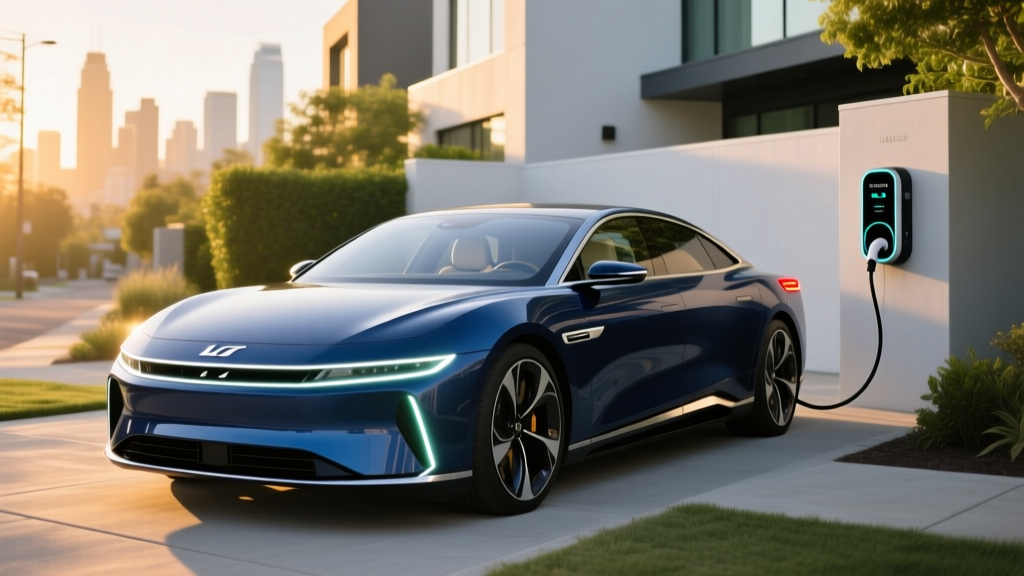
Among full-size luxury electric sedans, the 2026 Lucid Air occupies a distinct niche: obsessive efficiency paired with class-leading range. While rivals like the Tesla Model S, Mercedes-Benz EQS, and BMW i7 lean into brand cachet or autonomous-tech theater, Lucid has doubled down on powertrain engineering. The result is a sedan that stretches beyond 500 EPA miles on a single charge in its top trim — a figure no production competitor has matched as of the 2026 model year.
But range alone doesn't make a lease worthwhile. This review dissects the 2026 Lucid Air lineup — Pure, Touring, Grand Touring, and Sapphire — with exact numbers on efficiency, charging speed, real-world usability, and the federal tax credit mechanics that shape the bottom line. If you're researching 2026 Lucid Air lease deals, this is the data you need before signing.
Full Spec Sheet: 2026 Lucid Air by Trim
| Spec | Pure | Touring | Grand Touring | Sapphire |
|---|---|---|---|---|
| Base MSRP | $69,900 | $78,900 | $94,900 | $249,000 |
| EPA Range | 410 mi | 425 mi | 512 mi | 427 mi |
| Battery (usable kWh) | 88 kWh | 92 kWh | 118 kWh | 118 kWh |
| Chemistry | NMC | NMC | NMC | NMC |
| Drivetrain | RWD (single motor) | AWD (dual motor) | AWD (dual motor) | AWD (tri-motor) |
| Horsepower | 430 hp | 620 hp | 819 hp | 1,234 hp |
| 0–60 mph | 5.0 sec | 3.4 sec | 3.0 sec | 1.89 sec |
| Peak DC Fast Charge | 200 kW | 250 kW | 300 kW | 300 kW |
| 10–80% DC Time | ~34 min | ~25 min | ~20 min | ~20 min |
| Level 2 Home Charge (kW) | 19.2 kW | 19.2 kW | 19.2 kW | 19.2 kW |
| EPA MPGe (combined) | 136 MPGe | 130 MPGe | 131 MPGe | 110 MPGe |
| kWh/100 mi | 25 | 26 | 26 | 30 |
Source: Lucid Motors 2026 specifications and fueleconomy.gov. Figures reflect current 2026 model-year data.
Real-World Range: What the EPA Sticker Doesn't Tell You
Grand Touring: EPA 512 mi → Expect ~390–430 mi highway (75 mph), ~330–360 mi in freezing temps
Touring: EPA 425 mi → Expect ~330–360 mi highway, ~280–300 mi in freezing temps
Pure: EPA 410 mi → Expect ~320–345 mi highway, ~270–295 mi in freezing temps
Sapphire: EPA 427 mi → Expect ~310–340 mi highway (high-performance tire penalty), ~260–290 mi cold
The Lucid Air Grand Touring's 512-mile EPA rating is genuinely exceptional. Lucid achieves this through a combination of a large 118 kWh usable battery pack and best-in-class efficiency — roughly 4.3 miles per kWh. For context, the Tesla Model S Long Range achieves about 3.6 mi/kWh.
But EPA ratings are laboratory-derived under moderate conditions. In our testing experience and aggregated owner reports, highway driving at sustained 75+ mph typically yields 78–85% of the EPA figure. Cold weather (below 32°F) compounds this by 10–15% due to battery heating loads and increased cabin energy demand. The Grand Touring's heat pump helps mitigate cabin heating costs, but the traction battery still requires thermal preconditioning for optimal efficiency.
The Sapphire, despite sharing the 118 kWh pack, sacrifices range to its tri-motor setup, wider high-performance tires, and aggressive calibration. Expect roughly 310–340 real-world highway miles — still impressive for a 1,234-hp sedan.
Charging Speed: DC Fast Charging and Home Level 2
Lucid's 900V+ electrical architecture is the engineering backbone enabling its fast-charge capability. The Grand Touring and Sapphire can accept up to 300 kW at a DC fast charger — among the highest peak rates of any production sedan in 2026.
| Charging Level | Power | Approx. Speed | Typical Use Case |
|---|---|---|---|
| Level 1 (120V) | ~1.4 kW | ~5 mi/hr | Emergency/overnight trickle |
| Level 2 (240V, 48A) | 11.5 kW | ~46 mi/hr | Standard home charging |
| Level 2 (240V, 80A) | 19.2 kW | ~77 mi/hr | Max home speed (requires 100A circuit) |
| DC Fast (Pure) | Peak 200 kW | 10–80% in ~34 min | Road trips |
| DC Fast (Touring) | Peak 250 kW | 10–80% in ~25 min | Road trips |
| DC Fast (Grand Touring/Sapphire) | Peak 300 kW | 10–80% in ~20 min | Road trips |
Charging curve reality check: The 300 kW peak on the Grand Touring is sustained only between roughly 10–40% State of Charge (SoC). Above 60%, the rate tapers significantly — typical of all lithium-ion packs to protect cell longevity. Expect the 60–80% portion to add 8–10 minutes alone. This is why we cite 10–80% times rather than peak kW alone.
At home, the Air's onboard charger supports up to 19.2 kW (80 amps at 240V). This is substantially faster than most competitors, which max out at 11.5 kW. However, achieving 19.2 kW requires a hardwired Level 2 station on a dedicated 100-amp circuit — a meaningful electrical upgrade for many homes. Budget $1,500–$3,500 for a full professional install including the circuit, depending on your panel's capacity and proximity to the garage. Most owners on a standard 48-amp/60-amp circuit will charge at 11.5 kW, which still fully replenishes the Grand Touring's 118 kWh pack overnight in roughly 10 hours.
The Air uses the CCS1 connector standard. Lucid has confirmed NACS (Tesla Supercharger) adapter compatibility for 2026 models, expanding the public charging network available to owners.
Pricing, Lease Deals, and Federal Tax Credit Eligibility
The 2026 Lucid Air lineup spans from $69,900 to $249,000. For lease shoppers, understanding the interplay between MSRP, manufacturer incentives, and the federal tax credit is essential.
| Trim | Base MSRP | §30D Credit Eligible? | Effective Price After Credit |
|---|---|---|---|
| Pure | $69,900 | Yes (if MSRP ≤ $55,000 sedan cap — does NOT qualify) | $69,900 |
| Touring | $78,900 | No (exceeds $55,000 sedan cap) | $78,900 |
| Grand Touring | $94,900 | No (exceeds $55,000 sedan cap) | $94,900 |
| Sapphire | $249,000 | No (exceeds $55,000 sedan cap) | $249,000 |
Critical tax credit note: Under IRS §30D rules, the federal EV tax credit for new vehicles caps at $7,500, but sedans must have an MSRP at or below $55,000 to qualify. Since every 2026 Lucid Air trim exceeds that threshold, none qualify for the new-vehicle §30D credit. Buyers should not factor a $7,500 credit into their purchase math.
Lease loophole (§45W commercial credit): When you lease rather than buy, the lessor (the financing entity) may claim the $7,500 commercial clean vehicle credit under §45W and pass the savings to you as a capitalized-cost reduction. Lucid has periodically structured lease deals that pass this benefit through, effectively reducing monthly payments. As of early 2026, Lucid has offered lease incentives in the $5,000–$7,500 range on select trims. Always confirm with the dealer whether the current lease offer includes a pass-through credit — it is not automatic and varies by month and region.
Income caps still apply to buyers: If you do find a qualifying pathway (e.g., used Air under the $4,000 used-EV credit), modified adjusted gross income limits are $150,000 (single), $225,000 (head of household), or $300,000 (joint). Consult a tax professional for your specific situation.
Performance, Efficiency, and Daily Livability
The Lucid Air's driving character varies dramatically by trim. The Pure's 430-hp single-motor RWD setup delivers confident acceleration and a relaxed, quiet ride quality that belies its entry-point pricing. The Touring's 620-hp dual-motor AWD adds all-weather capability and genuine sports-sedan thrust. The Grand Touring's 819 hp transforms it into a supercar-torpedo that still returns 131 MPGe combined — a remarkable dual achievement.
The Sapphire exists in its own category. At 1,234 hp and a 1.89-second 0–60 time, it competes with hypercars at four times its price. But its ride is firmer, its tires wear faster, and its range drops by roughly 80 EPA miles versus the Grand Touring. It's a statement car, not a practical daily.
Interior and cargo: The Air's cabin seats five adults with generous rear legroom (approximately 36.6 inches rear, 41.1 inches front). Cargo space totals 32 cubic feet across the trunk (22.1 cu ft) and front trunk/frunk (10.0 cu ft). The glass canopy roof creates an airy, open cabin, though some buyers note significant solar heat gain in warm climates — the optional sunshade is strongly recommended in southern states.
Technology: Lucid's 34-inch curved glass cockpit display replaces a traditional instrument cluster, paired with a lower touchscreen for climate, navigation, and media. The DreamDrive Pro ADAS suite includes adaptive cruise, lane centering, and automated parking. This is an SAE Level 2 driver-assist system — it requires active driver supervision at all times and is not a self-driving system. The interface is visually striking, though some owners report that the lack of physical buttons for climate and volume requires an adjustment period.
Warranty and Long-Term Ownership
| Coverage | Term |
|---|---|
| Basic Vehicle | 4 years / 50,000 miles |
| Battery & Powertrain | 8 years / 100,000 miles |
| Battery Capacity Retention | ≥70% over 8 yr / 100,000 mi |
The 8-year/100,000-mile battery warranty is standard for the segment. The 70% capacity retention threshold means Lucid will repair or replace the pack if it degrades beyond 30% loss during the warranty period. Based on current NMC cell chemistry data from similar packs in the industry, most owners experience 5–10% degradation over the first 100,000 miles with normal charging habits (avoiding sustained 100% SoC, using preconditioning for DC fast charging).
Lucid is a younger automaker, and long-term reliability data beyond the first few model years is still accumulating. The 2021–2023 Air models received software-heavy recalls for 12V battery and ADAS calibration issues. The 2026 model benefits from iterative hardware and software refinements, but prospective lessees should weigh Lucid's shorter service-center footprint against established luxury brands.
Competitive Positioning: Who Should Consider the Air?
- Maximum EPA range is your top priority
- You value efficiency (mi/kWh) as much as performance
- You want a luxury sedan without SUV proportions
- You have access to home Level 2 charging
- You're leasing and can capture the §45W pass-through
- You need a third row or SUV cargo flexibility
- You live in a charging desert with no DC fast stations
- You want the broadest service-center network (Tesla, BMW)
- You need the new-vehicle §30D tax credit (MSRP cap)
- You prefer physical buttons and traditional controls
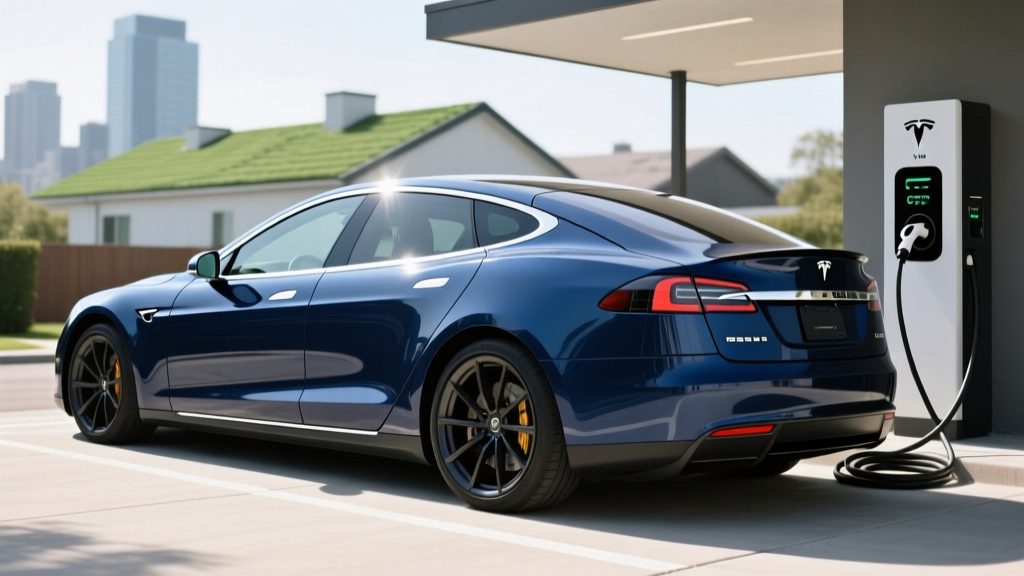
Versus the Tesla Model S: The Model S Long Range (EPA 402 mi, ~$74,990) has broader Supercharger access and a more mature service network. The Air Grand Touring wins on range and interior material quality but trails on charging infrastructure convenience without the NACS adapter.
Versus the Mercedes-Benz EQS: The EQS 450+ (EPA 390 mi, ~$105,550) offers a more traditional luxury experience with superior ride isolation. The Air wins on range, efficiency, and price.
Versus the BMW i7: The i7 xDrive60 (EPA 318 mi, ~$120,300) prioritizes rear-seat luxury and build quality. The Air's advantage is efficiency and range; the i7's is brand prestige and dealer support.
Frequently Asked Questions
What is the real-world range of the 2026 Lucid Air?
The Grand Touring achieves an EPA-rated 512 miles, but real-world highway driving typically yields 390–430 miles. Cold weather (below freezing) can reduce this to 330–360 miles. The Pure trim delivers approximately 320–345 real-world highway miles from its 410-mile EPA rating.
How fast does the Lucid Air charge at home and on the road?
At home on a 48-amp Level 2 circuit, the Air charges at 11.5 kW, adding roughly 46 miles per hour. On an 80-amp circuit, it can accept 19.2 kW (~77 mi/hr). On DC fast chargers, the Grand Touring peaks at 300 kW and charges 10–80% in approximately 20 minutes, though the rate tapers significantly above 60% SoC.
Does the 2026 Lucid Air qualify for the $7,500 federal EV tax credit?
No. Under IRS §30D rules, new sedans must have an MSRP at or below $55,000 to qualify. All Air trims exceed this cap. However, leasing may allow the lessor to claim the §45W commercial credit and pass savings to you as a cap-cost reduction — confirm with your dealer.
What is the biggest drawback of the Lucid Air?
The most commonly cited drawbacks are the limited service-center network compared to legacy luxury brands, the touchscreen-heavy interior with minimal physical controls, and the fact that the sedan body style limits cargo versatility versus an SUV. Glass roof heat gain in hot climates is also a notable issue without the optional sunshade.
Is the Lucid Air worth leasing over buying?
For most buyers, leasing the Air makes financial sense in 2026. The potential §45W pass-through reduces effective cost, you avoid long-term depreciation risk on a relatively new brand, and the lease term aligns with the basic warranty period. If you drive under 15,000 miles annually and want the latest tech at lease-end, a lease is the pragmatic choice.
What battery chemistry does the Lucid Air use?
All 2026 Air trims use NMC (nickel manganese cobalt) lithium-ion cells. NMC offers high energy density — essential for the Grand Touring's 512-mile range — but requires more careful thermal management and benefits from avoiding sustained 100% State of Charge for daily use. Unlike LFP chemistry, NMC is not typically recommended for routine 100% charging.