Quick Answer: Should You Wait for the 2026 Kia EV7?
The 2026 Kia EV7 is Kia's announced midsize electric sedan positioned between the compact EV4 and the larger EV9 SUV. Based on preliminary specifications and Kia's eM platform architecture, the EV7 is expected to deliver an EPA-estimated range of approximately 300–320 miles on the Long Range AWD variant, with a starting MSRP likely in the $42,000–$48,000 range before incentives. It targets buyers who want a premium electric sedan with fast DC charging (estimated 800V architecture supporting up to 250 kW peak) but don't want to pay Tesla Model S or Mercedes EQE prices.
Bottom line: If you need a vehicle today, the Hyundai Ioniq 6 or Tesla Model 3 are proven alternatives. If you can wait for late-2026 delivery and want a sedan with more rear-seat room and Kia's strong warranty, the EV7 is worth tracking — but final specs, pricing, and §30D tax credit eligibility remain unconfirmed until EPA certification and IRS battery-sourcing disclosures.
What Is the Kia EV7 and Who Is It For?
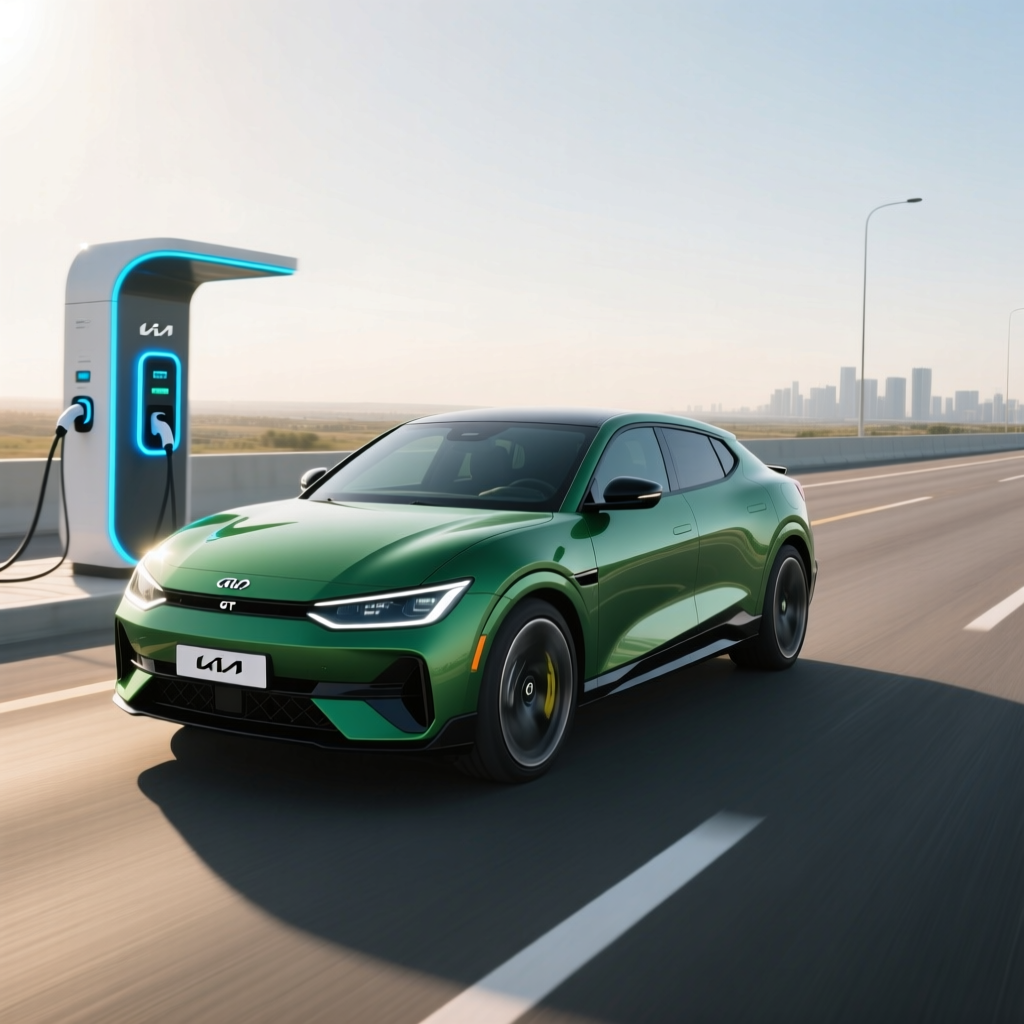
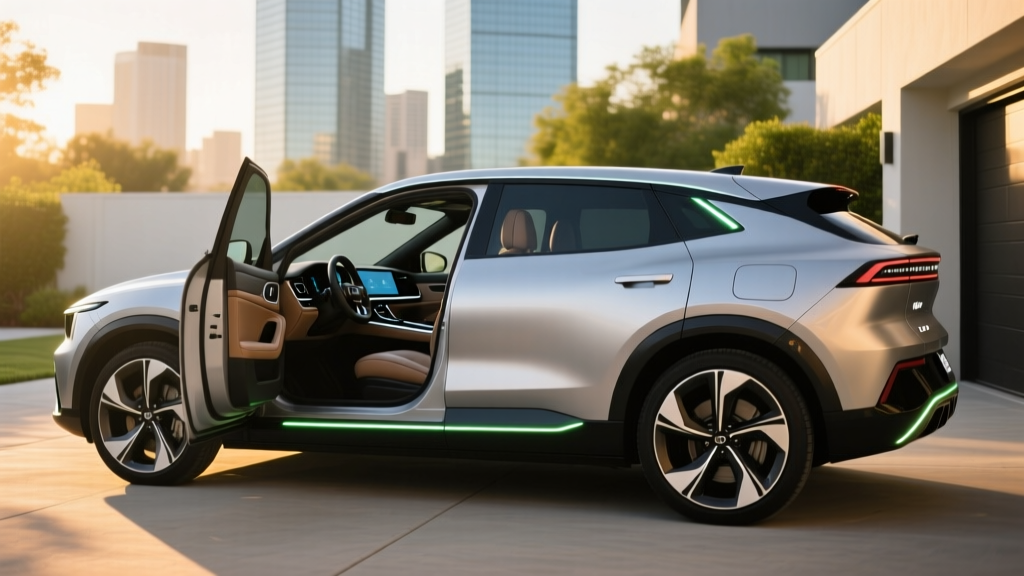
Kia officially previewed the EV7 as part of its expanded "EV" electric lineup, slotting it as a midsize electric sedan that competes directly with the Hyundai Ioniq 6, Tesla Model 3 Long Range, BMW i4, and Polestar 2. Unlike the boxier EV9 SUV, the EV7 adopts a fastback sedan silhouette optimized for aerodynamic efficiency — critical for maximizing highway range.
The EV7 rides on Kia-Hyundai's next-generation eM (electric Modular) platform, which supports 800V electrical architecture. This is the same high-voltage system found in the Ioniq 5 and EV6, enabling significantly faster DC fast charging compared to 400V competitors.
Target buyer profile:
- Commutes 30–80 miles daily with access to home Level 2 charging
- Wants a sedan (not crossover) with premium interior materials
- Values warranty coverage — Kia's 10-year/100,000-mile powertrain warranty is a key draw
- Open to a newer model rather than established nameplates
Estimated Specs: Range, Battery, and Charging
Because the 2026 Kia EV7 has not yet received final EPA certification, the figures below are preliminary estimates based on Kia's platform disclosures, sibling-vehicle data from the EV6 and Ioniq 6, and industry reporting. Final numbers may differ at launch.
| Specification | RWD Standard | Long Range AWD |
|---|---|---|
| Battery Capacity (usable) | ~77.4 kWh (NMC) | ~84.0 kWh (NMC) |
| EPA Est. Range | ~280 mi | ~310–320 mi |
| Real-World Highway Range | ~240–255 mi | ~260–280 mi |
| Cold-Weather Range (20°F) | ~210–230 mi | ~235–255 mi |
| Peak DC Fast Charge | ~240 kW | ~250 kW |
| 10–80% DC Charge Time | ~18 min | ~19 min |
| Level 2 Charge Rate (AC) | 10.9 kW | 10.9 kW |
| Level 2 Full Charge Time | ~7.5 hours | ~8 hours |
| Motor Output | ~225 hp | ~320 hp |
| 0–60 mph | ~6.8 sec | ~5.1 sec |
| Drivetrain | Rear-Wheel Drive | Dual-Motor AWD |
Real-World Range vs. EPA Sticker
The EPA range figure assumes a mix of city and highway driving at moderate temperatures. In practice:
- Highway driving at 75 mph: Expect 10–15% less than EPA due to aerodynamic drag. A 320-mile EPA rating translates to roughly 270–285 miles at sustained highway speeds.
- Cold weather (below 32°F): Battery chemistry and cabin heating reduce range by 15–30%. The EV7's expected heat pump (standard on most Kia EVs) mitigates this but doesn't eliminate it.
- Charging curve taper: The 250 kW peak charge rate is not sustained. Charging from 80–100% can take as long as 10–80% due to battery management tapering. Plan DC fast stops for 10–80% only.
EV vs Gas vs Hybrid: Cost Comparison for Sedan Buyers
The most common question from sedan shoppers is whether to go full EV (EV7), plug-in hybrid (PHEV), or stick with a gas sedan like the Toyota Camry or Honda Accord. Here's a data-driven comparison using a 15,000-mile/year driving profile over 5 years.
| Cost Factor | Kia EV7 AWD (Est.) | Toyota Camry Gas | Toyota Prius Prime PHEV |
|---|---|---|---|
| Purchase Price (MSRP) | $47,000 | $30,000 | $35,500 |
| Federal Tax Credit (§30D) | $0–$7,500* | $0 | $3,750–$7,500* |
| Effective Purchase Price | $39,500–$47,000 | $30,000 | $28,000–$31,750 |
| Fuel/Energy (5 yr) | $3,200 (home charging) | $9,750 (gas @ $3.50/gal, 32 MPG) | $4,500 (gas + electric mix) |
| Maintenance (5 yr) | $1,200 | $3,500 | $2,800 |
| Insurance (5 yr avg) | $9,500 | $7,000 | $7,500 |
| 5-Year Total Cost | $53,400–$60,900 | $50,250 | $42,800–$49,550 |
*Tax credit caveat: Under current IRS §30D rules, the EV7 must meet battery-component and critical-mineral sourcing requirements to qualify for the full $7,500 credit. The buyer must also fall under income caps ($150K single / $300K joint) and the vehicle MSRP must not exceed $55,000 for sedans. Kia has not yet confirmed the EV7's battery sourcing. Check the IRS clean vehicle credit list before purchasing. The credit can be transferred to the dealer as a point-of-sale discount.
Key takeaway: The EV7's higher upfront cost is offset by dramatically lower fuel and maintenance costs. At 15,000 miles/year with home charging at $0.14/kWh, the EV7 costs roughly $0.04–$0.05 per mile in energy versus $0.11–$0.13 per mile for a gas sedan at $3.50/gallon. Over 5 years, fuel savings alone can reach $5,500–$6,500.
Charging at Home and on the Road: What You Actually Need
EV ownership lives or dies on charging access. Here's the honest breakdown for a prospective EV7 buyer.
Home Charging (Level 2)
The EV7 is expected to accept up to 10.9 kW on Level 2 AC charging, which is standard for Kia-Hyundai EVs. This requires a 48-amp Level 2 home charger on a 60-amp dedicated circuit (NEMA 14-50 or hardwired).
| Item | Cost Range |
|---|---|
| Level 2 Charger (48A, e.g., ChargePoint Home Flex, Emporia Vue) | $350–$700 |
| Electrician Labor (run 60A circuit, mount charger) | $500–$1,500 |
| Electrical Permit | $50–$200 |
| Panel Upgrade (if needed — 100A → 200A service) | $1,500–$3,500 |
| Total (no panel upgrade) | $900–$2,400 |
| Total (with panel upgrade) | $2,400–$5,900 |
With a 10.9 kW Level 2 charger, the EV7 Long Range (~84 kWh battery) charges from empty to full in roughly 8 hours — ideal for overnight charging. A typical daily top-up of 30–40% takes 3–4 hours.
Public DC Fast Charging
The EV7's 800V architecture means it can use 350 kW chargers at near-peak rates. On a Electrify America or Tesla Supercharger (with NACS adapter, if Kia provides one), a 10–80% session should take approximately 18–19 minutes, adding roughly 200+ miles of range. At current public charging rates of $0.30–$0.50/kWh, a 10–80% session costs roughly $18–$30 depending on the network.
Charging-desert reality check: If you live in a rural area, apartment without charging access, or frequently drive routes with sparse DC fast charging infrastructure, the EV7 (or any EV) may not be practical yet. Use the DOE's Alternative Fuels Station Locator to map chargers along your regular routes before committing.
Common EV Misconceptions — Fact vs. Fiction
| Myth | Fact |
|---|---|
| "EV batteries need replacing every 5 years" | Kia's battery warranty covers 10 years/100,000 miles with a 70% capacity retention threshold. Real-world degradation data from EV6 owners shows ~8–12% capacity loss over 100,000 miles with NMC chemistry. |
| "EVs are worse in cold weather" | Range drops 15–30% in sub-freezing temps, but EVs start instantly (no cold cranking), and preconditioning while plugged in warms the battery and cabin using grid power, preserving range. |
| "Charging takes too long" | Home charging happens while you sleep — 8 hours for a full charge. DC fast charging adds ~200 miles in 18 minutes. Most EV owners charge at home 90%+ of the time. |
| "EVs cost more to insure" | Partially true. EV insurance premiums run 15–25% higher on average due to higher repair costs. Budget $1,800–$2,100/year for the EV7 vs. $1,300–$1,500 for a comparable gas sedan. |
| "The grid can't handle EVs" | Most home charging occurs overnight during off-peak hours when grid capacity is underutilized. A single EV adds roughly the same load as a central AC unit. |
First-Time EV Buyer Checklist: What to Know Before You Order
If the EV7 will be your first electric vehicle, here are the non-obvious realities no brochure mentions:
- Verify your home electrical panel. A 48A Level 2 charger needs a 60A dedicated circuit. If your panel is 100A or already near capacity, you'll need an upgrade — budget $1,500–$3,500 and 2–4 weeks for permit and installation.
- Download charging apps now. PlugShare, ChargePoint, and EVgo let you map chargers near your home, work, and frequent routes. Confirm there's reliable DC fast charging within 10–15 miles of your daily life.
- Learn the kW vs. kWh distinction. kW (kilowatts) measures charge speed — like water flow rate. kWh (kilowatt-hours) measures battery capacity — like tank size. The EV7's ~84 kWh battery charged at 10.9 kW takes ~8 hours. Confusing these is the #1 mistake new EV owners make.
- Preconditioning matters. Set your EV7 to precondition the battery before a DC fast charge session (usually via the infotainment or app when you navigate to a charger). A cold battery charges at a fraction of peak speed — preconditioning warms it to optimal temperature.
- Don't obsess over 100% charges. For daily driving, charge to 80% to prolong NMC battery life. Reserve 100% charges for road trips. The EV7's battery management system includes a buffer, but habitually charging to 100% accelerates long-term degradation.
- Confirm tax credit eligibility BEFORE delivery. §30D rules change and depend on battery sourcing, your income, and the vehicle MSRP. Check the IRS list and consult a tax professional. The point-of-sale transfer option means you can apply the credit as an immediate price reduction at the dealer.
Decision Framework: Is the 2026 Kia EV7 Right for You?
Choose the Kia EV7 If:
- You have (or can install) home Level 2 charging and drive under 80 miles daily
- You want a midsize sedan with premium features and Kia's 10-year warranty
- You value fast DC charging for road trips (800V architecture, ~18-min 10–80%)
- You're willing to wait for late-2026 delivery for a newer platform
- You qualify for the §30D tax credit (income under $150K single / $300K joint, MSRP under $55K sedan cap)
Consider an Alternative If:
- You need a car today — look at the Hyundai Ioniq 6 (EPA 361 mi SE Long Range, ~$38,000) or Tesla Model 3 Long Range (EPA 341 mi, ~$42,000)
- You lack home charging and your area has sparse public infrastructure — a PHEV like the Toyota Prius Prime (44 mi electric-only, 52 MPG combined) is a safer bridge
- You regularly tow or need cargo space — the EV9 SUV or Ford F-150 Lightning is more practical
- You live in extreme cold (sub-zero winters) and drive long distances daily — range loss may make a PHEV or hybrid more reliable until solid-state batteries mature
Frequently Asked Questions
When will the 2026 Kia EV7 be available to order?
Kia has announced the EV7 as part of its expanded EV lineup, with production expected to begin in late 2026 for the U.S. market. Exact order-bank opening dates have not been confirmed. Reserve through a Kia dealer once reservations open to secure a build slot.
Will the Kia EV7 qualify for the $7,500 federal tax credit?
It depends on battery sourcing and your personal tax situation. Under current §30D rules, the vehicle must meet critical-mineral and battery-component requirements (phasing in stricter sourcing from U.S. free-trade partners each year). The sedan MSRP cap is $55,000 and buyer income caps are $150K (single) / $300K (joint). Kia has not yet disclosed the EV7's battery supply chain. Verify on the IRS qualified vehicles list closer to launch.
How does the EV7 compare to the Kia EV6?
The EV6 is a sporty crossover; the EV7 is a midsize sedan. Expect the EV7 to offer more rear legroom, a larger trunk, and slightly better range due to superior aerodynamics. The EV6 starts lower (~$43,000) and is available now. If you prefer crossover ride height and styling, the EV6 remains excellent. If you want a traditional sedan with the same 800V fast-charging tech, wait for the EV7.
What happens if I can't charge at home?
Public-only EV ownership is viable but less convenient and more expensive. DC fast charging at $0.35–$0.50/kWh costs roughly 2–3× more than home charging at $0.12–$0.16/kWh. You'll also spend 20–30 minutes per session, 2–3 times per week. If home charging isn't possible, talk to your workplace about Level 2 charging access or consider a PHEV as a lower-friction option.
How long will the EV7 battery last?
Kia's battery warranty covers 10 years or 100,000 miles with at least 70% capacity retention. Based on real-world data from the EV6 and Ioniq 5 (similar NMC chemistry and thermal management), expect roughly 8–12% degradation over 100,000 miles with normal use. The battery should remain functional well beyond 150,000 miles, though with reduced range. Full battery replacement (if ever needed outside warranty) is estimated at $8,000–$14,000 based on current Kia-Hyundai pricing.