2026 Kia EV5 GT SUV: The Verdict Up Front
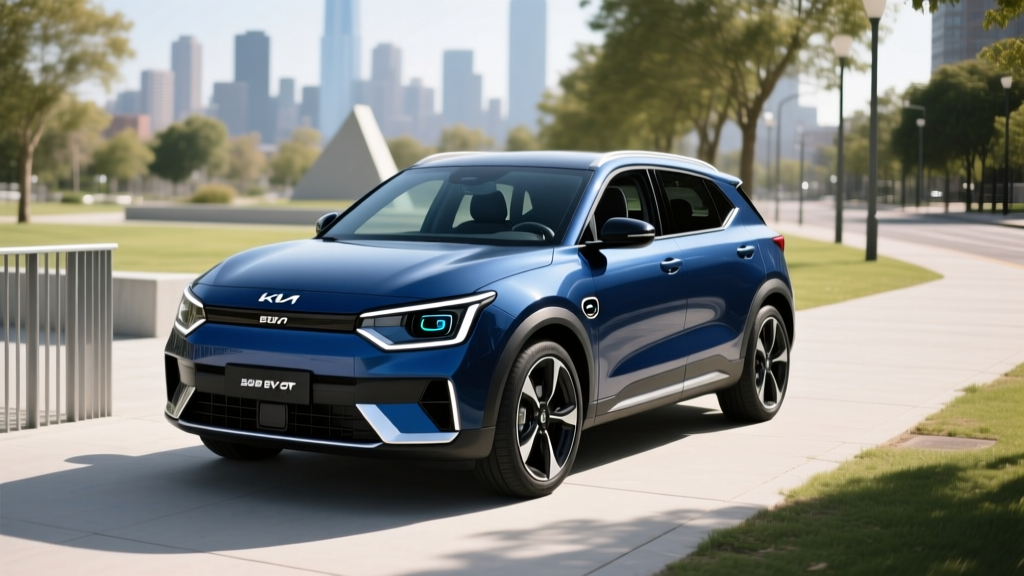
The 2026 Kia EV5 GT SUV is Kia's performance-oriented compact electric crossover, slotting between the EV6 and EV9 in the brand's electric lineup. Built on the Hyundai Motor Group's E-GMP platform with an 800V architecture, the EV5 GT targets buyers who want sportback styling, rapid DC charging, and a usable 280+ mile range without stepping up to a premium badge. It arrives in the U.S. for the 2026 model year after a strong reception in Asian and European markets.
Our take: the EV5 GT is a compelling daily-driver EV for tech-forward commuters and small families, but its sloping roofline cuts cargo space versus boxier rivals, and its federal tax credit eligibility hinges on battery-sourcing rules that buyers should verify at point of sale.
Range, Battery, and Efficiency
The 2026 EV5 GT AWD pairs a 84.0 kWh usable battery pack (NMC chemistry, nickel-manganese-cobalt) with a dual-motor all-wheel-drive layout. The EPA rates the EV5 GT at 285 miles of combined range, with the single-motor RWD Long Range variant rated at 310 miles.
EPA 285 mi (GT AWD). Expect approximately 240–260 miles in mixed highway driving at 70–75 mph, and as low as 200–220 miles in sustained sub-30°F winter conditions without preconditioning. City and suburban driving with regen braking can push the GT closer to its 285-mile sticker. The RWD Long Range trim yields roughly 265–280 real-world highway miles.
Efficiency lands at 108 MPGe combined (31 kWh/100 mi) for the GT AWD, competitive with the Hyundai Ioniq 5 AWD and slightly behind the Tesla Model Y Long Range AWD's 117 MPGe. The NMC pack delivers higher energy density than LFP alternatives, keeping the GT's curb weight in check at roughly 4,650 lbs.
| Spec | EV5 GT AWD | EV5 Long Range RWD |
|---|---|---|
| EPA Range | 285 mi | 310 mi |
| Battery (usable) | 84.0 kWh, NMC | 84.0 kWh, NMC |
| Drivetrain | Dual-motor AWD | Single-motor RWD |
| Horsepower | 379 hp | 225 hp |
| 0–60 mph | 5.0 sec | 7.4 sec |
| Efficiency (combined) | 108 MPGe / 31 kWh/100mi | 115 MPGe / 29 kWh/100mi |
| Max DC Charge Rate | 240 kW (peak) | 240 kW (peak) |
| 10–80% DCFC Time | ~18 min | ~18 min |
| Level 2 Charge Rate | 10.9 kW | 10.9 kW |
| Base MSRP | $49,900 | $44,900 |
Charging Speed: DC Fast, Level 2, and the Curve
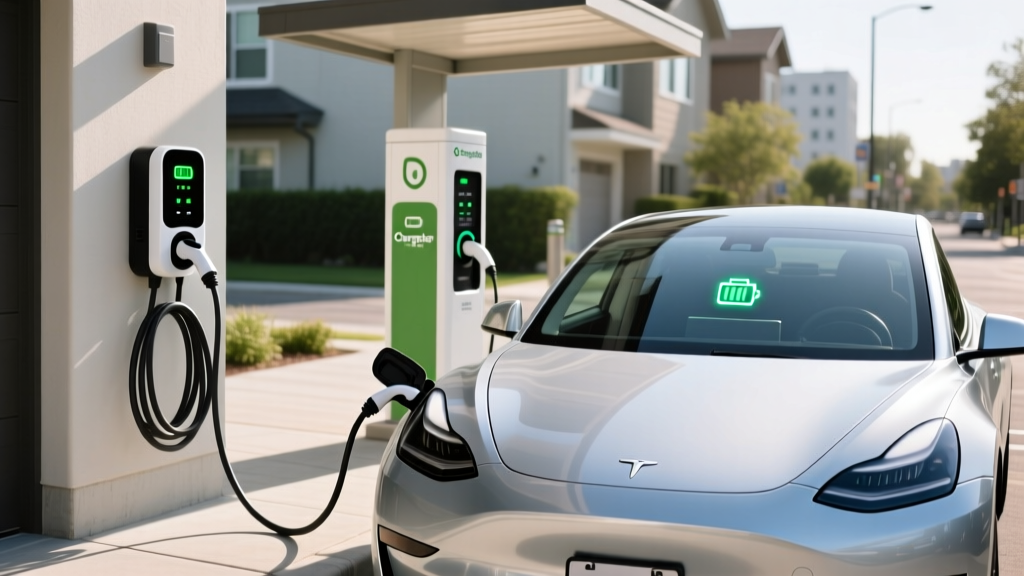
The EV5 GT's 800V electrical architecture is its strongest practical advantage. On a 350 kW DC fast charger (such as Electrify America or Ionity stations), the GT peaks at 240 kW and sustains above 180 kW through approximately 55% state of charge before tapering. The 10–80% charge takes roughly 18 minutes under ideal thermal conditions — meaning the battery is preconditioned via the navigation-linked route planner.
| Level | Power | Miles Added per Hour | Notes |
|---|---|---|---|
| Level 1 (120V) | ~1.4 kW | ~4–5 mi/hr | Emergency / trickle only |
| Level 2 (240V, 48A) | 10.9 kW | ~32–36 mi/hr | Full charge overnight (~8 hrs) |
| DC Fast (peak) | 240 kW | ~600+ mi/hr (peak) | 10–80% in ~18 min; tapers above 55% SoC |
A critical nuance: that 240 kW figure is a peak, not a sustained rate. If you arrive at a charger with a cold battery (below 60°F / 15°C) and haven't preconditioned, expect initial charge rates closer to 80–120 kW until the thermal management system warms the pack. Always use the EV5's built-in navigation to route to a charger — this triggers automatic battery preconditioning roughly 10–15 minutes before arrival.
At home, a 48-amp Level 2 wall connector on a 60-amp circuit delivers the full 10.9 kW, replenishing the 84 kWh pack in about 8 hours. Most EV5 GT owners will plug in nightly and wake up to a full battery, making public charging relevant only for road trips exceeding ~250 miles.
Performance and Driving Dynamics
The dual-motor GT AWD produces 379 horsepower and 446 lb-ft of torque, launching to 60 mph in 5.0 seconds. A GT Boost mode temporarily unlocks additional output for 10-second bursts. The single-motor RWD makes 225 hp and hits 60 in 7.4 seconds — adequate for commuting but not thrilling.
Ride quality is firm but compliant, tuned more for highway stability than track carving. The EV5 GT uses the E-GMP platform's low center of gravity effectively, with minimal body roll through corners. Regenerative braking offers four levels selectable via steering-wheel paddles, including an i-Pedal one-pedal driving mode that brings the car to a full stop without touching the brake pedal.
Interior, Cargo, and Technology
Inside, the EV5 GT features a panoramic dual-screen layout — a 12.3-inch digital instrument cluster flowing into a 12.3-inch infotainment touchscreen running Kia's latest Connect system with wireless Apple CarPlay and Android Auto. A head-up display with augmented-reality navigation is standard on the GT trim.
Passenger space is generous in front and rear, with 41.1 inches of front legroom and 38.4 inches of rear legroom. The flat floor (no transmission tunnel) makes the middle rear seat usable for adults on shorter trips.
Cargo is where the sportback silhouette exacts a toll: 21.0 cubic feet behind the rear seats and 54.3 cubic feet with the 60/40 rear seats folded. A modest front trunk (frunk) adds approximately 1.8 cubic feet — enough for a charging cable kit but not a full carry-on. For comparison, the boxier Kia EV9 offers 43.5 cu ft behind the third row.
Driver Assistance: Level 2, Not Self-Driving
Kia's Highway Driving Assist 2 (HDA2) is an SAE Level 2 system. It combines adaptive cruise control, lane-centering, and lane-change assist, but the driver must keep hands on the wheel and eyes on the road at all times. This is not autonomous driving. For context, only Waymo-style robotaxi services operate at Level 4.
HDA2 performs well on divided highways, handling gentle curves and maintaining following distance smoothly. It does not navigate city streets, stoplights, or construction zones autonomously. Kia's Highway Driving Assist is a strong competitor to Hyundai's HDA and Toyota's TSS 3.0, though it falls short of Tesla's Autopilot in lane-change assertiveness.
Pricing, Trims, and Federal Tax Credit
The 2026 EV5 launches in three trims for the U.S. market:
| Trim | Base MSRP | Est. After §30D Credit* | Destination |
|---|---|---|---|
| Wind RWD | $39,900 | ~$32,400 | $1,395 |
| Long Range RWD | $44,900 | ~$37,400 | $1,395 |
| GT AWD | $49,900 | ~$42,400 | $1,395 |
*The $7,500 federal tax credit under IRS §30D is subject to eligibility rules that change frequently. As of 2026, requirements include:
- MSRP cap: SUVs/crossovers must be priced at or below $80,000 (all EV5 trims qualify).
- Buyer income cap: Modified AGI must not exceed $150,000 (single), $225,000 (head of household), or $300,000 (joint filers).
- Battery sourcing: A percentage of critical minerals and battery components must be sourced from the U.S. or FTA partners — thresholds increase annually. Verify with your dealer at point of sale.
- Point-of-sale transfer: Eligible buyers can transfer the credit to the dealer for an upfront price reduction rather than waiting until tax filing.
Because battery-sourcing rules tighten each year and Kia sources cells from multiple suppliers, not every EV5 on the lot may qualify for the full $7,500. Always confirm the exact credit amount on the specific VIN before signing. Consult a tax professional for your personal situation.
Warranty and Ownership Costs
Kia backs the EV5 with one of the strongest warranties in the segment:
- Battery & powertrain: 10 years / 100,000 miles (whichever comes first), with a capacity-retention threshold of 70% — if the pack degrades below 70% of original capacity within the warranty period, Kia will repair or replace it.
- Bumper-to-bumper: 5 years / 60,000 miles
- Roadside assistance: 5 years / 60,000 miles
For NMC battery chemistry, real-world degradation data from E-GMP siblings (EV6, Ioniq 5) suggests approximately 8–12% capacity loss over 5 years / 100,000 miles under normal use patterns. Frequent DC fast charging and routinely charging to 100% accelerate degradation — Kia recommends keeping daily SoC between 20–80% and using DCFC primarily for road trips.
Insurance premiums for the EV5 GT average 10–15% higher than a comparably priced gas crossover, consistent with EV industry norms. Shop quotes from EV-friendly insurers before purchase.
Pros, Cons, and Who Should Buy
Pros
- 800V architecture delivers 10–80% in ~18 min at 350 kW chargers
- 10-year/100,000-mi battery warranty (70% threshold)
- 379 hp GT AWD with 5.0-sec 0–60
- All trims fall under the $80K §30D MSRP cap
- Strong highway ride quality, low cabin noise
- Wireless CarPlay/Android Auto, AR head-up display on GT
Cons
- Sportback roofline limits cargo to 21.0 cu ft (less than EV6, Ioniq 5)
- Full §30D credit not guaranteed on every VIN — verify sourcing
- 285-mi EPA range (GT AWD) trails Tesla Model Y LR AWD (310+ mi)
- Small 1.8 cu ft frunk
- HDA2 is competent but less assertive than Tesla Autopilot in lane changes
- No NACS port from factory — CCS1 with NACS adapter included
Who the EV5 GT Is For
Choose the EV5 GT AWD if: You want a fast-charging, sporty compact EV crossover with strong warranty coverage, mostly commute or take weekend trips under 250 miles, and can charge at home overnight.
Look elsewhere if: Maximum cargo volume is essential (consider the EV9 or Model Y), you need 320+ miles of EPA range for frequent long road trips, or you live in a region with sparse DC fast-charging infrastructure where the 285-mile range could feel limiting in winter.
Frequently Asked Questions
What is the real-world range of the 2026 Kia EV5 GT?
The EPA rates the EV5 GT AWD at 285 miles combined. In real-world highway driving at 70–75 mph, expect 240–260 miles. In cold weather (below 30°F) without preconditioning, range can drop to 200–220 miles. The RWD Long Range trim delivers about 265–280 real-world highway miles.
How fast does the EV5 GT charge at home and on the road?
On a 350 kW DC fast charger, the EV5 GT peaks at 240 kW and charges from 10–80% in approximately 18 minutes with battery preconditioning. At home on a 48-amp Level 2 charger (10.9 kW), a full charge takes about 8 hours — roughly 32–36 miles of range per hour of charging.
Does the 2026 Kia EV5 qualify for the $7,500 federal EV tax credit?
All EV5 trims fall under the $80,000 MSRP cap for SUVs. However, full §30D credit eligibility depends on buyer income limits ($150K single / $300K joint), battery critical-mineral sourcing thresholds, and your tax liability. The credit can be transferred to the dealer at point of sale for an upfront discount. Always verify eligibility on your specific VIN with the dealer and consult a tax professional. See IRS §30D guidelines.
Is the Kia EV5 GT worth buying over the Tesla Model Y or Hyundai Ioniq 5?
The EV5 GT competes closely on charging speed (matching the Ioniq 5's 800V platform) and beats both on warranty length (10 years vs. 8 for Tesla/Hyundai). The Model Y offers more range and cargo space; the Ioniq 5 offers a more spacious hatchback interior. If fast charging and long warranty matter most, the EV5 GT is a strong pick. If cargo versatility and range are priorities, cross-shop the Model Y and Ioniq 5.
What connector does the EV5 GT use?
The 2026 EV5 ships with a CCS1 charge port. Kia includes a NACS adapter in the box, enabling access to Tesla Supercharger stations that support NACS-equipped non-Tesla vehicles. Verify adapter compatibility at your local Supercharger before relying on the network for road trips.
How long will the EV5 GT battery last?
Kia warrants the battery for 10 years or 100,000 miles with a 70% capacity-retention threshold. Based on E-GMP platform data from the EV6 and Ioniq 5, expect approximately 8–12% degradation over 100,000 miles under normal use. To maximize longevity, keep daily charges between 20–80% SoC, minimize consecutive DC fast charges, and use scheduled charging to avoid sitting at 100% SoC for extended periods.
Sources: EPA Fuel Economy, IRS New Clean Vehicle Credit, Kia Motors America press specifications.