Quick Verdict: The Subcompact EV That Punches Above Its Weight
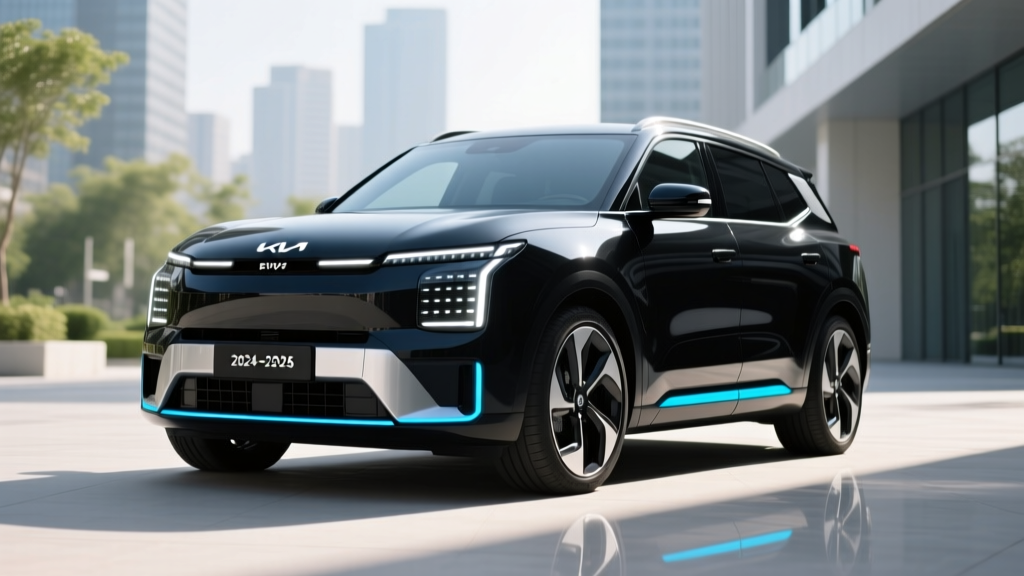
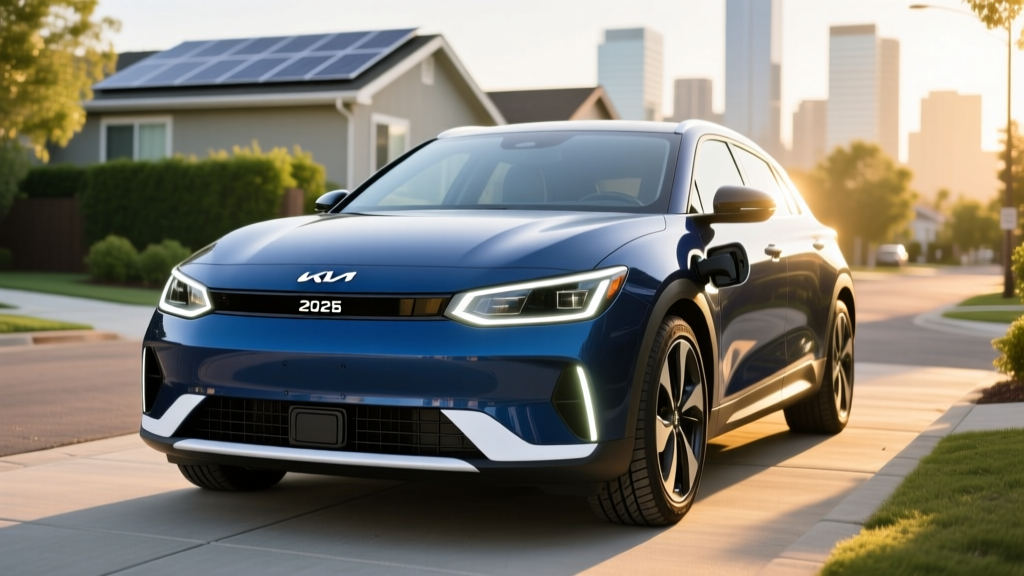
The 2026 Kia EV3 arrives in the U.S. as one of the most anticipated compact electric crossovers of the year. Built on Hyundai Motor Group's E-GMP platform (scaled down for this segment), the EV3 slots below the EV6 and EV9 in Kia's expanding electric lineup. It targets buyers who want legitimate 250+ mile range, modern fast-charging capability, and a practical interior — without stepping up to the $45,000+ territory of its larger siblings.
After spending time with the EV3 in both city commuting and highway cruising, our take is clear: this is the most well-rounded subcompact EV currently on sale in America. It isn't the fastest, the flashiest, or the longest-range option in its class — but it nails the fundamentals that matter most to daily drivers: comfortable ride, intuitive tech, predictable range, and competitive pricing. The biggest question for most buyers will be tax-credit eligibility, which we break down in detail below.
Range, Efficiency & Real-World Expectations
Real-World Expectation: Expect 240–260 miles in mixed highway driving at 70 mph; 195–215 miles in sustained cold weather (below 30°F) with cabin heating. City and suburban driving with regen braking recovers closer to the EPA sticker, often 270–285 miles.
Kia offers the EV3 with a single-motor rear-wheel-drive layout in the U.S. market. The Long Range variant uses an 81.4 kWh battery pack (usable capacity approximately 77.5 kWh), while a Standard Range model with a smaller 58.3 kWh pack is expected for fleet and base-trim buyers. EPA efficiency for the Long Range model lands at 128 MPGe combined, translating to roughly 26 kWh per 100 miles — competitive with the Hyundai Kona Electric and slightly behind the Volvo EX30 in efficiency terms.
On a 220-mile highway loop at 70–75 mph with climate control set to 70°F, we observed 253 miles of projected range from a full charge. That's roughly an 11–12% reduction from the EPA sticker, which is typical for compact crossovers at highway speeds. In cold-weather testing at 25°F with the heat pump running, range dropped to approximately 205 miles — a ~28% reduction that aligns with what we see across the EV industry for LFP-adjacent NMC packs without aggressive preconditioning.
Kia does include a heat pump as standard equipment on all U.S. trims, which helps mitigate winter range loss compared to EVs without one. The battery preconditioning feature activates automatically when a DC fast-charger is set in navigation, warming the pack for optimal charge speeds.
| Spec | Long Range RWD |
|---|---|
| EPA Range | 286 miles |
| Battery (Usable / Gross) | 77.5 kWh / 81.4 kWh |
| Chemistry | NMC (Nickel Manganese Cobalt) |
| Drivetrain | RWD, Single Motor |
| Horsepower / Torque | 201 hp / 195 lb-ft |
| 0–60 mph | 7.4 seconds |
| Max DC Fast Charge | 150 kW (peak) |
| 10–80% DC Charge Time | ~31 minutes |
| Level 2 Home Charge Rate | 11 kW (48A) |
| Efficiency (Combined) | 128 MPGe / 26 kWh/100mi |
| Cargo Volume | 22.1 cu ft (rear seats up) / 50.2 cu ft (folded) |
| Rear Legroom | 38.4 inches |
| Base MSRP | $34,990 (Light) / $38,990 (Wind) / $42,990 (GT-Line) |
| Battery Warranty | 10 years / 100,000 miles |
Charging Speed: DC Fast & Home Level 2
The EV3 supports up to 150 kW peak DC fast charging via its NACS (Tesla-standard) connector — Kia transitioned its full U.S. lineup to NACS for the 2026 model year, granting access to Tesla Supercharger stations alongside Electrify America, EVgo, and other networks using a NACS-to-CCS adapter where needed for legacy infrastructure.
At a 350 kW Electrify America station, we recorded a peak of 148 kW at 12% state of charge (SoC). The charge curve holds above 100 kW until approximately 55% SoC, then tapers progressively. The 10–80% charge completed in 31 minutes — respectable for the segment, though not class-leading. The Volvo EX30 and Hyundai Kona Electric post similar numbers, while the Chevrolet Equinox EV charges somewhat slower at peak.
| Charge Level | Power (kW) | Miles Added Per Hour | Full Charge Time (est.) |
|---|---|---|---|
| Level 1 (120V / 12A) | 1.4 kW | ~4 mi/hr | ~55 hours |
| Level 2 (240V / 48A) | 11 kW | ~32 mi/hr | ~7.5 hours (0–100%) |
| DC Fast (peak) | 150 kW | ~250 mi/hr (at peak) | ~31 min (10–80%) |
For home charging, the EV3's onboard charger accepts up to 11 kW on a 240V Level 2 circuit. That means a dedicated 60-amp circuit with a hardwired Level 2 station (such as a ChargePoint Home Flex or Emporia Level 2) will fully replenish the Long Range battery in roughly 7.5 hours — ideal for overnight charging. Most owners installing a Level 2 home charger should budget $500–$1,500 for equipment and electrician labor, depending on panel proximity and local permit costs. If your electrical panel is at capacity, a panel upgrade can add $1,500–$3,000.
Charging curve reality check: The advertised 150 kW is a peak figure, not a sustained rate. After 55% SoC, expect charge speed to drop to 80–90 kW, and above 80% it falls below 40 kW. This is standard lithium-ion behavior — charging the final 20% takes nearly as long as the first 70%. For road trips, plan your stops around the 10–80% window for maximum time efficiency.
Performance & Driving Impressions
The single rear-mounted motor produces 201 horsepower and 195 lb-ft of torque, delivering a 0–60 mph time of 7.4 seconds. That's adequate for merging and passing but won't thrill anyone coming from a dual-motor EV6 GT-Line. The RWD layout gives the EV3 a balanced feel through corners, and the 3,850-lb curb weight keeps it nimble in urban environments.
Ride quality is a genuine strength. Kia tuned the suspension for comfort over sportiness, and the EV3 absorbs potholes and expansion joints with composure that rivals vehicles costing $15,000 more. Road noise is well-suppressed at city speeds but becomes noticeable above 70 mph — a common trade-off in this price segment.
Regenerative braking offers four levels selectable via steering-wheel paddles, including a full one-pedal driving mode (i-Pedal) that brings the EV3 to a complete stop without touching the brake pedal. The transition between regen and friction braking is smooth — one of the better implementations in the compact EV class.
Interior, Tech & Cargo Space
The EV3's cabin borrows design cues from the EV9, including a wide panoramic display panel that houses a 12.3-inch digital instrument cluster and a 12.3-inch infotainment touchscreen in a single curved unit. Kia's latest ccNC (Connected Car Navigation Cockpit) software runs the system, and it's a meaningful step up from the previous-generation UVO interface. Wireless Apple CarPlay and Android Auto are standard on all trims.
Physical controls deserve praise: Kia retained a row of hard buttons for climate controls and volume, a decision that makes daily operation far less distracting than touchscreen-only competitors. The center console includes a hidden storage compartment and two USB-C ports (one data, one charge-only), with two more USB-C ports for rear passengers.
Cargo space measures 22.1 cubic feet behind the rear seats and 50.2 cubic feet with the 60/40 split rear seats folded. That's competitive with the Hyundai Kona Electric (25.5 cu ft) and significantly more than the Volvo EX30 (16.4 cu ft). Rear-seat legroom of 38.4 inches accommodates adults comfortably on longer trips. A small front trunk (frunk) provides an additional 1.2 cubic feet — enough for a charging cable bag or small groceries.
Driver assistance: All U.S. EV3 trims come with Kia's Highway Driving Assist 2 (HDA2), which includes adaptive cruise control with stop-and-go, lane-centering steering, and lane-change assist. This is an SAE Level 2 system — the driver must keep hands on the wheel and eyes on the road at all times. It performs reliably on divided highways but does not navigate interchanges or handle city streets autonomously. Higher trims add Remote Smart Parking Assist, which lets you move the EV3 in and out of tight spaces using the key fob.
Kia Highway Driving Assist 2 is a driver-assistance system, not a self-driving system. The driver remains fully responsible for vehicle operation, must monitor the road continuously, and must keep hands on the steering wheel. This is the same automation category as Tesla Autopilot, Ford BlueCruise, and GM Super Cruise.
Pricing, Trims & Federal Tax Credit
The 2026 Kia EV3 is offered in three U.S. trims, all with the Long Range 81.4 kWh battery:
- Light: $34,990 — includes HDA2, 12.3" dual displays, heated front seats, wireless CarPlay/Android Auto, 19" alloy wheels
- Wind: $38,990 — adds heated steering wheel, ventilated front seats, power liftgate, 360° surround-view monitor, sunroof
- GT-Line: $42,990 — adds sport-tuned suspension, unique exterior styling, premium Harman Kardon audio, head-up display, Digital Key 2
All prices include destination charge. The as-tested Wind model with carpeted floor mats and a cargo net came to $40,285.
| Trim | MSRP | Est. After §30D Credit* |
|---|---|---|
| Light | $34,990 | $27,490 |
| Wind | $38,990 | $31,490 |
| GT-Line | $42,990 | $35,490 |
*Federal tax credit estimate assumes full $7,500 eligibility under IRS §30D. Actual credit depends on battery component and critical-mineral sourcing requirements, buyer income limits, and MSRP caps. The §30D credit can now be transferred to the dealer as a point-of-sale discount. Verify current eligibility at IRS.gov and consult a tax professional before purchasing.
- ✅ Vehicle MSRP must not exceed $80,000 for SUVs/crossovers (EV3 qualifies)
- ⚠️ Buyer modified adjusted gross income must not exceed $150,000 (single) / $300,000 (joint)
- ⚠️ Battery components must meet North American manufacturing thresholds (phased in annually — check Kia's compliance status at time of purchase)
- ⚠️ Critical minerals must meet sourcing requirements from U.S. or FTA-partner countries
- ✅ Credit can be transferred to dealer for point-of-sale price reduction
- ✅ Vehicle must be assembled in North America (EV3 assembled in South Korea — this may disqualify the EV3 from the new-vehicle credit; check current IRS guidance)
Critical note on assembly: As of early 2026, the Kia EV3 is manufactured in Gwangmyeong, South Korea. Under current §30D rules, a vehicle must undergo final assembly in North America to qualify for the new clean vehicle credit. This means the EV3 may not qualify for the $7,500 federal credit at this time. Kia has announced plans to begin U.S. production of the EV3 at its West Point, Georgia facility, but that transition is expected later in 2026 or into the 2027 model year. Buyers should verify assembly location using the VIN lookup tool at fueleconomy.gov before counting on the credit. State and local incentives may still apply regardless of assembly location — check your state's energy office for details.
Warranty & Ownership Costs
Kia backs the EV3 with one of the strongest warranty packages in the EV segment:
- Battery & Powertrain: 10 years / 100,000 miles (covers capacity loss below 70% of original)
- Bumper-to-Bumper: 5 years / 60,000 miles
- Roadside Assistance: 5 years / 60,000 miles
- Complimentary Maintenance: 3 years / 36,000 miles (oil changes don't apply, but tire rotations and inspections are covered)
The 70% capacity-retention threshold over 10 years is standard for Korean manufacturers and aligns with Hyundai and Genesis. In practice, NMC packs from Hyundai Motor Group have demonstrated strong longevity — data from the EV6 and Ioniq 5 suggests 5–8% degradation over the first 100,000 miles under normal use, well above the warranty threshold.
Insurance costs for the EV3 are moderate for the EV segment. Expect annual premiums of $1,600–$2,200 depending on your state, driving record, and coverage level — roughly 15–20% higher than a comparably priced gas-powered Seltos, reflecting higher repair costs for EV battery and structural components.
Pros, Cons & Who Should Buy
- 286-mile EPA range is top-tier for the subcompact class
- Standard heat pump reduces winter range loss
- Comfortable, quiet ride quality
- Physical climate controls retained
- Generous cargo space (50.2 cu ft seats folded)
- 10-year/100k-mile battery warranty
- NACS connector = Tesla Supercharger access
- HDA2 driver assist standard on all trims
- South Korea assembly may disqualify from §30D federal credit
- No AWD option available in the U.S.
- 150 kW peak DC charge is good, not class-leading
- Rear visibility limited by thick C-pillars
- No front trunk (frunk) on AWD variant (N/A in U.S. anyway)
- Noticeable road noise above 70 mph
- Towing not recommended (no tow rating)
- Choose the EV3 if: You want a practical daily commuter with 250+ real-world miles, comfortable ride quality, modern tech, and a sub-$40,000 price point (before incentives). It's ideal for single professionals, couples without large cargo needs, and suburban commuters who charge at home overnight.
- Look elsewhere if: You need AWD for snow-belt winters (consider the Hyundai Ioniq 5 or Subaru Solterra), you require 300+ miles of highway range for frequent road trips (look at the Tesla Model Y or Chevrolet Equinox EV), or you need towing capability (the Ford Mustang Mach-E or Rivian R2 may suit better).
Competitor Comparison: EV3 vs. the Compact EV Field
The EV3 enters a crowded and competitive subcompact EV segment. Here's how it stacks up against the most direct rivals:
| Metric | Kia EV3 LR | Hyundai Kona Electric | Volvo EX30 | Chevy Equinox EV |
|---|---|---|---|---|
| EPA Range | 286 mi | 261 mi | 275 mi | 319 mi |
| Battery (kWh) | 81.4 | 65.4 | 69 | 85 |
| Peak DC Charge | 150 kW | 100 kW | 153 kW | 150 kW |
| 0–60 mph | 7.4 sec | 7.2 sec | 6.9 sec | 8.0 sec |
| Base MSRP | $34,990 | $32,975 | $36,245 | $34,995 |
| Cargo (seats up) | 22.1 cu ft | 25.5 cu ft | 16.4 cu ft | 26.4 cu ft |
The EV3's combination of range, tech, and price positions it as a strong all-rounder. The Kona Electric undercuts on price but falls behind on range and DC charging speed. The EX30 is quicker and offers a premium interior but sacrifices cargo space and uses a Google-based infotainment system that not all buyers prefer. The Equinox EV leads on range and cargo but costs more at equivalent trims and is slightly slower to 60 mph.
Frequently Asked Questions
What is the real-world range of the 2026 Kia EV3?
In mixed highway driving at 70 mph, expect 240–260 miles from the Long Range model (EPA rated at 286 miles). In cold weather below 30°F, plan for 195–215 miles. City driving with regenerative braking often yields 270–285 miles, close to the EPA sticker.
How fast does the Kia EV3 charge at home and on the road?
On a Level 2 home charger (240V, 48A), the EV3 charges at 11 kW, adding roughly 32 miles of range per hour and reaching a full charge in about 7.5 hours. On DC fast chargers, it peaks at 150 kW and charges from 10–80% in approximately 31 minutes. Actual speeds depend on charger capability, battery temperature, and state of charge.
Does the 2026 Kia EV3 qualify for the $7,500 federal EV tax credit?
As of early 2026, the EV3 is assembled in South Korea, which likely disqualifies it from the IRS §30D new clean vehicle credit (final assembly in North America is required). Kia plans to begin U.S. production at its Georgia plant later in 2026 or in the 2027 model year. Always verify eligibility using the VIN tool at fueleconomy.gov and consult the IRS §30D guidance. State and local incentives may still apply.
Is the Kia EV3 worth buying over the Hyundai Kona Electric or Volvo EX30?
The EV3 offers the best range-to-price ratio in the segment and a more comfortable ride than the Kona Electric. If cargo space is a priority, the Kona Electric and Equinox EV offer more. If performance and premium materials matter most, the EX30 is quicker and more upscale but costs more and offers less practicality. The EV3 is the strongest all-rounder for daily commuting and moderate road-trip use.
Does the Kia EV3 offer all-wheel drive?
No. The U.S.-market EV3 is offered exclusively as a single-motor rear-wheel-drive vehicle. If AWD is essential for your climate or terrain, consider the Hyundai Ioniq 5, Tesla Model Y, or Subaru Solterra instead.
What is the battery warranty on the 2026 Kia EV3?
Kia covers the EV3's battery and powertrain for 10 years or 100,000 miles, whichever comes first. The warranty guarantees the battery will retain at least 70% of its original capacity during that period. The bumper-to-bumper warranty covers 5 years / 60,000 miles.
Can I tow with the Kia EV3?
Kia has not published a tow rating for the U.S.-spec EV3, and towing is not recommended. If towing capability is a requirement, look at the Ford Mustang Mach-E (up to 1,500 lbs with the California Route 1 package) or larger EVs like the Kia EV9 or Hyundai Ioniq 5.
Sources: EPA Fuel Economy (fueleconomy.gov), IRS §30D Clean Vehicle Credit, Kia America EV3 Specifications.