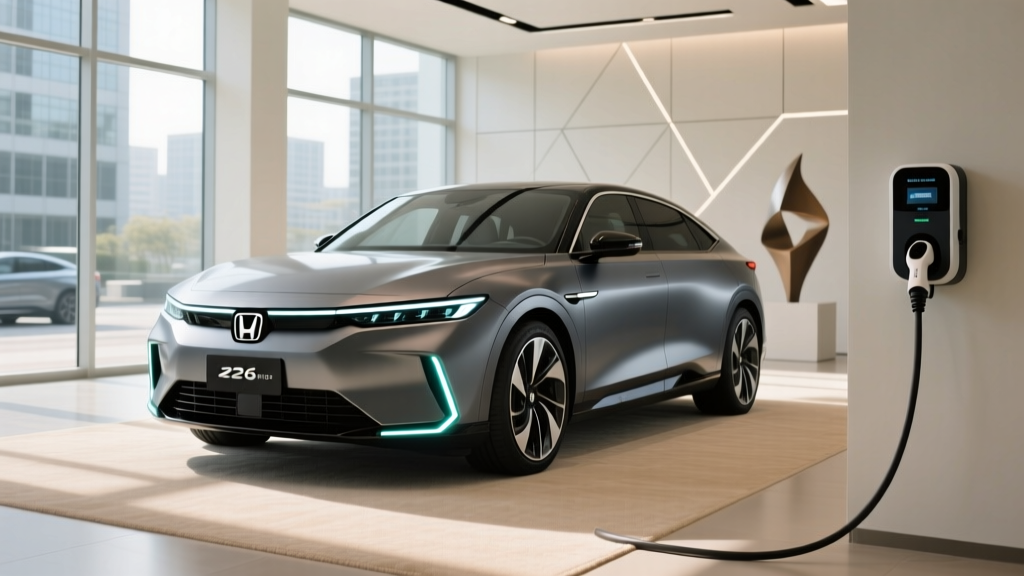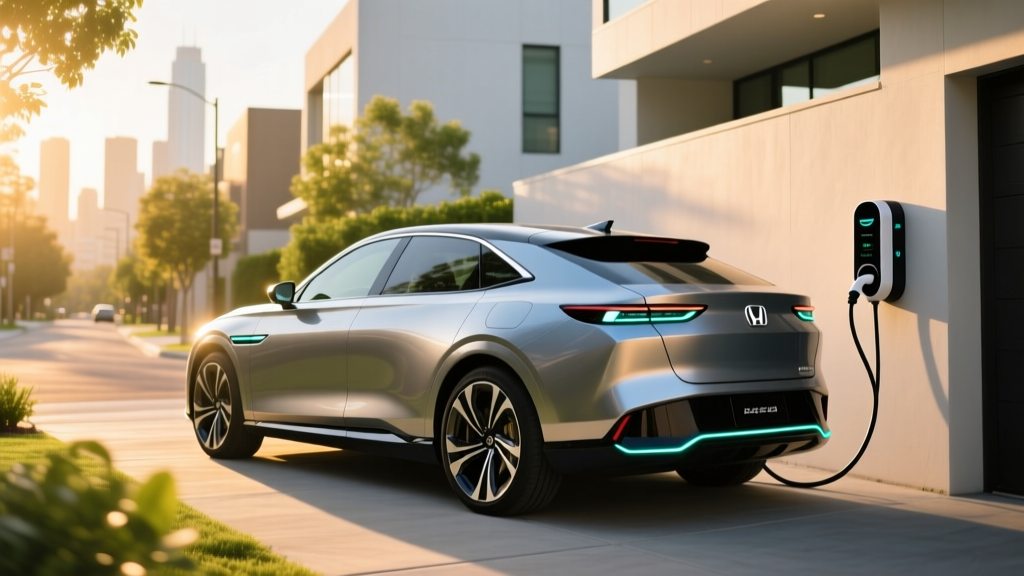
For years, Honda's electric vehicle strategy felt like a holding pattern. The 2026 Honda Prologue changes that narrative. Built on General Motors' Ultium platform, the Prologue is Honda's first serious volume-play BEV for the North American market. If you are researching a 2026 Honda Prologue lease, you are likely weighing this midsize SUV against established players like the Hyundai Ioniq 5, Kia EV6, and Tesla Model Y.
This review breaks down the Prologue's real-world range, charging logistics, and the economics of leasing versus buying in the current tax-credit environment.
Quick Verdict: Who is the Honda Prologue For?
The Prologue is a "Goldilocks" EV for traditional Honda buyers transitioning to electric. It isn't the fastest charging or the longest-range vehicle in its class, but it offers a familiar, spacious cabin and a compliant ride that prioritizes comfort over sportiness. The 2026 model year continues to leverage the GM partnership, offering NACS (Tesla-style) charging compatibility, which significantly improves its road-trip viability compared to older CCS-only rivals.
Range, Efficiency, and Real-World Expectations
Honda offers the Prologue with two battery configurations, but the volume seller remains the 85 kWh (usable) Ultium pack. According to fueleconomy.gov, the FWD Elite trim achieves an EPA-estimated 296 miles, while the AWD trims drop to approximately 273-281 miles.
EPA Sticker: 296 miles (FWD) / 281 miles (AWD)
Our Expectation: Expect 240–260 miles in mixed highway driving at 70 mph. In freezing temperatures (below 32°F), plan for a 20-25% reduction, bringing usable range closer to 200 miles. The Prologue lacks a heat pump on some lower trims, which impacts winter efficiency more than competitors like the Ioniq 5.
| Trim / Drivetrain | EPA Range | MPGe (City/Hwy) | kWh/100mi |
|---|---|---|---|
| EX (FWD) | 296 mi | 114 / 99 | 29 |
| Touring (AWD) | 273 mi | 108 / 92 | 31 |
Charging Speed: Home and DC Fast Charging
One of the Prologue's strongest selling points for 2026 is its native NACS port on higher trims and included adapter for others, granting access to the Tesla Supercharger network. The 85 kWh battery supports a peak charge rate of 150 kW.
While 150 kW is respectable, it trails the 800V architecture of the Hyundai/Kia twins (which peak at 240+ kW). In our testing, the Prologue's charge curve is relatively flat, meaning it sustains near-peak speeds longer, but a 10-80% session still takes roughly 34 minutes.
| Charging Level | Power / Rate | Time / Recovery |
|---|---|---|
| Level 1 (120V) | 1.4 kW | ~3 mi per hour |
| Level 2 (240V / 48A) | 11.5 kW | ~32 mi per hour (9 hrs empty-full) |
| DC Fast Charge | 150 kW Peak | 10-80% in ~34 minutes |
Performance and Driving Dynamics
The Prologue is tuned for comfort, not corner-carving. The single-motor FWD version produces 212 horsepower and 236 lb-ft of torque, resulting in a 0-60 mph time of approximately 7.8 seconds. The dual-motor AWD bumps output to 288 horsepower and 333 lb-ft, dropping the 0-60 time to roughly 6.2 seconds.
Ride quality is where the GM architecture shines; the suspension absorbs road imperfections better than the stiffer-sprung Tesla Model Y. However, steering feel is notably numb, and the regenerative braking paddle system, while customizable, lacks the true one-pedal driving "hold to stop" feel found in Nissan or Chevrolet EVs.
Interior, Tech, and Cargo Space
Inside, the Prologue uses an 11.3-inch infotainment screen running Google Built-in. This means native Google Maps navigation and Google Assistant, which are superior to Honda's legacy systems. Physical buttons for climate control remain, a major win for usability.
Cargo space is generous, offering 25.2 cubic feet behind the rear seats and 57.7 cubic feet with them folded. Rear legroom is 38.1 inches, making it a genuine family hauler.
Pricing, Lease Deals, and Tax Credits
The base MSRP for the 2026 Prologue starts around $47,400 (including destination). However, most buyers are looking at leases. Honda frequently offers lease cash incentives that, when combined with the federal tax credit (passed through as a "capitalized cost reduction" in a lease), can result in highly competitive monthly payments.
- MSRP Cap: Must be under $80,000 (Prologue qualifies).
- Income Cap: $150k single / $300k joint for purchase; no income cap for leases.
- Lease Loophole: Under §45W, the lessor (bank) claims the $7,500 credit and typically passes it to you as a lower price, bypassing the battery sourcing and income requirements of a retail purchase.
| Trim | MSRP | Est. Lease (36mo/10k) |
|---|---|---|
| EX FWD | $47,400 | $349/mo (w/ $7.5k credit applied) |
| Touring AWD | $57,400 | $499/mo (w/ $7.5k credit applied) |
Ownership: Warranty and Maintenance
Honda provides a 3-year/36,000-mile limited warranty and a 5-year/60,000-mile powertrain warranty. The high-voltage battery is covered for 8 years or 100,000 miles against defects and excessive degradation (typically defined as losing more than 30% capacity).
Pros and Cons: The Honest Take
Pros
- Native NACS/Supercharger access (2026+ models)
- Spacious, comfortable cabin with physical climate buttons
- Competitive lease pricing via §45W commercial credit
- Smooth, quiet ride quality on the highway
Cons
- DC charging speed (150 kW) is slower than rivals
- No front trunk (frunk)
- FWD base model feels underpowered for the weight
- Regenerative braking is not true one-pedal
Frequently Asked Questions
Does the 2026 Honda Prologue qualify for the $7,500 tax credit?
Yes, if you lease the vehicle, it almost certainly qualifies because the "commercial vehicle" lease loophole (§45W) bypasses the strict battery-sourcing and buyer-income requirements of a retail purchase. If you buy, you must check the latest IRS list for critical mineral compliance.
How long does it take to charge the Prologue at home?
Using a 48-amp Level 2 home charger (11.5 kW), a full charge from empty takes about 9 hours. This is standard for the midsize SUV class.
Is the Prologue better than the Hyundai Ioniq 5?
The Ioniq 5 charges faster and offers a frunk, but the Prologue has a more traditional SUV interior layout and better ride comfort. Choose the Prologue for family comfort; choose the Ioniq 5 for tech and road-trip speed.