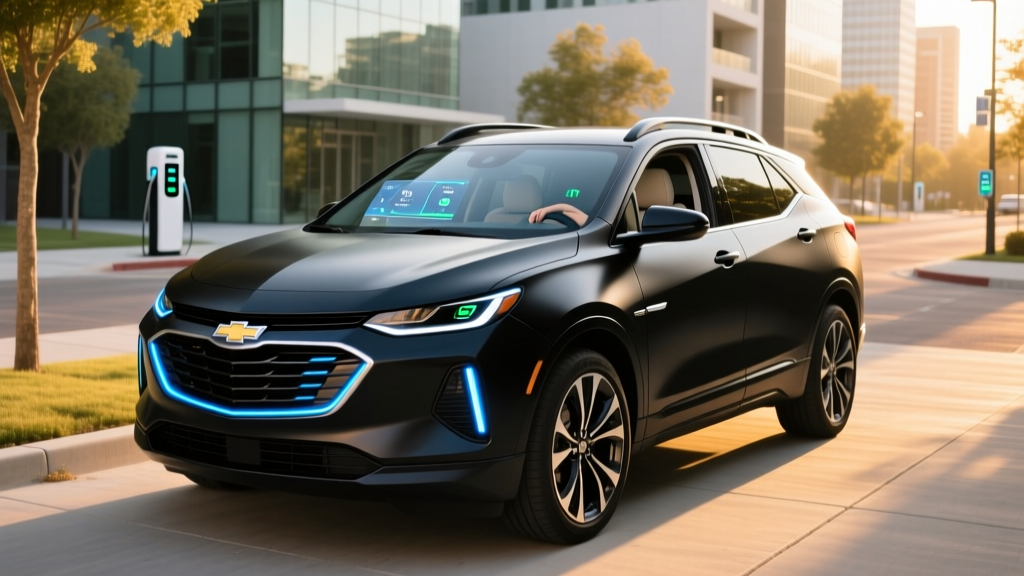
Quick Verdict: Where the Equinox EV Fits in the BEV Market
The battery-electric vehicle market in 2026 is bifurcating sharply: premium long-range models above $50,000 and a growing cohort of sub-$40,000 crossovers aimed at mainstream buyers who need practicality over performance bragging rights. The 2026 Chevrolet Equinox EV slots squarely into the latter segment — and it does so with one of the most compelling range-per-dollar ratios available today.
With an EPA-estimated 319 miles on the mid-range LT trim and a starting MSRP that undercuts the Hyundai Ioniq 5, Tesla Model Y, and Ford Mustang Mach-E, the Equinox EV makes a serious case for buyers entering the BEV market for the first time. But real-world range, charging speed, and interior execution tell a more nuanced story than the sticker suggests.
| Spec | Value |
|---|---|
| EPA Range (LT FWD) | 319 mi |
| EPA Range (RS AWD) | 285 mi |
| Battery (usable) | 85 kWh, NMC (Ultium) |
| Max DC Fast Charge | 170 kW (peak) |
| 10–80% DC Charge Time | ~27 min (est.) |
| Level 2 Home Charge | 11.5 kW / ~34 mi/hr |
| Motor Output (FWD) | 213 hp / 236 lb-ft |
| Motor Output (AWD) | 288 hp / 348 lb-ft |
| 0–60 mph (FWD) | ~8.0 sec |
| 0–60 mph (AWD) | ~5.9 sec |
| Efficiency (FWD) | 114 MPGe / 29 kWh/100mi |
| Cargo (rear seats up) | 26.4 cu ft |
| Cargo (rear seats folded) | 57.2 cu ft |
| Rear Legroom | 37.8 in |
| Battery Warranty | 8 yr / 100,000 mi |
| Base MSRP (2LT FWD) | $33,600 |
Range and Efficiency: EPA Sticker vs. Real-World Driving
The headline number is 319 miles of EPA-estimated range on the front-wheel-drive LT trim. That figure places the Equinox EV ahead of the base Tesla Model Y (300 mi), the Hyundai Ioniq 5 (303 mi Long Range), and well ahead of the Ford Mustang Mach-E Select (250 mi). In the sub-$40K BEV market segment, only the Hyundai Kona Electric (319 mi) matches it on paper.
Real-World Range Expectation: The EPA 319-mile figure assumes a mix of city and highway driving at moderate temperatures. In sustained 75-mph highway testing, expect approximately 265–280 miles before needing a charge. In cold weather (below 30°F), cabin heating and battery thermal losses reduce usable range by roughly 20–25%, putting realistic winter highway range around 215–240 miles. City driving with regenerative braking engaged can closely match or slightly exceed the EPA estimate in mild conditions.
Efficiency lands at 114 MPGe combined (29 kWh per 100 miles) for the FWD configuration, according to fueleconomy.gov. That's competitive with the segment but not class-leading — the Ioniq 5 achieves 114 MPGe on a lighter platform, while the Tesla Model Y RWD hits 122 MPGe. The Equinox EV's 85 kWh usable NMC battery (part of GM's Ultium architecture) is on the larger side for this class, which is how it achieves its range despite middling efficiency.
The AWD RS trim sacrifices range for traction and power, dropping to 285 miles EPA. That's a meaningful 34-mile penalty — buyers in snow-belt states should weigh whether AWD is worth the trade-off or whether winter tires on the FWD model suffice.
Charging: Speed, Connectors, and Home Setup
The Equinox EV charges via the North American Charging Standard (NACS) connector natively on 2026 models, giving it direct access to the Tesla Supercharger network — a significant infrastructure advantage over CCS-equipped competitors that still require adapters.
| Charging Level | Power | Speed | Notes |
|---|---|---|---|
| Level 1 (120V) | ~1.4 kW | ~4 mi/hr | Emergency/trickle only |
| Level 2 (240V, 48A) | 11.5 kW | ~34 mi/hr | Full charge overnight (~9 hrs) |
| DC Fast Charge | 170 kW (peak) | ~70 mi in 10 min | 10–80% in ~27 min; tapers sharply above 80% |
At 170 kW peak DC fast-charging rate, the Equinox EV is adequate but not exceptional. The Hyundai Ioniq 5 peaks at 240 kW (10–80% in ~18 minutes), and the Tesla Model Y can sustain around 250 kW on V3 Superchargers. The Equinox's charge curve holds near peak only between roughly 10% and 40% state of charge, then progressively tapers — by 70% SoC, you're likely seeing 80–90 kW. Plan road-trip stops around the 10–80% window for maximum efficiency; charging from 80% to 100% on DC is painfully slow and best reserved for overnight Level 2 sessions.
For home charging, the 11.5 kW onboard charger is a strong point. A full 0–100% charge takes roughly 9 hours on a properly installed 240V/48A Level 2 circuit. Expect to budget $800–$1,500 for a quality Level 2 wall connector plus professional installation, with potential panel-upgrade costs of $1,500–$3,000 if your home's electrical service needs a 200A upgrade. Always consult a licensed electrician for final specifications.
Performance and Driving Impressions
The front-wheel-drive Equinox EV produces 213 horsepower and 236 lb-ft of torque from a single front-mounted motor. The 0–60 mph time of approximately 8.0 seconds is perfectly adequate for commuting and merging but won't win any stoplight drag races. This is a crossover tuned for comfort and efficiency, not sportiness.
Step up to the dual-motor AWD RS, and the output jumps to 288 hp and 348 lb-ft, dropping the 0–60 time to roughly 5.9 seconds. The additional power is noticeable in highway passing and mountain driving, and the AWD system provides confidence in rain and snow. However, the 34-mile range penalty and a roughly $3,000 price premium make it worth testing both configurations before committing.
Ride quality is a highlight. The Equinox EV's suspension absorbs road imperfections with a maturity that belies its price point. Cabin noise levels are low — typical of EVs without engine noise, but GM has done well managing wind and tire noise specifically. The steering is light and numb, a common trait in this segment, but it's inoffensive for the target demographic.
Interior, Tech, and Cargo Practicality
The cabin centers on a 17.7-inch diagonal infotainment touchscreen running GM's latest Google Built-in software. Navigation, Google Assistant, and Google Play Store apps are integrated natively. Wireless Apple CarPlay and Android Auto are standard. The interface is responsive, and the large screen real estate makes split-view navigation and media convenient — though the heavy reliance on touchscreen controls (climate, seat heating) will frustrate drivers who prefer physical buttons.
Standard driver-assistance features include Super Cruise compatibility on mapped divided highways. Super Cruise is an SAE Level 2 system — it handles steering, acceleration, and braking on compatible roads, but the driver must remain attentive, with a camera-based monitoring system ensuring eyes-on-road compliance. This is not autonomous driving. GM's Super Cruise coverage has expanded significantly through 2025 and 2026, now covering over 750,000 miles of roads in the U.S. and Canada.
Pros
- 319-mile EPA range is best-in-class at this price point
- Native NACS connector — direct Supercharger access
- Spacious cabin with 37.8" rear legroom
- Strong Level 2 home charging at 11.5 kW
- Super Cruise availability on LT and RS trims
- Competitive starting MSRP under $34,000
Cons
- DC fast charging peaks at 170 kW — slower than Ioniq 5 and Model Y
- FWD 0–60 time of 8.0 sec feels sluggish for an EV
- Touchscreen-heavy climate/media controls lack physical buttons
- No front trunk (frunk) — Ultium packaging uses that space
- AWD trim drops range to 285 mi
- Rear visibility is compromised by thick C-pillars
Cargo space measures 26.4 cubic feet behind the second row and 57.2 cubic feet with the rear seats folded. That's competitive with the gas Equinox but trails the Tesla Model Y's 30.2/76.2 cu ft split. There is no front trunk — the Ultium platform's under-hood packaging houses electronics and climate components. For a family of four, the rear cargo area handles weekly groceries, strollers, and luggage for a weekend trip without issue. A power liftgate is standard on LT and above.
Pricing, Trims, and Federal Tax Credit Eligibility
The 2026 Equinox EV lineup starts at $33,600 for the 2LT FWD, which is the volume trim and the one delivering the full 319-mile range. The sporty RS AWD starts around $41,900. Fully optioned RS models with Super Cruise packages and premium paint can reach the mid-$40,000s.
| Trim | MSRP | §30D Credit (if eligible) | Effective Price |
|---|---|---|---|
| 2LT FWD | $33,600 | Up to $7,500 | From ~$26,100 |
| 3LT FWD | $36,200 | Up to $7,500 | From ~$28,700 |
| RS AWD | $41,900 | Up to $7,500 | From ~$34,400 |
Federal tax credit caveat: The IRS §30D Clean Vehicle Credit offers up to $7,500, but eligibility is not automatic. Buyers must meet income caps ($150,000 single / $300,000 married filing jointly for modified AGI), the vehicle MSRP must not exceed $80,000 for SUVs (the Equinox EV clears this easily), and the battery must satisfy critical-mineral and battery-component sourcing requirements that tighten annually. For 2026, the battery-sourcing rules are the most restrictive to date. The credit can now be transferred to the dealer at point of sale as an instant discount, rather than waiting for a tax refund. Always verify current-year eligibility with your tax professional and the IRS before relying on the credit in your purchase decision.
Ownership Costs and Warranty Coverage
GM backs the Equinox EV's battery and powertrain with an 8-year/100,000-mile warranty, with a capacity retention threshold of 60% — meaning if the battery degrades below 60% of original capacity within the warranty period, GM will repair or replace it. This is standard for the industry. The bumper-to-bumper warranty covers 3 years/36,000 miles.
Charging costs vary dramatically by region and electricity rate. At the U.S. average residential rate of roughly $0.17/kWh, a full 85 kWh home charge costs about $14.45 — yielding approximately $0.045 per mile. Compare that to a 25-MPG gas crossover at $3.40/gallon, which costs $0.136 per mile. Over 15,000 annual miles, the Equinox EV saves roughly $1,365 per year on fuel alone when charging at home. Public DC fast-charging costs significantly more (often $0.35–$0.50/kWh), narrowing or eliminating the savings if you rely on it exclusively.
Insurance premiums for the Equinox EV tend to run 10–15% higher than the gas Equinox, reflecting higher repair costs and battery replacement risk. Shop multiple carriers — some now offer EV-specific policies with battery coverage endorsements.
Who Should Buy the Equinox EV?
Choose the Equinox EV if: You want maximum range per dollar in a practical crossover, you have access to home Level 2 charging, your daily commute is under 80 miles round-trip, and you value Supercharger network access without adapter hassles. It's ideal for suburban families and first-time EV buyers who want range confidence without a premium price tag.
Look elsewhere if: You regularly take 400+ mile road trips and need the fastest possible DC charging (consider the Ioniq 5 or Model Y), you want a sporty driving experience (the Mach-E GT or Ioniq 5 N deliver), or you need maximum cargo volume (the Model Y offers significantly more).
In the broader BEV market, the Equinox EV occupies a strategic position: it's the high-range, value-priced option for buyers who don't need to be early adopters or performance enthusiasts. It won't generate enthusiast buzz, but for the volume of mainstream crossover shoppers finally ready to go electric, it may be the most rational purchase on the lot.
Frequently Asked Questions
What is the real-world range of the 2026 Chevy Equinox EV?
The EPA estimates 319 miles for the FWD LT trim. In real-world highway driving at 75 mph, expect 265–280 miles. In cold weather below 30°F, plan for 215–240 miles of usable range. City driving with regenerative braking in mild weather can closely match the EPA figure.
How fast does the Equinox EV charge at home and on the road?
At home on a 240V Level 2 charger, it accepts 11.5 kW and adds about 34 miles of range per hour — a full charge takes roughly 9 hours. On DC fast chargers, it peaks at 170 kW, reaching 10–80% in approximately 27 minutes. Charging slows significantly above 80% SoC.
Does the Equinox EV qualify for the $7,500 federal tax credit?
It can, but eligibility depends on your income (under $150K single / $300K joint), the vehicle's MSRP (under $80K for SUVs — the Equinox EV qualifies), and whether the battery meets 2026 critical-mineral and component sourcing thresholds. The credit can be applied at point of sale. Verify with IRS guidelines and a tax professional.
Is the Equinox EV worth buying over the Tesla Model Y or Hyundai Ioniq 5?
It depends on priorities. The Equinox EV wins on range-per-dollar at its price point and offers native NACS Supercharger access. The Model Y offers more cargo space, faster charging, and a more mature software ecosystem but at a higher price. The Ioniq 5 charges significantly faster (240 kW peak) and has a more distinctive design, but its range is slightly lower. Test all three before deciding.
Does the Equinox EV have a frunk (front trunk)?
No. The Ultium platform's under-hood area houses power electronics and thermal management components, eliminating front-trunk storage. All cargo goes in the rear hatch area (26.4 cu ft seats up, 57.2 cu ft folded).
Is Super Cruise self-driving?
No. Super Cruise is an SAE Level 2 driver-assistance system. It controls steering, speed, and braking on mapped divided highways, but the driver must remain attentive at all times. A driver-monitoring camera enforces eyes-on-road engagement. Hands-free does not mean attention-free.