Quick Verdict: The Bolt EV's Range Story in 2026
If you've been searching for how many Chevy Bolt miles you can actually expect in daily driving, the 2026 model offers a compelling answer: an EPA-estimated 255 miles on a full charge from its 65 kWh lithium-ion battery. But as any seasoned EV owner knows, the sticker number is just the starting point. After a week of mixed driving — highway stretches at 75 mph, cold morning commutes, and stop-and-go city traffic — the real-world picture is more nuanced, and understanding it is the key to deciding whether the Bolt fits your life.
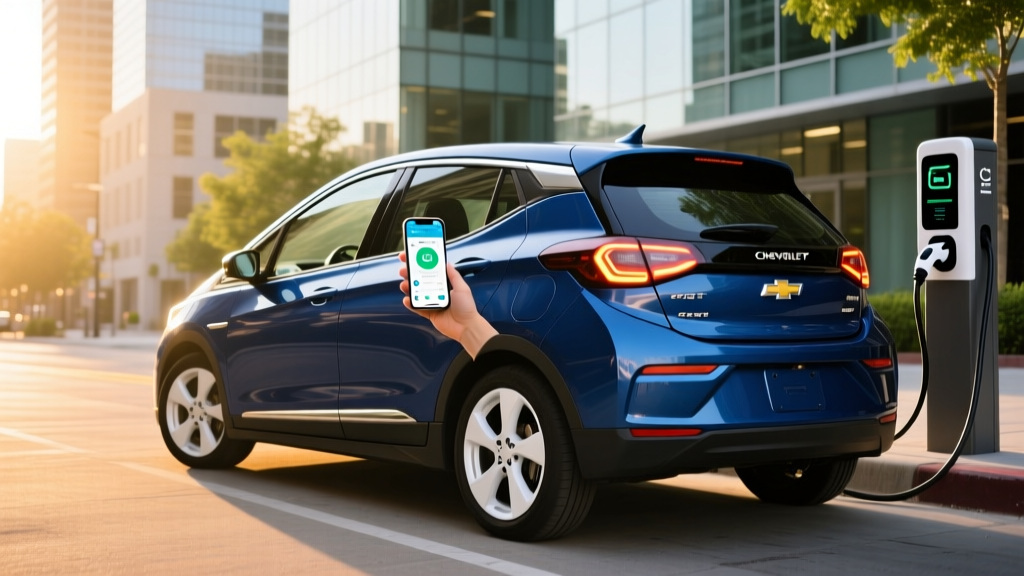
The 2026 Chevrolet Bolt EV returns with its Ultium-based platform, refreshed styling, and improved DC fast-charging capability over the previous generation. It remains one of the most affordable long-range electric vehicles on the US market, starting at $26,900 before any incentives. For budget-conscious EV shoppers who need practical range without a $40,000+ price tag, the Bolt continues to be a serious contender.
| Spec | Value |
|---|---|
| EPA Range | 255 miles |
| Battery Capacity | 65 kWh (usable), Ultium NMC |
| Max DC Fast Charge | 115 kW (peak) |
| 10–80% DC Charge Time | ~30 minutes |
| Level 2 Home Charging | 11.5 kW (~42 mi/hr) |
| 0–60 mph | 6.5 seconds |
| Horsepower / Torque | 200 hp / 266 lb-ft |
| Drivetrain | FWD (single front motor) |
| EPA Efficiency | 120 MPGe combined (28 kWh/100 mi) |
| Cargo Volume | 22.1 cu ft (rear seats up) / 56.3 cu ft (folded) |
| Base MSRP (1LT) | $26,900 |
| Battery Warranty | 8 years / 100,000 miles |
How Many Chevy Bolt Miles Can You Really Expect?
EPA Estimate: 255 miles
Real-World Expectation: 220–240 miles (mixed highway/city, 65–75°F); 175–200 miles (highway at 75 mph in freezing temps)
The EPA's official rating of 255 miles for the 2026 Bolt EV is achievable — but primarily in city and suburban driving at moderate speeds and temperatures. Electric vehicles are inherently more efficient in stop-and-go traffic thanks to regenerative braking, which recovers kinetic energy that gas cars waste as heat.
On a sustained highway drive at 70–75 mph, expect range to drop to approximately 215–230 miles in mild weather. Aerodynamic drag increases exponentially with speed, and the Bolt's hatchback shape, while practical, doesn't slice through air as efficiently as a Tesla Model 3 or Hyundai Ioniq 6. In cold weather (below 32°F), battery chemistry slows and cabin heating demands energy, pushing real-world range down to 175–200 miles on a highway run. This is typical for NMC chemistry without a dedicated heat pump — the Bolt uses a resistive PTC heater, which draws more energy than a heat pump system found in competitors like the Hyundai Ioniq 5.
For the average American commuter driving 35–40 miles round trip, the Bolt offers four to five days between charges even in winter — a comfortable margin that eliminates daily range stress.
Charging Speed: DC Fast and Home Level 2
The 2026 Bolt EV's biggest generational improvement is its DC fast-charging capability. The previous-generation Bolt was infamous for its ~55 kW peak charge rate, making road trips a test of patience. The Ultium-based 2026 model peaks at 115 kW — more than double its predecessor — though it still trails competitors like the Hyundai Kona Electric (100 kW sustained) and Chevrolet Equinox EV (150 kW+).
| Charging Level | Power (kW) | Speed (miles/hr added) | Notes |
|---|---|---|---|
| Level 1 (120V household) | ~1.4 kW | ~4 mi/hr | Emergency/trickle only |
| Level 2 (240V, 48A home) | 11.5 kW | ~42 mi/hr | Full charge in ~6 hours |
| DC Fast Charge (peak) | 115 kW | ~250 mi/hr (at peak) | 10–80% in ~30 min |
Understanding the charge curve: The 115 kW figure is a peak, not a sustained rate. In real-world DC fast charging, the Bolt ramps up to peak power between 10–30% State of Charge (SoC), then tapers progressively. By 60% SoC, you'll see roughly 80–90 kW; above 80%, charging slows dramatically to protect battery health, dropping below 40 kW. This taper behavior is normal for all lithium-ion batteries but is worth understanding when planning road-trip stops — charging from 80–100% at a DC station is rarely time-efficient.
At home on a Level 2 charger (240V, 48-amp circuit), the Bolt adds roughly 42 miles of range per hour, meaning a full overnight charge from 20% to 100% takes about 5–6 hours. A professional Level 2 installation typically costs $800–$2,000 depending on your electrical panel's proximity to the garage and whether a panel upgrade is needed.
Performance, Efficiency, and Daily Drivability
The 2026 Bolt EV's single front-mounted motor produces 200 horsepower and 266 lb-ft of torque — adequate for confident highway merging and city acceleration. The 0–60 mph sprint clocks in at 6.5 seconds, which won't embarrass you at a stoplight but won't pin you to your seat either. The instant torque delivery, as with all EVs, makes the Bolt feel quicker in urban driving than the numbers suggest.
Efficiency is a genuine strong suit: the EPA rates the Bolt at 120 MPGe combined (28 kWh per 100 miles). At a national average electricity rate of $0.16/kWh, that translates to roughly $0.045 per mile — compared to $0.12–$0.15 per mile for a 30 MPG gas car at $3.50/gallon. Over 15,000 annual miles, the Bolt saves approximately $1,100–$1,600 in fuel costs alone.
Ride quality is compliant for a compact hatchback, and the low center of gravity from the floor-mounted battery pack keeps body roll well-controlled in corners. Noise isolation has improved over the prior generation, though road noise on coarse pavement remains noticeable. The one-pedal driving mode (activated via a steering-wheel paddle) offers strong regenerative braking that allows genuine single-pedal operation in most traffic conditions.
Interior, Tech, and Cargo Practicality
Inside, the 2026 Bolt features an 11-inch diagonal infotainment touchscreen running Chevrolet's latest Ultifi-based software with wireless Apple CarPlay and Android Auto. A separate 8-inch digital driver display handles speed, range, and navigation prompts. The interface is responsive, though the lack of physical climate controls (now buried in the touchscreen) draws criticism from owners who prefer tactile buttons.
Passenger space is generous for the compact segment: 42.1 inches of front legroom and 36.1 inches in the rear — enough for adults on shorter trips. The 22.1 cubic feet of cargo space behind the rear seats expands to 56.3 cu ft with the 60/40 split rear seats folded, making the Bolt surprisingly practical for weekend gear, groceries, or a small dog crate.
Driver assistance: Chevy Safety Assist comes standard and includes automatic emergency braking, forward collision alert, lane keep assist with lane departure warning, following distance indicator, and IntelliBeam automatic high beams. Adaptive cruise control is available on the 2LT trim. Notably, GM's Super Cruise hands-free driving system is not available on the Bolt — it remains limited to larger, more expensive GM vehicles.
Pricing, Trims, and Federal Tax Credit Eligibility
| Trim | Base MSRP | Est. After §30D Credit* |
|---|---|---|
| 1LT | $26,900 | ~$19,400 |
| 2LT | $29,400 | ~$21,900 |
*Federal tax credit availability depends on buyer income, battery sourcing, and MSRP caps. See eligibility details below.
The Bolt EV qualifies for the IRS §30D federal clean vehicle credit, which offers up to $7,500 — split into two halves: $3,750 for meeting critical-minerals sourcing requirements and $3,750 for battery-component manufacturing requirements. As of 2026, the Bolt's Ultium battery is manufactured in the US (Lansing, MI), and GM has been steadily increasing critical-minerals compliance through FTA-partner sourcing.
Key eligibility rules for the buyer:
- MSRP cap: The Bolt's price falls well below the $55,000 sedan/hatchback cap — no issue here.
- Income cap: Modified adjusted gross income must not exceed $150,000 (single), $225,000 (head of household), or $300,000 (joint filers).
- Point-of-sale transfer: As of 2024+, eligible buyers can transfer the credit to the dealer at purchase, receiving the discount upfront rather than waiting for a tax refund.
- Battery sourcing: Verify current-year compliance on fueleconomy.gov, as sourcing requirements tighten annually.
Always consult a tax professional to confirm your personal eligibility. State and local incentives may stack on top — check your state energy office or DSIRE database for details.
Battery Longevity, Warranty, and Degradation
The 2026 Bolt EV uses a 65 kWh usable-capacity Ultium battery with NMC (nickel manganese cobalt) chemistry. NMC offers higher energy density than LFP (lithium iron phosphate), which is how GM packages 255 miles of range into a compact hatchback footprint — but it comes with slightly faster long-term degradation compared to LFP.
GM backs the battery with an 8-year / 100,000-mile warranty (10 years / 150,000 miles in CARB states like California, New York, and Massachusetts). The warranty covers capacity loss below 60% of original capacity — a threshold consistent with industry norms but less generous than Hyundai's 70% retention guarantee. Real-world data from prior-generation Bolt owners suggests typical degradation of 8–12% over 100,000 miles, meaning most owners will retain 88–92% of original range through the warranty period.
For maximum battery longevity, follow best practices: avoid routinely charging to 100% (set a daily limit of 80–90%), minimize repeated DC fast charging when Level 2 is available, and use preconditioning when navigating to a charger in cold weather.
Pros and Cons: The Honest Assessment
Pros
- Lowest MSRP in the 250+ mile EV segment ($26,900)
- Strong efficiency at 120 MPGe combined
- Practical hatchback cargo space (56.3 cu ft max)
- Eligible for up to $7,500 federal tax credit
- Comfortable ride with generous front legroom
- Standard wireless Apple CarPlay / Android Auto
Cons
- DC fast charging (115 kW peak) lags behind rivals
- No heat pump — cold-weather range loss is significant
- No Super Cruise or advanced hands-free driving option
- FWD only — no AWD option for snow-belt buyers
- Rear-seat headroom is tight for passengers over 6'2"
- Resistive cabin heater draws heavy energy in winter
Who Should Buy the 2026 Chevy Bolt EV?
The Bolt is best suited for daily commuters and urban/suburban drivers who charge at home and need an affordable, efficient EV with enough range to eliminate daily anxiety. If your typical day involves 30–60 miles of mixed driving with access to Level 2 home charging, the Bolt's economics are nearly unbeatable in the EV market.
It is less ideal for frequent road-trippers who need rapid DC charging, buyers in extreme cold climates who need every mile of range preserved, or those who require AWD for unplowed roads. If you regularly drive 200+ miles between charges or tow anything, look at the Chevrolet Equinox EV, Hyundai Ioniq 5, or Tesla Model Y instead.
What is the real-world range of the 2026 Chevy Bolt EV?
Expect 220–240 miles in mixed driving at moderate temperatures, and 175–200 miles on sustained highway runs in freezing weather. The EPA estimate of 255 miles is most achievable in city driving with regenerative braking.
How fast does the Bolt EV charge?
On DC fast charging, it peaks at 115 kW and charges from 10–80% in approximately 30 minutes. At home on Level 2 (240V, 11.5 kW), it adds about 42 miles per hour, fully charging overnight in ~6 hours.
Does the 2026 Chevy Bolt qualify for the $7,500 federal tax credit?
The Bolt EV is eligible for up to $7,500 under IRS §30D, subject to buyer income caps ($150K single / $300K joint), MSRP limits (well within the $55K cap), and battery-sourcing requirements that tighten each year. The credit can be transferred to the dealer at point of sale. Verify current eligibility on fueleconomy.gov and consult a tax professional.
How does the Bolt compare to the Hyundai Kona Electric and Nissan Leaf?
The Bolt offers more range (255 mi vs. Kona's ~261 mi at a higher price) and more cargo space than the Leaf. The Kona charges slightly faster on DC; the Leaf is limited by CHAdeMO connector availability. The Bolt's value proposition — lowest price with 250+ miles — remains its strongest advantage.
Will the Bolt's battery last 10 years?
Based on real-world data from prior Bolt generations, NMC batteries in this application typically retain 88–92% capacity after 100,000 miles. GM's 8-year/100,000-mile warranty provides a safety net, though the 60% retention threshold is the industry minimum.