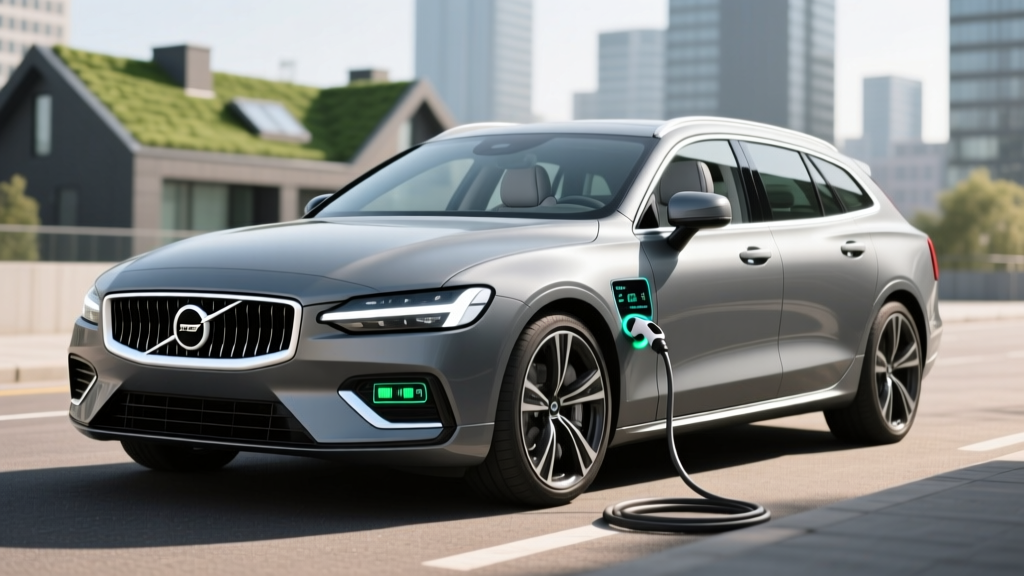
The 2025 Volvo V60 Polestar Engineered is an unusual machine in today's market: a plug-in hybrid performance wagon. While rivals have pivoted to full-electric SUVs or abandoned the wagon body style entirely, Volvo's Polestar-tuned V60 Recharge soldiers on with a 455-horsepower turbocharged, supercharged, and electrified powertrain, all-wheel drive, and Öhlins dampers. It's aimed at enthusiasts who want a driver's wagon but aren't ready — or able — to commit to a battery-electric vehicle.
But at a starting price near $73,000, does the math work? Below is the full spec-by-spec breakdown covering real-world electric range, charging behavior, total ownership cost, and how this PHEV wagon stacks up against the few alternatives that remain.
Quick Verdict: Who the V60 Polestar Engineered Is For
Buy it if: You want a luxury sport wagon with genuine performance credentials, a usable electric-only commute range, and Scandinavian interior quality — and you can charge at home.
Pass if: You need more than 35 miles of electric range, want a full EV to eliminate gas entirely, or are shopping on a strict budget.
Powertrain, Performance, and Efficiency Specs
| Specification | Value |
|---|---|
| Powertrain | 2.0L turbo + supercharged I-4 + rear electric motor (PHEV AWD) |
| Total System Output | 455 hp / 523 lb-ft torque |
| 0–60 mph | 4.3 seconds (manufacturer) |
| Drivetrain | AWD (eAWD — ICE front, electric rear) |
| Battery Capacity | 18.8 kWh usable (NMC lithium-ion) |
| EPA Electric-Only Range | 35 miles |
| EPA Combined MPGe | 74 MPGe (electric + gas) |
| EPA Combined MPG (gas only) | 31 MPG |
| Transmission | 8-speed automatic |
| Base MSRP | $73,350 (incl. $1,195 destination) |
| Federal Tax Credit (§30D) | Up to $7,500 (eligibility varies) |
| Battery Warranty | 8 years / 100,000 miles |
| Powertrain Warranty | 4 years / 50,000 miles |
The V60 Polestar Engineered uses Volvo's T8 eAWD plug-in hybrid architecture: a turbocharged and supercharged 2.0-liter four-cylinder drives the front wheels through an eight-speed automatic, while a 143-hp electric motor powers the rear axle. Combined, the system produces 455 hp and a substantial 523 lb-ft of torque. The result is a 0–60 mph sprint in roughly 4.3 seconds — brisk enough to surprise sports sedans at stoplights.
The Polestar Engineered trim adds Öhlins dual-flow dampers (manually adjustable), gold Brembo front brake calipers, 20-inch forged alloy wheels, and Polestar-specific chassis tuning. It's the most driver-focused variant in the V60 lineup.
Real-World Electric Range and Efficiency
EPA Electric-Only Range: 35 miles
Real-World Expectation: Expect 28–32 miles on the highway at 70 mph, and 33–38 miles in mixed city driving where regenerative braking recaptures energy. In cold weather (below 32°F), plan for 22–27 miles of electric range due to cabin heating demands and reduced battery efficiency.
The 18.8 kWh battery (NMC chemistry) provides enough electric-only range for many commuters to cover a round-trip daily drive without burning fuel. According to fueleconomy.gov, the V60 Recharge achieves 74 MPGe when running in combined electric-gas mode and 31 MPG once the battery is depleted — a solid figure for a 4,600-pound AWD performance wagon.
One important note: the V60's electric top speed is limited to approximately 80 mph. For highway commuting, the gasoline engine will engage under hard acceleration or above that threshold even if the battery still holds charge. This is typical of PHEVs but worth understanding if your commute is predominantly high-speed interstate driving.
Charging Speed: Home Level 2 and DC Fast Charging
| Charging Level | Power | Time (0–100%) | Practical Notes |
|---|---|---|---|
| Level 1 (120V household) | ~1.4 kW | ~14 hours | Emergency/trickle only |
| Level 2 (240V, 16A) | 3.7 kW | ~5 hours | Standard home charging |
| Level 2 (240V, 32A capable) | Up to 7.4 kW (vehicle limited to ~3.7 kW onboard) | ~5 hours | Onboard charger is the bottleneck |
| DC Fast Charging | Not supported | N/A | CCS port is AC-only on this PHEV |
The V60 Recharge's onboard charger maxes out at approximately 3.7 kW, which means a full charge from empty takes about five hours on a Level 2 home charger. Even if you install a 48-amp (11.5 kW) home charger, the car will only draw what its onboard charger allows — roughly 3.7 kW.
There is no DC fast-charging capability. This is a significant limitation for road-trippers who might want to top up the battery at a highway charger. On long trips, you'll be running primarily on gasoline, which is perfectly fine given the 31 MPG combined rating, but it means there's no way to quickly replenish the electric range away from home.
Practical tip: A standard 240V / 20-amp circuit (delivering ~3.7 kW) is sufficient for this vehicle. You don't need to invest in a high-amperage charger or a panel upgrade specifically for the V60 — a basic Level 2 unit like the ChargePoint Home Flex set to 16 amps will fully replenish the battery overnight.
Pricing, Trims, and Federal Tax Credit Eligibility
The 2025 Volvo V60 Polestar Engineered is offered as a single, well-equipped trim:
| Item | Cost |
|---|---|
| Base MSRP (incl. destination) | $73,350 |
| Typical options (Premium Package, metallic paint, Bowers & Wilkins audio) | $3,000–$5,500 |
| As-tested range | $74,500–$79,000 |
| Federal Tax Credit (§30D) | Up to $7,500 |
| Effective price after max credit | ~$65,850–$71,500 |
Does the V60 Polestar Engineered Qualify for the Federal EV Tax Credit?
The 2025 V60 Recharge is eligible for the IRS §30D New Clean Vehicle Credit, but qualification depends on several factors that change regularly. Here is the current checklist:
- MSRP cap: Vans, SUVs, and trucks have an $80,000 cap; sedans and wagons are capped at $55,000. The V60 is classified as a wagon, and its MSRP exceeds $55,000 — this may disqualify it. However, Volvo has at times classified the V60 Cross Country and V60 Recharge under the SUV MSRP cap on the IRS qualifying list. Check the fueleconomy.gov tax credit lookup for the current determination.
- Buyer income limits: Modified AGI must not exceed $150,000 (single), $225,000 (head of household), or $300,000 (joint filers).
- Battery sourcing: Critical minerals and battery components must meet phased-in percentages from U.S. free-trade-agreement partners. Volvo has been working to satisfy these requirements for U.S.-market vehicles, but sourcing rules tighten annually.
- Point-of-sale transfer: As of 2024, buyers can transfer the credit to the dealer at purchase, reducing the purchase price directly — even if you have no tax liability (the dealer receives the credit as a payment).
Bottom line: Verify the V60 Recharge's current eligibility on fueleconomy.gov before purchase and consult a tax professional. The classification (wagon vs. SUV for MSRP-cap purposes) is the key variable here, and it has shifted.
Interior, Cargo, and Daily Livability
The V60's interior reflects Volvo's Scandinavian design ethos: clean lines, high-quality materials, and an emphasis on comfort over flash. The Polestar Engineered trim adds charcoal Nappa leather with contrast stitching, a crystal gear selector from Orrefors, and metal mesh inlays.
| Measurement | Value |
|---|---|
| Front legroom | 42.3 inches |
| Rear legroom | 35.2 inches |
| Cargo (behind rear seats) | 26.4 cu ft |
| Cargo (rear seats folded) | 50.9 cu ft |
| Seating capacity | 5 passengers |
The 26.4 cubic feet of cargo space behind the rear seats is competitive with compact luxury SUVs like the Audi Q5 (25.8 cu ft). Fold the rear seats and you get nearly 51 cubic feet — enough for a full set of luggage for a family road trip or a large piece of furniture.
The battery pack is positioned in the center tunnel between the front seats, which avoids compromising cargo space but does create a noticeable hump in the rear footwell that slightly impacts middle-passenger comfort.
Technology and Driver-Assistance Features
The V60 Recharge runs Volvo's Google-based infotainment system with a 9-inch touchscreen, Google Maps navigation, Google Assistant voice control, and access to the Google Play app store. Apple CarPlay is supported wirelessly. The system is responsive, though the screen is smaller than competitors' offerings.
Standard driver-assistance technology includes Volvo's Pilot Assist (a Level 2 system combining adaptive cruise control and lane-centering steering), run-off-road protection, oncoming traffic mitigation, and rear collision warning. Pilot Assist is competent for highway use but requires continuous driver engagement — it is not a hands-free system like GM's Super Cruise or Ford's BlueCruise.
The 360-degree camera and Park Assist Pilot are included, and the head-up display projects speed and navigation information onto the windshield.
SAE Level 2 — Not Self-Driving: Volvo Pilot Assist is a Level 2 driver-assistance system. The driver must keep hands on the wheel and eyes on the road at all times. It does not automate lane changes, stop-light recognition, or navigate autonomously.
Pros and Cons
Pros
- 455 hp and 4.3-second 0–60 in a practical wagon body
- 35 miles of electric range covers most commutes
- Öhlins dampers and Brembo brakes — genuine performance hardware
- 31 MPG combined on gas is efficient for the performance
- AWD with rear electric motor provides excellent traction
- Beautiful, understated Scandinavian interior
- Strong cargo versatility (51 cu ft with seats folded)
Cons
- $73,350 starting price is steep for a compact wagon
- No DC fast charging — road-trip battery replenishment isn't possible
- 3.7 kW onboard charger means 5-hour Level 2 fills
- Federal tax credit eligibility is uncertain (MSRP cap issue)
- Small 9-inch infotainment screen by current standards
- Pilot Assist is competent but less advanced than Super Cruise or BlueCruise
- Rear center tunnel hump impacts middle-seat comfort
How It Compares: V60 Polestar vs. the Alternatives
The V60 Polestar Engineered occupies a narrow niche. Here's how it stacks up against the closest alternatives:
| Vehicle | Type | Power | Electric Range | Starting Price |
|---|---|---|---|---|
| 2025 Volvo V60 Polestar Engineered | PHEV Wagon | 455 hp | 35 mi | $73,350 |
| 2025 Audi A4 Allroad | Gas Wagon | 265 hp | 0 mi | $47,800 |
| 2025 BMW 330e xDrive | PHEV Sedan | 288 hp | 23 mi | $46,895 |
| 2025 Porsche Panamera 4 E-Hybrid | PHEV Sedan | 463 hp | ~30 mi | $107,000 |
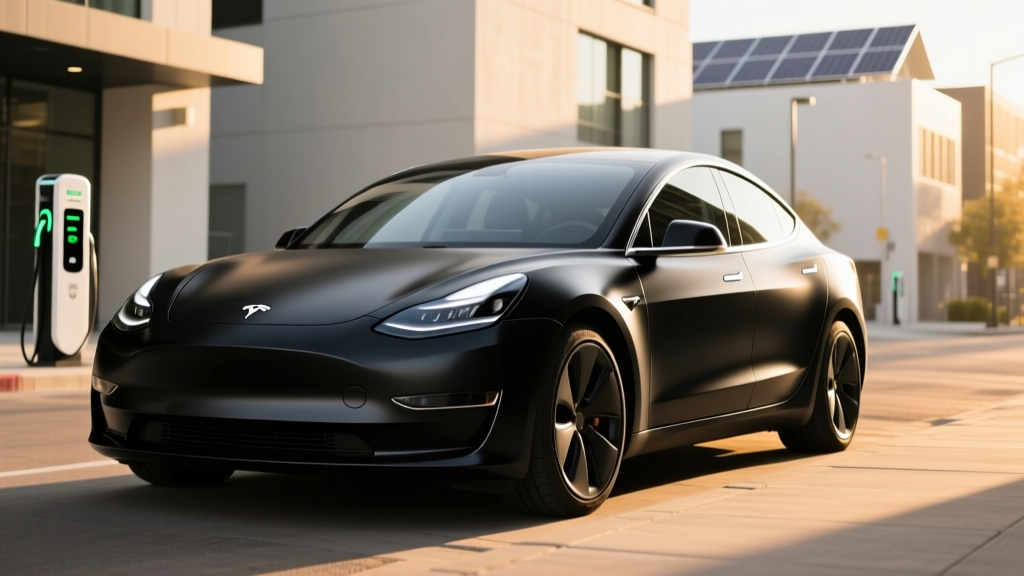
| 2025 Tesla Model 3 Performance | BEV Sedan | 510 hp | 315 mi | $54,990 |
The V60 is the only performance plug-in hybrid wagon in its price range. If you want a wagon and need electrification, it's essentially alone. The BMW 330e offers a more affordable PHEV but is a sedan with less cargo space and far less power. The Tesla Model 3 Performance is faster and far cheaper to fuel but lacks wagon utility and requires full EV commitment.
Decision Framework
Choose the V60 Polestar Engineered if: You need a wagon with cargo versatility, want to commute on electricity, enjoy spirited driving on weekends, and can charge at home overnight.
Choose a full EV (like the Model 3 or Model Y) if: You want to eliminate gasoline entirely, have access to home or workplace charging, and don't need wagon-specific cargo space.
Choose the BMW 330e if: Budget is a priority, you prefer a sedan, and 23 miles of electric range is enough for your commute.
Ownership Costs and Long-Term Outlook
Volvo's warranty covers the high-voltage battery for 8 years or 100,000 miles (whichever comes first), with a capacity-retention threshold typically set at 70%. The conventional powertrain warranty is 4 years / 50,000 miles, which is shorter than competitors like Hyundai's 10-year coverage but typical for European luxury brands.
Maintenance costs are moderate. Volvo recommends service every 10,000 miles, and PHEV ownership means you'll still need oil changes, spark plug replacements, and brake fluid service — expenses that full EV owners avoid. However, regenerative braking reduces brake-pad wear significantly.
Insurance premiums for the V60 Polestar Engineered tend to run higher than the segment average due to the vehicle's performance output and repair costs for specialized components. Expect quotes 15–25% above a standard V60 Recharge.
Frequently Asked Questions
What is the real-world range of the 2025 Volvo V60 Polestar Engineered on electricity alone?
The EPA rates it at 35 miles. In real-world driving, expect 28–32 miles on the highway and 33–38 miles in city traffic. Cold weather (below freezing) can reduce this to 22–27 miles due to battery efficiency loss and cabin heating demands.
How fast does it charge at home?
The onboard charger is limited to approximately 3.7 kW, so a full charge from empty takes about 5 hours on a 240V Level 2 charger. A standard 120V outlet will take roughly 14 hours. There is no DC fast-charging capability.
How much does the V60 Polestar Engineered cost after tax credits?
The base MSRP is $73,350. If you qualify for the full $7,500 federal §30D credit, the effective price drops to approximately $65,850. However, eligibility depends on IRS classification (wagon vs. SUV MSRP cap), buyer income limits, and battery-sourcing requirements. Verify on fueleconomy.gov before purchasing.
Is the V60 Polestar Engineered worth buying over a full EV?
It depends on your needs. If you take regular road trips to areas with sparse charging infrastructure, the PHEV's gas engine eliminates range anxiety while still providing electric commuting. If you primarily drive locally and have reliable home charging, a full EV like the Tesla Model Y or Hyundai Ioniq 5 will be cheaper to operate long-term.
Does the V60 Recharge qualify for the federal EV tax credit?
It may, but eligibility is not guaranteed. The §30D credit has an MSRP cap of $55,000 for wagons and $80,000 for SUVs. The IRS has at times classified the V60 Recharge under the SUV cap, which would make it eligible. Check the current IRS qualifying vehicle list and consult a tax professional to confirm.
What are the biggest drawbacks?
The lack of DC fast charging is the most notable limitation. The 3.7 kW onboard charger also means slower home charging than many PHEVs. The $73,350 starting price is steep, and the 9-inch infotainment screen feels undersized for 2025. Rear middle-seat comfort is compromised by the battery tunnel.