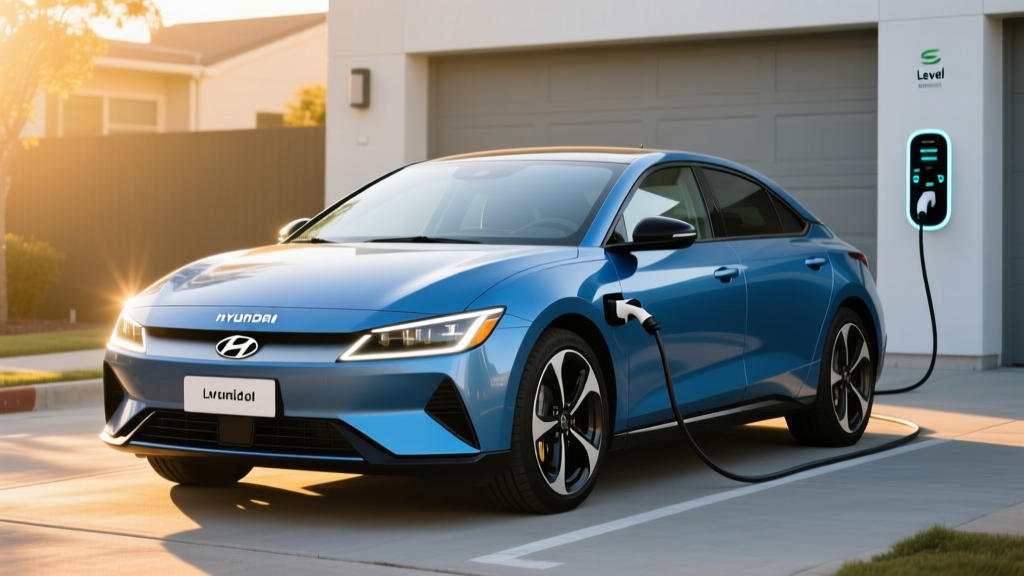
The 2025 Hyundai Ioniq 6 SEL sits at the sweet spot of Hyundai's electric sedan lineup: it bundles the long-range 77.4 kWh battery, rear-wheel drive, and a strong feature set without the premium price of the Limited trim. For buyers cross-shopping the Tesla Model 3, BMW i4, or Polestar 2, the Ioniq 6 SEL makes a compelling case built on efficiency, rapid DC charging, and Hyundai's industry-leading warranty. Here's the data-driven breakdown every buyer needs before signing the paperwork.
2025 Hyundai Ioniq 6 SEL: Key Specifications at a Glance
| Attribute | Value |
|---|---|
| EPA Range (RWD Long Range) | 361 miles |
| Real-World Range (highway 75 mph) | ~290–310 miles |
| Battery Usable Capacity | 77.4 kWh (NMC) |
| Peak DC Fast Charge Rate | 270 kW (800V architecture) |
| 10–80% DC Fast Charge Time | ~18 minutes (optimal conditions) |
| Level 2 AC Charge Rate | 10.9 kW onboard charger |
| EPA Efficiency | 140 MPGe combined / 24 kWh/100 mi |
| Drivetrain | Rear-Wheel Drive (AWD optional) |
| Horsepower / Torque (RWD) | 225 hp / 258 lb-ft |
| 0–60 mph (RWD) | ~6.1 seconds |
| Base MSRP (SEL, before destination) | ~$46,700 |
| Battery / Powertrain Warranty | 10 years / 100,000 miles |
Range and Efficiency: EPA Sticker vs. the Real World
The Ioniq 6 SEL with the standard long-range 77.4 kWh NMC battery and RWD carries an EPA-estimated 361 miles of range, making it one of the most efficient mainstream EVs on the market. Its teardrop 0.21 Cd drag coefficient is the secret: this sedan cuts through air with less resistance than nearly any other production car, which directly translates to fewer kWh burned per mile.
Efficiency lands at an impressive 140 MPGe combined, or about 24 kWh per 100 miles. For context, that's roughly 15–20% more efficient than the Tesla Model 3 Long Range on the EPA cycle, and it's a key reason the Ioniq 6 achieves its range with a smaller battery pack than many competitors.
Charging Speed: 800V Architecture Pays Off
The Ioniq 6's standout technical feature is its 800V electrical architecture — shared with the Kia EV6 and Genesis GV60 — which enables DC fast-charge rates up to 270 kW when connected to a capable 350 kW charger. Most 400V competitors (including the Tesla Model 3 and Polestar 2) peak between 170 and 250 kW, and many taper off sharply after 50% SoC.
| Charging Level | Power (kW) | Speed / Notes |
|---|---|---|
| Level 1 (120V household) | ~1.4 kW | ~4–5 miles of range per hour |
| Level 2 (240V home, 48A) | 10.9 kW | ~35–40 miles per hour; full charge in ~8 hrs |
| DC Fast Charge (350 kW station) | Peak 270 kW | 10–80% in ~18 min; 80–100% tapers significantly |
| DC Fast Charge (150 kW station) | ~150 kW sustained | 10–80% in ~28 min |
A critical nuance: the 270 kW peak is achieved only when the battery is preconditioned (via the route planner set to a DC charger) and ambient temperatures are favorable. On a 350 kW Electrify America or Ionity station, the Ioniq 6 sustains above 200 kW through roughly 55% SoC before tapering. At a more common 150 kW station, you'll see a steady ~140–150 kW pull through 70% SoC — still excellent for real-world road trips.
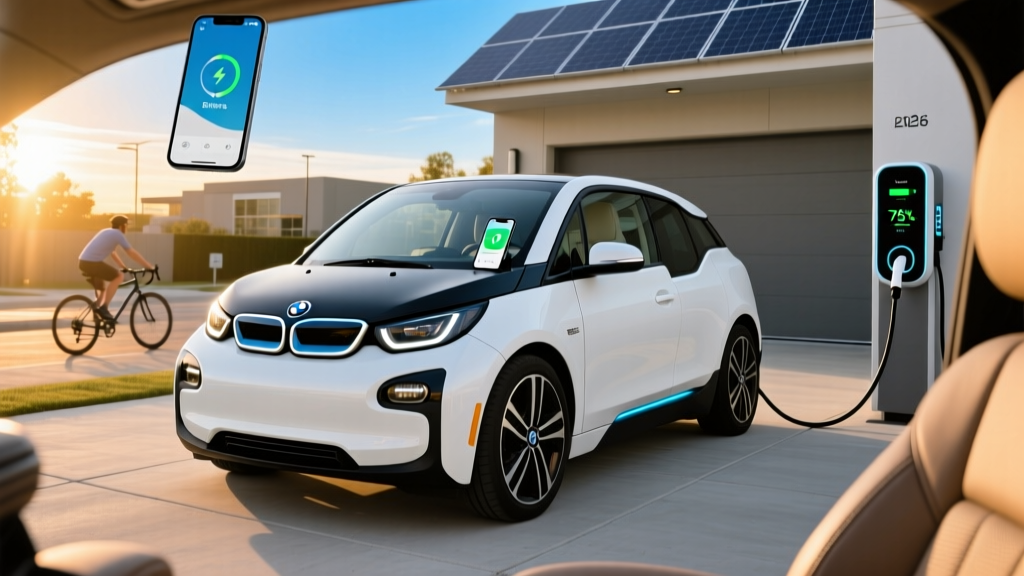
For home charging, the 10.9 kW onboard charger is competitive. A full 0–100% charge on a Level 2 wallbox takes roughly 7.5–8 hours. We recommend a 48-amp hardwired Level 2 charger on a 60-amp circuit for optimal daily use; expect $500–$1,200 for professional installation depending on your electrical panel's capacity and proximity to the garage.
Performance, Drivetrain, and Ride Quality
The SEL trim comes standard with a single rear-mounted motor producing 225 horsepower and 258 lb-ft of torque. That's good for a 0–60 mph time of approximately 6.1 seconds — not sports-sedan territory, but plenty quick for highway merging and daily driving. The instant electric torque delivery makes it feel faster than the numbers suggest around town.
AWD is available (adding a front motor for 320 hp total and a 0–60 time near 4.7 seconds), but it reduces EPA range to approximately 316 miles. For most buyers in mild climates, RWD offers the better efficiency-to-performance balance. If you regularly drive in snow or mountain passes, the AWD upgrade is worth the ~$3,500 premium and range trade-off.
Ride quality is composed and slightly firm — Hyundai tuned the Ioniq 6 for European-style composure rather than floaty comfort. Road noise is well-managed thanks to the aerodynamic body and acoustic laminated glass on the front windows. The low center of gravity from the floor-mounted battery keeps body roll minimal through corners.
Interior, Cargo, and Technology
The Ioniq 6's cabin leans minimalist, with dual 12.3-inch displays (instrument cluster and infotainment) housed in a single curved panel. The SEL includes wireless Apple CarPlay and Android Auto, a 64-color ambient lighting system, heated front seats, a heated steering wheel, and Hyundai's Digital Key (NFC-based phone-as-key).
Passenger space: Front legroom is generous at 41.7 inches. Rear legroom measures 36.0 inches — adequate for adults on shorter trips, but the sloping roofline cuts into headroom for passengers over 6 feet tall. This is a noticeable compromise versus the boxier Ioniq 5 crossover.
Cargo: The trunk offers 11.2 cubic feet of space — tight for a sedan of this size, and a clear weakness versus the Model 3's 23 cu ft (which benefits from a hatchback design). The front trunk (frunk) adds only 0.5 cu ft on RWD models (AWD eliminates the frunk entirely). If you regularly haul gear, this is a dealbreaker worth considering.
Driver assistance: Hyundai SmartSense is standard, including forward collision-avoidance assist, blind-spot monitoring, rear cross-traffic alert, lane-keeping assist, and adaptive cruise control with stop-and-go. The Highway Driving Assist II system provides SAE Level 2 semi-autonomous driving on divided highways, including lane-centering and automatic lane changes when the turn signal is activated. It's competent but requires continuous driver supervision — this is not a hands-off system.
Pricing, Trims, and Federal Tax Credit Eligibility
The 2025 Ioniq 6 lineup includes SE (base), SEL (mid-tier, most popular), and Limited (fully loaded). The SEL is the volume trim for good reason: it adds significant comfort and tech over the SE without the Limited's $50,000+ price tag.
| Trim | Base MSRP | Est. Price After §30D Credit* |
|---|---|---|
| SE Standard Range (RWD) | ~$38,650 | ~$31,150 |
| SE (Long Range, RWD) | ~$43,600 | ~$36,100 |
| SEL (Long Range, RWD) | ~$46,700 | ~$39,200 |
| Limited (Long Range, RWD) | ~$52,600 | ~$45,100 |
*Destination charges (~$1,195) not included. Tax credit estimates assume full eligibility.
- MSRP cap: Sedans must be ≤$55,000 (SUVs/trucks ≤$80,000). The Ioniq 6 SEL qualifies; the Limited may not depending on options.
- Buyer income cap: AGI ≤$150,000 (single), ≤$225,000 (head of household), ≤$300,000 (joint).
- Battery sourcing: Critical minerals and battery components must meet escalating domestic-content thresholds. Hyundai has shifted significant battery production to the U.S. (Metaplant Georgia), improving eligibility — but verify your specific VIN on the fueleconomy.gov tax credit lookup before purchasing.
- Point-of-sale transfer: You can elect to transfer the credit to the dealer at purchase, reducing your out-of-pocket cost immediately rather than waiting for tax filing.
Always confirm eligibility with a tax professional and the IRS clean vehicle credit page, as rules and eligible VIN lists are updated periodically.
Pros, Cons, and Who Should Buy the Ioniq 6 SEL
Pros
- Class-leading 361-mile EPA range (RWD)
- 800V fast-charging architecture: 10–80% in ~18 min
- Outstanding 140 MPGe efficiency
- 10-year / 100,000-mile battery warranty
- Competitive pricing after tax credit
- Standard heat pump and comprehensive ADAS suite
- Sleek, aerodynamic design turns heads
Cons
- Small trunk (11.2 cu ft) — no hatchback option
- Rear headroom limited by sloping roofline
- Infotainment UI can feel cluttered vs. Tesla's simplicity
- No front trunk on AWD models
- Some dealers still mark up above MSRP in high-demand markets
- Tax credit eligibility depends on VIN-specific battery sourcing — verify before buying
Best for: Efficiency-focused commuters, road-trippers who value fast DC charging, and buyers who want a premium-feeling sedan without luxury-brand pricing. The 361-mile range and 18-minute fast-charge capability make it a genuine single-car solution for households that occasionally drive 300+ miles in a day.
Look elsewhere if: You need serious cargo space (get an Ioniq 5 or Model Y), you regularly carry tall rear passengers, or you want hands-free highway driving (the Chevy Blazer EV with Super Cruise or Ford Mustang Mach-E with BlueCruise offer hands-off Level 2 on mapped highways).
How It Stacks Up Against Key Competitors
The Ioniq 6 SEL competes directly with the Tesla Model 3 Long Range (341 mi EPA, ~$47,740), the BMW i4 eDrive40 (301 mi, ~$57,000), and the Polestar 2 Long Range Single Motor (320 mi, ~$49,900). The Ioniq 6 wins on EPA range and fast-charge speed; the Model 3 wins on cargo versatility (hatchback) and Supercharger network access; the BMW wins on driving dynamics and brand cachet. On pure value-per-mile-of-range, the Ioniq 6 SEL is the segment leader.
Frequently Asked Questions
What is the real-world range of the 2025 Hyundai Ioniq 6 SEL?
Expect approximately 290–310 miles on the highway in mild weather, and 240–270 miles in freezing conditions. City driving with regen braking can approach or slightly exceed the 361-mile EPA estimate. The heat pump helps preserve range in cold weather compared to EVs without thermal management.
How fast does the Ioniq 6 SEL charge at home and on the road?
At home on a 240V Level 2 charger, the 10.9 kW onboard charger adds roughly 35–40 miles per hour, completing a full charge in about 8 hours. On a 350 kW DC fast charger, it peaks at 270 kW and charges from 10–80% in approximately 18 minutes under optimal conditions. At a more common 150 kW station, expect 10–80% in roughly 28 minutes.
Does the 2025 Ioniq 6 SEL qualify for the $7,500 federal EV tax credit?
It can, but eligibility depends on three factors: the vehicle's MSRP must be ≤$55,000 (the SEL qualifies), your adjusted gross income must fall within IRS limits, and the specific VIN must meet battery-sourcing requirements. Hyundai's U.S. battery production has improved eligibility, but you should verify your exact VIN on fueleconomy.gov and consult a tax professional before relying on the credit.
Is the Ioniq 6 SEL worth buying over the Tesla Model 3?
If you prioritize EPA range, fast DC charging, and a traditional sedan aesthetic, the Ioniq 6 SEL has a strong edge. If you value cargo space (the Model 3's hatchback trunk is much larger), the Supercharger network, or over-the-air software updates, the Model 3 may suit you better. Test-drive both — the interior philosophies are very different.
What is the battery warranty on the Ioniq 6?
Hyundai covers the high-voltage battery and electric powertrain for 10 years or 100,000 miles, whichever comes first. The warranty guarantees the battery will retain a minimum capacity threshold (typically 70% state of health). This is among the best in the industry and a significant long-term ownership advantage.
Does the Ioniq 6 SEL support vehicle-to-load (V2L)?
Yes. With the optional V2L adapter (plugs into the charge port), the Ioniq 6 can supply up to 3.6 kW of AC power to external devices — enough to run camping equipment, power tools, or serve as a backup power source during an outage.