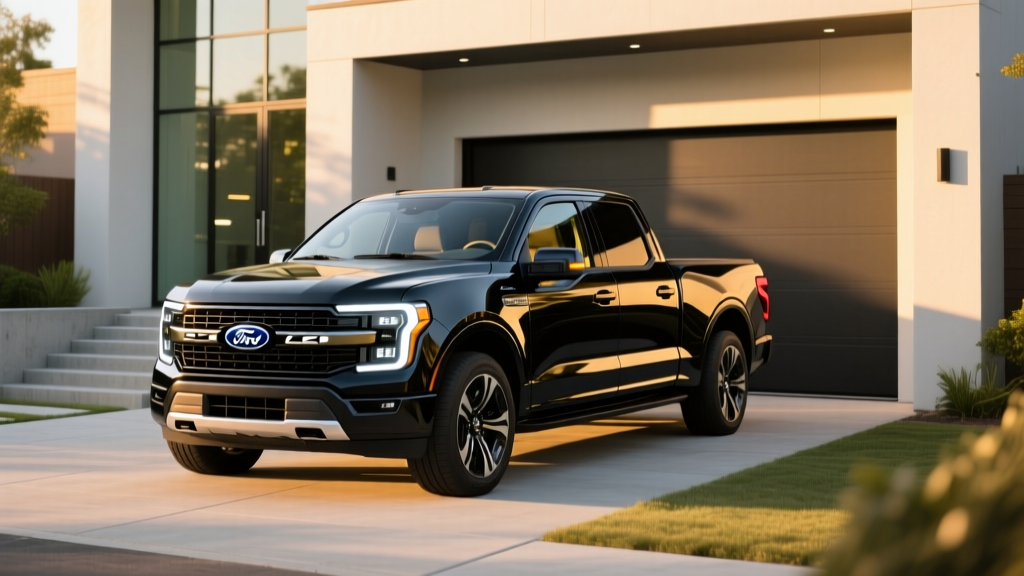
The Ford F-150 Lightning remains one of the most practical electric trucks on the market, blending full-size utility with a usable battery and proven towing capability. For buyers weighing a purchase against monthly budget constraints, 2025 Ford F-150 Lightning lease deals have become an increasingly attractive path to get behind the wheel of an electric pickup without the long-term depreciation risk that full-size EVs can carry. This review covers every number you need — range, charging, pricing, tax credits, and real-world ownership factors — to decide whether leasing or buying the Lightning makes sense for your situation.
Quick Verdict: Who Should Lease the F-150 Lightning?
The 2025 F-150 Lightning is best suited for truck owners who need genuine payload and towing capability but primarily drive within a 200-mile daily radius. It works exceptionally well as a commuter truck, a job-site vehicle with overnight home charging, or a family hauler that occasionally tows a boat or camper on weekends. If your routine includes frequent 400-mile highway road trips through sparse charging infrastructure, or if you regularly tow above 7,500 pounds in cold weather, the Lightning's range limitations become more pronounced and a PHEV or diesel alternative may serve you better.
Leasing the Lightning makes particular sense right now because full-size electric trucks face steeper depreciation curves than their gas counterparts, and a lease shields you from that residual-value risk while still capturing the federal tax credit through the point-of-sale lease credit mechanism.
Range, Battery & Real-World Efficiency
Ford offers the 2025 Lightning with two battery options depending on trim: a Standard Range pack and an Extended Range pack. Here are the hard numbers:
| Spec | Standard Range | Extended Range |
|---|---|---|
| Usable Battery Capacity | ~98 kWh (NMC) | ~131 kWh (NMC) |
| EPA Estimated Range | 240 miles | 320 miles |
| MPGe (Combined) | 78 MPGe | 77 MPGe |
| Energy Consumption | ~43 kWh/100 mi | ~44 kWh/100 mi |
| Drivetrain | Dual-Motor AWD | Dual-Motor AWD |
Both packs use NMC (nickel manganese cobalt) lithium-ion chemistry, which prioritizes energy density over the ultra-long cycle life of LFP cells. This is the right trade-off for a full-size truck where packing maximum kWh into the available space matters more than squeezing out an extra 500 charge cycles. Ford's battery management system includes active liquid cooling and heating to manage thermal conditions during charging and towing.
For official EPA figures, refer to fueleconomy.gov.
Charging Speed: DC Fast Charging & Home Level 2
Charging speed is where Lightning buyers need to set realistic expectations. This is a large, heavy truck with a big battery — it does not charge like a compact EV sedan.
| Charging Level | Standard Range | Extended Range |
|---|---|---|
| DC Fast Charge (Peak) | 150 kW | 150 kW |
| 10–80% DC Fast Charge Time | ~41 minutes | ~41 minutes |
| Level 2 Home Charging (Max) | 19.2 kW (80A) | 19.2 kW (80A) |
| Level 2 Miles Per Hour (Est.) | ~30 mi/hr | ~30 mi/hr |
| Level 2 Full Charge Time (0-100%) | ~6 hours | ~8.5 hours |
| Connector (2025 Model Year) | NACS (native) | NACS (native) |
Ford transitioned the Lightning to the NACS (North American Charging Standard) connector for the 2025 model year, giving owners native access to Tesla Supercharger stations (15,000+ V2 and V3 stalls across the U.S.) without an adapter. This is a significant practical advantage over CCS-equipped trucks that still require adapters for Supercharger access.
Understanding the charge curve: The Lightning peaks at 150 kW only between roughly 15–40% state of charge. Above 60% SoC, the rate tapers noticeably, and above 80% it drops to under 40 kW. This is normal for NMC chemistry at this battery size but means your last 20% on a road trip takes nearly as long as the first 60%. Plan your DC fast-charging stops to leave at 80% rather than waiting for a full charge.
For home charging, the Lightning's onboard charger supports up to 19.2 kW (80 amps), one of the highest Level 2 acceptance rates in the EV market. However, this requires a hardwired 100-amp dedicated circuit — a significant electrical upgrade for many homes. Most buyers will install a 48-amp or 60-amp Level 2 charger (11.5–14.4 kW), which still fully replenishes the Extended Range pack overnight in roughly 10–12 hours. Consult a licensed electrician to assess your panel capacity before committing to an 80-amp installation.
Performance, Towing & Payload
| Spec | Standard Range | Extended Range |
|---|---|---|
| Horsepower | 452 hp | 580 hp |
| Torque | 775 lb-ft | 775 lb-ft |
| 0–60 mph | ~4.5 seconds | ~3.8 seconds |
| Max Towing Capacity | 7,700 lbs | 10,000 lbs (w/ Max Tow Pkg) |
| Max Payload | ~2,235 lbs | ~1,800 lbs |
The dual-motor AWD powertrain delivers instant torque that makes the Lightning feel shockingly quick for a 6,500-pound truck. The Extended Range model's 3.8-second 0-60 time puts it in sports-car territory, though you'll feel the weight through corners and during emergency braking.
Towing reality check: While Ford rates the Lightning at up to 10,000 pounds, towing at or near max capacity cuts range dramatically — expect a 40–55% reduction at highway speeds with a heavy trailer. A 320-mile Extended Range truck towing 8,000 pounds at 65 mph may deliver only 150–180 miles before needing a charge. This makes long-distance towing a multi-stop affair that requires careful route planning around DC fast chargers rated for trucks (many Electrify America and Tesla Supercharger stalls lack pull-through lanes).
The Lightning's Pro Power Onboard system remains one of its most compelling features, offering up to 9.6 kW of exportable power through bed-mounted and cabin outlets. This turns the truck into a mobile generator for job sites, camping, or emergency home backup (with the optional Ford Charge Station Pro and home integration system).
Interior, Cargo & Technology
The Lightning uses the same SuperCrew cab and 5.5-foot bed as the gas F-150, so interior space is generous:
- Front legroom: 43.9 inches
- Rear legroom: 43.6 inches
- Bed volume: 52.8 cu ft (5.5-ft bed)
- Mega Power Frunk: 14.1 cu ft (400-lb payload capacity)
- Max interior cargo volume (behind front seats): ~72 cu ft
The frunk is a genuine differentiator. It's lockable, weather-sealed, drainable, and large enough for tools, groceries, or a weekend's worth of gear — effectively giving the Lightning a second, secure cargo area that gas trucks cannot match.
Infotainment: The available 15.5-inch portrait touchscreen (Lariat and above) runs Ford's SYNC 4A system with wireless Apple CarPlay and Android Auto. It's responsive, logically organized, and integrates with the FordPass app for remote preconditioning, charging scheduling, and vehicle location. Lower trims receive a 12-inch landscape display that is also competent but less visually impressive.
Driver assistance: Ford Co-Pilot360 2.0 is standard, including automatic emergency braking, blind-spot monitoring with trailer coverage, lane-keeping assist, and adaptive cruise control. The available BlueCruise system enables hands-free driving on over 130,000 miles of pre-mapped divided highways. Importantly, BlueCruise is an SAE Level 2 system — it requires driver attention monitoring via an infrared camera and is not autonomous driving. You must remain alert and ready to take over at all times.
Pricing, Lease Deals & Tax Credit Eligibility
The 2025 F-150 Lightning lineup spans four primary trims, and pricing has shifted as Ford adjusted to competitive pressure and changing federal incentive rules:
| Trim | Battery | Base MSRP | Est. Lease (36 mo / 10.5k mi/yr)* |
|---|---|---|---|
| Pro (Standard Range) | 98 kWh | $54,995 | $550–$650/mo |
| XLT (Standard Range) | 98 kWh | $59,995 | $620–$750/mo |
| Lariat (Extended Range) | 131 kWh | $74,995 | $780–$920/mo |
| Platinum (Extended Range) | 131 kWh | $95,995 | $950–$1,150/mo |
*Lease estimates are approximate and vary by region, dealer, credit tier, and available incentives. Always get a formal quote.
Federal EV Tax Credit & Lease Credit Rules
Under IRS §30D, the F-150 Lightning may qualify for up to $7,500 in federal tax credits, but eligibility depends on several factors that change frequently:
- MSRP cap: Trucks/vans/SUVs must have an MSRP at or below $80,000 — this eliminates the Platinum trim from purchase credit eligibility
- Buyer income cap: AGI must not exceed $150,000 (single), $225,000 (head of household), or $300,000 (joint) — verified at point of sale or tax filing
- Battery sourcing: Critical minerals and battery components must meet escalating domestic-sourcing thresholds per IRS guidance — Ford has worked to qualify the Lightning, but confirm current-year status before purchase
- Point-of-sale transfer: Qualified buyers can transfer the credit to the dealer at purchase, reducing the out-of-pocket price immediately
Always verify current eligibility on irs.gov before signing any paperwork, as sourcing rules and qualified-vehicle lists are updated periodically.
The lease advantage: Under a different provision of the Inflation Reduction Act (§45W), commercial lessors can claim a credit on EVs that may not qualify for the consumer §30D purchase credit — including vehicles above the MSRP cap or those that don't meet sourcing requirements. Many dealers pass this savings through as a "lease cash" discount, effectively reducing the capitalized cost by up to $7,500. This can make leasing the Platinum trim or an otherwise ineligible configuration more affordable than purchasing. Ask the dealer explicitly whether lease cash is being applied and how it affects the money factor and residual.
Warranty, Ownership Costs & Long-Term Outlook
Ford backs the Lightning with competitive warranty coverage:
- Battery & Electric Components: 8 years / 100,000 miles (capacity retention warranted above 70%)
- Bumper-to-Bumper: 3 years / 36,000 miles
- Powertrain (non-electric): 5 years / 60,000 miles
- Corrosion Perforation: 5 years / unlimited miles
The 70% capacity retention threshold at 8 years is industry-standard for NMC packs. Real-world degradation data from 2022–2024 Lightning owners suggests typical losses of 5–8% over the first 50,000 miles, with most trucks tracking well above the warranty floor. Ford's liquid-cooled thermal management system helps mitigate degradation compared to passively cooled packs.
Insurance: Expect premiums 15–25% higher than a comparable gas F-150, driven by higher repair costs for aluminum body panels and battery-adjacent components. Get quotes before signing.
Maintenance: Significantly lower than gas — no oil changes, no spark plugs, no transmission fluid. Brake pad life is extended by regenerative braking. Budget primarily for tire replacement (the Lightning's weight and instant torque wear tires faster than gas trucks) and cabin air filters.
F-150 Lightning vs. Key Competitors
| Spec | Ford F-150 Lightning | Chevy Silverado EV | Rivian R1T |
|---|---|---|---|
| EPA Range (Max) | 320 mi | 440 mi (4WT) | 420 mi (Max Pack) |
| Starting MSRP | $54,995 | $57,900 | $69,900 |
| Max DC Charge Rate | 150 kW | 350 kW | 220 kW |
| 10–80% DC Time | ~41 min | ~20 min | ~30 min |
| Max Towing | 10,000 lbs | 12,500 lbs | 11,000 lbs |
| Bed Length | 5.5 ft | 5.0 ft (w/ Midgate open: 9+ ft) | 4.5 ft (+ Gear Tunnel) |
| Connector | NACS | NACS | NACS (2025+) |
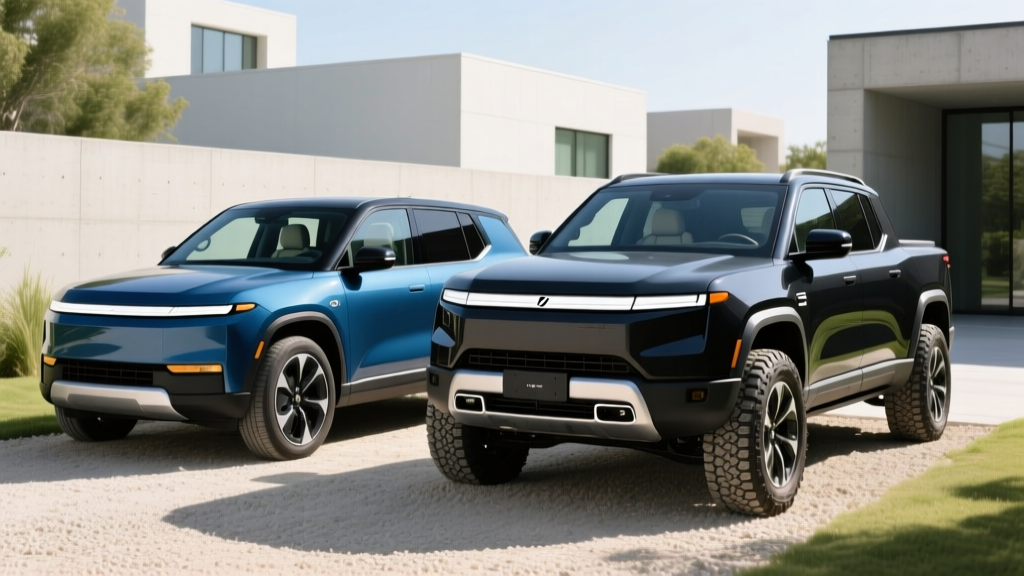
The Silverado EV's Ultium platform offers faster charging and longer range, but its smaller standard bed and polarizing styling are trade-offs. The Rivian R1T delivers superior off-road capability and build quality but at a $15,000+ premium over the Lightning's starting price. For buyers prioritizing value, familiarity (the Lightning looks and functions like a conventional F-150), and Supercharger network access, the Lightning remains the pragmatic choice.
Pros & Cons
Pros
- Native NACS connector with Supercharger access
- Pro Power Onboard (up to 9.6 kW) is a genuine job-site and emergency tool
- Massive 14.1 cu ft frunk with drain plug
- Competitive starting price for a full-size electric truck
- Familiar F-150 ergonomics, parts availability, and dealer network
- Quick acceleration (3.8s 0-60 Extended Range)
- Lease credit can bypass §30D purchase restrictions
Cons
- 150 kW peak DC charging is slow vs. Silverado EV and Rivian
- 5.5-foot bed limits cargo for some commercial uses
- Range drops 40–55% when towing near max capacity
- Highway real-world range falls short of EPA by 10–15%
- Platinum trim exceeds $80K MSRP cap for purchase tax credit
- Insurance premiums 15–25% above gas F-150
- 80-amp home charging requires costly panel upgrade for many homes
Frequently Asked Questions
What is the real-world range of the 2025 F-150 Lightning?
The Extended Range model's EPA estimate is 320 miles, but expect 260–280 miles on the highway in moderate weather and 210–240 miles in cold conditions. The Standard Range model delivers about 190–210 real-world highway miles in fair weather.
How fast does the F-150 Lightning charge?
On a DC fast charger, it peaks at 150 kW and reaches 10–80% in approximately 41 minutes. At home on a Level 2 charger (up to 19.2 kW), it adds roughly 30 miles of range per hour, fully recharging overnight.
Does the 2025 F-150 Lightning qualify for the federal EV tax credit?
It can qualify for up to $7,500 under IRS §30D, but only if the buyer's income is under the cap ($150K single / $300K joint), the trim MSRP is at or below $80,000 (excluding Platinum), and battery sourcing requirements are met. Leasing may unlock savings even when purchasing does not qualify — confirm with your dealer and check irs.gov for current rules.
Is the F-150 Lightning worth leasing over buying?
Leasing makes sense if you want to avoid long-term depreciation risk on a full-size EV, if you'd benefit from the commercial lease credit on a higher-priced trim, or if you prefer to upgrade every 3 years. Buying makes sense if you plan to keep the truck 7+ years, drive under 12,000 miles annually, and qualify for the full §30D purchase credit.
How does towing affect the Lightning's range?
Expect a 40–55% range reduction when towing near max capacity at highway speeds. A 320-mile Extended Range truck may deliver only 150–180 miles with a heavy trailer. Plan charging stops accordingly and look for pull-through DC fast chargers rated for truck-trailer combinations.
What home charging setup do I need for the Lightning?
For maximum Level 2 speed (19.2 kW / 80 amps), you need a dedicated 100-amp circuit and a hardwired Ford Charge Station Pro or equivalent — this may require a panel upgrade costing $1,500–$3,500 depending on your home. A 48-amp or 60-amp Level 2 charger on a 60- or 80-amp circuit will still fully charge the truck overnight and is more practical for most homes.