Quick Verdict: A City EV With Iconic Style and Honest Limitations
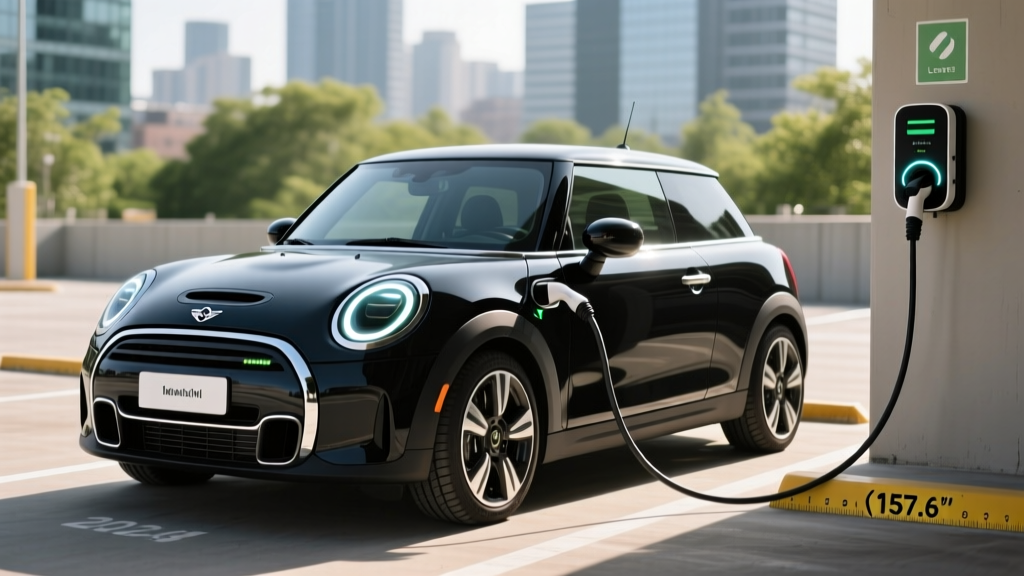
The 2024 Mini Cooper SE (also known as the Mini Electric in some markets) is an exercise in trade-offs. You get the unmistakable Mini design, genuinely fun go-kart handling, and a premium interior — but you accept one of the shortest ranges in the new-EV market. At 151.7 inches in overall length, it's one of the most compact electric vehicles sold in the US, making it a parking-lot dream but a road-trip non-starter.
If your commute is under 40 miles round-trip and you have reliable home charging, the Cooper SE is a charming, practical daily driver. If you need highway range, rear-seat space, or cargo versatility, competitors like the Chevrolet Bolt EV or Nissan LEAF serve you better. Here's every number that matters.
2024 Mini Cooper SE — Key Specifications
| Spec | Value |
|---|---|
| EPA Range | 114 miles |
| Battery (usable) | 28.9 kWh (32.6 kWh gross), NMC lithium-ion |
| Motor / Drivetrain | 181 hp / 199 lb-ft, FWD |
| 0–60 mph | 6.9 seconds |
| Top Speed | 93 mph (electronically limited) |
| MPGe (combined) | 110 MPGe |
| Energy Consumption | 31 kWh/100 mi |
| DC Fast Charge (peak) | 50 kW (CCS) |
| 10–80% DC Charge | ~36 minutes |
| Level 2 Charge Rate | 7.4 kW (onboard charger) |
| Overall Length | 151.7 inches |
| Cargo Volume (rear seats up) | 8.7 cu ft |
| Base MSRP (Signature trim) | $30,900 |
| Battery Warranty | 8 years / 100,000 miles |
Dimensions: Why "2024 Mini Cooper SE Electric Length Inches" Matters for City Drivers
The search for the 2024 Mini Cooper SE electric length in inches usually comes from buyers trying to figure out if this car will fit their garage, parking space, or urban lifestyle. Here are the key exterior dimensions:
| Dimension | Measurement |
|---|---|
| Overall Length | 151.7 inches |
| Wheelbase | 98.2 inches |
| Overall Width (w/o mirrors) | 68.0 inches |
| Overall Height | 56.5 inches |
| Ground Clearance | 5.0 inches |
| Curb Weight | ~3,245 lbs |
At 151.7 inches long, the Cooper SE is roughly 30 inches shorter than a Chevrolet Bolt EV and nearly 40 inches shorter than a Tesla Model 3. That translates to genuinely easy parallel parking and tight-space maneuverability — the original Mini ethos, now electrified. The trade-off is interior space, which we cover below.
Range and Efficiency: 114 Miles EPA, but What Happens in the Real World?
Real-World Expectation: 85–105 miles highway (70+ mph); 100–115 miles mixed city driving; as low as 70–85 miles in cold weather (below 30°F) with cabin heating.
Why the gap? Small battery (28.9 kWh usable), limited regen tuning, and no heat pump on the 2024 model year.
The 2024 Cooper SE carries a 32.6 kWh gross battery pack (28.9 kWh usable) using NMC (nickel-manganese-cobalt) lithium-ion chemistry. Mini deliberately limits the usable buffer to protect long-term cell health, but the result is a modest energy reservoir that runs out quickly at sustained highway speeds.
In EPA testing, the Cooper SE achieves 110 MPGe combined (31 kWh per 100 miles). That's respectable efficiency per mile — the problem is simply that the tank is small. For comparison, the Bolt EV carries a 65 kWh pack and achieves 259 miles of range.
Cold weather hits the Cooper SE especially hard. Without a heat pump, cabin warmth draws heavily from the traction battery. Owners in northern climates consistently report 25–35% range loss in sub-freezing conditions. Preconditioning while plugged in helps, but it doesn't eliminate the deficit. If you live in Minnesota or Maine, plan for an effective winter range closer to 75–85 miles.
Charging Speed: DC Fast, Level 2, and the 50 kW Ceiling
Charging is where the Cooper SE's age shows most clearly. The 2024 model maxes out at 50 kW on DC fast charging via its CCS1 connector. That's roughly one-third the peak rate of a Hyundai Ioniq 5 or Tesla Model 3. Here's the breakdown:
| Charging Level | Power | Speed / Time |
|---|---|---|
| Level 1 (120V household) | ~1.4 kW | ~3.5 miles per hour; full charge in ~22 hours |
| Level 2 (240V home/public) | 7.4 kW | ~20 miles per hour; full charge in ~4.5 hours |
| DC Fast Charge (CCS) | 50 kW peak | 10–80% in ~36 minutes |
The 50 kW DC rate means the Cooper SE is not a road-trip vehicle. On a long trip, you'd need to stop every 60–75 real-world miles and wait over half an hour for a partial charge. The charge curve is relatively flat from 10–60% SoC, then tapers significantly above 80% — standard behavior, but the low peak means even the fast portion isn't fast by 2024 standards.
Home Level 2 charging at 7.4 kW is adequate. Plug in overnight and you'll wake up to a full battery every morning — which is the primary use case for this car anyway. Most owners will rarely need DC fast charging if they have reliable home Level 2 access.
Performance and Driving Dynamics
The Cooper SE uses a single front-mounted electric motor producing 181 horsepower and 199 lb-ft of torque. That's good for a 0–60 mph time of 6.9 seconds — not blistering by EV standards, but genuinely quick for a sub-3,300-lb hatchback.
Where the Cooper SE shines is handling. The battery pack sits low under the floor, giving the car a lower center of gravity than its gas-powered counterpart. The electric Mini retains the brand's trademark go-kart feel: sharp turn-in, minimal body roll, and a steering weight that communicates well. It's one of the most engaging small EVs to drive on a twisty road.
The trade-off is ride quality. The suspension is firm — some would say harsh — over broken pavement. Run-flat tires (standard on many trims) compound the issue. If your commute includes rough roads, a test drive is essential before purchase.
Interior, Cargo, and Technology
Inside, the 2024 Cooper SE features Mini's circular OLED center display (8.8 inches), wireless Apple CarPlay and Android Auto, and a digital instrument cluster. The interior materials punch above their price class — soft-touch surfaces, distinctive toggle switches, and customizable ambient lighting give the cabin a premium feel that a Bolt or LEAF can't match.
Space is the compromise:
| Interior Dimension | Measurement |
|---|---|
| Front Legroom | 41.4 inches |
| Rear Legroom | 33.2 inches |
| Cargo (seats up) | 8.7 cu ft |
| Cargo (seats folded) | 33.9 cu ft |
Rear seats are best suited for children or occasional adult passengers on short trips. Cargo space at 8.7 cubic feet is tight — a week's groceries for a family of four will test the limits. There is no frunk (front trunk); the motor occupies the space where the gas engine once lived.
Driver-assistance features include forward-collision warning with automatic emergency braking, lane-departure warning, and adaptive cruise control (on higher trims). These are SAE Level 1–2 features — the driver must remain fully engaged at all times. The Cooper SE does not offer any hands-free or "self-driving" capability.
Pricing, Trims, and Federal Tax Credit Eligibility
The 2024 Mini Cooper SE is offered in two trims:
| Trim | Base MSRP | Notable Features |
|---|---|---|
| Signature | $30,900 | LED headlights, panoramic roof, heated seats, 8.8" display |
| Iconic | $34,900 | Adds navigation, Harman Kardon audio, head-up display, adaptive cruise |
Destination charge adds approximately $995. A well-equipped Iconic trim with options can reach $38,000–$40,000 out the door.
Does the 2024 Cooper SE Qualify for the Federal EV Tax Credit?
Under IRS §30D rules, the 2024 Mini Cooper SE faces significant hurdles for the full $7,500 federal tax credit:
- MSRP Cap: The Cooper SE is under the $55,000 sedan/hatchback cap — ✓ qualifies.
- Buyer Income Cap: AGI must not exceed $150,000 (single) / $300,000 (joint) — varies by buyer.
- Battery Component Sourcing: The Cooper SE's battery cells are manufactured outside North America. For 2024, vehicles must meet escalating critical-mineral and battery-component sourcing requirements. The Cooper SE's supply chain may not meet current §30D thresholds, potentially reducing the credit to $3,750 or $0.
- Final Assembly: The Cooper SE is assembled in the Netherlands, which disqualifies it from the credit under the North American final-assembly requirement.
Bottom line: The 2024 Mini Cooper SE is very likely ineligible for the §30D federal tax credit due to its European assembly. Always verify current eligibility on fueleconomy.gov and consult a tax professional before relying on any credit amount in your purchase decision.
Some state and local incentives (e.g., California's CVRP, utility rebates) may still apply. Check your state's energy office for current programs.
Pros
- Iconic Mini styling and premium interior quality
- Engaging, go-kart handling with instant electric torque
- Compact 151.7-inch length — ideal for tight urban parking
- Strong standard features even on base Signature trim
- Adequate Level 2 home charging for daily use
Cons
- 114-mile EPA range — shortest among mainstream new EVs
- 50 kW DC fast charging is slow for 2024 standards
- No heat pump — significant cold-weather range loss
- Likely ineligible for $7,500 federal tax credit (foreign assembly)
- Tight rear-seat and cargo space
- Firm ride quality on rough roads
Cooper SE vs. Competitors: Is It Worth Buying?
The Cooper SE competes in the sub-$35,000 small-EV segment against the Chevrolet Bolt EV, Nissan LEAF, and (at a stretch) the Hyundai Kona Electric. Here's how they stack up:
| Spec | Mini Cooper SE | Chevy Bolt EV | Nissan LEAF S |
|---|---|---|---|
| EPA Range | 114 mi | 259 mi | 149 mi (40 kWh) |
| Battery (usable) | 28.9 kWh | 65 kWh | 40 kWh |
| DC Fast Charge | 50 kW | 55 kW | 50 kW (CHAdeMO) |
| 0–60 mph | 6.9 sec | 6.5 sec | 7.4 sec |
| Cargo (seats up) | 8.7 cu ft | 16.6 cu ft | 23.6 cu ft |
| Base MSRP | $30,900 | $26,500 | $28,140 |
| Federal Credit | Likely $0 | Up to $7,500* | Likely $0 |
*Bolt EV credit eligibility subject to §30D sourcing and income requirements; verify on fueleconomy.gov.
The Bolt EV wins on nearly every practical metric — range, cargo, price, and potential tax-credit eligibility. The LEAF offers more range and cargo but uses the aging CHAdeMO connector. The Cooper SE wins on design, interior quality, and driving engagement. It's a lifestyle choice, not a spec-sheet winner.
Warranty and Long-Term Ownership
Mini provides the following coverage for the 2024 Cooper SE:
- Battery Warranty: 8 years / 100,000 miles (capacity retention guaranteed above 70%)
- Powertrain Warranty: 8 years / 100,000 miles
- Bumper-to-Bumper: 4 years / 50,000 miles
- Corrosion Protection: 12 years / unlimited miles
The 70% battery-capacity retention threshold is industry-standard, though some competitors guarantee 75% or higher. NMC chemistry in the Cooper SE has shown moderate degradation in real-world use — most owners report losing 5–8% capacity over the first 3 years, which is typical for a liquid-cooled pack of this size.
Insurance costs tend to run 10–20% higher than the gas-powered Mini Cooper Hardtop, reflecting the EV's higher repair costs and parts pricing. Get quotes before purchasing.
Who Should Buy the 2024 Mini Cooper SE?
Buy the Cooper SE if: You have a short urban commute (under 40 miles round-trip), reliable home Level 2 charging, and you value design, driving engagement, and premium interior quality over range and cargo space. It's an excellent second car or city-dweller's daily driver.
Look elsewhere if: You need highway range for road trips, regularly carry rear-seat passengers or bulky cargo, live in a cold climate without reliable charging, or need the federal tax credit to make the numbers work. The Chevrolet Bolt EV, Hyundai Kona Electric, or a used Tesla Model 3 will serve those needs more capably.
Frequently Asked Questions
What is the real-world range of the 2024 Mini Cooper SE?
The EPA rates it at 114 miles. Expect 85–105 miles on the highway, 100–115 miles in mixed city driving, and as low as 70–85 miles in freezing weather. It's adequate for daily commutes but requires planning for any trip beyond 60 miles one-way.
How fast does the Cooper SE charge at home and on DC fast chargers?
At home on a Level 2 (240V) charger, the 7.4 kW onboard charger delivers a full charge in about 4.5 hours. On a DC fast charger, it peaks at 50 kW, reaching 10–80% in approximately 36 minutes — slower than most modern EVs.
How long is the 2024 Mini Cooper SE in inches?
The 2024 Mini Cooper SE measures 151.7 inches in overall length, making it one of the shortest new EVs available in the US market.
Does the 2024 Cooper SE qualify for the $7,500 federal EV tax credit?
Almost certainly not. The Cooper SE is assembled in the Netherlands, which fails the North American final-assembly requirement under IRS §30D. Verify current status on fueleconomy.gov and consult a tax professional.
Is the Cooper SE worth buying over the Chevrolet Bolt EV?
Only if you prioritize design, interior quality, and driving fun over range, cargo space, and value. The Bolt EV offers more than double the range (259 vs. 114 miles), nearly double the cargo space, a lower starting price, and potential tax-credit eligibility. On pure specs, the Bolt wins decisively.
Does the 2024 Cooper SE have a heat pump?
No. The 2024 model uses resistive cabin heating, which draws significantly from the traction battery in cold weather. This contributes to the 25–35% range loss owners experience in sub-freezing temperatures.