The Ultra-Luxury EV Sedan That Refuses to Compromise
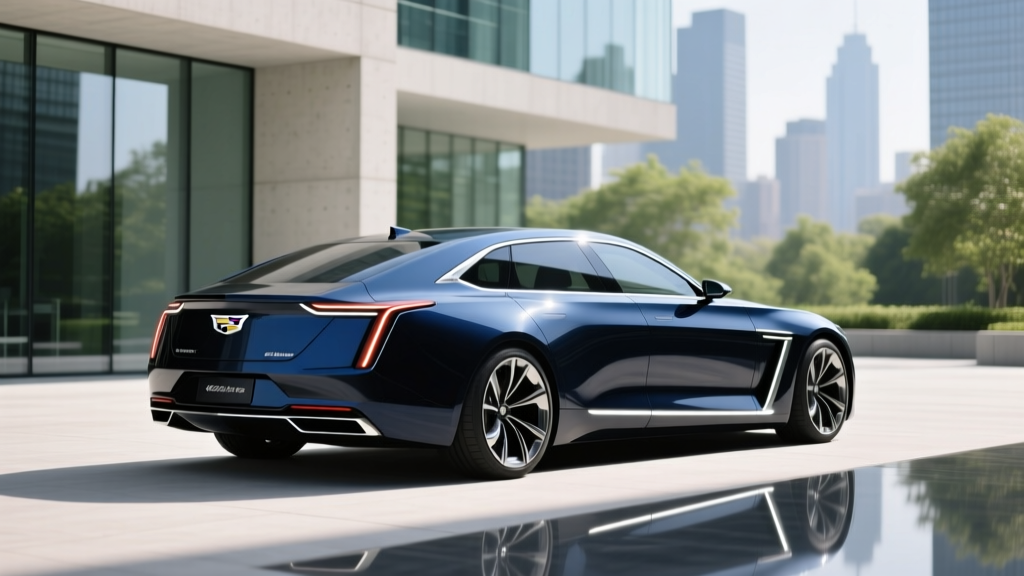
Cadillac's first ground-up electric flagship isn't trying to sell in volume. The 2024 Cadillac Celestiq is a hand-built, made-to-order statement piece — a $340,000-plus electric sedan that aims to prove American luxury can compete with Rolls-Royce and Bentley on a zero-emissions platform. Built on GM's Ultium architecture at the Factory ZERO facility in Detroit-Hamtramck, each Celestiq is commissioned by its buyer with bespoke interior materials, paint, and technology.
But beneath the hand-stitched leather and 55-inch LED dash lies a serious electric powertrain. This review breaks down the Celestiq's real-world range, charging behavior, performance data, and whether its pricing and tax-credit situation make any financial sense — even for buyers in the ultra-luxury bracket.
Range, Battery & Efficiency: The Numbers Behind 303 Miles
The Celestiq carries a massive 111 kWh usable Ultium battery pack using NMC (nickel manganese cobalt) chemistry in a vertical pouch-cell configuration. This is GM's largest passenger-vehicle pack, chosen for its energy density and packaging flexibility in a low-slung luxury sedan.
Real-World Expectation: Plan for approximately 250–270 miles in mixed highway driving at 70+ mph, and as low as 210–230 miles in sub-freezing temperatures. The Celestiq's large frontal area and 5,900+ lb curb weight work against highway efficiency. City driving with regenerative braking recovers more energy, often exceeding the EPA estimate in stop-and-go traffic.
The EPA rates the Celestiq at 89 MPGe combined (city/highway), which translates to roughly 38 kWh per 100 miles. That's thirsty by EV standards — for comparison, a Tesla Model S Long Range achieves around 124 MPGe — but it's typical for a 6,000-lb luxury sedan prioritizing ride isolation and sound deadening over aero efficiency.
| Spec | Value |
|---|---|
| EPA Range | 303 miles |
| Battery (Usable) | 111 kWh, NMC pouch cells |
| EPA Efficiency | 89 MPGe / 38 kWh/100mi |
| Drivetrain | Dual-motor AWD |
| Horsepower | 600 HP (est.) |
| Torque | 640 lb-ft (est.) |
| 0–60 mph | 3.8 seconds |
| Max DC Fast Charge | 200 kW |
| Level 2 Charge Rate | 19.2 kW (AC) |
| Cargo Volume | ~14 cu ft (trunk) |
| Seating | 4 passengers (individual rear seats) |
| Base MSRP | ~$340,000 |
| Battery Warranty | 8 years / 100,000 miles |
Charging Speed: DC Fast, Level 2 & What to Expect
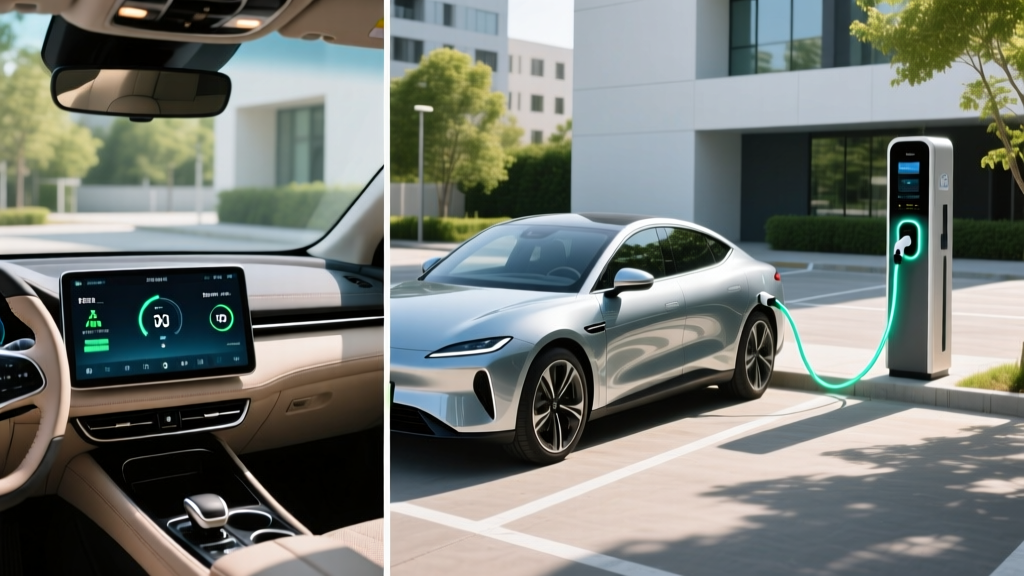
For a vehicle in this price class, charging speed matters less for daily use (owners will charge at home) and more for road-trip viability. Here's how the Celestiq's charging system performs:
| Level | Power | Estimated Speed | Use Case |
|---|---|---|---|
| Level 1 (120V) | ~1.4 kW | ~3–4 miles/hour | Emergency only |
| Level 2 (240V) | 19.2 kW | ~50 miles/hour | Overnight home charging; full charge in ~6 hours |
| DC Fast Charge | 200 kW peak | 10–80% in ~30 minutes | Road trips; adds ~180 miles in 20 min |
The Celestiq supports a 200 kW peak DC fast-charge rate via the CCS1 connector (though GM's transition to NACS means future models and adapters will support Tesla Superchargers). On a 350 kW Electrify America or similar station, expect the Celestiq to peak near 200 kW in the 10–40% state-of-charge window, then taper progressively. The 10–80% charge takes approximately 30 minutes, which is respectable for a 111 kWh pack but not class-leading — the Lucid Air, with its 900-volt architecture and 300+ kW peak, charges its smaller pack faster.
Home charging reality: At 19.2 kW on a hardwired Level 2 station (requiring a 100-amp circuit), the Celestiq gains about 50 miles of range per hour. A full overnight charge from 20% to 100% takes roughly 5–6 hours. Buyers will need a robust home electrical setup — most will want a dedicated 100A circuit installed by a licensed electrician, which can run $2,000–$5,000 depending on panel capacity.
Performance & Driving Dynamics
The Celestiq's dual-motor all-wheel-drive powertrain produces an estimated 600 horsepower and 640 lb-ft of torque, launching the sedan from 0–60 mph in approximately 3.8 seconds. That's quick by any measure, though not supercar-quick — the Lucid Air Sapphire does 0–60 in under 2.0 seconds, and the Tesla Model S Plaid in 1.99 seconds. But the Celestiq isn't chasing lap times.
What the Celestiq delivers instead is effortless, silent thrust with Cadillac's Magnetic Ride Control 4.0 and rear-wheel steering providing a magic-carpet ride. The adaptive air suspension reads the road ahead using cameras and pre-adjusts damping. At highway speeds, the cabin isolation is extraordinary — road noise, wind noise, and even the whine of the electric motors are suppressed to near-Rolls-Royce levels.
The rear-wheel steering system (up to 3.5 degrees of counter-phase steering at low speeds) shrinks the Celestiq's 17.3-foot length in parking lots and tight city streets, making it surprisingly maneuverable for its size.
Interior, Cargo & Technology
The Celestiq's cabin is its primary selling point. Every surface is finished in materials chosen by the buyer during the commissioning process — real metal, hand-cut-and-sewn leather, open-pore wood, and even available carbon fiber or ceramic inlays.
Seating: The Celestiq is strictly a four-seater, with individual rear bucket seats separated by a full-length center console. Each rear passenger gets a dedicated touchscreen for climate, media, and seat adjustment. Front seats offer 18-way power adjustment, heating, ventilation, and hot-stone massage.
Cargo: The trunk offers approximately 14 cubic feet of volume — modest for a vehicle this size, due to the rear-seat structure and battery packaging. There is no front trunk (frunk). For a vehicle at this price point, cargo is an afterthought; owners will rarely use the Celestiq for hauling.
Infotainment: The centerpiece is a 55-inch total-diagonal LED display spanning the dashboard, with a separate display surface for the front passenger. The system runs on Cadillac's latest Ultifi software platform with Google Built-In (Maps, Assistant, Play Store). Wireless Apple CarPlay and Android Auto are standard.
Driver Assistance: The Celestiq includes Super Cruise, GM's hands-free Level 2 driver-assistance system, which operates on over 400,000 miles of mapped highways in North America. Super Cruise uses a driver-attention camera to ensure eyes remain on the road — it is not autonomous driving, but it significantly reduces fatigue on long highway stretches.
Pricing, Tax Credits & Ownership Economics
The 2024 Cadillac Celestiq starts at approximately $340,000, with bespoke commissioning pushing most examples well above $400,000 once options, custom paint, and interior personalization are finalized. There is only one "trim" — each car is individually configured.
| Item | Amount |
|---|---|
| Base MSRP | ~$340,000 |
| Typical Commissioned Price | $340,000–$400,000+ |
| Federal §30D Tax Credit | $7,500 (if eligible) |
| Effective Price After Credit | ~$332,500 |
Does the Celestiq qualify for the federal EV tax credit? Under IRS §30D rules, the Celestiq clears the MSRP cap for sedans ($55,000) — wait, it does not. The Celestiq's $340,000 price far exceeds the $55,000 sedan cap under the Inflation Reduction Act. This means the Celestiq does not qualify for the $7,500 federal tax credit.
For buyers in this segment, the loss of a $7,500 credit is negligible — it represents roughly 2% of the purchase price. However, some state-level incentives (like certain clean-vehicle rebates) may still apply, though many also impose price caps. Consult a tax professional for your specific situation.
Warranty coverage: Cadillac backs the Celestiq with a 4-year/50,000-mile bumper-to-bumper warranty, a 6-year/70,000-mile powertrain warranty, and an 8-year/100,000-mile battery warranty (covering capacity loss below 70% of original). Given the bespoke nature of the vehicle, Cadillac also provides a dedicated concierge service for maintenance and support.
Pros, Cons & Who Should Buy the Celestiq
Pros
- Hand-built, fully bespoke commissioning — no two Celestiqs are alike
- 303-mile EPA range is solid for a 6,000-lb luxury sedan
- Extraordinary cabin isolation and ride quality (Magnetic Ride 4.0 + air suspension)
- Super Cruise hands-free highway driving reduces long-trip fatigue
- 19.2 kW Level 2 charging enables practical overnight home replenishment
- Exclusivity — Cadillac limits production, ensuring rarity
Cons
- $340,000+ price with no federal tax credit eligibility (MSRP cap exceeded)
- 200 kW peak DC charging is outpaced by Lucid Air and Porsche Taycan
- Only ~14 cu ft trunk space; no frunk
- 89 MPGe is inefficient — high electricity costs on road trips
- Limited production means long wait times and no test-drive availability at most dealers
- Depreciation risk on a low-volume, ultra-expensive EV is difficult to predict
Who is the Celestiq for? This EV suits collectors, luxury sedan loyalists, and buyers who want a one-of-one electric vehicle that makes a statement. It's a road-trip-capable grand tourer — not a daily commuter or family hauler. If you're cross-shopping a Rolls-Royce Spectre or a fully bespoke Bentley Flying Spur hybrid, the Celestiq offers a distinctly American, fully electric alternative. If you want the fastest-charging, longest-range luxury EV, the Lucid Air Grand Touring remains the efficiency and charging-speed benchmark at a fraction of the price.
Frequently Asked Questions
What is the real-world range of the 2024 Cadillac Celestiq?
The EPA rates the Celestiq at 303 miles. In real-world highway driving at 70–80 mph, expect 250–270 miles. In cold weather (below 32°F), range can drop to 210–230 miles due to battery chemistry limitations and increased cabin-heating load. City driving with frequent regenerative braking may exceed the EPA estimate.
How fast does the Celestiq charge at home and on the road?
At home on a 19.2 kW Level 2 station (hardwired, 100A circuit), the Celestiq gains approximately 50 miles of range per hour, with a full 20–100% charge taking about 5–6 hours. On a DC fast charger, it peaks at 200 kW and charges from 10–80% in roughly 30 minutes.
Does the Celestiq qualify for the $7,500 federal EV tax credit?
No. Under IRS §30D, the federal credit caps sedan eligibility at $55,000 MSRP. The Celestiq's ~$340,000 price disqualifies it entirely. State incentives may still apply depending on your jurisdiction — check your local clean-vehicle rebate program.
Is the Celestiq worth buying versus the Lucid Air or Rolls-Royce Spectre?
If your priority is range and charging efficiency, the Lucid Air Grand Touring (516 miles EPA, 300+ kW charging) is the superior EV at roughly one-third the price. If you want ultimate prestige and hand-built luxury regardless of EV efficiency, the Rolls-Royce Spectre (260 miles EPA) is the traditional choice. The Celestiq occupies a niche between them: American bespoke luxury with legitimate EV credentials, but at a price that demands emotional rather than rational justification.
How many Celestiqs will Cadillac produce?
Cadillac has not published an exact production cap but has confirmed that the Celestiq is strictly low-volume and hand-built at Factory ZERO. Each vehicle is commissioned individually, and production is limited by the bespoke manufacturing process. Expect annual production in the low hundreds at most.
What battery warranty does the Celestiq carry?
Cadillac provides an 8-year/100,000-mile battery warranty covering defects and capacity degradation below 70% of original capacity. The bumper-to-bumper warranty is 4 years/50,000 miles, and powertrain coverage extends to 6 years/70,000 miles.