Quick Verdict: The Heaviest Luxury EV Sedan, and the Most Efficient
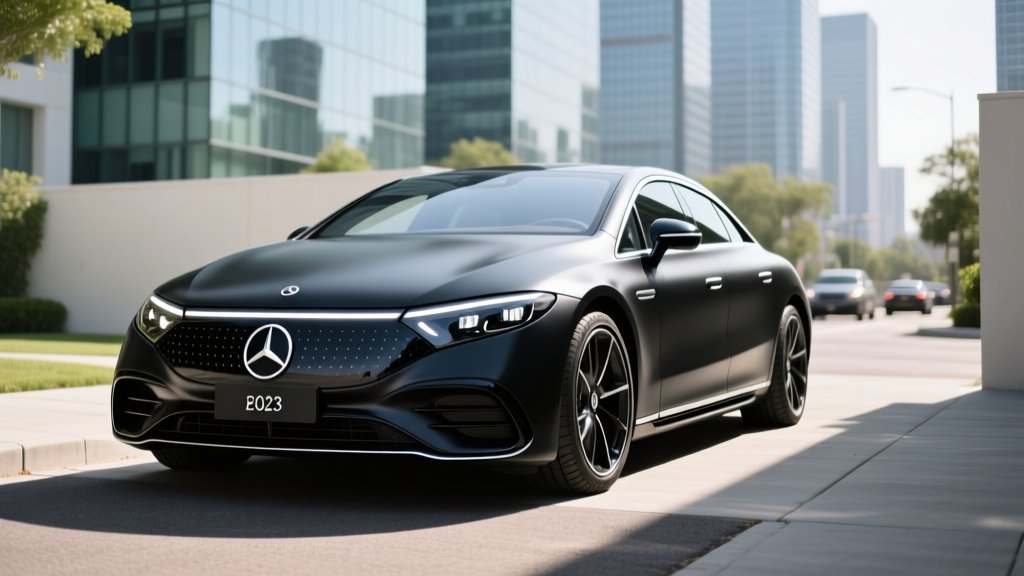
The 2023 Mercedes-Benz EQS 450+ is an engineering paradox: it's one of the heaviest production sedans on the road, yet it delivers some of the longest EPA-estimated range figures of any electric vehicle sold in the United States. If you've been searching for 2023 Mercedes-Benz EQS curb weight data to understand how mass impacts efficiency, charging, and tire wear, this review gives you the exact numbers along with real-world ownership context that spec sheets leave out.
The EQS rides on Mercedes' dedicated EVA2 electric platform — not a retrofitted combustion chassis — and that architecture shows in its packaging, low center of gravity, and class-leading aerodynamics (a drag coefficient of just 0.20 Cd). But at a curb weight starting around 5,600 lbs for the EQS 450+ and climbing past 5,900 lbs for the dual-motor EQS 580 4MATIC, physics still matters. Heavier vehicles consume more energy at highway speeds, wear through tires faster, and require more robust braking systems. We'll cover exactly how Mercedes mitigates these trade-offs below.
| Spec | EQS 450+ (RWD) | EQS 580 4MATIC (AWD) |
|---|---|---|
| Curb Weight | ~5,600 lbs | ~5,888 lbs |
| EPA Range | 350 miles | 340 miles |
| Battery (Usable) | 107.8 kWh, NMC | 107.8 kWh, NMC |
| Horsepower | 329 hp | 516 hp |
| Torque | 406 lb-ft | 631 lb-ft |
| 0–60 mph | 5.5 sec | 4.1 sec |
| Drivetrain | RWD (single motor) | AWD (dual motor) |
| MPGe (Combined) | 97 MPGe | 92 MPGe |
| kWh/100 mi | 34 kWh | 37 kWh |
| Max DC Fast Charge | 200 kW | 200 kW |
| 10–80% DC Time | ~31 min | ~31 min |
| Level 2 Charge Rate | 9.6 kW (~29 mi/hr) | 9.6 kW (~29 mi/hr) |
| Cargo Volume | 22.0 cu ft (rear seats up) | 22.0 cu ft |
| Rear Legroom | 41.9 in | 41.9 in |
| Base MSRP | $104,400 | $125,900 |
| Battery Warranty | 10 yr / 155,000 mi | 10 yr / 155,000 mi |
Real-World Range: What 350 EPA Miles Actually Means on the Road
Real-World Expectation: ~280–310 miles at sustained 75 mph highway speeds; ~240–270 miles in freezing temperatures with cabin heat; ~320–340 miles in mixed city/suburban driving with regen.
The EQS 450+ earns its 350-mile EPA rating thanks to three factors working together: the massive 107.8 kWh usable battery (NMC chemistry — nickel-manganese-cobalt, chosen for energy density over the LFP chemistry found in standard-range Teslas), that slippery 0.20 Cd body shape, and a heat pump that comes standard on all trims. The heat pump matters enormously in cold weather because it moves ambient heat rather than generating it resistively, cutting cabin-heating energy draw by roughly 30–40% compared to PTC heaters.
That said, the 2023 Mercedes-Benz EQS curb weight of 5,600–5,888 lbs is a real-world range variable many buyers overlook. Heavier EVs lose proportionally more energy at highway speeds where rolling resistance compounds with aerodynamic drag. On a 70°F day doing 65 mph on flat terrain, you'll see numbers close to the EPA sticker. Push it to 80 mph in 90°F heat with A/C blasting, and expect closer to 290 miles. In sub-30°F winter conditions, even with the heat pump, plan for 240–270 miles before needing a charge stop.
According to fueleconomy.gov, the EQS 450+ achieves 97 MPGe combined (34 kWh/100 mi), which is remarkably efficient for a 5,600-lb luxury sedan. For comparison, the BMW i7 xDrive60 (a direct competitor at similar weight) achieves 82 MPGe combined with a smaller 101.7 kWh battery.
Charging Speed: 200 kW Peak, but Mind the Curve
| Charging Level | Power (kW) | Miles Added per Hour | Full Charge Time |
|---|---|---|---|
| Level 1 (120V / 12A) | ~1.4 kW | ~4 mi/hr | ~77 hours |
| Level 2 (240V / 40A) | 9.6 kW | ~29 mi/hr | ~11.5 hours |
| DC Fast Charge (peak) | 200 kW | N/A | 10–80% in ~31 min |
The EQS supports a maximum DC fast-charge rate of 200 kW via CCS1 connector. Mercedes quotes a 10–80% charge time of approximately 31 minutes under ideal conditions — battery preconditioned to optimal temperature, connected to a charger capable of sustaining 200 kW.
Here's where the charging-curve reality matters: that 200 kW peak is not sustained across the entire session. The EQS typically holds above 180 kW from roughly 10–40% state of charge, then tapers progressively. From 60–80%, expect the rate to drop to 80–110 kW. This taper is normal NMC battery management behavior — it protects cell longevity by reducing current as internal resistance rises at higher SoC. What this means practically is that charging from 80–100% on DC fast charge is painfully slow (often below 40 kW), so plan your road trips around 10–80% sessions and skip topping off unless you need every last mile.
For home Level 2 charging, the onboard 9.6 kW charger replenishes the 107.8 kWh battery in roughly 11.5 hours from empty. Most owners will plug in at 20–30% remaining and wake up to a full battery — a typical overnight session of 8–9 hours is sufficient. Level 1 charging at 1.4 kW is essentially unusable for a battery this large; it would take over three days for a full charge. If your daily commute is under 40 miles, Level 1 can technically keep up, but we strongly recommend a 240V Level 2 installation for any EQS owner.
Performance: Heavy, but Deceptively Quick
The relationship between the 2023 Mercedes-Benz EQS curb weight and its acceleration figures is a lesson in electric torque. The single-motor EQS 450+ pushes 329 hp and 406 lb-ft of torque to the rear wheels, hitting 0–60 mph in 5.5 seconds. That's sports-sedan territory from a decade ago, delivered silently and without drama from a vehicle that weighs as much as a loaded Ford F-150.
Step up to the EQS 580 4MATIC and the dual-motor AWD system produces 516 hp and 631 lb-ft, dropping the 0–60 time to 4.1 seconds. The AMG EQS variant (not covered in depth here) pushes 649 hp and cracks 0–60 in 3.4 seconds, though at the cost of range (EPA 305 miles) and a starting MSRP above $147,000.
Where the curb weight becomes most noticeable is in cornering and braking. The EQS is a luxury cruiser, not a canyon carver. Body roll is well-controlled by the standard AIRMATIC air suspension, but you feel the mass during aggressive direction changes. The regenerative braking system offers three levels (selectable via steering-wheel paddles) plus an intelligent "D Auto" mode that uses radar and navigation data to modulate regen based on traffic and terrain. At maximum regen, the EQS approaches one-pedal driving, though it doesn't quite come to a complete stop without touching the brake pedal — a deliberate Mercedes choice for smoothness.
Pricing, Trims, and Federal Tax Credit Eligibility
| Trim | Base MSRP | Federal §30D Credit | Effective Price |
|---|---|---|---|
| EQS 450+ Sedan | $104,400 | $0 (exceeds MSRP cap) | $104,400 |
| EQS 450 4MATIC Sedan | $107,400 | $0 (exceeds MSRP cap) | $107,400 |
| EQS 580 4MATIC Sedan | $125,900 | $0 (exceeds MSRP cap) | $125,900 |
| EQS 450+ SUV | $104,400 | $0 (exceeds MSRP cap) | $104,400 |
| EQS 580 4MATIC SUV | $125,900 | $0 (exceeds MSRP cap) | $125,900 |
This is where the news turns unfavorable for budget-conscious buyers: no 2023 Mercedes-Benz EQS trim qualifies for the federal §30D EV tax credit. The Inflation Reduction Act caps eligible sedans at an MSRP of $55,000 and SUVs/pickups/vans at $80,000. Every EQS variant blows past those limits, even the base 450+ sedan at $104,400. Additionally, the §30D credit imposes adjusted gross income caps ($150,000 single / $300,000 joint) and strict battery-critical-mineral and battery-component sourcing requirements that shift annually — but the MSRP cap alone disqualifies the EQS regardless of buyer income or battery sourcing. See the IRS §30D guidance for full eligibility rules.
Some buyers in states with separate EV rebates (California's CVRP, Colorado's state credit, etc.) may find partial offset, but these vary by jurisdiction and income. Consult your state's energy office or a tax professional for current local incentive availability.
Interior, Tech, and the Hyperscreen Experience
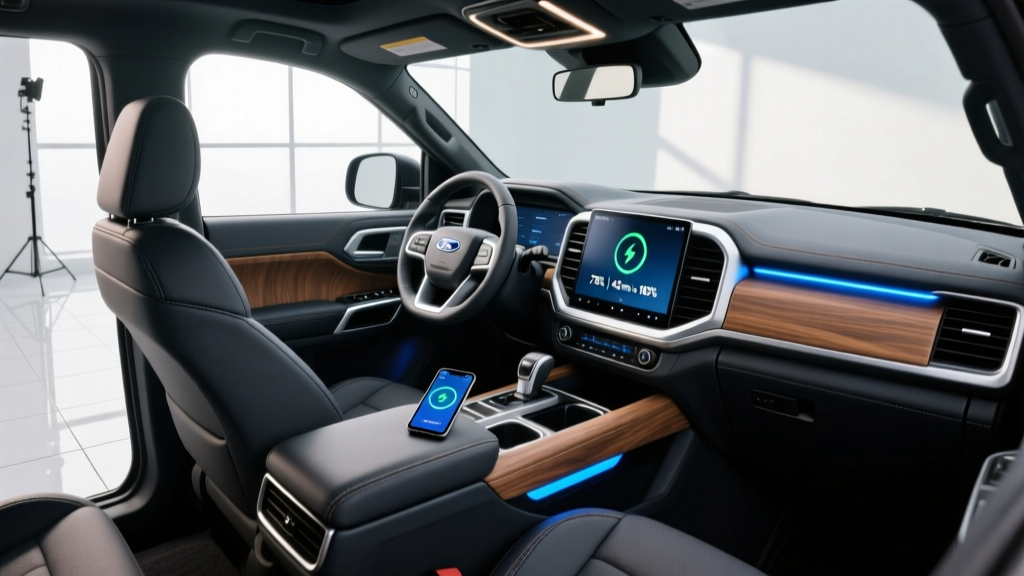
The EQS cabin is a showcase of Mercedes' current tech ambitions. The centerpiece is the available MBUX Hyperscreen — a 56-inch curved glass panel spanning the full dashboard width, incorporating a 17.7-inch central OLED touchscreen, a 12.3-inch driver instrument cluster, and a 12.3-inch passenger display. It's visually stunning, though some drivers find the all-touch interface distracting compared to physical buttons. The standard setup uses a 12.8-inch portrait OLED screen, which is more than adequate for most users.
Driver assistance comes via Mercedes' Drive Pilot system, which is a certified SAE Level 3 system in limited conditions — specifically, approved highways at speeds up to 40 mph in heavy traffic. This is a significant distinction: unlike Level 2 systems (Tesla Autopilot, GM Super Cruise, Ford BlueCruise), Level 3 permits the driver to legally disengage attention under defined conditions. However, Drive Pilot availability in the US is currently limited to Nevada, and its operating envelope is narrow. Outside those conditions, the EQS defaults to a Level 2 driver-assist suite with adaptive cruise, lane centering, and automatic emergency braking.
Passenger space is generous: 41.9 inches of rear legroom rivals the long-wheelbase S-Class. Cargo volume measures 22.0 cubic feet with the rear seats upright — aided by the hatchback-style liftgate — and expands to 63.0 cubic feet with seats folded. That's more practical than a traditional sedan trunk, though the EQS's sloping roofline limits vertical space for tall items compared to an SUV.
Warranty Coverage and Battery Longevity
Mercedes provides a 10-year / 155,000-mile high-voltage battery warranty on the 2023 EQS, guaranteeing a minimum of 70% state of health (SoH) over that period. This is among the most generous battery warranties in the luxury EV segment — Tesla covers 8 years / 150,000 miles on the Model S at the same 70% threshold, while BMW matches 8 years / 100,000 miles on the i7.
The 107.8 kWh NMC battery benefits from Mercedes' liquid thermal management system, which actively heats and cools the pack to maintain optimal cell temperatures. This is critical for longevity: NMC chemistry degrades faster when repeatedly exposed to high temperatures or held at 100% SoC for extended periods. Mercedes recommends daily charging to 80% and using the 100% setting only when you need maximum range for a trip — advice we echo for any NMC-equipped EV.
The basic vehicle warranty is 4 years / 50,000 miles, which is standard for the German luxury segment. Roadside assistance covers 4 years with no mileage limit.
Pros, Cons, and Who Should Buy the EQS
- 350-mile EPA range (450+) — top of the luxury EV sedan class
- 107.8 kWh battery with 10-yr/155,000-mi warranty
- Exceptional cabin quietness and ride comfort via AIRMATIC
- Available Hyperscreen and Level 3 Drive Pilot (limited markets)
- Standard heat pump for cold-weather efficiency
- 22.0 cu ft cargo with hatchback practicality
- No federal tax credit eligibility (MSRP exceeds cap)
- 200 kW peak charge rate trails rivals (Lucid Air: 300 kW+)
- Curb weight above 5,600 lbs increases tire wear and braking distance
- Hyperscreen can be distracting; subscription features add cost
- Rear visibility limited by sloping roofline
- Regen does not achieve full one-pedal stop
Who the EQS suits best: The 2023 EQS is ideal for luxury-sedan buyers who prioritize ride comfort, cabin technology, and long highway range over sporty dynamics. It's a strong fit for executives with home Level 2 charging access, frequent highway commuters in states where Drive Pilot is approved, and buyers who want S-Class-level luxury without tailpipe emissions. It is less suited for buyers on a budget (the MSRP cap disqualifies it from federal incentives), those who prioritize maximum fast-charging speed for frequent road trips, or drivers who want engaging handling.
Frequently Asked Questions
What is the 2023 Mercedes-Benz EQS curb weight?
The EQS 450+ (RWD) has a curb weight of approximately 5,600 lbs. The dual-motor EQS 580 4MATIC weighs approximately 5,888 lbs. The EQS SUV variants are heavier still, approaching 6,000 lbs. This mass is primarily attributable to the 107.8 kWh NMC battery pack.
Does the 2023 EQS qualify for the $7,500 federal EV tax credit?
No. Every 2023 EQS trim exceeds the §30D MSRP cap of $55,000 for sedans and $80,000 for SUVs. The base EQS 450+ sedan starts at $104,400, which is nearly double the sedan cap. Buyer income and battery sourcing rules are irrelevant here — the MSRP alone disqualifies the vehicle.
How fast does the EQS charge at home?
On a 240V / 40A Level 2 home charger, the EQS accepts up to 9.6 kW, adding approximately 29 miles of range per hour. A full charge from empty takes roughly 11.5 hours. Most owners charging overnight from 20–30% SoC will reach 100% by morning.
How does the EQS compare to the Tesla Model S and Lucid Air?
The Tesla Model S Long Range offers 405 miles of EPA range at a lower starting price (~$79,990), faster DC charging (250 kW peak), and access to the Supercharger network, but its interior quality and ride comfort don't match the EQS. The Lucid Air Pure starts around $78,900 with 419 miles of range and supports 300+ kW DC charging, making it the efficiency and charging-speed leader — but its service center network is still limited. The EQS wins on luxury, quietness, and dealer support; it loses on price, charging speed, and tax-credit eligibility. According to IIHS, always cross-check the latest safety ratings before deciding.
Is the 107.8 kWh battery LFP or NMC?
The 2023 EQS uses NMC (nickel-manganese-cobalt) chemistry. NMC offers higher energy density than LFP (lithium iron phosphate), which is why Mercedes can fit 107.8 kWh into the EQS's floor. The trade-off is that NMC is more sensitive to prolonged high-SoC storage and benefits from daily charging limits of 80%.
What's the real-world highway range at 75 mph?
Expect approximately 280–310 miles at a sustained 75 mph in moderate temperatures (60–80°F). In winter conditions below freezing, that drops to roughly 240–270 miles even with the standard heat pump. City and suburban driving with regenerative braking can return 320–340 miles, closer to the EPA sticker.