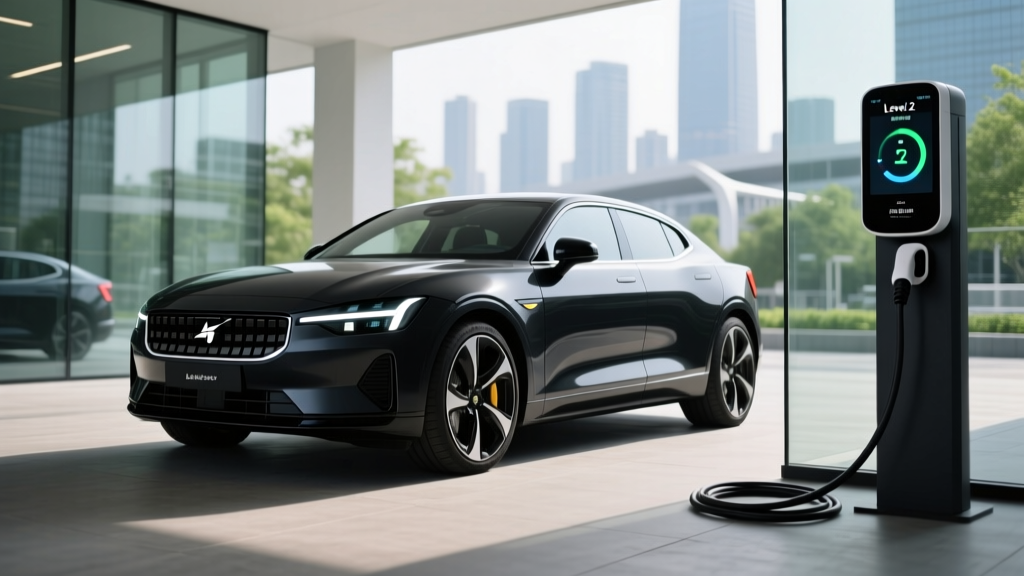
The 2022 Polestar 2 was one of the first credible Tesla Model 3 alternatives to reach US showrooms — a Swedish-designed, Chinese-built electric fastback with sharp styling, Google-based infotainment, and a dual-motor powertrain that could hit 60 mph in under 4.5 seconds. Now that these cars are aging out of their basic warranty window and entering the used-EV market, buyers are asking the practical question: how does 2022 Polestar 2 reliability hold up after 40,000–80,000 miles?
This review evaluates the 2022 model year through a 2026 ownership lens. We cover real-world range versus the EPA sticker, DC fast-charging behavior (including the sustained curve, not just peak kW), battery degradation expectations, build quality patterns reported by owners, and whether the federal used-EV credit can bring one into budget. If you're shopping a pre-owned Polestar 2 or already own one and want to know what's ahead, this is the data set you need.
2022 Polestar 2 Specs at a Glance
| Attribute | Standard Range Single Motor | Long Range Single Motor | Long Range Dual Motor |
|---|---|---|---|
| EPA Range | 249 mi | 270 mi | 249 mi |
| Battery (usable) | 69 kWh (LFP) | 78 kWh (NMC) | 78 kWh (NMC) |
| Powertrain | RWD, 231 hp | RWD, 231 hp | AWD, 408 hp (476 w/ Perf.) |
| 0–60 mph | 7.0 sec | 7.0 sec | 4.5 sec (3.8 w/ Perf.) |
| Max DC Charge | 135 kW | 150 kW (205 w/ OTA) | 150 kW (205 w/ OTA) |
| 10–80% DC Time | ~32 min | ~35 min (~28 post-OTA) | ~35 min (~28 post-OTA) |
| Level 2 Rate | 11 kW | 11 kW | 11 kW |
| MPGe (combined) | 107 MPGe | 107 MPGe | 92 MPGe |
| Cargo (behind rear) | 14.4 cu ft | 14.4 cu ft | 14.4 cu ft |
| Original Base MSRP | $45,900 | $49,900 | $53,500 |
Source: fueleconomy.gov, Polestar USA press archives.
Real-World Range vs. the EPA Sticker
Real-World Highway (70–75 mph): ~210–235 miles for Long Range Single Motor.
Cold Weather (below 32°F): Expect 20–30% range loss, dropping usable range to ~175–200 miles on the Long Range.
Efficiency: 27–31 kWh/100mi depending on driving style and climate use.
The 2022 Polestar 2 Long Range Single Motor carries a 270-mile EPA combined rating, but the car's blunt aerodynamic profile (drag coefficient ~0.278) penalizes highway efficiency more than sleeker rivals like the Tesla Model 3 or Hyundai Ioniq 6. In EPA testing, the dual-motor variant drops to 249 miles combined and 92 MPGe — a meaningful gap for road-trippers.
The Standard Range Single Motor variant, introduced for 2022, uses a 69 kWh LFP (lithium iron phosphate) battery. LFP chemistries trade energy density for longevity and can be charged to 100% daily without the degradation concerns of NMC. If you're buying used and commute under 50 miles round-trip, this is the more robust long-term battery choice.
Charging Speed and the Curve Buyers Should Know
Polestar delivered a significant over-the-air (OTA) charging upgrade in late 2022/early 2023 that unlocked 205 kW peak DC fast charging on Long Range models, down from the original 150 kW cap. This matters enormously on the used market — confirm with any seller that the OTA update was applied.
| Charging Level | Power | Speed | Notes |
|---|---|---|---|
| Level 1 (120V) | 1.4 kW | ~4 mi/hr | Emergency/trickle only |
| Level 2 (240V home) | 11 kW | ~32 mi/hr | Full charge in ~8 hours |
| DC Fast (pre-OTA) | 150 kW peak | 10–80% in ~35 min | Sustained ~100 kW avg |
| DC Fast (post-OTA) | 205 kW peak | 10–80% in ~28 min | Tapers sharply above 80% |
The charge curve is the detail spec sheets omit. Even post-OTA, the 78 kWh NMC pack holds its peak rate briefly before tapering. Expect an average rate closer to 110–120 kW across the 10–80% window — still competitive with a Model 3 Long Range on a 250 kW Supercharger, but slower than Hyundai/Kia's 800V architecture (Ioniq 5, EV6) which sustains higher rates longer.
For home charging, the onboard 11 kW AC charger is a genuine advantage. Many rivals (including older Model 3s) are limited to 7.6–9.6 kW, meaning the Polestar 2 refills overnight faster on a 48-amp Level 2 circuit.
Reliability Patterns: What Owners Report in 2026
With three to four model years of field data now available, the 2022 Polestar 2 reliability picture is largely positive but not flawless. The powertrain (motors, inverter, reduction gear) has proven robust — consistent with Geely/Volvo's mature SEA-adjacent platform engineering. Battery degradation on the 78 kWh NMC packs has been modest, typically 5–8% loss over 60,000 miles when owners avoid habitual 100% charges and frequent DC fast charging.
Known issue areas to inspect on a used 2022 example:
- Software glitches: Early Android Automotive OS builds suffered infotainment freezes and phantom connectivity drops. Most were resolved via OTA, but confirm the car is on the latest software.
- Heat pump availability: The heat pump was part of the optional Plus Pack on 2022 models, not standard. Without it, cold-weather range loss and cabin heating energy draw are more severe. Verify via VIN or window sticker.
- 12V battery drains: Like many EVs with always-connected telematics, some owners reported 12V battery failures within the first two years. Polestar issued software updates to address parasitic drain; ask for service records.
- Suspension bushings and CV joints: The dual-motor Performance models with Öhlins dampers and 20-inch wheels transmit more road impact. Higher-mileage examples (60k+) may show bushing wear or CV joint noise — listen for clicks under hard acceleration.
- Charge port latch: A small but recurring complaint involves the CCS charge port latch not releasing cleanly in cold weather. Usually a software or actuator fix under warranty.
From a safety standpoint, the 2022 Polestar 2 earned a Top Safety Pick+ rating from IIHS with Good scores across all crashworthiness tests — an important data point for family buyers.
Warranty Coverage and Battery Longevity
Polestar provides a 4-year/50,000-mile basic vehicle warranty and an 8-year/100,000-mile battery and drive unit warranty. The battery warranty guarantees at least 70% state-of-health (SoH) retention over the coverage period. For a 2022 model, the basic warranty has now expired (as of 2026), but the high-voltage battery and motors remain covered through 2030 or 100,000 miles — whichever comes first.
This is a meaningful safety net for used buyers. A 78 kWh NMC battery replacement out of warranty would cost an estimated $14,000–$18,000 including labor, based on current Volvo/Polestar parts pricing. The 8-year backstop materially de-risks ownership.
Pricing, Used Market Values, and Tax Credits
Original MSRPs for the 2022 Polestar 2 ranged from $45,900 (Standard Range) to $63,000+ for a fully loaded Dual Motor with Performance and Plus packs. In the 2026 used market, well-maintained examples are trading roughly as follows:
- Standard Range Single Motor (30–50k mi): $22,000–$27,000
- Long Range Single Motor (30–50k mi): $26,000–$32,000
- Long Range Dual Motor (30–50k mi): $30,000–$38,000
- Dual Motor w/ Performance Pack: $33,000–$42,000
Federal Used-EV Tax Credit (§25E)
Because the 2022 Polestar 2 is now sold exclusively on the used market, it may qualify for the IRS §25E used clean vehicle credit — up to $4,000 or 30% of the sale price, whichever is less. Key eligibility requirements:
- Sale price must be $25,000 or below (this disqualifies most Dual Motor and Performance examples)
- Buyer AGI limits: $75,000 single / $112,500 head of household / $150,000 joint
- Vehicle must be at least two model years old (2022 qualifies in 2026)
- Must purchase from a licensed dealer (private-party sales do not qualify)
- Credit is non-refundable but can be transferred to the dealer at point of sale
Practically, a Standard Range or base Long Range Single Motor priced at or under $25,000 can net the full $4,000 credit — bringing effective cost into the low $20,000s. Dual Motor buyers will generally not qualify due to the price cap. Always confirm current-year rules with a tax professional, as IRS guidance evolves.
Tech, Interior, and Daily Livability
The Polestar 2's interior is a study in Scandinavian restraint — vegan MicroTech upholstery, a portrait-oriented 11.2-inch touchscreen running Android Automotive OS, and native Google Maps/Assistant/Play Store integration. For EV route planning, the built-in Google Maps with live charger availability remains one of the better OEM implementations, though it lacks the Supercharger ecosystem lock-in of Tesla's navigation.
Driver assistance comes via Polestar's Pilot Pack (adaptive cruise, lane centering, blind-spot assist) — a Level 2 SAE system requiring active driver supervision, not autonomous driving. The optional 360-degree camera and Pixel LED headlights are worth seeking on used examples; both meaningfully improve daily usability.
Practicality is the Polestar 2's weak point versus crossover rivals. The liftback offers 14.4 cu ft behind the rear seats (40.5 cu ft folded), which is tight for a family hauler. Rear legroom (34.0 inches) is snug for taller passengers. There's a small front trunk (frunk) for charging cables. If you need genuine cargo volume, the Ford Mustang Mach-E (54 cu ft) or Hyundai Ioniq 5 (53 cu ft) are substantially more practical.
Pros and Cons
- Ride and handling balance among the best in the segment, especially with Öhlins/Performance setup
- 11 kW AC onboard charger — faster home refills than most rivals
- Android Automotive OS with native Google Maps and OTA updates
- IIHS Top Safety Pick+ rating
- LFP option on Standard Range for maximum battery longevity
- Strong build quality; Volvo/Geely parts and service network
- Range and efficiency trail Model 3, Ioniq 6, and BMW i4
- Tight rear seat and cargo space vs. crossovers
- DC fast charging slower than 800V rivals (Ioniq 5, EV6)
- Heat pump was optional, not standard — verify on used cars
- CCS1 connector (no native NACS); Supercharger access requires adapter
- Used-EV credit eligibility limited by $25k price cap
Who Should Buy a Used 2022 Polestar 2?
The 2022 Polestar 2 fits a specific buyer: someone who values design, chassis dynamics, and build quality over maximum range or cargo volume. It's a strong commuter and weekend-tourer for one or two adults. Families needing rear-seat space and stowage should cross-shop the Mach-E, Ioniq 5, or Model Y.
If you can secure a Long Range Single Motor under $25,000 from a dealer, the §25E credit makes it one of the best value-per-mile EVs on the used market — with a battery warranty that still has years of coverage remaining. Verify the OTA charging update, confirm heat-pump fitment, and pull a pre-purchase battery SoH report from a Polestar service center before signing.
Frequently Asked Questions
What is the real-world range of the 2022 Polestar 2?
The Long Range Single Motor delivers ~230 miles on the highway and ~250 around town in mild weather. Cold weather (below freezing) can reduce that to 175–200 miles. The Dual Motor sacrifices ~20 miles of range for the AWD traction and performance.
How fast does the 2022 Polestar 2 charge?
Post-OTA Long Range models peak at 205 kW DC and charge 10–80% in roughly 28 minutes on a 250+ kW station. Pre-OTA cars peak at 150 kW (~35 minutes). Level 2 home charging runs at 11 kW, adding ~32 miles per hour.
Does the 2022 Polestar 2 qualify for any federal tax credit?
On the used market, it can qualify for the §25E credit of up to $4,000 — but only if the sale price is $25,000 or less and the buyer meets IRS income caps. Dual Motor and Performance variants typically price above this threshold.
Is the 2022 Polestar 2 reliable after 60,000+ miles?
Powertrain and battery reliability have been strong based on owner data. Main concerns are software-related (largely resolved via OTA), optional heat-pump verification, 12V battery health, and suspension wear on Performance-pack cars with larger wheels.
Should I choose the Standard Range LFP or Long Range NMC battery?
If your daily commute is under 50 miles and you want the longest-lasting battery chemistry, the Standard Range LFP pack is the better long-term bet — it tolerates daily 100% charges with minimal degradation. For road trips or cold climates, the 78 kWh NMC Long Range offers the necessary buffer.
Can the Polestar 2 use Tesla Superchargers?
The 2022 model has a CCS1 port. Tesla's NACS Supercharger network can be accessed via a third-party CCS-to-NACS adapter (such as those from Lectron or A2Z), but confirm Polestar's official stance on adapter use and warranty implications before relying on it.