Quick Verdict: A Collector's Plug-In Hybrid Grand Tourer
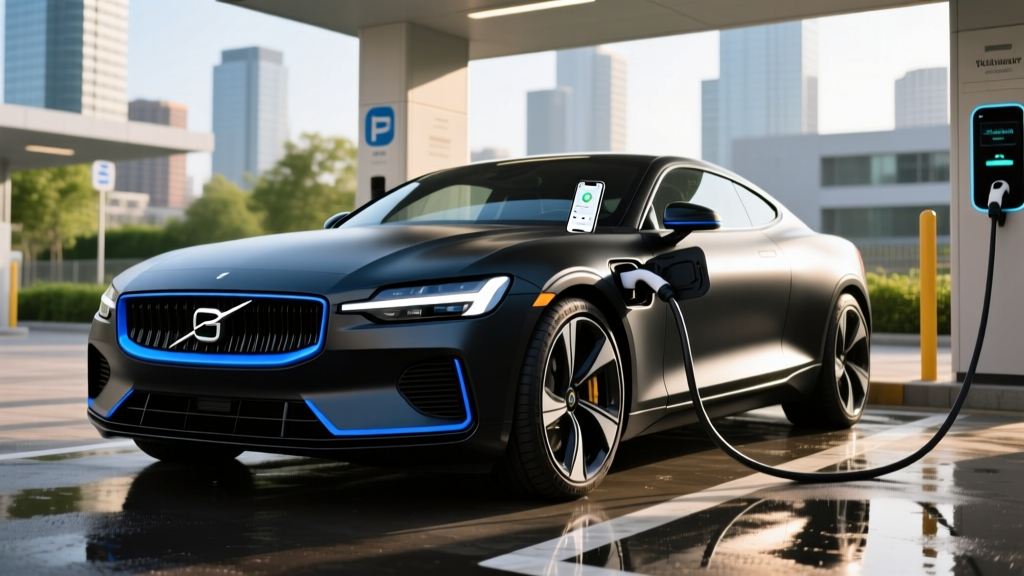
The 2021 Polestar 1 occupies a rare niche: a limited-production, carbon-fiber plug-in hybrid grand tourer that bridges the gap between Volvo's Scandinavian engineering and Polestar's all-electric future. With only 1,500 units built globally across its entire production run (2019–2021), this is not a mass-market EV — it is a halo car. In 2026, the Polestar 1 is exclusively available on the used market, where it commands premium prices from collectors and enthusiasts who want a PHEV with genuine electric-only commuting capability wrapped in striking design.
This review covers the 2021 model year — the final and most refined version of the Polestar 1 — with exact specs, real-world range data, charging performance, and ownership economics updated for today's buyers.
| Spec | Value |
|---|---|
| Powertrain | 2.0L turbo/supercharged I4 + 2 rear electric motors (PHEV AWD) |
| Total System Output | 619 HP / 738 lb-ft torque |
| 0–60 mph | 4.0 seconds (manufacturer claim) |
| Battery (usable) | 34 kWh (NMC lithium-ion) |
| EPA Electric-Only Range | 52 miles |
| EPA Combined MPGe (EV mode) | 58 MPGe |
| EPA Combined MPG (gas-only) | 26 MPG |
| Total Range (EV + gas) | ~430 miles |
| Max DC Fast Charge | 50 kW (CCS) |
| Level 2 Charge Rate | 3.6 kW onboard charger |
| Drivetrain | AWD (front wheels gas, rear wheels electric w/ torque vectoring) |
| Cargo Volume | 14.3 cu ft (trunk) + rear-seat pass-through |
| Base MSRP (2021) | $156,500 (single trim) |
| Battery/Powertrain Warranty | 8 years / 100,000 miles |
Electric Range and Real-World Efficiency
The 2021 Polestar 1 carries a 34 kWh usable battery pack (NMC chemistry), which the EPA rates at 52 miles of electric-only range. That figure is generous for a PHEV of this era and large enough to cover most daily commutes without touching the gasoline engine.
Real-World Range Expectations
EPA sticker: 52 miles EV-only
Real-world mixed driving: Expect 44–48 miles in moderate temperatures (60–80°F) with a blend of city and highway driving.
Highway-heavy (70+ mph): Electric range drops to approximately 36–40 miles due to aerodynamic drag on this 5,100-lb coupe.
Cold weather (below 32°F): Plan for 30–38 miles of EV range. The Polestar 1 uses a resistive heater for cabin warmth in EV mode, which draws significantly from the pack. Battery preconditioning is limited compared to modern BEVs.
Gas-only range: The 15.8-gallon fuel tank adds roughly 380+ miles once the battery depletes, for a combined total range exceeding 430 miles.
In charge-sustaining (hybrid) mode after the battery depletes, the EPA rates the Polestar 1 at 26 MPG combined. In real-world highway cruising, owners report 24–27 MPG — reasonable for a 5,100-pound carbon-fiber GT with 619 horsepower, but not class-leading against lighter competitors. According to fueleconomy.gov, the combined MPGe rating in EV mode is 58 MPGe, with efficiency of approximately 58 kWh per 100 miles in electric operation.
Charging: DC Fast, Level 2, and Home Setup
Charging is where the Polestar 1 shows its 2018-era engineering roots. The car was designed before the industry standardized on rapid DC charging, so its charge speeds are modest by 2026 standards.
| Charge Level | Power / Connector | Speed | Time (0–100% or 10–80%) |
|---|---|---|---|
| Level 1 (120V) | ~1.4 kW / J1772 | ~4–5 miles EV range per hour | ~24 hours (full charge) |
| Level 2 (240V) | 3.6 kW max / J1772 | ~12–14 miles EV range per hour | ~9.5 hours (full charge) |
| DC Fast Charge | 50 kW peak / CCS1 | ~120 miles EV range per hour (peak) | ~40 minutes (10–80%) |
DC fast charging reality: The 50 kW peak rate is the headline, but the charge curve tapers early. Expect roughly 35–40 kW sustained through the 20–60% state-of-charge window, then a sharp taper above 70%. A 10–80% session takes approximately 40 minutes at a capable CCS station. This is slow compared to modern 800V-architecture BEVs that hit 10–80% in 18 minutes, but acceptable for a PHEV whose 34 kWh pack is small enough that most charging happens at home overnight.
Level 2 home charging: The 3.6 kW onboard charger is the limiting factor. Even on a 48-amp home charger capable of delivering 11.5 kW, the Polestar 1 will only accept 3.6 kW. A full charge from empty takes roughly 9.5 hours. For daily use, this is fine — plug in when you get home, and the pack is full by morning. Most owners will only need to replenish 20–30 kWh after a day of electric commuting, which takes 5–8 hours at 3.6 kW.
Home installation note: A standard NEMA 14-50 outlet on a 50-amp circuit is sufficient and typically costs $500–$1,500 to install (depending on panel proximity and local permitting). Because the onboard charger caps at 3.6 kW, you do not need a high-amperage dedicated EVSE — a basic Level 2 unit like the ChargePoint Home Flex or Emporia Level 2 will work fine. Always consult a licensed electrician for final panel-load calculations.
Performance and Driving Dynamics
The Polestar 1's powertrain is a technical tour de force. The front wheels are driven by a 2.0-liter twin-charged (turbocharged and supercharged) four-cylinder engine producing 316 HP on its own. The rear axle is powered by two independent electric motors — one per rear wheel — contributing a combined 232 HP (in the 2021 model, up from 218 HP in earlier years thanks to a software update). Total system output: 619 HP and 738 lb-ft of torque.
This setup gives the Polestar 1 genuine torque-vectoring AWD: the rear electric motors can independently vary torque to each rear wheel, improving cornering traction. The 0–60 mph sprint takes approximately 4.0 seconds, which is brisk but not hypercar-fast — the car's 5,100-pound curb weight tempers acceleration above 50 mph.
The driving experience prioritizes grand-touring composure over sports-car agility. The Öhlins dampers (manually adjustable, 22 settings) are standard and provide a firm but well-damped ride. The carbon-fiber body structure contributes exceptional rigidity. In pure EV mode, the car is whisper-quiet and smooth — ideal for city driving and short highway stints. When the gasoline engine engages, the transition is generally seamless, though the four-cylinder note lacks the aural drama expected at this price point.
Interior, Cargo, and Daily Practicality
The Polestar 1 is a 2+2 coupe with a long hood, low roofline, and a surprisingly usable interior borrowed heavily from the Volvo S90/V90 parts bin. The 9-inch vertical touchscreen runs a version of Volvo's Sensus infotainment (not the newer Android Automotive OS found in the Polestar 2). It supports Apple CarPlay and Android Auto, navigation, and a Harman Kardon audio system.
Front seats are comfortable and well-bolstered, with ample headroom and legroom for adults up to 6'4". Rear seats are best described as occasional-use: suitable for children or short trips, with limited headroom due to the sloping roofline and tight legroom (~29 inches).
Cargo capacity is 14.3 cubic feet in the trunk — a deep, narrow space with a pass-through to the rear seats for longer items. There is no frunk (front trunk), as the engine bay is fully occupied. For context, 14.3 cu ft is comparable to a midsize sedan trunk but less practical due to the coupe's smaller opening.
Driver-assist technology includes Volvo's Pilot Assist (SAE Level 2), which provides adaptive cruise control with lane-centering on highways. It works well on divided highways but requires hands-on-wheel supervision at all times. Additional features include blind-spot monitoring, rear cross-traffic alert, 360-degree camera, and automatic emergency braking with pedestrian/cyclist detection.
Pricing, Tax Credits, and Used Market Value
The 2021 Polestar 1 launched with a base MSRP of $156,500 (including destination) in a single, fully loaded trim. There were no options — every car came with Öhlins dampers, carbon-fiber body panels, Bowers & Wilkins audio, and the Performance software upgrade.
| Item | Amount |
|---|---|
| Original MSRP (2021) | $156,500 |
| Federal §30D Tax Credit (new, 2021 rules) | Up to $6,574 (partial — battery sourcing) |
| Used Market Price (2026, typical) | $95,000–$135,000 (depending on mileage/condition) |
| Used EV Tax Credit (§25E, max $4,000) | Available if sale price ≤ $25,000 — NOT applicable (price exceeds cap) |
Federal tax credit reality for new buyers (historical): When sold new in 2021, the Polestar 1 was eligible for a partial federal tax credit under the pre-IRA §30D rules. The exact amount depended on battery component and critical-mineral sourcing thresholds. Buyers should have consulted IRS.gov and a tax professional for their specific eligibility.
For 2026 used buyers: The IRS §25E used clean vehicle credit offers up to $4,000 (30% of sale price) but only on vehicles with a sale price of $25,000 or less. Since the Polestar 1 trades well above $95,000 on the used market, it does not qualify for the used EV tax credit. State-level incentives vary by jurisdiction — check your local DMV or energy office for current rebates.
Warranty and Long-Term Ownership
Polestar backed the 2021 Polestar 1 with the following warranty coverage:
- Battery pack: 8 years / 100,000 miles (whichever comes first), covering defects and capacity loss below 70% of original capacity
- Powertrain (engine + electric motors): 8 years / 100,000 miles
- Bumper-to-bumper: 4 years / 50,000 miles
- Corrosion: 12 years unlimited mileage
For 2026 used buyers, this means a 2021 model's battery and powertrain warranty remains active until approximately 2029 or 100,000 miles — a meaningful safety net given the car's complexity. However, verify warranty transferability with Polestar/Volvo directly, as some components may require documentation of scheduled maintenance at authorized dealers.
Battery degradation: The 34 kWh NMC pack has shown modest degradation in owner reports — typically 5–10% capacity loss over the first 50,000 miles. This is within normal expectations for NMC chemistry with active thermal management. Replacement cost for the full pack is estimated at $12,000–$18,000 out of warranty, though individual module replacement may be possible at lower cost.
Who the Polestar 1 Suits (and Who Should Look Elsewhere)
Pros
- 52-mile EPA EV range covers most commutes gas-free
- Carbon-fiber body is exotic and lightweight for its size
- 619 HP with torque-vectoring AWD is genuinely thrilling
- Limited production (1,500 units) supports collector value
- Öhlins dampers standard — no need for aftermarket upgrades
- Strong warranty coverage through ~2029
Cons
- $156,500 MSRP was steep; used prices remain $95K+
- 3.6 kW onboard charger makes Level 2 charging slow
- 50 kW DC fast charge is outdated by 2026 standards
- Rear seats are impractical for adults
- Sensus infotainment feels dated vs. Android Automotive
- Service network is limited (Volvo/Polestar dealers only)
- No federal used-EV tax credit at current market prices
Best for: Enthusiasts and collectors who want a rare, design-forward PHEV grand tourer with genuine electric commuting capability. If you have home charging, a sub-50-mile daily commute, and appreciate limited-production cars, the Polestar 1 delivers an experience no mass-market EV can match.
Not ideal for: Families needing rear-seat space, budget-conscious buyers, or anyone who prioritizes cutting-edge infotainment and rapid DC charging. If you need a practical daily EV, the Polestar 2, Tesla Model S, or BMW i5 are more rational choices.
2021 Polestar 1 vs. Key Competitors
The Polestar 1's closest competitors in the used luxury PHEV/GT space include:
- BMW i8 (2019–2020): More exotic design, lighter (~3,500 lbs), but only 18 miles of EV range and a 3-cylinder engine. Trades for $70K–$110K used.
- Porsche Panamera 4 E-Hybrid: More practical (4 doors, larger trunk), ~14 miles EV range (2021). Trades for $65K–$95K used.
- Mercedes-AMG GT 53: Mild-hybrid, not a PHEV — no electric-only range. More performance-focused, less efficient.
The Polestar 1 wins on electric-only range (52 miles crushes the i8's 18 miles) and exclusivity. It loses on brand cachet, service network breadth, and infotainment modernity.
Frequently Asked Questions
What is the real-world electric range of the 2021 Polestar 1?
The EPA rates it at 52 miles electric-only. In real-world mixed driving at moderate temperatures, expect 44–48 miles. Highway driving at 70+ mph reduces this to 36–40 miles, and cold weather (below freezing) can drop it to 30–38 miles.
How fast does the Polestar 1 charge?
DC fast charging peaks at 50 kW (CCS1 connector), taking approximately 40 minutes for a 10–80% session. Home Level 2 charging is limited to 3.6 kW by the onboard charger, meaning a full charge takes about 9.5 hours. A standard 240V / 50-amp home circuit is more than adequate.
Does the 2021 Polestar 1 qualify for any federal tax credit in 2026?
As a used vehicle, the Polestar 1 could theoretically qualify for the IRS §25E used clean vehicle credit (up to $4,000). However, this credit requires a sale price of $25,000 or less. Since the Polestar 1 trades for $95,000–$135,000 on the used market in 2026, it does not qualify. Consult IRS.gov for current rules.
Is the Polestar 1 worth buying used in 2026?
If you value exclusivity, design, and 52 miles of electric commuting range in a grand tourer, yes — it is a compelling collector-grade PHEV. If you prioritize practicality, rapid charging, or modern infotainment, look at a used Polestar 2, BMW iX, or Tesla Model S instead.
What is the biggest drawback of owning a Polestar 1?
The 3.6 kW onboard charger is the most frustrating daily limitation — it makes public Level 2 charging painfully slow and limits the utility of destination charging. The 50 kW DC fast-charge ceiling is also dated. Beyond charging, service network access (limited to select Volvo/Polestar dealers) can be a challenge in rural areas.
What battery chemistry does the Polestar 1 use?
The 34 kWh usable battery pack uses NMC (nickel manganese cobalt) lithium-ion cells with active liquid thermal management. NMC offers higher energy density than LFP but is more sensitive to sustained high-state-of-charge storage. For longevity, charge to 80–90% for daily use rather than 100%.