Quick Verdict: A Budget-Friendly Commuter With Caveats
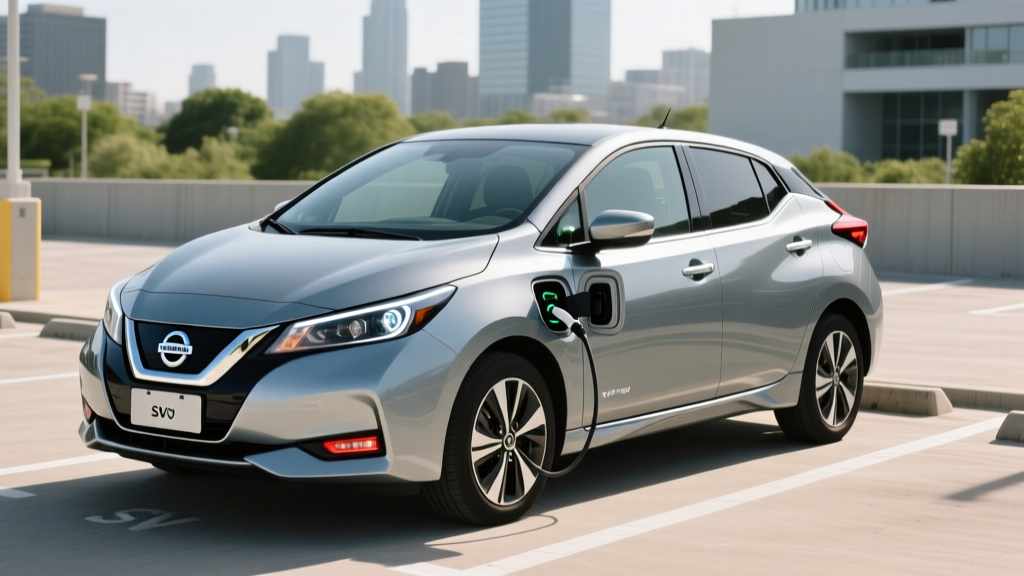
The 2020 Nissan Leaf SV occupies a specific niche in 2026's used-EV market: it's one of the most affordable ways to get into a proven electric vehicle with decent daily range, comfortable seating, and a hatchback's practicality. With an EPA-estimated 149 miles of range from its 40 kWh battery pack, the Leaf SV handles round-trip commutes of up to 60 miles with margin to spare — but it was never designed for road trips, and its CHAdeMO fast-charging connector limits your public-charging options as the industry has standardized on NACS and CCS.
If you're shopping the used market and can charge at home, the Leaf SV remains a solid value proposition — especially if you qualify for the federal used-EV tax credit. But go in with eyes open about its limitations.
Range, Efficiency, and Real-World Expectations
EPA Estimated: 149 miles (combined city/highway)
Real-World Expectation: ~120–140 miles in mixed driving; ~105–115 miles at sustained highway speeds (70+ mph); as low as ~90–100 miles in freezing weather with cabin heat
Battery Degradation Note: A 2020 Leaf in 2026 is 6 years old. Expect 5–12% capacity loss depending on climate and charging habits, further reducing effective range.
The 2020 Leaf SV uses a 40 kWh lithium-ion battery pack (NMC chemistry — nickel manganese cobalt), with approximately 38 kWh usable. Nissan quotes an EPA-estimated efficiency of 111 MPGe combined (118 city / 104 highway), which translates to roughly 30 kWh per 100 miles.
That city-biased efficiency rating reflects regenerative braking's advantage in stop-and-go traffic. On the highway, where regen provides little benefit and aerodynamic drag dominates, efficiency drops noticeably. In our experience with 40 kWh Leaf models, sustained 75 mph driving yields closer to 33–35 kWh/100 mi, cutting range to roughly 110 miles.
Cold weather compounds this. The Leaf's battery thermal management relies on passive air cooling rather than the active liquid cooling found in competitors like the Chevrolet Bolt or Tesla Model 3. Below freezing, expect 25–40% range reduction when using cabin heat and battery warmup. This is the Leaf's most significant engineering limitation for buyers in northern climates.
| Spec | Value |
|---|---|
| EPA Range | 149 miles |
| Battery (usable) | 40 kWh (38 kWh usable), NMC |
| Efficiency | 111 MPGe / 30 kWh/100 mi |
| Motor Output | 147 hp / 236 lb-ft torque |
| 0–60 mph | ~7.9 seconds |
| Drivetrain | FWD (single front motor) |
| Max DC Fast Charge | ~50 kW (CHAdeMO) |
| Level 2 Charge Rate | 6.6 kW (onboard charger) |
| Cargo Volume | 23.6 cu ft (rear seats up) / 30.0 cu ft (folded) |
| Original MSRP (SV trim) | $35,110 (before incentives) |
| Battery Warranty | 8 years / 100,000 miles (capacity) |
Charging: CHAdeMO, Speeds, and the Connector Problem
Charging is the 2020 Leaf SV's most significant pain point for buyers in 2026. Here's what you need to know:
| Level | Power / Rate | Miles Added Per Hour | Notes |
|---|---|---|---|
| Level 1 (120V) | ~1.4 kW | ~4–5 mi/hr | Emergency/trickle only; ~30+ hours for full charge |
| Level 2 (240V) | 6.6 kW | ~22–24 mi/hr | Full charge in ~6 hours; ideal for overnight home use |
| DC Fast (CHAdeMO) | ~50 kW peak | N/A (time-based) | 10–80% in ~40–45 min; CHAdeMO stations declining |
DC Fast Charging Reality: The Leaf SV maxes out at approximately 50 kW on CHAdeMO connectors. That was competitive in 2020, but today's mainstream EVs charge at 150–250+ kW on CCS or NACS connectors. A 10–80% charge takes roughly 40–45 minutes — and that's under ideal conditions. The Leaf's passive battery cooling means repeated fast-charge sessions in warm weather trigger "Rapidgate" — Nissan's thermal throttling that can cut charge speeds to 20–30 kW to protect the battery.
The CHAdeMO Problem: As of 2026, the U.S. charging infrastructure has overwhelmingly adopted CCS and Tesla's NACS as standards. Electrify America, the largest non-Tesla DC fast-charging network, stopped installing new CHAdeMO connectors after 2022. Many existing CHAdeMO stations are being retrofitted or decommissioned. If you rely on public fast charging, verify that CHAdeMO stations exist along your routes before buying. Source: Electrify America.
Home Charging: This is where the Leaf shines for the right buyer. The 6.6 kW onboard Level 2 charger is robust — plug in at 6 PM with a depleted battery, and you'll wake up fully charged by midnight. A standard 240V / 32A home charger (like a ChargePoint Home Flex or Wallbox Pulsar Plus) handles this easily. If you can charge at home every night and your daily driving stays under 80–90 miles, the CHAdeMO limitation matters far less.
Performance and Driving Dynamics
The 2020 Leaf SV pairs its 40 kWh battery with a single front-mounted AC synchronous motor producing 147 horsepower and 236 lb-ft of torque. That torque figure arrives instantly — a hallmark of electric drivetrains — giving the Leaf surprisingly punchy acceleration from stops and in city driving.
The 0–60 mph time of approximately 7.9 seconds won't thrill enthusiasts, but it's adequate for merging and passing. The front-wheel-drive layout and relatively soft suspension tuning prioritize comfort over sportiness. The Leaf is a competent, if uninspiring, highway cruiser.
e-Pedal and Regenerative Braking: The Leaf SV includes Nissan's e-Pedal feature, which provides strong regenerative braking — strong enough to bring the car to a complete stop in many situations. It's not true one-pedal driving (the car may creep at very low speeds), but it reduces brake-pedal use significantly in city traffic and extends range through energy recapture.
ProPILOT Assist: The SV trim includes Nissan's ProPILOT Assist, a SAE Level 2 driver-assistance system combining adaptive cruise control and lane-centering steering. It works well on marked highways but requires continuous driver attention and hands on the wheel. This is not autonomous driving — it's a highway convenience feature, and the driver remains fully responsible.
Interior, Cargo, and Daily Practicality
The Leaf SV's interior is functional but dated by 2026 standards. The SV trim includes:
- 8-inch touchscreen infotainment with Apple CarPlay and Android Auto
- Nissan Intelligent Key with push-button start
- Heated front seats and heated steering wheel (cold-weather package standard on SV)
- Automatic climate control
- 60/40 split-folding rear seats
Cargo space: 23.6 cubic feet behind the rear seats, expanding to 30.0 cubic feet with seats folded. That's competitive with compact hatchbacks and sufficient for weekly grocery runs, a couple of suitcases, or a stroller. The cargo area is somewhat shallow due to the battery pack beneath the floor.
Passenger room: Front legroom is a generous 42.1 inches; rear legroom is 33.5 inches — adequate for adults on shorter trips but tight for taller passengers on longer drives. The rear seat is best suited for children or occasional adult use.
Notable drawback: The infotainment system lacks wireless phone integration (CarPlay/Android Auto are wired only), and the instrument cluster uses a mix of analog and small digital displays that feel behind the times. There's no over-the-air update capability — the software you buy is the software you keep.
Pricing, Used Market Value, and Tax Credits
| Item | Amount |
|---|---|
| Original MSRP (SV, 40 kWh) | $35,110 |
| Typical Used Price (2026) | $12,000–$17,000 (varies by mileage, condition, region) |
| Federal Used EV Credit (IRC §25E) | Up to $4,000 or 30% of sale price (whichever is lower) |
| Example: Leaf SV at $14,000 | 30% = $4,000 credit → effective price ~$10,000 |
| Example: Leaf SV at $12,000 | 30% = $3,600 credit → effective price ~$8,400 |
Important tax credit details (IRS §25E — Previously Owned Clean Vehicle Credit):
- The credit equals 30% of the purchase price, capped at $4,000.
- The vehicle's sale price must be $25,000 or less to qualify.
- Buyer income caps apply: adjusted gross income must not exceed $75,000 (single), $112,500 (head of household), or $150,000 (joint filers).
- The vehicle must be at least 2 model years old — the 2020 Leaf qualifies in 2026.
- Must be purchased from a licensed dealer (private-party sales do not qualify).
- This credit is non-refundable — it can reduce your tax liability to zero but won't generate a refund beyond that. However, point-of-sale transfer is available through participating dealers.
Source: IRS §25E Used Clean Vehicle Credit.
Battery Warranty, Degradation, and Longevity
The 2020 Leaf SV's battery is covered by Nissan's lithium-ion battery capacity warranty: 8 years or 100,000 miles (whichever comes first), guaranteeing the battery retains at least 9 bars out of 12 on the dashboard capacity gauge (roughly 66.25% of original capacity).
For a 2020 model in 2026, that means 2 years of factory battery warranty remain (or until 100,000 miles). This is a critical factor in your purchase decision — verify the current mileage and capacity bar reading before buying.
Degradation reality: The Leaf's passively-cooled battery degrades faster than liquid-cooled competitors, especially in hot climates. Owners in Arizona, Texas, and similar regions have reported 15–20% capacity loss within 4–5 years, while those in temperate Pacific Northwest climates often see only 5–8% loss over the same period. Check the battery health bars on the dash: a 2020 Leaf showing 11 or 12 bars is in good shape; 9 or fewer bars signals significant degradation and may indicate warranty-claim territory.
The broader powertrain warranty (motor, inverter, reduction gear) covers 5 years / 60,000 miles — which has likely expired on most 2020 models by now.
Leaf SV vs. Key Used-EV Competitors
✅ Pros
- Low used-EV entry price (~$12K–$17K)
- Eligible for up to $4,000 federal used-EV credit
- Comfortable ride and quiet cabin for the class
- Strong 6.6 kW Level 2 home charging
- Proven, simple powertrain with wide service network
- Heated seats/steering wheel standard on SV
- ProPILOT Assist included
❌ Cons
- CHAdeMO connector — declining public infrastructure
- Only ~50 kW DC fast charging — slow by 2026 standards
- Passive battery cooling — worse degradation in heat, throttling in fast-charge
- 149-mile EPA range is limiting for anything beyond commuting
- Dated infotainment and interior design
- No active battery thermal management
- Rear seat legroom is tight for adults
2020 Chevrolet Bolt EV: The Bolt offers 259 miles of EPA range, CCS fast charging (55 kW standard, but more stations available), and a liquid-cooled battery that degrades more gracefully. Used prices are slightly higher ($14K–$19K), but the range and charging-infrastructure advantage is substantial. If your budget allows, the Bolt is the stronger all-around used EV.
2020 Hyundai Kona Electric: With 258 miles of EPA range and CCS charging, the Kona Electric is similarly superior for range and charging flexibility, though used prices run $16K–$21K.
The Leaf SV wins on: absolute lowest cost of entry, comfort for the price, and suitability as a dedicated commuter/second car with home charging.
Who Should Buy the 2020 Nissan Leaf SV?
- Your daily round-trip commute is under 70 miles
- You can install or already have Level 2 home charging
- You live in a temperate climate (minimal extreme heat or cold)
- You want the lowest possible cost of EV entry with federal credit
- This is a second car or dedicated commuter — not your only vehicle for road trips
- You value a comfortable, quiet ride over performance or cutting-edge tech
- You need 200+ miles of range or plan regular road trips
- You depend on public DC fast charging (CHAdeMO availability is shrinking)
- You live in an extremely hot climate (battery degradation risk)
- You need a spacious rear seat for adult passengers
Frequently Asked Questions
What is the real-world range of the 2020 Nissan Leaf SV?
The EPA estimates 149 miles combined, but real-world range typically falls between 120–140 miles in moderate weather with mixed driving. Highway-heavy driving at 70+ mph reduces this to roughly 105–115 miles. In freezing temperatures with cabin heat, expect as little as 90–100 miles. Battery degradation on a 6-year-old vehicle will further reduce these figures by 5–12% depending on history.
How fast does the 2020 Leaf SV charge?
At home on a 240V Level 2 charger, the Leaf SV charges at 6.6 kW — adding about 22–24 miles per hour and reaching a full charge in roughly 6 hours. On DC fast charging (CHAdeMO), it peaks at about 50 kW, taking approximately 40–45 minutes from 10–80%. However, thermal throttling can reduce speeds during repeated fast-charge sessions or in hot weather.
Does the 2020 Nissan Leaf SV qualify for any federal tax credit?
Not the new-vehicle §30D credit — it's a used vehicle. However, it qualifies for the IRC §25E Previously Owned Clean Vehicle Credit, which provides up to $4,000 (30% of the sale price, whichever is lower). Requirements include: sale price ≤$25,000, buyer income within caps ($75K single / $150K joint), purchase from a licensed dealer, and the vehicle being at least 2 model years old. Verify current rules at IRS.gov before purchasing.
Is the 2020 Leaf SV worth buying in 2026 vs. competitors?
It depends entirely on your use case. If you need an affordable commuter car with home charging and can accept 120-ish real-world miles of range, the Leaf SV at $8,400–$13,000 (after the used-EV credit) is one of the cheapest EVs available. If you need more range, faster charging, or CCS/NACS infrastructure access, the 2020 Chevrolet Bolt EV or Hyundai Kona Electric are stronger choices at slightly higher prices.
What's the biggest risk of buying a used 2020 Leaf?
Battery degradation due to the passive air-cooling system. Before purchasing, check the battery capacity bars on the dashboard (12 is perfect, 9 or below triggers warranty coverage). Avoid Leafs from hot-climate states with high mileage unless the battery health is verified. Also confirm that CHAdeMO charging stations are accessible in your area — the connector standard is being phased out across most U.S. networks. Source: fueleconomy.gov.
Can I tow with the 2020 Nissan Leaf SV?
No. Nissan does not rate the Leaf for towing, and the owner's manual advises against it. This is strictly a passenger-and-cargo commuter vehicle.