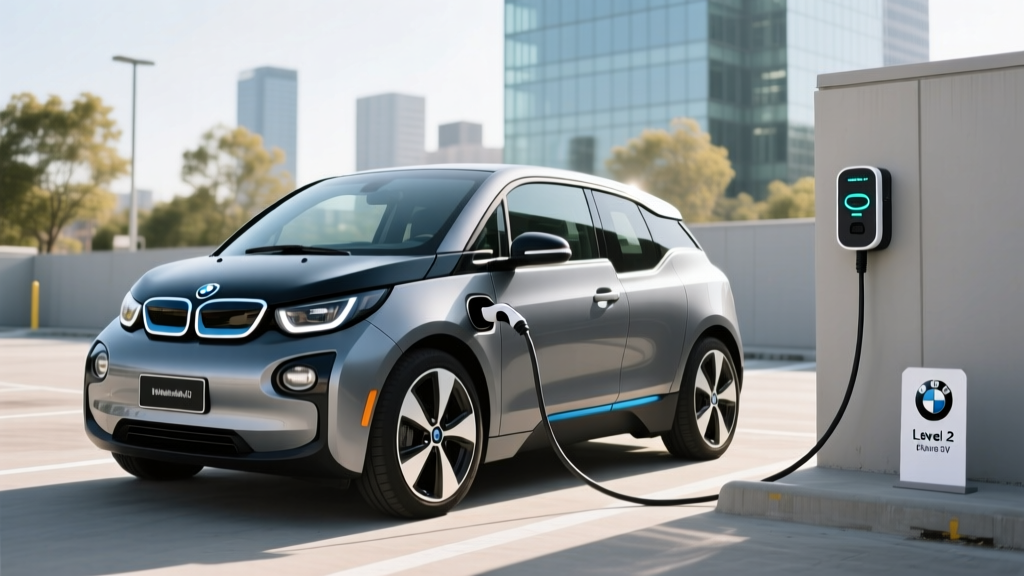
The 2019 BMW i3 occupies a strange space in the used EV market in 2026. It's a carbon-fiber city car with quirky coach doors, a recycled-material interior that still looks avant-garde, and — thanks to the 120 Ah battery upgrade that debuted for this model year — enough range to serve as a genuine daily driver. But with DC fast-charging speeds that lag far behind modern competitors and a cabin that prioritizes style over space, the i3 demands a buyer who understands exactly what they're signing up for.
This review breaks down the 2019 i3's real-world range, charging behavior, ownership economics, and whether BMW's most unconventional EV still makes sense on the used market today.
Quick Verdict: Who Should Buy a Used 2019 BMW i3?
The 2019 i3 is best suited for urban commuters who charge at home, value distinctive design, and rarely need to haul passengers or cargo long distances. It is not a road-trip car, a family hauler, or a fast-charging champion. If your daily commute is under 80 miles round-trip and you have Level 2 home charging, the i3's 153-mile EPA range provides comfortable buffer. If you need highway versatility or regular fast-charging stops, look at a used Chevrolet Bolt EV or Hyundai Kona Electric instead.
Spec Sheet: 2019 BMW i3 at a Glance
| Spec | Value |
|---|---|
| EPA Range (BEV) | 153 miles |
| EPA Range (REx w/ range extender) | 126 mi electric + 74 mi gas |
| Battery Capacity (gross / usable) | 42.2 kWh / ~37.9 kWh |
| Battery Chemistry | NMC (Nickel Manganese Cobalt) |
| Motor Output | 170 hp / 184 lb-ft torque |
| 0-60 mph | 6.9 seconds (BEV) |
| Drivetrain | Rear-wheel drive (single motor) |
| DC Fast Charge (peak) | 50 kW (CCS Combo 2) |
| 10-80% DC Charge Time | ~42 minutes |
| Level 2 Charge Rate | 7.4 kW (adds ~25 mi/hr) |
| EPA Efficiency | 131 MPGe / 25 kWh/100mi |
| Cargo Volume | 15.1 cu ft (rear seats up) |
| Battery Warranty (original) | 8 years / 100,000 miles |
| Original MSRP (BEV base) | $44,450 |
Real-World Range: What to Actually Expect
The jump from the older 94 Ah (33 kWh) i3 to the 120 Ah (42.2 kWh) version was substantial — a roughly 40% increase in usable capacity. For context, the pre-2019 i3 managed just 114 miles EPA. The 2019 model's 153 miles is enough for most commutes, but the narrow, tall tire setup (155/70R19) and lightweight carbon-fiber-reinforced plastic (CFRP) body mean the car is optimized for efficiency at low speeds, not high-speed highway cruising.
According to fueleconomy.gov, the 2019 i3 achieves 131 MPGe combined. In our experience, careful city driving can push efficiency to 22-23 kWh/100mi (closer to 145 MPGe), while aggressive highway driving pushes it to 30+ kWh/100mi.
Charging Speeds: The i3's Biggest Weakness in 2026
| Charging Level | Power (kW) | Speed (miles of range per hour) | Notes |
|---|---|---|---|
| Level 1 (120V household) | ~1.4 kW | ~5 mi/hr | Full charge in ~28 hours |
| Level 2 (240V, 32A) | 7.4 kW | ~25 mi/hr | Full charge in ~5.5 hours |
| DC Fast Charge (CCS) | 50 kW peak | ~150 mi/hr (peak) | 10-80% in ~42 min; tapers sharply above 80% |
The 50 kW DC fast-charging cap is the 2019 i3's most significant limitation for any buyer considering road trips. Modern EVs charge at 150-250+ kW; even the used Chevrolet Bolt EV manages 55 kW, and the Hyundai Kona Electric hits 75 kW. At 50 kW, the i3 takes roughly 42 minutes to go from 10% to 80% state of charge. That's not catastrophic for occasional trips, but it means you'll be spending considerably more time at charging stations than drivers of newer EVs.
The i3 uses a CCS Combo 2 connector (the European-style CCS, not the CCS1 common on most US-market EVs from that era, though US models were equipped with CCS1/SAE Combo). BMW's charging curve is relatively flat from 10-60%, then tapers progressively. Don't expect to charge above 85% on DC fast charging — the car's battery management system strongly discourages it, and speeds drop to single-digit kW above 90%.
At home on a Level 2 charger (240V, 32-amp circuit), the i3's 7.4 kW onboard charger delivers about 25 miles of range per hour. A full overnight charge is easily achievable, and most owners will plug in nightly and wake up to a full battery. This is the i3's ideal charging scenario.
Performance and Driving Dynamics
The 2019 i3 produces 170 horsepower and 184 lb-ft of instant electric torque from a single rear-mounted motor. The 0-60 mph sprint takes 6.9 seconds — not quick by modern EV standards (a Tesla Model 3 RWD does it in 5.8 seconds), but the i3 feels punchy around town thanks to its featherweight 2,959-lb curb weight. That's roughly 1,000 lbs lighter than most compact EVs, and it shows in the car's eagerness off the line and through corners.
The CFRP (carbon-fiber-reinforced plastic) passenger cell sits atop an aluminum chassis — a construction method BMW calls "LifeDrive." The result is a stiff, rattle-free structure with a low center of gravity. Steering is light but precise, and the tight 32.8-foot turning circle makes the i3 exceptional in urban environments.
The Range Extender (REx) variant adds a 647cc two-cylinder gasoline engine that acts solely as a generator, extending total range to approximately 200 miles combined (126 electric + 74 gasoline). The REx adds about 260 lbs and slightly reduces electric-only range, but it provides a safety net for drivers who occasionally need to exceed the battery's range. The trade-off: the REx is loud under load and requires gasoline maintenance (oil changes, fuel stabilizer if rarely used).
Interior, Cargo, and Practicality
The i3's interior is genuinely unlike anything else on the road. BMW used recycled and renewable materials extensively: eucalyptus wood dash trim, kenaf plant-fiber door panels, recycled PET bottle upholstery, and olive-leaf-tanned leather on higher trims. The aesthetic is Scandinavian-minimalist, and it has aged remarkably well.
Practicality is a different story:
- Cargo volume: 15.1 cu ft behind the rear seats — adequate for groceries but tight for luggage. Folding the rear seats opens up roughly 35 cu ft.
- Rear seat access: The i3 uses rear-hinged "coach doors" (suicide doors) with no B-pillar. This looks dramatic but requires the front door to be open before the rear door can open, making rear-seat access awkward in tight parking spaces.
- Rear legroom: 31.9 inches — tight for adults on anything beyond short trips.
- Front legroom: 41.3 inches — generous and comfortable.
- Frunk: None. The front compartment houses the power electronics and washer fluid reservoir.
Technology and Driver Assistance
The 2019 i3 runs BMW's iDrive 6.0 infotainment system on a 10.25-inch widescreen display. It supports wireless Apple CarPlay (a rarity for 2019), but Android Auto was not available until later model years. The system is responsive and logical, with a rotary controller and touchscreen input.
Driver-assistance features are basic by 2026 standards:
- Active Cruise Control with Stop & Go (optional)
- Driving Assistant Plus: lane departure warning, frontal collision warning, city braking function
- Park Distance Control (front and rear sensors)
- Rear-view camera (standard)
There is no lane-keeping assist, no semi-autonomous driving system, and no over-the-air software updates. The i3 is a Level 0/1 vehicle in SAE automation terms — it warns and can brake, but it does not steer or manage speed autonomously.
Pricing, Used Market Value, and Tax Credit Eligibility
The 2019 BMW i3 originally started at $44,450 for the BEV Mega World base trim, climbing to roughly $52,000 for a fully loaded REx in Deka World or Tera World trim. In the 2026 used market, expect to pay between $16,000 and $24,000 depending on mileage, condition, and battery health.
The critical question for used buyers: does the 2019 i3 qualify for the federal used-EV tax credit?
- Credit amount: 30% of the sale price, up to a maximum of $4,000
- Vehicle sale price must be $25,000 or less
- Vehicle must be at least 2 model years old (2019 qualifies in 2026)
- Buyer income caps: $75,000 single / $112,500 head of household / $150,000 joint (MAGI)
- Must purchase from a licensed dealer (private-party sales do not qualify)
- Credit is non-refundable but can be transferred to the dealer as a point-of-sale discount
- Vehicle must have a battery capacity of at least 7 kWh (the i3's 42.2 kWh qualifies)
If you find a 2019 i3 from a dealer at or below $25,000 and your income falls within the caps, you could receive up to $4,000 off at the point of sale. On a $20,000 example, that's 30% = $6,000 calculated, but the cap limits it to $4,000, bringing your effective cost to $16,000. That transforms the i3 into a remarkably affordable commuter EV.
Note: the new-vehicle §30D credit ($7,500) no longer applies to a 2019 purchase. The used-vehicle §25E credit is the relevant incentive.
Battery Health, Warranty, and Longevity
The 2019 i3's 42.2 kWh NMC battery is manufactured by Samsung SDI. BMW's original battery warranty covers 8 years or 100,000 miles against capacity loss below 70% of original capacity. For a 2019 model, that warranty expires in 2027 — meaning most 2019 i3s on the used market in 2026 still have some factory battery coverage remaining.
NMC batteries in the i3 have demonstrated moderate degradation in real-world use. Owner reports and data from Recurrent Auto suggest typical capacity loss of 8-14% over 5-6 years and 50,000-70,000 miles. That means a 2019 i3 with average mileage might have 130-140 miles of real-world range remaining — still adequate for commuting, but worth verifying with a battery health check (available through BMW dealers or OBD2 tools like BimmerCode).
Key battery care tips for used i3 buyers:
- Avoid routinely charging to 100% — the i3 has a substantial top buffer (~2 kWh), but daily charging to 80-90% prolongs NMC cell life.
- The i3 has active liquid thermal management, which helps preserve battery health in both hot and cold climates — a significant advantage over passively cooled EVs like the Nissan Leaf.
- If buying a REx variant, ensure the range-extender engine has been exercised periodically; stale fuel and unused engines can develop issues.
2019 BMW i3 vs. Key Used-EV Competitors
| Metric | 2019 BMW i3 (120 Ah) | 2019 Chevrolet Bolt EV | 2019 Hyundai Kona Electric |
|---|---|---|---|
| EPA Range | 153 mi | 238 mi | 258 mi |
| Battery (kWh) | 42.2 | 60 | 64 |
| DC Fast Charge | 50 kW | 55 kW | 75 kW |
| 0-60 mph | 6.9 sec | 6.5 sec | 7.6 sec |
| Cargo (cu ft) | 15.1 | 56.6 (seats folded) | 45.8 (seats folded) |
| Used Price Range (2026) | $16K-$24K | $14K-$20K | |
| Battery Cooling | Liquid (active) | Liquid (active) | Liquid (active) |
The Bolt EV and Kona Electric both offer significantly more range, more cargo space, and (in the Kona's case) faster DC charging. The i3's advantages are its unique design, lightweight agility, premium interior materials, and tight turning circle. It's a style and driving-experience choice rather than a spec-sheet winner.
- Lightweight, agile handling with tight turning circle
- Unique, sustainably built interior that stands out
- Liquid-cooled battery preserves long-term health
- Wireless Apple CarPlay standard
- Excellent city efficiency (up to 145 MPGe)
- Remaining factory battery warranty through 2027
- Strong visibility and easy parking
- Only 153 miles EPA range — limits road-trip utility
- 50 kW DC fast charging is painfully slow by 2026 standards
- Rear coach doors are impractical in tight spaces
- Tiny rear seat and limited cargo volume
- No Android Auto support
- No heat pump — significant winter range loss
- Narrow tires and tall body feel unstable in crosswinds
- Expensive OEM replacement tires
Frequently Asked Questions
What is the real-world range of the 2019 BMW i3?
EPA-rated at 153 miles, but expect 120-135 miles in highway driving and 140-155 in city use. Cold weather (below freezing) can reduce range by 20-35%, dropping to as low as 95-110 miles on winter highway trips. The i3 lacks a heat pump, so cabin heating is a significant energy draw.
How fast does the 2019 i3 charge?
DC fast charging peaks at 50 kW, taking approximately 42 minutes from 10-80%. At home on a Level 2 (240V) charger, the 7.4 kW onboard charger adds about 25 miles of range per hour, achieving a full charge in roughly 5.5 hours. Level 1 (120V) trickle charging takes over 28 hours for a full charge.
Does the 2019 BMW i3 qualify for any federal tax credit?
The new-vehicle §30D credit does not apply. However, the used-EV §25E credit offers up to $4,000 (30% of sale price, capped) if you buy from a licensed dealer at $25,000 or less, and your income is within IRS limits ($75K single / $150K joint). Verify current rules at irs.gov and consult a tax professional.
Is the 2019 BMW i3 worth buying in 2026?
It depends on your use case. As a city commuter with home charging, the i3 is charming, efficient, and affordable on the used market — especially with the $4,000 used-EV credit. For road trips, families, or buyers who need fast public charging, the Chevrolet Bolt EV or Hyundai Kona Electric offer more range and practicality at similar prices.
How long will the 2019 i3 battery last?
BMW's original warranty covers 8 years/100,000 miles (expiring 2027 for a 2019 model) against capacity loss below 70%. Real-world data shows NMC batteries in the i3 typically lose 8-14% capacity over 5-6 years. With proper care (avoiding routine 100% charges, leveraging the active thermal management), the battery should remain functional well beyond 150,000 miles. A full battery replacement, if needed, costs approximately $10,000-$14,000 at a BMW dealer.
Should I get the BEV or the Range Extender (REx)?
Choose the BEV if you have reliable home charging and your commute is under 100 miles round-trip — it's lighter, simpler, and avoids gasoline maintenance. Choose the REx if you occasionally need 200+ miles of range and lack access to fast charging along your route. The REx's two-cylinder engine is loud and adds maintenance complexity, but it eliminates range anxiety for occasional longer drives.