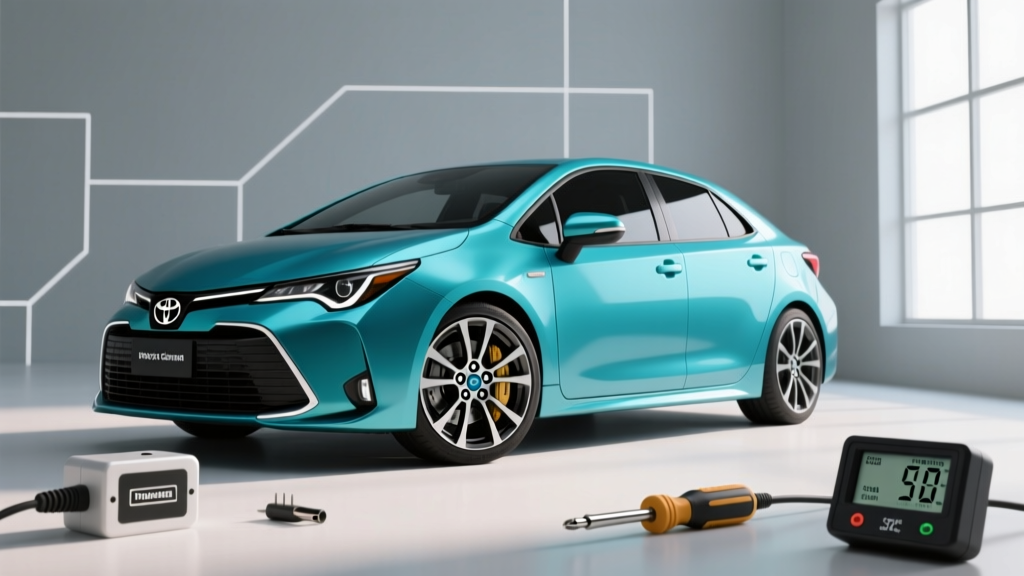
The 2016 Toyota Corolla remains one of the most popular compact sedans in the US, and its mechanical simplicity has made it a surprisingly common candidate for DIY electric-vehicle conversions and wheel-fitment upgrades. Whether you're planning to swap the factory 1.8L engine for an EV powertrain, fitting aftermarket wheels, or simply replacing a damaged rim, knowing the exact 2016 Toyota Corolla wheel bolt pattern is critical. This guide covers the precise specs, real-world fitment considerations, and what happens when you electrify a Corolla.
What Is the 2016 Toyota Corolla Wheel Bolt Pattern?
The 2016 Toyota Corolla uses a 5x100mm bolt pattern (also written as 5x3.94 inches). This means there are five lug holes arranged on a circle with a 100-millimeter diameter. This pattern is shared across many Toyota models and several other manufacturers, which makes sourcing compatible wheels relatively easy.
| Specification | Value |
|---|---|
| Bolt Pattern (PCD) | 5x100mm (5x3.94") |
| Center Bore | 54.1mm |
| Thread Size | M12 x 1.5 |
| Stock Wheel Sizes | 15" to 17" depending on trim |
| Stock Tire Sizes | 195/65R15 (L/LE), 205/55R16 (LE Plus), 215/45R17 (S/SE) |
| Offset Range (ET) | +38mm to +45mm (factory) |
| Recommended Torque | 76 lb-ft (103 Nm) |
These figures apply to all 2016 Corolla trims — L, LE, LE Plus, S, SE, and LE Eco. The bolt pattern does not change with trim level or optional packages. The 54.1mm center bore is particularly important: wheels with a larger bore can be fitted using hub-centric rings, but wheels with a smaller bore will not physically mount.
Why Bolt Pattern Matters for EV Conversions
The Corolla's lightweight chassis (roughly 2,850 lbs curb weight) and simple FWD layout make it attractive for budget EV conversions. Builders often pull the 1.8L 2ZR-FE engine and manual or CVT transmission, replacing them with an electric motor and battery pack. When you add 300-600 lbs of battery weight, wheel load capacity becomes a safety-critical concern.
Here's what matters when fitting wheels to an EV-converted 2016 Corolla:
- Weight rating: Stock 15" steel wheels are rated for roughly 1,100 lbs each. After a battery pack adds weight over the rear axle, verify aftermarket wheels meet or exceed OEM load ratings.
- Offset changes: Wider EV-conversion wheels may need different offsets to avoid rubbing on suspension components, especially if you've relocated components for battery mounting.
- Regenerative braking compatibility: EV conversions often use regenerative braking heavily. Ensure wheel studs and lug nuts are torqued to the factory 76 lb-ft spec, as regen can create repeated torque cycling on the hub assembly.
EV Conversion Specs: What a Corolla EV Build Looks Like
While there is no factory-electric 2016 Corolla (Toyota's Corolla Cross Hybrid and bZ4X are separate vehicles), the DIY EV conversion community has established reliable benchmarks for this platform. Below is a representative spec sheet based on popular conversion builds using NetGain Hyper9 or similar AC induction motors with repurposed battery packs.
| Spec | Typical Build Value |
|---|---|
| Battery Capacity | 22-30 kWh usable (NMC, salvaged modules) |
| Battery Chemistry | NMC (nickel manganese cobalt) — most common in salvaged packs |
| EPA-Equivalent Range | Not EPA-rated; estimated 70-100 mi combined |
| Real-World Range (City) | 80-100 miles (stop-and-go regen helps) |
| Real-World Range (Highway 70 mph) | 50-70 miles |
| Motor Output | 85-120 HP typical |
| 0-60 mph | 8.5-12 seconds (depending on pack voltage and motor) |
| Drivetrain | FWD (retained from stock) |
| DC Fast Charging | Rarely available; most builds are Level 2 only |
| Level 2 Charging (240V) | 3.3-6.6 kW onboard charger; 8-14 hours for full charge |
| Efficiency | ~28-35 kWh/100 mi (estimated) |
| Conversion Cost | $8,000-$18,000 (parts, excluding labor) |
Charging Realities for a Converted Corolla
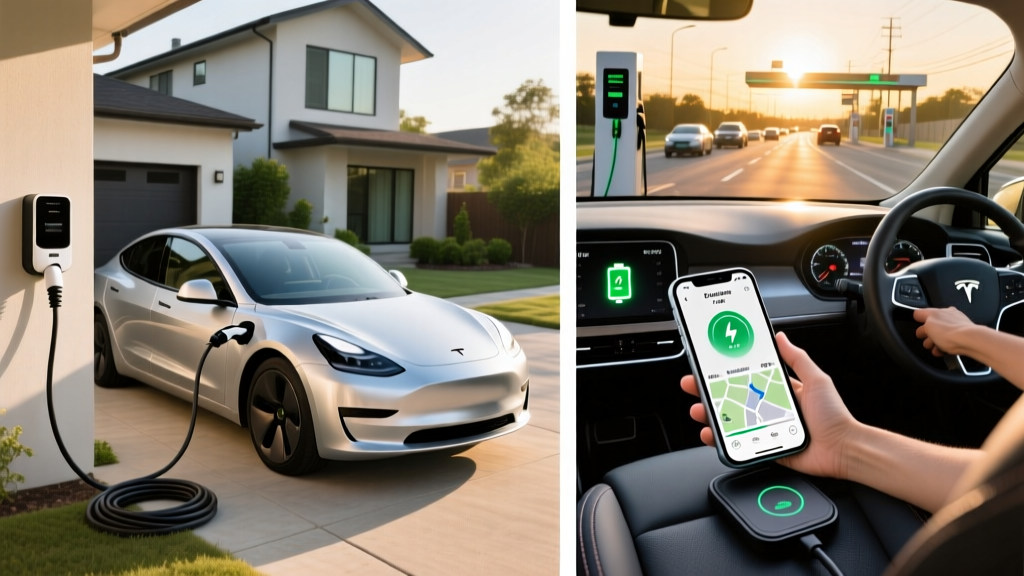
Most Corolla EV conversions use a basic onboard charger (3.3 kW or 6.6 kW) with a J1772 inlet. DC fast charging is extremely rare in DIY builds due to the cost and complexity of integrating CHAdeMO or CCS communication protocols. Expect to charge exclusively at home on a Level 2 circuit or at public Level 2 stations.
| Charging Level | Power (kW) | Time to Full | Miles Added per Hour |
|---|---|---|---|
| Level 1 (120V household) | 1.2-1.4 kW | 18-22 hours | ~4-5 mi/hr |
| Level 2 (240V, 16A) | 3.3 kW | 7-8 hours | ~11-13 mi/hr |
| Level 2 (240V, 32A) | 6.6 kW | 3.5-4 hours | ~22-26 mi/hr |
| DC Fast Charge | Not typically available | N/A | N/A |
Compatible Wheels and Fitment Options
The 5x100mm bolt pattern is shared by several Toyota, Subaru, and Volkswagen models, giving you a broad selection of OEM and aftermarket wheels. Here are verified compatible sources:
- Toyota: Prius (2010-2024), Corolla (2003-2024), Matrix, Yaris (select years)
- Subaru: Impreza (2008-2024), WRX (2008-2021), Crosstrek, Legacy (select)
- Volkswagen: Golf, Jetta, GTI (many years with 5x100 pattern — verify, as some use 5x112)
- Aftermarket: Enkei, Konig, and XXR all produce 5x100 wheels in 15"-18" sizes
When upgrading for an EV conversion, prioritize wheels rated for higher loads. A Corolla EV conversion typically adds 300-600 lbs over stock, pushing total vehicle weight to 3,200-3,500 lbs. Look for wheels rated at minimum 1,200 lbs per corner. Lighter wheels also help recover range — every pound of unsprung weight reduction improves efficiency by roughly 0.5-1% in real-world testing.
Pricing and Tax Credit Considerations
A 2016 Corolla EV conversion is a private project, not a manufacturer-certified vehicle, which has significant implications for incentives:
| Item | Estimated Cost |
|---|---|
| Used 2016 Corolla (donor car) | $6,000-$10,000 |
| Motor + controller kit | $2,500-$5,000 |
| Battery modules (salvaged) | $2,000-$5,000 |
| BMS, wiring, contactors | $800-$1,500 |
| Onboard charger + J1772 inlet | $600-$1,200 |
| Custom fabrication / adapter plate | $500-$2,000 |
| Wheels (if upgrading) | $400-$1,200 (set of 4) |
| Total (parts only) | $12,800-$25,900 |
Federal tax credit (§30D): DIY EV conversions do not qualify for the IRS §30D Clean Vehicle Credit. The credit applies only to new or certified pre-owned vehicles purchased from a licensed dealer that meet battery sourcing, MSRP, and buyer income requirements. However, some states offer separate incentives for EV conversions — check your state energy office for details.
Pros and Cons of a Corolla EV Conversion
Pros
- Extremely affordable entry into EV ownership ($13K-$26K total vs $35K+ for a new EV)
- Lightweight chassis means less battery needed for adequate city range
- 5x100 bolt pattern offers wide wheel/tire selection
- Simple FWD layout makes motor mounting straightforward
- Regenerative braking extends brake life significantly
- No oil changes, no emissions testing, minimal maintenance
Cons
- Range limited to 60-100 miles realistically — commuter-only vehicle
- No DC fast charging in most builds — overnight charging only
- No federal tax credit eligibility
- Insurance can be difficult and expensive to obtain for conversions
- Resale value is near zero — highly specialized market
- Safety systems (airbags, ABS) may be affected by powertrain removal
- Battery degradation from salvaged NMC packs is unpredictable
- No warranty on any component — you are the warranty
Who Should Consider a Corolla EV Conversion?
This build is best suited for:
- DIY enthusiasts who want hands-on EV experience without spending $30K+
- Short-distance commuters with a reliable home charging setup and a sub-40-mile round trip
- Students and hobbyists learning EV powertrain fundamentals on a forgiving platform
This build is not suited for:
- Anyone needing highway range, road-trip capability, or fast charging
- Families needing safety-certified vehicles with modern ADAS features
- Buyers expecting tax credits, warranty coverage, or easy insurance
If you need a practical, warrantied EV with genuine range, consider a used Chevrolet Bolt EV (EPA 259 miles, often available under $15K used) or a new Hyundai Kona Electric instead. These offer EPA-certified range, DC fast charging, full safety systems, and potential tax credit eligibility.
Frequently Asked Questions
What is the exact bolt pattern on a 2016 Toyota Corolla?
5x100mm (5 lug bolts on a 100mm circle). This applies to every trim: L, LE, LE Plus, S, SE, and LE Eco. The center bore is 54.1mm and lug thread size is M12 x 1.5.
Will Subaru WRX wheels fit a 2016 Corolla?
Yes — 2008-2021 WRX wheels use the same 5x100 bolt pattern and 56.1mm center bore. Because the Subaru bore is slightly larger (56.1mm vs 54.1mm), you'll need 56.1-to-54.1mm hub-centric rings for a vibration-free fit.
Can I put 5x114.3 wheels on my 2016 Corolla?
No. The 5x114.3 pattern (used on the Camry, RAV4, and many other vehicles) will not physically bolt onto the Corolla's 5x100 hubs. Do not attempt to use adapters for daily driving — they introduce unsafe stress on the hub and studs.
Does a 2016 Corolla EV conversion qualify for the federal tax credit?
No. The IRS §30D credit applies only to new or dealer-sold used vehicles meeting specific battery-sourcing, MSRP, and income requirements. Private conversions are ineligible. Check your state energy office for any local conversion incentives.
What torque spec should I use on the Corolla's lug nuts?
Toyota specifies 76 lb-ft (103 Nm) for the 2016 Corolla. This is especially important in an EV conversion, where regenerative braking creates repeated torque cycling on the hub. Re-torque after the first 50 miles and every 5,000 miles thereafter.
What is the real-world range of a Corolla EV conversion?
With a typical 22-30 kWh salvaged battery pack, expect 80-100 miles in city driving with regenerative braking, 50-70 miles at highway speeds, and a 20-35% reduction in cold weather (below 32°F). These conversions are strictly commuter-grade vehicles.