The Last Analog Polestar: Why the 2015 V60 Still Matters
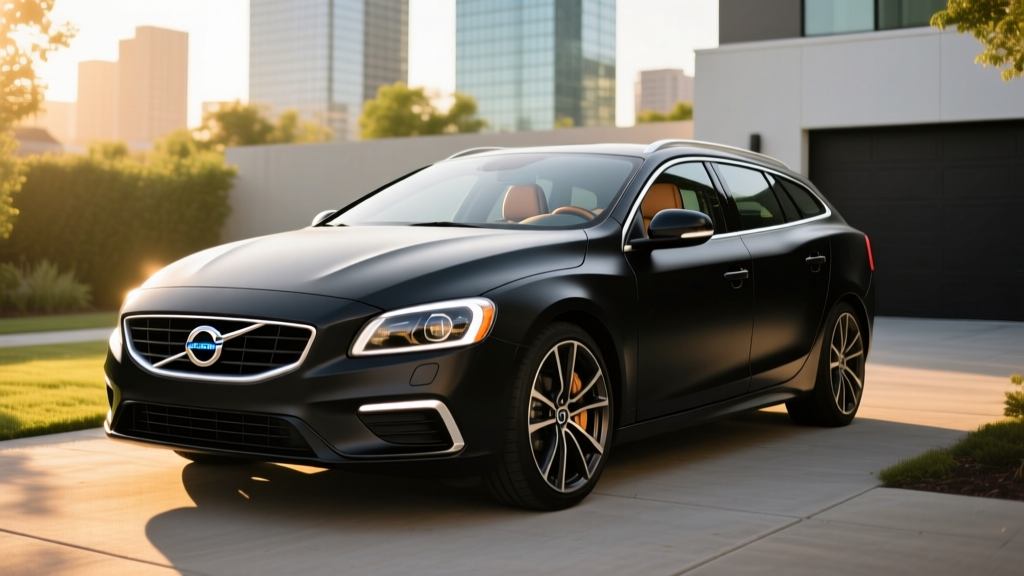
Before Polestar became Volvo's standalone electric performance brand, it was a motorsport partner tuning Volvo's most driver-focused machines. The 2015 Volvo V60 Polestar wagon represents the peak of that era — a limited-production, turbocharged inline-five sport wagon that blended Scandinavian utility with genuine track capability. For 2026 buyers hunting the used market, this car occupies a fascinating niche: analog thrills in a world that's rapidly going electric.
This guide covers everything a prospective buyer needs to know about the 2015 V60 Polestar, from its powertrain specs to real-world ownership costs, plus a clear-eyed look at how it stacks up against modern electric and hybrid alternatives.
Powertrain, Performance, and Drivetrain Specs
The 2015 V60 Polestar is powered by Volvo's legendary 2.5-liter turbocharged inline-five engine, tuned by Polestar to produce 345 horsepower and 369 lb-ft of torque. That power routes through a 6-speed automatic transmission to a Haldex-based all-wheel-drive (AWD) system with a mechanical limited-slip differential on the rear axle.
| Spec | Value |
|---|---|
| Engine | 2.5L turbocharged inline-5 (Polestar-tuned) |
| Horsepower | 345 hp @ 5,250 rpm |
| Torque | 369 lb-ft @ 3,000–4,750 rpm |
| Transmission | 6-speed automatic (Geartronic) |
| Drivetrain | AWD (Haldex Gen 5 + rear LSD) |
| 0–60 mph | 4.9 seconds |
| Top Speed | 155 mph (electronically limited) |
| Curb Weight | ~3,968 lbs |
The 4.9-second 0–60 time remains respectable in 2026, though modern dual-motor EVs like the Tesla Model 3 Performance (2.9 seconds) or Polestar 2 BST (4.0 seconds) have reset expectations for off-the-line acceleration. Where the V60 Polestar fights back is mid-range punch, exhaust note, and the mechanical engagement that no EV can replicate.
Fuel Economy and Real-World Efficiency
This is where the V60 Polestar shows its age relative to electrified alternatives. The EPA rates the 2015 V60 Polestar at 18 mpg city / 27 mpg highway / 21 mpg combined, per fueleconomy.gov.
For comparison, the 2026 Volvo V60 Recharge plug-in hybrid achieves an EPA-estimated 31 mpg combined (gas) and 74 MPGe (gas + electric), illustrating how far Volvo's wagon lineup has evolved in a decade.
Cargo, Interior Space, and Practicality
The V60 wagon body style is a key reason enthusiasts still seek this car. With the rear seats up, you get 28.0 cubic feet of cargo space behind the second row. Fold the 60/40 split rear seats flat, and capacity expands to approximately 57.5 cubic feet — enough for camping gear, a full set of track tires, or a week's worth of family luggage.
| Measurement | Front | Rear |
|---|---|---|
| Headroom | 38.7 in | 38.0 in |
| Legroom | 41.9 in | 33.5 in |
| Shoulder Room | 57.0 in | 56.1 in |
Rear legroom at 33.5 inches is the wagon's weakest practicality point — tight for tall adults on long trips. The center tunnel hump also makes the middle rear seat essentially unusable for anyone over child size. If rear-seat comfort is a priority, the current-generation V60 Recharge offers significantly more room.
The interior features Polestar-specific sport seats with blue contrast stitching, a sport steering wheel, aluminum inlay trim, and a Harman Kardon premium audio system. The infotainment system is Volvo's older Sensus interface — functional but dated compared to 2026 standards, with a small 7-inch display and no wireless Apple CarPlay or Android Auto.
Chassis, Brakes, and Standout Hardware
What separates the V60 Polestar from a standard V60 T5 or T6 is the chassis hardware. Polestar equipped this model with:
- Öhlins dual-flow valve dampers — manually adjustable, with 20 click settings for fine-tuning ride and handling
- Brembo front brakes — 6-piston calipers gripping 14.6-inch rotors
- 20-inch alloy wheels wrapped in 245/35R20 Michelin Pilot Super Sport tires (original equipment)
- Stiffer anti-roll bars and revised suspension bushings
- Polestar-specific exhaust with a distinctive inline-five growl
This hardware package gives the V60 Polestar genuine sports-car cornering ability in a wagon body. The Öhlins dampers are rebuildable and adjustable — a feature rarely seen at any price point and a major draw for track-day enthusiasts.
Safety, Driver Assists, and Technology
Volvo's safety reputation is well-earned, and the 2015 V60 Polestar includes the brand's City Safety low-speed automatic emergency braking, pedestrian detection, and lane departure warning. The IIHS rated the V60 a Top Safety Pick+ for the 2015 model year when equipped with optional front crash prevention.
However, by 2026 standards, the driver-assistance suite is basic. There is no adaptive cruise control with stop-and-go, no lane-centering assist, no blind-spot monitoring (on most builds), and no 360-degree camera. This is a SAE Level 0 vehicle — the driver performs all dynamic driving tasks with no sustained automation support.
| Feature | Status |
|---|---|
| Automatic Emergency Braking (City Safety) | Standard |
| Pedestrian Detection | Standard |
| Lane Departure Warning | Standard |
| Adaptive Cruise Control | Not available |
| Lane Centering / Steering Assist | Not available |
| Blind-Spot Monitoring | Not standard on most builds |
| Backup Camera | Standard |
Ownership Costs, Reliability, and Maintenance
The 2015 V60 Polestar was produced in extremely limited numbers — approximately 120 units were allocated to the United States for the 2015 model year. This scarcity keeps used values elevated. As of early 2026, well-maintained examples with 40,000–70,000 miles typically trade between $28,000 and $38,000 on the private-party and enthusiast market (Bring a Trailer, Cars & Bids).
| Category | Estimated Annual Cost |
|---|---|
| Insurance | $1,800–$2,400 |
| Fuel (12,000 mi/yr @ $4.00/gal premium) | $2,285 |
| Maintenance (oil, brakes, tires) | $1,200–$1,800 |
| Unexpected Repairs (age-related) | $500–$1,500 |
| Total Estimated Annual | $5,785–$7,985 |
The 2.5L inline-five is a proven, durable engine, but at 10+ years old, age-related maintenance is unavoidable. Common items include PCV system service, timing belt/chain inspection, Haldex AWD fluid changes (every 30,000 miles is critical), and suspension bushing replacement. The Brembo brakes are expensive to service — a full front rotor and pad set can cost $1,200–$1,500 at an independent shop.
Original MSRP was approximately $60,300 (including destination). There is no federal EV tax credit applicable to this vehicle, as it is a conventional gasoline car. The IRS §30D credit applies only to new qualified plug-in electric vehicles.
Who Should Buy the 2015 V60 Polestar in 2026?
- You want a rare, collectible sport wagon with analog driving engagement
- You value the inline-five engine sound and mechanical AWD feel
- You plan to keep it as an enthusiast vehicle or future classic
- You need wagon cargo space but refuse to drive an SUV
- You want low running costs and modern fuel efficiency
- You need current-generation driver-assist technology
- You want a warranty-backed, worry-free daily driver
- You prioritize rear-seat passenger comfort
2015 V60 Polestar vs. Electrified Alternatives
The most common cross-shopping question in 2026: should you buy this analog classic or a modern electric performance car? Here's how the numbers compare.
| Spec | 2015 Volvo V60 Polestar | 2026 Polestar 2 BST | 2026 Volvo V60 Recharge (PHEV) |
|---|---|---|---|
| Powertrain | 2.5L turbo I5, gas | Dual-motor EV | 2.0L turbo PHEV |
| Horsepower | 345 hp | 476 hp | 455 hp |
| 0–60 mph | 4.9 sec | 4.0 sec | 4.3 sec |
| Drivetrain | AWD (mechanical) | AWD (electric) | AWD (electric rear) |
| Range / Efficiency | 21 mpg combined | 276 mi EPA (est.) | 31 mpg / 41 mi electric |
| Cargo Space | 28.0 / 57.5 cu ft | 14.4 / 38.7 cu ft | 23.0 / 50.9 cu ft |
| Price (2026 market) | $28K–$38K (used) | ~$69,900 (new) | ~$58,350 (new) |
| Tax Credit | None | Up to $7,500 (§30D) | Up to $7,500 (§30D) |
| Driver Assists | SAE Level 0 | SAE Level 2 | SAE Level 2 |
The Polestar 2 BST delivers dramatically more power and modern tech, but it's a liftback — not a wagon — and cargo space suffers. The V60 Recharge plug-in hybrid is the spiritual successor: it offers 41 miles of electric-only range for daily commuting, 455 combined horsepower, and genuine wagon practicality. For buyers who want daily usability with lower running costs, the V60 Recharge is the rational choice. The 2015 V60 Polestar is the emotional one.
Pros, Cons, and Final Verdict
Pros
- Rare, collectible — only ~120 US examples
- Öhlins adjustable dampers (rebuildable)
- Brembo 6-piston front brakes
- Distinctive inline-five turbo sound
- Wagon cargo utility (57.5 cu ft max)
- Mechanical AWD engagement
- Strong enthusiast community and parts support
Cons
- Thirsty — 21 mpg combined, premium required
- Dated infotainment (no wireless CarPlay/Android Auto)
- No modern driver-assist features
- Tight rear legroom (33.5 in)
- Age-related maintenance costs rising
- No factory warranty remaining
- Expensive consumables (Brembo brakes, Öhlins service)
The verdict: The 2015 Volvo V60 Polestar wagon is not a rational daily-driver purchase in 2026. It's a collector-grade enthusiast machine that happens to have a cargo area. If you want a fast, practical Volvo wagon for daily use, the current V60 Recharge PHEV is objectively better in every measurable spec. But if you're chasing the last great analog Volvo — a car with character, rarity, and a turbo five-cylinder howl that electrification will never replicate — the 2015 V60 Polestar earns its place in a two-car garage.
Frequently Asked Questions
What is the real-world fuel economy of the 2015 V60 Polestar?
Expect 19–20 mpg combined in real-world mixed driving. The EPA sticker says 21 mpg combined, but aggressive driving, cold weather, and short trips push it to 16–18 mpg city. Highway cruising yields 24–26 mpg. Premium fuel (91+ octane) is required.
How fast is the 2015 V60 Polestar?
It hits 0–60 mph in 4.9 seconds with 345 horsepower from its turbocharged inline-five. That's quick by 2015 standards but trails modern EVs like the Polestar 2 BST (4.0 seconds) and Tesla Model 3 Performance (2.9 seconds).
Does the 2015 V60 Polestar qualify for any tax credits?
No. The IRS §30D federal EV tax credit applies only to new qualified plug-in electric vehicles meeting MSRP caps ($55,000 for sedans/wagons), buyer income limits, and battery-sourcing requirements. The 2015 V60 Polestar is a gasoline vehicle and does not qualify.
Is the 2015 V60 Polestar reliable?
The 2.5L inline-five engine is durable and well-proven. However, at 10+ years old, expect age-related maintenance: Haldex AWD fluid service, PCV system attention, suspension bushings, and potential Öhlins damper rebuilds. Budget $1,500–$2,500 annually for maintenance and unexpected repairs.
How many 2015 V60 Polestar wagons were made?
Approximately 120 units were allocated to the United States for the 2015 model year, making it one of the rarest modern Volvos. Global production was around 750 units across all markets.
Should I buy the 2015 V60 Polestar or a modern electric Volvo?
It depends on your priorities. For daily usability, efficiency, and warranty coverage, the 2026 V60 Recharge PHEV or Polestar 2 is the better choice. The 2015 V60 Polestar is an enthusiast collector car — buy it for character, rarity, and driving feel, not for cost efficiency or technology.