Quick Verdict: A Pioneer Showing Its Age
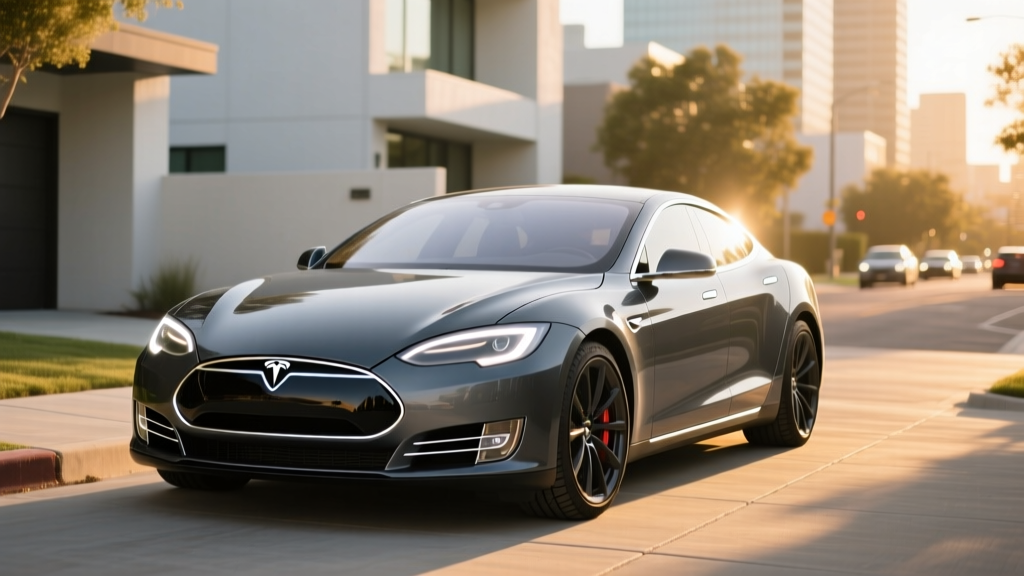
The 2015 Tesla Model S P85D was the car that made the world take electric performance seriously. With its dual-motor all-wheel-drive layout, 691 horsepower, and Ludicrous Mode launching it to 60 mph in roughly 3.2 seconds, it redefined what an EV could be. But evaluating this car in 2026 means looking past the nostalgia. A decade of battery degradation, outdated DC fast-charging speeds, and the absence of modern driver-assist hardware make the P85D a high-risk, high-reward proposition on the used market. It suits a buyer who wants a spacious, fast luxury EV at a steep discount and is prepared for potential battery replacement costs north of $15,000.
| Spec | 2015 Model S P85D |
|---|---|
| EPA Range | 253 miles |
| Battery Capacity | 85 kWh (NMC chemistry) |
| Drivetrain | Dual-motor AWD |
| Horsepower | 691 hp (combined) |
| 0–60 mph | 3.2 seconds (Insane); ~3.1s (Ludicrous via OTA) |
| Max DC Fast Charge | ~120 kW (Supercharger V2) |
| 10–80% DC Charge Time | ~40 minutes |
| Level 2 Home Charge | ~10 kW (29 mi/hr) |
| EPA Efficiency | 93 MPGe (36 kWh/100 mi) |
| Cargo Volume | 26.3 cu ft (rear); 5.3 cu ft (frunk) |
| Original MSRP | ~$104,500 (before incentives) |
| Typical 2026 Used Price | $22,000–$34,000 |
| Battery/Drive Unit Warranty | 8 yr / unlimited miles (expired) |
Range and Efficiency: Real-World Expectations in 2026
EPA Estimated Range: 253 miles (new)
Real-World Range Today: Expect 175–215 miles depending on battery health, ambient temperature, and driving style. Highway driving at 75 mph typically yields 180–200 miles on a healthy pack. In freezing temperatures (below 32°F), range can drop to 150–170 miles due to the lack of a heat pump — the P85D uses resistive cabin heating, which draws heavily from the traction battery.
The 85 kWh battery pack uses NMC (nickel manganese cobalt) chemistry, which offers high energy density but is more susceptible to calendar degradation than LFP. Most 2015 P85D packs have experienced 15–25% capacity loss after ten years, depending on charging habits and climate exposure. Cars that were routinely charged to 100% and stored in hot climates like Arizona or Texas show the worst degradation. Requesting a battery health report from Tesla or a third-party diagnostic tool like Tesla's Battery Health Test is essential before purchase.
Efficiency was rated at 93 MPGe combined by the EPA, translating to roughly 36 kWh per 100 miles. That was competitive in 2015 but trails modern EVs like the Lucid Air (131 MPGe) and even the current Model S Long Range (120 MPGe). The P85D's heavier weight and older inverter technology contribute to its lower efficiency.
Charging Speeds: Where the P85D Falls Behind
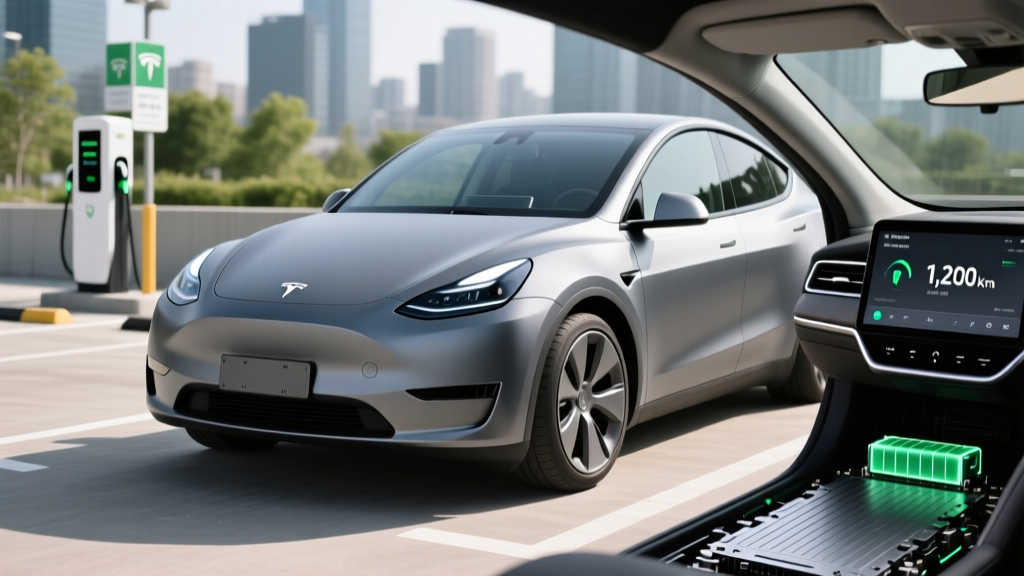
Charging is the P85D's most significant weakness compared to 2026 EVs. It supports Tesla's proprietary connector (pre-NACS standardization) and charges on V2 Superchargers at a peak rate of approximately 120 kW. That peak is only sustained at low state of charge — the charge curve tapers significantly above 60% SoC, meaning the final 20% takes nearly as long as the first 60%.
| Charging Level | Power | Speed | Notes |
|---|---|---|---|
| Level 1 (120V) | ~1.4 kW | ~3–4 mi/hr | Emergency use only |
| Level 2 (240V / 40A) | ~10 kW | ~29 mi/hr | Full charge in ~9 hours |
| DC Fast (V2 Supercharger) | ~120 kW peak | ~170 mi in 30 min | 10–80% in ~40 min |
| CHAdeMO Adapter | ~50 kW | ~80 mi in 30 min | Rare; adapter discontinued |
For context, a 2026 Model S Plaid charges at up to 250 kW on V3 Superchargers and hits 10–80% in roughly 20 minutes. The P85D's 40-minute 10–80% charge time makes road trips noticeably slower. Home Level 2 charging at 10 kW is adequate for overnight replenishment, but you'll need a NEMA 14-50 outlet or a Tesla Wall Connector installed by a licensed electrician — budget $800–$1,500 for installation depending on your panel capacity.
One practical note: the 2015 P85D uses Tesla's legacy proprietary connector, not the modern NACS (J3400) standard. While Tesla Superchargers still support these vehicles, access to third-party networks like Electrify America requires an adapter, and compatibility can be unreliable.
Performance and Driving Dynamics
The P85D's dual-motor setup produces 691 horsepower and delivers instant torque to all four wheels. The "Insane" mode 0–60 mph time of 3.2 seconds was supercar territory in 2015, and it still feels violently quick today. Cars that received the Ludicrous Mode firmware update (a $10,000 option at the time, later offered as a paid OTA upgrade) can hit 60 mph in approximately 3.1 seconds.
The air suspension provides a compliant ride and adjustable ride height, but ten-year-old air struts are a known failure point. Replacement costs $1,500–$2,500 per corner. The steering is precise but lacks the feedback of a Porsche Taycan or even the current Model S. Regenerative braking is strong and enables one-pedal driving in most scenarios, though the P85D lacks the more refined blending found in newer EVs.
The P85D came equipped with Tesla's first-generation Autopilot hardware (HW1), which includes a single forward-facing camera, radar, and ultrasonic sensors. This system supports basic lane-keeping and adaptive cruise control — a Level 2 SAE driver-assist system that requires full driver attention at all times. It is not self-driving and cannot navigate intersections, stoplights, or complex urban environments. HW1 cannot be upgraded to support Full Self-Driving (Supervised) or any modern Tesla Autopilot features.
Interior, Cargo, and Technology
The Model S cabin was spacious for its era, and it remains practical. Rear legroom measures 35.4 inches, and the sedan's hatchback-style trunk provides 26.3 cubic feet of cargo space — more than most midsize SUVs. The front trunk (frunk) adds 5.3 cubic feet, useful for charging cables or a small bag.
The 17-inch center touchscreen was groundbreaking in 2015 but feels sluggish by 2026 standards. The infotainment system runs an older version of Tesla's software and lacks features like the modern app store, Netflix streaming (while parked), and the refreshed UI found in current Teslas. Navigation and over-the-air updates still function, but the processor struggles with complex tasks. Bluetooth audio and basic phone connectivity work fine.
Notable tech drawbacks include the absence of wireless phone charging, USB-C ports (only USB-A), and the outdated MCU1 (Media Control Unit) which is prone to screen delamination and failure. Tesla offered an MCU2 upgrade program for $2,000, but availability is now limited. Buyers should verify whether the MCU has been replaced.
Pricing, Tax Credits, and Ownership Costs
The 2015 P85D originally carried an MSRP of approximately $104,500 before any incentives. In the 2026 used market, examples typically sell for $22,000 to $34,000 depending on mileage, battery health, and condition. Low-mileage cars with verified battery health above 80% command the top of that range.
| Cost Factor | Details |
|---|---|
| Original MSRP | ~$104,500 |
| 2026 Used Price Range | $22,000–$34,000 |
| Used EV Tax Credit (§25E) | Up to $4,000 (30% of sale price, max $4,000) for vehicles under $25,000 from a dealer |
| Eligible Price After Max Credit | As low as ~$18,000–$21,000 |
| Annual Insurance (est.) | $1,800–$2,800 |
| Annual Electricity Cost (12,000 mi) | ~$520–$780 (at $0.12–$0.18/kWh) |
Federal tax credit note: The 2015 P85D does not qualify for the new-vehicle §30D credit (which applies to new purchases only and has MSRP, income, and battery-sourcing requirements). However, it may qualify for the §25E Used Clean Vehicle Credit, which provides 30% of the sale price up to $4,000 — but only if the vehicle sells for $25,000 or less, is purchased from a licensed dealer, and the buyer meets income caps ($75,000 single / $150,000 joint). Vehicles priced above $25,000 are ineligible. Always confirm eligibility with a tax professional and review current IRS guidelines, as rules can change.
The original 8-year/unlimited-mile battery and drive unit warranty expired in 2023 for all 2015 models. This means any battery failure is an out-of-pocket expense. Tesla battery replacements for the 85 kWh pack currently cost $15,000–$22,000 including labor. Third-party repair shops can sometimes replace individual modules for $3,000–$7,000, but this is a temporary fix if the pack is broadly degraded.
Pros and Cons
Pros
- Supercar-level acceleration (3.2s 0–60) at a fraction of the original price
- Spacious hatchback cargo area (26.3 cu ft) plus frunk
- Access to Tesla Supercharger network (legacy connector)
- Air suspension with adjustable ride height
- Over-the-air updates still supported for core functions
- Potential §25E used EV credit (up to $4,000) if priced under $25K
Cons
- Significant battery degradation (15–25% typical); replacement costs $15K–$22K
- Slow DC fast charging (~120 kW peak, 40 min 10–80%)
- Outdated Autopilot HW1 — no upgrade path to modern FSD
- Resistive cabin heating causes major cold-weather range loss
- MCU1 screen prone to failure; upgrade availability limited
- Air suspension strut failures common at this age
- Original battery/drive unit warranty expired
Who Should Buy the 2015 Model S P85D?
The P85D makes sense for a specific buyer: someone who wants thrilling performance, generous cargo space, and Tesla's Supercharger network access at a bargain price — and who has the financial buffer for a potential battery replacement. It works as a commuter car for someone with home Level 2 charging and a round-trip commute under 150 miles. It's less suited for frequent road trippers (slow charging), cold-climate drivers (resistive heating devastates range), or buyers who want modern driver-assist features.
If your budget allows $35,000–$45,000, a 2018–2019 Model S Long Range offers significantly better battery health, faster charging, HW2.5 or HW3 Autopilot, and remaining warranty coverage. If you're cross-shopping non-Tesla options, a used 2021–2022 Porsche Taycan 4S offers better driving dynamics and build quality, though with less range and cargo space.
Frequently Asked Questions
What is the real-world range of a 2015 Model S P85D in 2026?
Expect 175–215 miles on a full charge depending on battery degradation state. Highway driving at 75 mph typically yields 180–200 miles on a pack retaining 80% health. In sub-freezing temperatures, plan for 150–170 miles due to resistive heating draw.
How fast does the P85D charge at home and on road trips?
At home on a 240V/40A Level 2 charger, it adds roughly 29 miles of range per hour, fully charging in about 9 hours. On V2 Superchargers, it peaks at ~120 kW and charges from 10–80% in approximately 40 minutes — significantly slower than modern EVs.
Does the 2015 Model S P85D qualify for any federal EV tax credit?
Not the new-vehicle §30D credit. It may qualify for the §25E Used Clean Vehicle Credit (up to $4,000) if the purchase price is $25,000 or less, bought from a licensed dealer, and the buyer's income is under $75,000 (single) or $150,000 (joint). Consult a tax professional for confirmation.
Is the 2015 P85D worth buying over a newer used EV?
It depends on risk tolerance. The P85D offers unmatched performance per dollar ($22K–$34K for a 691-hp AWD sedan), but the expired battery warranty and $15K–$22K replacement risk make it a gamble. A 2018+ Model S Long Range or a used Taycan is a safer bet if your budget allows.
What are the most expensive things that can go wrong?
Battery pack replacement ($15,000–$22,000), air suspension strut failure ($1,500–$2,500 per corner), drive unit replacement ($5,000–$8,000), and MCU1 screen failure ($2,000+ if upgrade is available). Budget $3,000–$5,000 annually for maintenance reserves.
Can the P85D use Tesla's latest Autopilot or Full Self-Driving?
No. The P85D has HW1 Autopilot, which supports only basic lane-keeping and adaptive cruise (SAE Level 2). It cannot be upgraded to HW3 or HW4, and it does not support FSD (Supervised), Navigate on Autopilot, or any current-generation driver-assist features.