Quick Verdict: A Pioneer That Still Has Niche Appeal
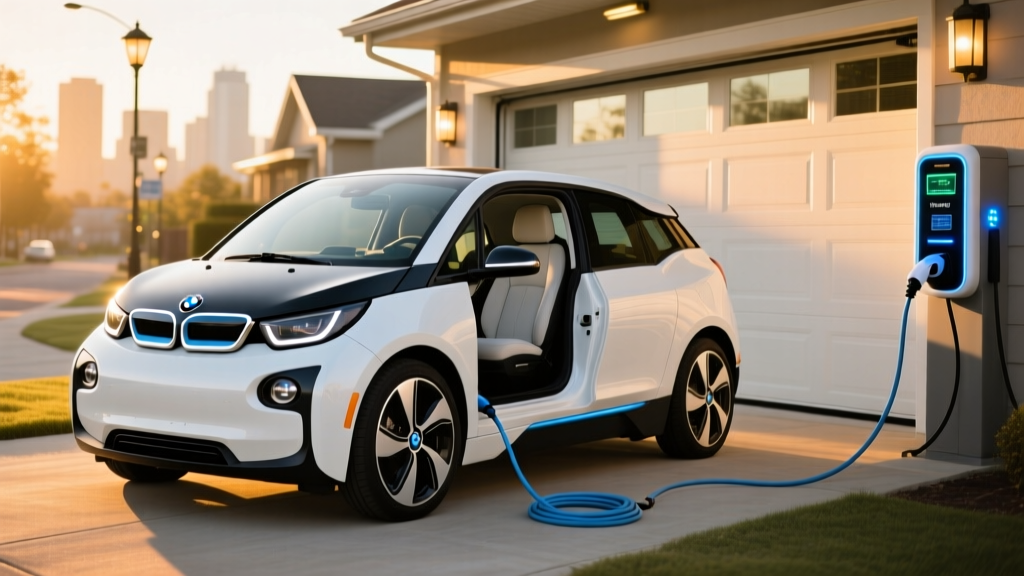
The 2015 BMW i3 REx (Range Extender) was one of the most innovative electrified vehicles of its era — a carbon-fiber city car with a tiny two-cylinder gasoline engine bolted on as a backup generator. In 2026, it's strictly a used-EV proposition, but it remains a compelling buy for urban commuters who want electric driving with an insurance policy against range anxiety. With its 19-kWh battery delivering roughly 72 miles of electric range (EPA) and the REx engine extending total range to around 150 miles, the i3 REx occupies a unique space between a pure BEV and a traditional PHEV.
But this car has real limitations by modern standards: slow DC fast charging by today's benchmarks, minimal highway comfort, and a battery that has likely degraded 15-30% over a decade of use. This review breaks down exactly what you're getting — and what to watch for — if you're considering a used 2015 i3 REx in 2026.
Range, Battery, and Efficiency: The Numbers That Matter
| Specification | 2015 BMW i3 REx |
|---|---|
| Battery Capacity (gross / usable) | 22 kWh gross / ~18.8 kWh usable |
| Battery Chemistry | NMC (Nickel Manganese Cobalt) — Samsung SDI cells |
| EPA Electric-Only Range | 72 miles |
| REx Total Range (electric + gas) | ~150 miles |
| EPA Efficiency (electric mode) | 117 MPGe combined (29 kWh/100 mi) |
| EPA Efficiency (gas mode) | 39 MPG combined |
| Gas Tank Capacity | 2.4 gallons |
| REx Engine | 0.65L 2-cylinder (34 HP generator) |
Real-World Range Reality Check
EPA sticker: 72 miles electric-only, ~150 miles total with REx.
Real-world expectation in 2026: With a decade of battery degradation, expect 50-60 miles of usable electric range on a full charge in moderate weather. Highway driving at 70+ mph will cut that to 40-50 miles. In cold weather (below 32°F), plan on 35-45 miles of electric range — the i3 lacks a heat pump and uses resistive cabin heating, which is a significant energy drain. The REx engine kicks in once the battery hits a low state of charge (around 6-7% SoC buffer), giving you roughly 75-80 additional miles on the 2.4-gallon tank.
The 2015 i3 REx was rated at 117 MPGe combined by the EPA in electric mode, which was excellent for its time. The 29 kWh/100 mi efficiency figure reflects the car's ultra-lightweight construction — the carbon-fiber-reinforced plastic (CFRP) passenger cell keeps curb weight around 3,000 lbs even with the REx hardware. That light weight is the i3's secret efficiency weapon.
The REx engine is a 647cc BMW motorcycle twin making 34 horsepower. It doesn't drive the wheels — it acts purely as a generator to maintain battery charge. On the highway with the REx running, you'll see about 39 MPG combined. The small 2.4-gallon tank means frequent fill-ups when running on gas, but it keeps weight down.
Charging Speed: The i3's Biggest 2026 Weakness
| Charging Level | Power / Rate | Time / Miles Added |
|---|---|---|
| Level 1 (120V household outlet) | ~1.4 kW | ~5 miles of range per hour; full charge in ~14-16 hours |
| Level 2 (240V, 32A) | 7.4 kW | ~25 miles of range per hour; full charge in ~3 hours |
| DC Fast Charge (CCS Combo 1) | 50 kW peak | 0-80% in ~30 minutes; tapers sharply above 80% |
The 2015 i3 uses the CCS1 (Combo 1) connector for DC fast charging. At 50 kW peak, it was respectable in 2015 but is painfully slow by 2026 standards, when most new EVs accept 150-350 kW. The i3's charge curve is relatively flat from 0-60% SoC, then tapers considerably from 80-100%. A 10-80% session takes approximately 25-30 minutes at a 50 kW station.
For daily driving, most i3 owners charge at home on Level 2. The onboard charger accepts up to 7.4 kW, which refills the ~19 kWh usable battery in about 2.5-3 hours. This is perfectly adequate for overnight or workplace charging. Level 1 charging from a standard 120V outlet is feasible given the small battery — you'll recover about 40-50 miles overnight — making the i3 one of the few EVs where Level 1 is a realistic daily strategy.
One important note: the 2015 i3 REx does not come with DC fast charging as standard equipment. It was a $750 option when new. Verify that any used example you're considering has the CCS port — some base models only have the J1772 Level 2 inlet. Without DCFC, highway road trips become impractical.
Performance and Drivetrain
| Metric | 2015 BMW i3 REx |
|---|---|
| Electric Motor Output | 170 HP / 184 lb-ft torque |
| Drivetrain | Rear-wheel drive (single-speed) |
| 0-60 mph | 7.8 seconds (REx; BEV is 7.0 sec) |
| Top Speed | 93 mph (electronically limited) |
| Curb Weight | ~3,070 lbs (REx) |
The i3 REx delivers its 170 horsepower through a single-speed transmission to the rear wheels. The instant torque from the electric motor makes the car feel quicker than its 7.8-second 0-60 time suggests — around town, it's genuinely punchy off the line. The REx version is about 0.8 seconds slower to 60 than the pure BEV i3 due to the added weight of the range-extender engine and fuel tank (roughly 170 lbs extra).
Where the i3 shines is low-speed urban agility. The tight 32.3-foot turning circle, tall seating position, and immediate throttle response make it one of the most maneuverable EVs ever built for city driving. The skinny 155/70R19 tires are optimized for low rolling resistance, not grip — this car was designed for efficiency, not cornering. Highway stability is acceptable but not confidence-inspiring; crosswinds and semi trucks require attention at 70+ mph, and the REx engine's drone when running is noticeable in the cabin.
Interior, Cargo, and Practicality
The i3's cabin is unlike any other BMW. Sustainable materials dominate — eucalyptus wood trim, recycled-plastic textiles, and kenaf-fiber door panels. The front seats are comfortable and upright, offering good visibility thanks to the tall roofline and thin A-pillars. Rear seats accommodate adults for short trips, but legroom is tight at 31.9 inches (rear) and the rear-hinged "coach doors" require the front doors to be open for rear-seat access — a genuine inconvenience in tight parking spots.
| Dimension | Measurement |
|---|---|
| Front Headroom | 39.6 inches |
| Front Legroom | 40.5 inches |
| Rear Headroom | 37.8 inches |
| Rear Legroom | 31.9 inches |
| Cargo Volume (behind rear seats) | 15.1 cu ft |
| Cargo Volume (rear seats folded) | 39.2 cu ft |
The 15.1 cubic feet of cargo space behind the rear seats is comparable to a small hatchback. Fold the rear seats and you get 39.2 cu ft — enough for a week's groceries or a couple of suitcases. The flat load floor and tall tailgate make loading easy. There is no frunk; the front compartment houses the motor and electronics.
Infotainment is handled by BMW's iDrive 4 system on a 6.5-inch display (10.25-inch was optional). It's dated by 2026 standards — no wireless CarPlay, no Android Auto, and the navigation maps are likely outdated. Bluetooth audio and phone connectivity work fine. The optional Technology + Driving Assistance package added a navigation system with real-time traffic and a rearview camera.
Pricing, Tax Credits, and Used Market Value
| Pricing | Amount |
|---|---|
| Original 2015 Base MSRP (i3 REx) | $45,200 (including destination) |
| Typical As-Tested Price (2015, with options) | $48,000 - $52,000 |
| 2026 Used Market Value (private party) | $8,000 - $14,000 depending on mileage and battery health |
| Federal Used EV Tax Credit (§25E) | Up to $4,000 (30% of sale price, capped) |
The 2015 i3 REx is firmly in budget-EV territory on the used market in 2026. Clean examples with 50,000-80,000 miles typically sell for $9,000-$12,000 in private-party transactions. Dealer prices may run $11,000-$14,000. The key price variable is battery health — a car with a verified State of Health (SoH) above 85% commands a premium.
Federal tax credit eligibility: The original $7,500 new-vehicle tax credit (§30D) is long expired for this model. However, the Used Clean Vehicle Credit (§25E) may apply. Per IRS guidelines, you can claim 30% of the purchase price up to $4,000 if:
- The vehicle is purchased from a licensed dealer (not a private party)
- The sale price is $25,000 or less (easily met here)
- Your adjusted gross income is below $75,000 (single) / $112,500 (head of household) / $150,000 (joint)
- The vehicle has at least 7,500 miles on the odometer
- You haven't claimed the used EV credit on the same VIN before
On a $12,000 dealer purchase, the §25E credit would be $3,600 (30% × $12,000), bringing your effective cost to $8,400. This makes the i3 REx one of the most affordable ways to get into an electrified vehicle in 2026. The credit is non-refundable — you need sufficient tax liability to claim it. Consult a tax professional for your specific situation.
Battery Health, Warranty, and Longevity Concerns
The 2015 i3 REx uses a 22 kWh gross (18.8 kWh usable) Samsung SDI NMC battery pack. BMW originally warranted the battery for 8 years or 100,000 miles against defects and capacity loss below 70% of original capacity. For a 2015 model, this factory warranty expired in 2023 at the latest.
Battery degradation on the i3 has been moderate but meaningful over 11 years. Real-world data from owner communities shows most 2015 i3 packs retaining 70-85% of original capacity (State of Health) depending on climate and charging habits. Cars in hot climates (Arizona, Texas, Southern California) that were frequently DC fast-charged tend to be on the lower end. You can check SoH through the iDrive hidden service menu or with an OBD2 reader and the BimmerCode or Carly app.
Battery replacement is the elephant in the room. A refurbished or new i3 battery pack costs between $4,000 and $7,000 installed at a BMW dealer in 2026, with independent shops sometimes offering module-level repairs for $2,000-$3,500. Given the car's $8,000-$14,000 market value, a full battery replacement rarely makes economic sense. Instead, budget for a car with strong SoH and plan around the degraded range.
Who Should Buy the 2015 BMW i3 REx?
Pros
- Ultra-efficient city EV with excellent low-speed acceleration
- Carbon-fiber construction — no rust concerns on the passenger cell
- REx engine eliminates range anxiety for longer trips
- Tight turning circle and compact size ideal for urban parking
- Very affordable entry price with potential $4,000 used EV tax credit
- Small battery means fast and cheap home charging
- Premium BMW build quality and unique sustainable interior
Cons
- Only 50-60 miles of real-world electric range after degradation
- 50 kW DC fast charging is very slow by 2026 standards
- Highway ride is noisy and unsettled; limited top speed
- Rear coach doors are impractical for car seats and tight spots
- Outdated infotainment with no Apple CarPlay or Android Auto
- Expensive battery replacement relative to vehicle value
- REx engine requires gas-car maintenance (oil, spark plugs, emissions)
- No active safety features (no AEB, lane-keep, or blind-spot monitoring)
Decision Framework
Choose the 2015 i3 REx if: You're a city commuter with home charging, your daily round-trip is under 40 miles, you occasionally need to drive 80-120 miles without charging access, and you want an affordable, fun-to-drive EV with premium build quality. The REx makes this viable as a sole vehicle for urban households.
Look elsewhere if: You regularly drive highway miles above 65 mph, need seating for more than two adults comfortably, want modern ADAS safety features, or expect 200+ miles of range. Consider a used Chevrolet Bolt EUV, Nissan Leaf Plus, or Hyundai Kona Electric instead for pure EV duty, or a used Chevrolet Volt for a more capable PHEV.
How It Compares to Key Used Alternatives
| Vehicle | Electric Range | DC Fast Charge | 2026 Used Price | Best For |
|---|---|---|---|---|
| 2015 BMW i3 REx | 72 mi (EPA new) | 50 kW | $8K-$14K | Urban commuting + backup range |
| 2017-2018 Chevy Volt (PHEV) | 53 mi (EPA) | N/A (no DCFC) | $10K-$16K | Mixed commute + road trips |
| 2017 Nissan Leaf (30 kWh) | 107 mi (EPA new) | 50 kW (CHAdeMO) | $7K-$11K | Budget pure-EV commuting |
| 2018 Hyundai Ioniq Electric | 124 mi (EPA new) | N/A (no DCFC option) | $10K-$14K | Efficiency-focused commuters |
The i3 REx's closest competitor is the second-generation Chevrolet Volt. The Volt offers more electric range (53 miles EPA), a smoother highway experience, and seating for five, but it lacks DC fast charging entirely and is a larger, heavier vehicle. The Volt's REx engine (a 1.5L four-cylinder) is far more refined and powerful than the i3's two-cylinder, making it better suited for extended highway driving.
If you don't need the range extender, a used Nissan Leaf or Hyundai Ioniq Electric offers more electric range for similar or less money — but you lose the gas backup entirely. The i3 REx is the right choice specifically when you want mostly-electric daily driving with occasional longer trips and cannot rely on public charging infrastructure.
Frequently Asked Questions
What is the real-world range of the 2015 BMW i3 REx?
When new, the EPA rated it at 72 miles electric-only and about 150 miles total with the range extender. In 2026, with typical battery degradation, expect 50-60 miles electric in moderate weather, dropping to 35-45 miles in freezing temperatures. The REx adds roughly 75-80 miles on its 2.4-gallon tank, for a total of about 125-140 miles on a full battery plus full tank.
How fast does the 2015 i3 REx charge?
On DC fast charge (CCS1, optional), it peaks at 50 kW, reaching 80% in about 25-30 minutes. On a 240V Level 2 home charger at 7.4 kW, a full charge takes roughly 2.5-3 hours. On a standard 120V outlet (Level 1), expect about 14-16 hours for a full charge — feasible for overnight top-ups given the small battery.
How much does a 2015 i3 REx cost after tax credits?
Used prices range from $8,000-$14,000 in 2026. If purchased from a licensed dealer for $25,000 or less, you may qualify for the federal Used Clean Vehicle Credit (§25E) of up to $4,000 (30% of sale price). On a $12,000 purchase, that's a $3,600 credit, bringing your effective cost to approximately $8,400. Income caps apply: $75K single / $150K joint. Consult a tax professional.
Does the 2015 BMW i3 REx qualify for any federal tax credit?
Not the $7,500 new-vehicle credit (§30D) — that's expired for this model. It may qualify for the §25E Used Clean Vehicle Credit of up to $4,000 when purchased from a dealer, subject to income limits and other IRS requirements. Private-party purchases do not qualify.
Is the 2015 i3 REx worth buying vs. competitors?
It depends on your use case. For city commuting under 40 miles daily with occasional longer trips, the i3 REx offers a unique combination of efficiency, premium build, and compact size at a very low price. If you need highway comfort, more seats, modern safety tech, or longer electric range, the Chevrolet Volt or a used Hyundai Kona Electric would serve you better. Always verify battery SoH before purchasing.
What maintenance does the REx engine require?
The range-extender is a gasoline engine and needs standard ICE maintenance: oil changes (every ~10,000 miles or when the maintenance light triggers), spark plug replacement, air filter, and fuel system care. BMW recommends running the REx periodically to keep the fuel fresh and engine lubricated. If you rarely drive beyond electric range, the fuel in the 2.4-gallon tank can go stale — use a fuel stabilizer or plan an occasional longer drive.
Can I check the battery health before buying?
Yes. The i3 stores battery State of Health (SoH) data accessible through the iDrive service menu (hold the trip reset button to access the hidden menu on some firmware versions) or via an OBD2 dongle with apps like BimmerCode or Carly. Look for SoH above 80% — below 75% means noticeably reduced range and potential future expense. A pre-purchase inspection at a BMW dealer can also pull this data officially.