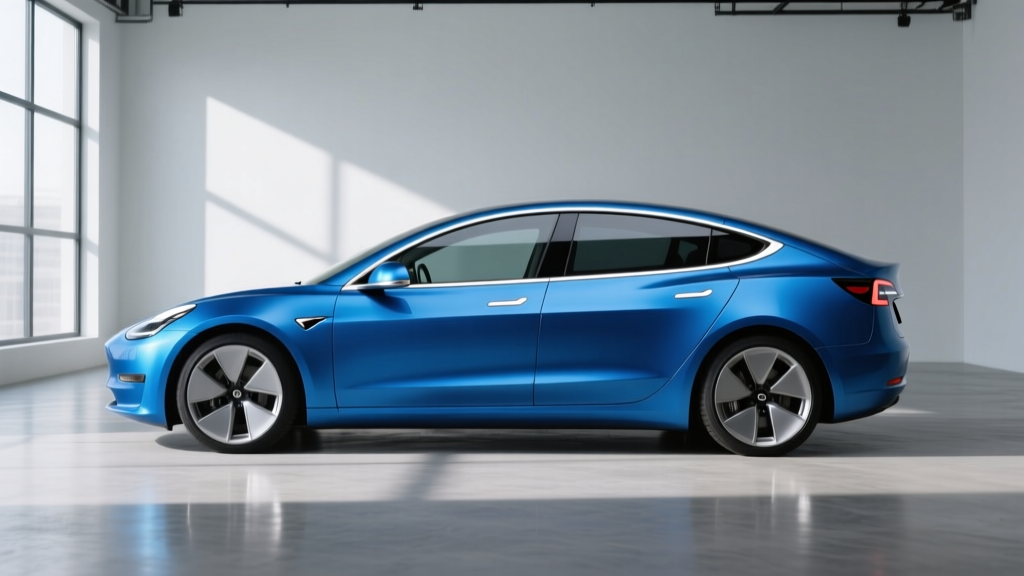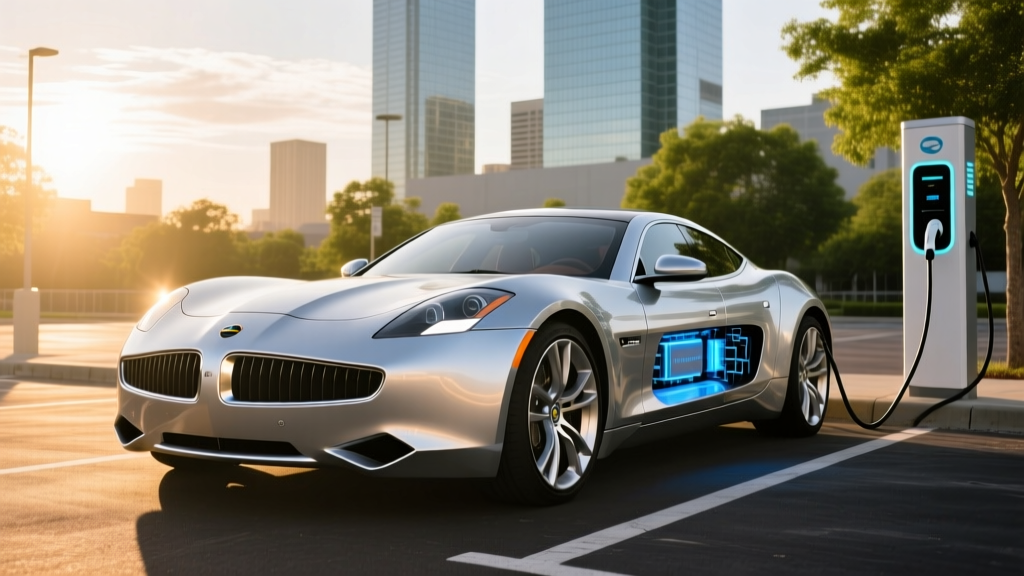
The 2012 Fisker car most buyers search for is the Fisker Karma — a plug-in hybrid (technically an extended-range electric vehicle, or EREV) that blended exotic styling with a series-hybrid drivetrain. Fisker Automotive ceased production in 2012 and filed for bankruptcy in 2013, so the Karma has been out of production for well over a decade. What follows is not a new-car review but a data-driven ownership profile for anyone evaluating a used 2012 Karma in 2026.
What the 2012 Fisker Karma Actually Is
The Karma uses a series-hybrid architecture Fisker called Q-Drive. Two rear-mounted electric motors drive the rear wheels, drawing energy from a floor-mounted lithium-ion battery. When the battery depletes to a buffer threshold, a 2.0-liter turbocharged GM Ecotec inline-4 spins a generator to produce electricity — it never mechanically drives the wheels. This makes the Karma an EREV, not a conventional parallel PHEV like the Toyota Prius Prime.
Only the Karma sedan was produced for the 2012 model year (the Karma S convertible and Surf wagon remained prototypes). Approximately 2,450 units were delivered to customers before production halted, making it a rare collector-adjacent vehicle today.
Spec Sheet: 2012 Fisker Karma at a Glance
| Spec | Value |
|---|---|
| Drivetrain | Rear-wheel drive (dual rear electric motors) |
| Combined output (EV mode) | 403 hp / 960 lb-ft torque |
| Range extender | 2.0L turbo I4 (GM Ecotec LNF), 260 hp generator |
| Battery capacity (gross / usable) | 20.1 kWh gross / ~18 kWh usable (A123 Systems, NMC pouch cells) |
| EPA all-electric range | 32 miles |
| EPA total range (EV + gas) | ~230 miles |
| EPA MPGe (charge-sustaining) | 52 MPGe (EV mode); 20 MPG combined (gas mode) |
| 0–60 mph | 5.8 seconds (Sport mode, full battery) |
| Top speed | 125 mph (electronically limited) |
| DC fast charging | None (no DCFC port) |
| Level 2 charge rate | 3.3 kW onboard charger |
| Level 2 time (0–100%) | ~6 hours |
| Length / Width / Height | 196.7" / 78.1" / 52.4" |
| Curb weight | 5,300 lbs |
| Cargo volume (trunk) | 6.9 cu ft |
| Seating | 4 passengers (2 rear bucket seats) |
| Original MSRP (base EcoStandard) | $96,850 (2012 dollars) |
| Original MSRP (EcoSport trim) | $102,850 (2012 dollars) |
Real-World Range vs. the EPA Sticker
Real-world expectation: 22–28 miles in mixed driving; as low as 18 miles at sustained 75+ mph highway speeds or in cold weather (below 40°F). Total range with the 9.5-gallon fuel tank averages ~200 miles in charge-sustaining mode.
The 32-mile EPA figure was measured on a fresh 2012 battery. By 2026, a 14-year-old A123 NMC pack will have degraded. Expect 15–25% capacity loss depending on storage conditions and cycle history, which translates to roughly 24–27 miles of usable EV range on a healthy used pack, and potentially less on neglected examples. The battery's thermal management system was rudimentary by modern standards — passive air cooling rather than liquid — accelerating degradation in hot climates.
In charge-sustaining (gas generator) mode, the Karma returns about 20 MPG combined per the EPA. Real-world highway cruising may yield 22–24 MPG, while aggressive driving or mountain grades can drop it into the mid-teens. With the 9.5-gallon tank, realistic total range before refueling sits around 180–220 miles.
Charging: No DC Fast Charging, Slow Level 2
| Level | Power | Full Charge Time | Miles Added per Hour |
|---|---|---|---|
| Level 1 (120V, 12A) | ~1.4 kW | ~14 hours | ~5 mi/hr |
| Level 2 (240V, 16A) | 3.3 kW (onboard limit) | ~6 hours | ~12 mi/hr |
| DC Fast Charge | N/A — no DCFC capability | N/A | N/A |
The Karma's 3.3 kW onboard charger is its biggest daily-ownership limitation by modern standards. A full recharge from empty takes roughly six hours on a Level 2 home station. There is no DC fast-charging port whatsoever — the car predates the CCS and CHAdeMO standards becoming widespread. This confines the Karma to overnight home charging and makes public fast-charging road trips impractical.
The SAE J1772 connector is used for Level 2 charging. Replacement charge-port doors and latch mechanisms have become scarce; used parts are the primary source. Owners should inspect the charge port for corrosion, a known issue on early-build cars stored outdoors.
Performance and Driving Dynamics
The Karma's dual rear electric motors produce a combined 403 horsepower and a massive 960 lb-ft of torque in Sport mode (full battery, generator assisting). The 0–60 mph time of 5.8 seconds feels quicker than the number suggests thanks to instant electric torque, but the car's 5,300-pound curb weight is always present through corners and under braking.
In Stealth (pure EV) mode, output drops to roughly 201 hp from battery alone — adequate for city driving but noticeably slower for highway merging. The transition from EV to range-extender mode is audible: the 2.0L Ecotec four-cylinder drones at a fixed RPM under load, lacking the refinement of modern EREV systems like the BMW i3 REx or Chevrolet Volt's Voltec.
Ride quality is firm but compliant, with double-wishbone front and multilink rear suspension. Steering is hydraulically assisted — heavy by modern electric-steering standards but communicative. The Karma was never a sports car despite its looks; it's a grand tourer best suited to relaxed cruising.
Interior, Tech, and Cargo
The Karma's cabin was striking for 2012: a curved "Floating" center console with haptic-touch controls, reclaimed wood trim (Diamond Dust on EcoSport), and eco-suede or leather seating. However, the tech stack has aged hard. The 10.2-inch infotainment screen lacks Apple CarPlay, Android Auto, Bluetooth audio streaming (Bluetooth was phone-only on many builds), and navigation map updates ceased years ago. Most owners run a phone mount with Waze or Apple Maps as a workaround.
Driver-assistance technology is essentially nonexistent by 2026 standards: no automatic emergency braking, no lane-keeping assist, no adaptive cruise control. You get rear parking sensors and a backup camera. This is SAE Level 0 — fully manual driving with no automation.
Practicality is the Karma's weakest point. The trunk holds just 6.9 cubic feet — enough for two carry-on bags and little else. Rear seats accommodate two adults in bucket-style seats, but the transmission tunnel hump and low roofline make ingress and egress difficult for taller passengers. Front legroom is generous at 42.3 inches, while rear legroom measures 33.5 inches — tight for adults on longer trips.
2026 Used Pricing and Tax Credit Reality
The 2012 Karma is no longer eligible for any federal new-vehicle EV tax credit (IRS §30D applies only to new purchases). Under the used clean vehicle credit (§25E), a buyer could theoretically claim up to $4,000 (30% of sale price, capped at $4,000) if all conditions are met:
- Sale price must be $25,000 or less
- Buyer AGI must not exceed $75,000 (single) / $150,000 (joint)
- Vehicle must be at least two model years old (met)
- Must be purchased from a licensed dealer (private-party sales excluded)
- Vehicle must have a battery capacity of at least 7 kWh (the Karma's 20.1 kWh qualifies)
In the current 2026 collector market, most Karma examples sell between $25,000 and $55,000 depending on condition, mileage, and battery health. Well-preserved EcoSport examples with documented battery replacement command $45,000–$60,000 at auction. At prices above $25,000, the used-EV credit is unavailable.
Source: IRS Used Clean Vehicle Credit (§25E).
Battery Health, Replacement, and Warranty Status
The Karma's 20.1 kWh A123 Systems NMC pouch-cell battery is the single largest ownership risk. A123 Systems itself filed for bankruptcy in 2012, complicating supply. Original battery packs were warrantied for 5 years/60,000 miles — long expired for every 2012 example.
Battery replacement options in 2026 are limited but available through specialist firms. A refurbished or rebuilt Karma pack typically costs $8,000–$15,000 installed, depending on cell sourcing and labor. Some owners have pursued custom repacks using modern NMC or LFP modules, though this requires engineering expertise and voids any remaining OEM compatibility.
Before purchasing any 2012 Karma, demand a battery state-of-health (SoH) report from a qualified Fisker specialist. Key metrics to check: usable capacity vs. original 18 kWh, cell voltage variance (should be under 0.1V across modules), and isolation resistance. A pack below 75% SoH will deliver under 24 miles of EV range and may trigger reduced-power warnings.
Who Should (and Shouldn't) Buy a 2012 Fisker Karma
If you need a usable daily-driver EREV or PHEV in 2026, consider the BMW 330e, Toyota Prius Prime, or Jeep Wrangler 4xe — all offer modern safety tech, active warranties, and reliable parts supply.
Pros and Cons
- Exotic, timelessly striking design (Henrik Fisker pen)
- Rare — ~2,450 built, appreciating collector interest
- Instant EV torque; 5.8s 0–60 is genuinely quick
- Series-hybrid architecture means no range anxiety with gas backup
- Solar panel roof contributes trickle-charge to 12V system
- No DC fast charging; 3.3 kW Level 2 is painfully slow by 2026
- Degraded 14-year-old battery; replacement costs $8K–$15K
- Parts scarcity — A123 Systems bankrupt, Fisker Automotive defunct
- 6.9 cu ft trunk, tight rear seats, poor practicality
- Zero modern driver-assist features (SAE Level 0)
- Outdated infotainment; no CarPlay/Android Auto
- Known recalls: coolant leak into battery (fire risk), hose clamp defects
Frequently Asked Questions
What is the real-world all-electric range of a 2012 Fisker Karma today?
On a healthy used battery, expect 22–28 miles in mixed driving. Degraded packs may deliver as little as 15–18 miles. Cold weather and sustained highway speeds further reduce range by 20–30%.
Does the 2012 Fisker Karma qualify for any federal tax credit in 2026?
Not the new-vehicle §30D credit. The used-EV credit (§25E) may apply if the dealer sale price is $25,000 or less and the buyer meets income caps — but most Karma examples now sell above that threshold. Consult a tax professional for eligibility.
How much does a battery replacement cost?
Between $8,000 and $15,000 installed through a specialist, depending on cell sourcing. There is no OEM replacement channel since Fisker Automotive ceased operations in 2013.
Is the 2012 Karma safe by modern standards?
NHTSA did not crash-test the Karma. It lacks AEB, lane assist, and blind-spot monitoring. Known recalls include a battery coolant leak that posed a fire risk — verify all recall work was completed before purchase.
Can I daily-drive a 2012 Fisker Karma?
You can, but it's not recommended. The slow charging, degraded range, scarce parts, and lack of safety technology make it impractical as a primary vehicle. Most owners treat it as a weekend/show car.