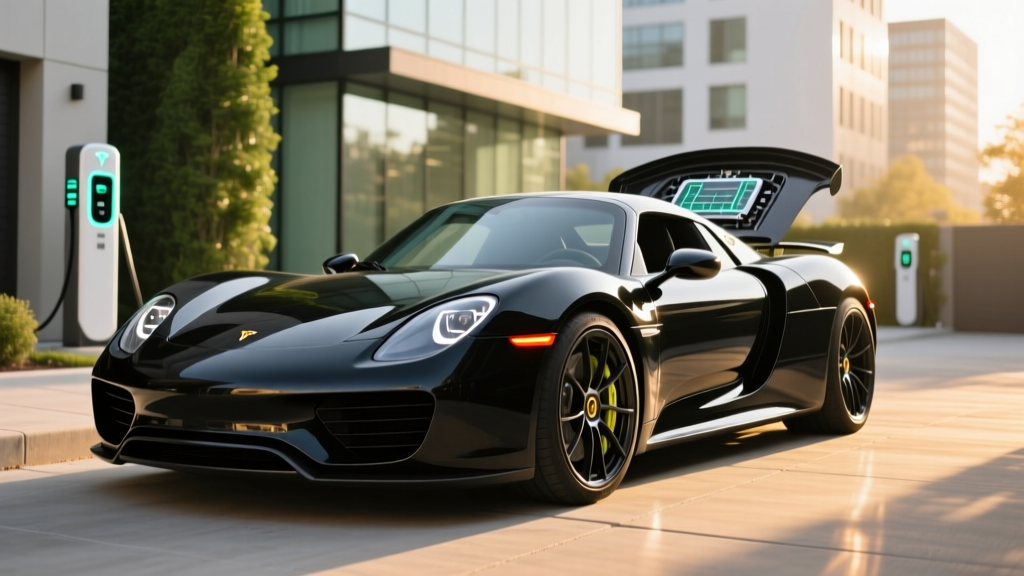
The 2011 Tesla Roadster Sport 2.5 is not a modern EV. It is a collector-grade, limited-production electric sports car that helped launch the battery-vehicle movement more than a decade before today's NACS/CCS charging wars. If you are researching this keyword in 2026, you are almost certainly evaluating a used example on the collector market — not cross-shopping it against a new Model Y or Ioniq 5. This review treats the Roadster 2.5 for what it is today: a niche, appreciating classic EV with very specific ownership realities around battery health, charging compatibility, and zero federal tax-credit eligibility.
2011 Tesla Roadster Sport 2.5 Quick Verdict
The Roadster 2.5 remains the most visceral first-generation Tesla you can still buy. The Sport variant adds a hand-wound motor producing 288 hp and a 0-60 mph time of 3.7 seconds — genuinely quick even by 2026 EV standards. But this is a 15-year-old, hand-built, Lotus-Elise-based EV with a 53 kWh battery pack that has aged through hundreds of charge cycles, no DC fast charging, no modern ADAS, and parts availability that depends heavily on Tesla's legacy-support willingness. Buy one because you want a piece of EV history, not because you need a daily driver.
| Spec | Value |
|---|---|
| EPA Range (original) | 244 miles |
| Battery Capacity | 53 kWh (usable ~48 kWh), NMC lithium-ion |
| Motor Output | 288 hp / 295 lb-ft torque (Sport) |
| 0-60 mph | 3.7 seconds |
| Top Speed | 125 mph (electronically limited) |
| Drivetrain | Rear-wheel drive, single-speed gearbox |
| DC Fast Charging | Not supported |
| AC Charge Rate (Level 2) | Up to ~16.8 kW (70A, 240V with HPWC) |
| Efficiency | ~135 MPGe / ~25 kWh/100mi (original) |
| Cargo Volume | ~4.0 cu ft (rear trunk) |
| Seating | 2 passengers |
| Original Base MSRP (2011) | ~$128,500 (Roadster 2.5 Sport) |
| 2026 Used Market Range | $120,000 – $220,000+ depending on mileage and battery SoH |
| Battery Warranty | Expired (originally 3 yr / 36,000 mi) |
Real-World Range vs. EPA Sticker
EPA sticker: 244 miles
Real-world expectation in 2026: 150–210 miles depending on battery State of Health (SoH), driving style, and ambient temperature.
The 244-mile EPA figure was measured when these cars were new. In 2026, every surviving Roadster 2.5 is running on a battery pack that is 14–15 years old. Lithium-ion NMC cells of this vintage typically retain 70–85% of original capacity depending on how they were stored and cycled — meaning usable energy may now be closer to 34–41 kWh rather than the original ~48 kWh usable.
Range outcomes in practice:
- Ideal conditions (70°F, city/suburban, 45–55 mph, healthy pack): 190–210 miles.
- Highway driving (70+ mph sustained, aerodynamic drag dominates): 150–175 miles.
- Cold weather (below 40°F, cabin heater load, no heat pump): 130–160 miles. The Roadster uses resistive cabin heat, which draws heavily from the traction battery.
The single most important pre-purchase check is the battery's State of Health percentage, readable through the Roadster's diagnostic screens or a Tesla Service Center pull. A sub-70% SoH pack dramatically changes the car's usability and resale value.
Charging: The Biggest 2026 Limitation
The Roadster 2.5 predates every modern charging standard. It has no CCS port, no NACS port, and critically, no DC fast charging capability at all. All charging is AC-only through Tesla's proprietary connector of that era (not the modern NACS connector used on 2012+ Model S and later vehicles).
| Level | Source | Power (kW) | Miles Added per Hour | Full 0–100% Time |
|---|---|---|---|---|
| Level 1 | 120V household outlet (12A) | ~1.4 kW | ~5 mi/hr | ~35+ hours |
| Level 2 (standard) | 240V / 32A J1772 + Tesla Roadster adapter | ~7.7 kW | ~29 mi/hr | ~7 hours |
| Level 2 (HPWC) | 240V / 70A Tesla High Power Wall Connector (legacy) | ~16.8 kW | ~62 mi/hr | ~3.5 hours |
| DC Fast | Not supported | 0 kW | N/A | N/A |
Practical implications for 2026 buyers:
- You cannot use any public DC fast charger (Electrify America, EVgo, Tesla Supercharger, Ionity). Road trips require multi-hour Level 2 stops or overnight planning.
- The Roadster's proprietary AC inlet is not the same as the post-2012 Tesla/NACS connector. Adapters exist on the secondary market for J1772-to-Roadster, but verify compatibility before purchase.
- The 70A High Power Wall Connector (HPWC) is a legacy Tesla product, discontinued years ago. Finding a working used unit is possible but not guaranteed, and a modern Tesla Wall Connector will not deliver the full 16.8 kW to a Roadster 2.5.
- For daily use, a dedicated 240V / 40–50A home circuit with the correct adapter is the realistic charging solution.
Performance: Still Quick by Any Measure
The Sport 2.5 variant was the final and most potent version of the original Roadster. Its hand-wound, liquid-cooled AC induction motor produces 288 horsepower and 295 lb-ft of torque, delivered instantly to the rear wheels through a single-speed gearbox. The 3.7-second 0-60 mph time holds up remarkably well — it matches or beats many 2026 performance EVs outside of the Plaid/Track-pack tier.
Driving character notes specific to the Roadster platform:
- Weight: ~2,888 lbs — dramatically lighter than any modern EV, giving it Lotus-Elise-level agility in corners.
- No torque vectoring, no traction-control sophistication by 2026 standards. This is a raw, analog-feeling EV.
- Regen braking is present but mild compared to modern one-pedal-driving systems; expect to use the friction brakes frequently.
- Noise, vibration, harshness: Minimal sound insulation, removable soft-top or optional hardtop, pronounced gear whine under acceleration. This is a sports car first, an EV second.
Interior, Tech, and Daily Usability
The Roadster's cabin is essentially a re-trimmed Lotus Elise interior with a Tesla-specific instrument cluster and a small central touchscreen. By 2026 standards, the tech stack is minimal:
- Infotainment: Basic 7-inch touchscreen with navigation (map data likely outdated unless updated via Tesla service), Bluetooth audio, no Apple CarPlay/Android Auto, no streaming.
- Driver assistance: None. No Autopilot, no adaptive cruise, no lane-keeping, no automatic emergency braking. This is an SAE Level 0 vehicle — you are the entire safety system.
- Climate: Resistive cabin heater, basic A/C. No heat pump, no preconditioning via app (some aftermarket/enthusiast solutions exist but are unsupported).
- Cargo: Approximately 4.0 cubic feet in the rear trunk — enough for a weekend bag, not a grocery run.
- Seating: Two fixed-back sport seats with minimal adjustment. Tall drivers (6'2"+) often report headroom and legroom compromises.
Pricing and Tax Credit Reality for 2026 Buyers
| Item | Amount |
|---|---|
| Original 2011 MSRP (Roadster 2.5 Sport) | ~$128,500 |
| 2026 Used Market (low mileage, high SoH) | $150,000 – $220,000+ |
| 2026 Used Market (higher mileage, degraded pack) | $110,000 – $145,000 |
| Federal §30D New EV Tax Credit | Not eligible (used, pre-2012, no longer in production) |
| Federal Used EV Credit (§25E) | Not eligible — credit caps at $4,000 or 30% of sale price for qualifying used EVs ≤$25,000; Roadster sale price far exceeds cap |
| State/Local Incentives | Vary by jurisdiction; most target new purchases |
Per IRS §25E rules, the used-EV tax credit requires the sale price to be $25,000 or less. The Roadster 2.5 Sport trades at five to eight times that threshold, making it categorically ineligible for any federal EV purchase incentive in 2026. Budget accordingly — you are paying full collector-market price with no tax offset.
Warranty and Battery Replacement Considerations
The original battery warranty was 3 years / 36,000 miles with a 70% capacity retention threshold. That warranty expired no later than 2014 for any 2011 model-year vehicle. In 2026, you are purchasing entirely as-is unless a third-party extended warranty is negotiated.
Battery replacement is the single largest ownership risk:
- Tesla no longer manufactures replacement Roadster battery packs as a standard service item.
- Some specialty shops and the Tesla Roadster community have developed third-party pack refurbishment and cell-replacement services, typically costing $20,000–$35,000 depending on scope.
- Tesla's own legacy support for Roadster battery service has historically been available on a case-by-case basis through service centers, but turnaround times and parts availability are unpredictable. Confirm current service status directly with Tesla before committing to a purchase.
The powertrain (motor, power electronics) is generally robust, but the liquid cooling system, A/C compressor, and 12V auxiliary system all require maintenance consistent with a 15-year-old vehicle.
Pros and Cons
Pros
- Historic significance — the EV that proved battery-electric performance was viable
- 3.7-second 0-60 mph and 2,888-lb curb weight deliver a raw, analog driving feel no modern EV replicates
- Appreciating collector asset — well-maintained examples have held or increased in value
- Original 244-mile EPA range was class-leading for 2011
- Limited production (~2,450 Roadsters total, all variants) supports long-term rarity value
Cons
- No DC fast charging — road trips require extensive Level 2 planning
- Battery SoH is the dominant value and usability variable; replacement is expensive and logistically complex
- Proprietary legacy AC charging connector — adapter dependency for public Level 2 use
- Zero driver-assistance features (SAE Level 0); no modern safety tech
- No federal tax credit eligibility under any current IRS program
- Lotus-sourced chassis parts (suspension, brakes, body panels) require specialist sourcing
- Cabin tech, comfort, and practicality far below any 2026 EV at a fraction of the price
Who Should Buy the 2011 Roadster Sport 2.5?
This car suits a narrow buyer profile:
- Collector / enthusiast: You want a foundational EV for a curated garage and understand you are buying history, not transportation.
- Weekend driver: You have a garage with 240V charging and plan 100–150 mile weekend loops, not daily commutes or road trips.
- Investment-minded buyer: You accept that low-production, historically significant EVs may continue appreciating, but you also accept illiquidity and maintenance cost.
This car does not suit:
- Daily commuters needing reliable range and fast public charging.
- Families (2 seats, minimal cargo, no rear seat, no modern safety systems).
- Buyers expecting Autopilot, Supercharger access, or over-the-air updates.
- Anyone seeking a federal or state EV purchase incentive.
Competitor Context: What Else Trades in This Range?
At $120,000–$220,000 on the 2026 collector market, the Roadster 2.5 Sport competes less with other EVs and more with analog-era sports cars and modern hyper-EVs:
- Lotus Elise / Exige (gas, same era): Shares the chassis DNA, far cheaper, but no EV significance.
- 2012–2015 Tesla Model S P85: More practical, Supercharger-compatible, but less rare and less visceral.
- Modern performance EVs (Model S Plaid, Taycan Turbo GT, Lucid Air Sapphire): Dramatically faster, full charging network access, modern safety — but zero collector cachet today.
What is the real-world range of the 2011 Tesla Roadster Sport 2.5 in 2026?
Expect 150–210 miles depending on battery State of Health, ambient temperature, and driving style. The original 244-mile EPA figure applies only to new-condition packs; 15-year-old NMC cells typically retain 70–85% of original capacity. Cold weather and sustained highway speeds push range toward the lower end of that band.
How fast does it charge at home and on the road?
There is no DC fast charging. At home on a 240V / 70A legacy Tesla HPWC, the Roadster can accept up to ~16.8 kW, adding roughly 62 miles of range per hour and filling the pack in about 3.5 hours. On a standard 240V / 32A Level 2 circuit, expect ~7.7 kW and a ~7-hour full charge. Public DC fast chargers (Superchargers, Electrify America, EVgo) are entirely incompatible.
How much does a 2011 Roadster Sport 2.5 cost in 2026?
Used-market pricing ranges from roughly $110,000 for higher-mileage or battery-degraded examples to $220,000+ for low-mileage, high-SoH, well-documented cars. Original MSRP was ~$128,500 in 2011. Prices are set by the collector market, not by Tesla.
Does the 2011 Tesla Roadster qualify for any federal EV tax credit?
No. The IRS §30D new-vehicle credit applies only to new qualifying vehicles, and the Roadster has not been in production since 2012. The §25E used-EV credit requires a sale price of $25,000 or less — far below the Roadster's market value. State incentives vary by jurisdiction; consult your state's energy or DMV agency for current programs.
Is it worth buying vs. a modern performance EV?
Only if your priority is collector value and historical significance rather than daily usability. A 2026 Model S Plaid or Taycan Turbo GT is faster, safer, charges in minutes on DC fast networks, and costs less than a top-tier Roadster 2.5. The Roadster's value proposition is rarity and provenance, not specs-per-dollar.
What is the biggest ownership risk?
Battery degradation and replacement cost. A pack replacement or refurbishment can cost $20,000–$35,000 through specialist shops, and Tesla's own legacy support is not guaranteed. Always verify battery State of Health before purchase and budget for a potential pack service within your first few years of ownership.