The 2010 Toyota Tundra Bolt Pattern: Exact Specs
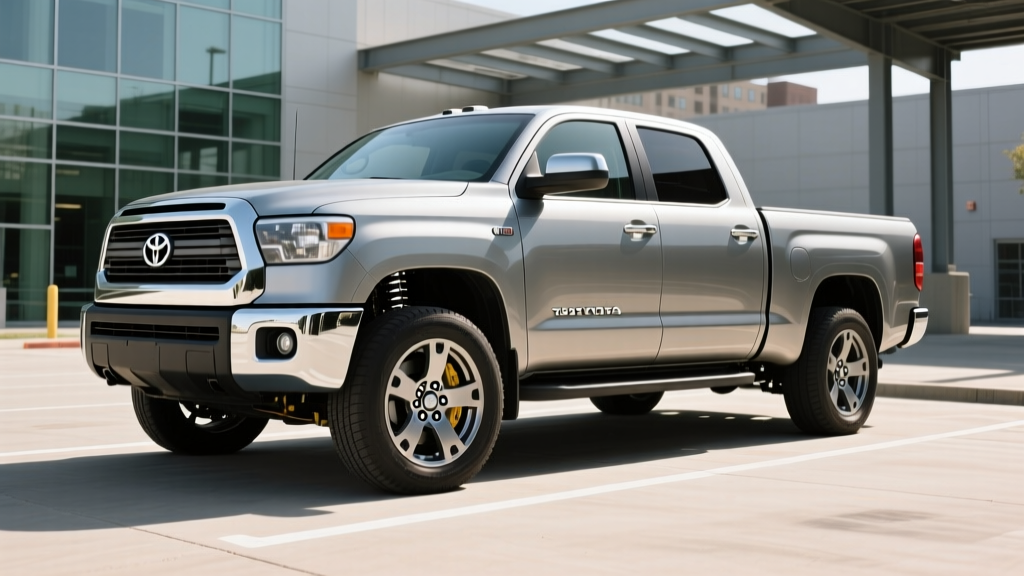
If you're researching the 2010 Toyota Tundra bolt pattern for a wheel upgrade, an EV conversion project, or simply to replace a damaged rim, precision matters. Get the lug pattern wrong and the wheel won't mount. Get the offset or hub bore wrong and you'll deal with vibration, bearing wear, or clearance issues with brake calipers. Here are the exact factory specifications for every 2010 Tundra trim.
| Specification | Value |
|---|---|
| Bolt Pattern (Lug Pattern) | 6 x 139.7 mm (6 x 5.5 inches) |
| Center Bore (Hub Bore) | 106.1 mm |
| Lug Nut Thread Size | M12 x 1.5 |
| Stock Wheel Sizes | 18" x 8.0" (SR/SR5), 20" x 8.0" (Limited/Platinum) |
| Typical Offset Range | +50 mm to +60 mm (stock) |
| Lug Nut Torque Spec | 83 lb-ft (113 Nm) |
The 6x139.7 mm pattern (often written as 6x5.5" in imperial) is shared across many Toyota and Lexus trucks and SUVs — including the 4Runner, Land Cruiser, Sequoia, and Tacoma (6-lug variants). This commonality is useful for sourcing used wheels or planning an EV drivetrain swap where you want to retain the original rolling stock.
Why Bolt Pattern Matters for EV Conversions
The 2010 Tundra has become a popular candidate for electric-vehicle conversions among DIY builders and shops specializing in truck electrification. The truck's body-on-frame construction, generous engine bay, and strong rear axle make it a practical donor chassis for dropping in an electric motor and battery pack. When planning an EV swap, wheel fitment becomes more critical than on a stock truck for several reasons:
- Increased weight: A battery pack (often 60–100 kWh for a usable 150–220 mile range in a heavy truck) can add 800–1,500 lbs over the original V8 powertrain. Wheels and hubs must handle the increased gross axle weight rating (GAWR). Stock 18" Tundra wheels are rated for the factory curb weight plus payload; verify load ratings with aftermarket wheels.
- Regenerative braking forces: High-torque regen (commonly 50–80 kW sustained) puts additional cyclic stress on lug studs and wheel hubs. Proper torque to the 83 lb-ft spec is non-negotiable.
- Brake clearance: Some EV conversions upgrade to larger brake rotors to handle the increased mass. Aftermarket wheels with different spoke profiles may or may not clear these larger calipers.
- Hub-centric vs. lug-centric: The 106.1 mm center bore is designed for hub-centric mounting. If you use wheels with a different bore, hub-centric rings (e.g., 106.1 mm to 73.1 mm) are essential to prevent vibration at highway speeds.
Compatible Wheels: What Fits the 6x139.7 Pattern
Because the 6x139.7 mm bolt pattern is shared across Toyota's truck lineup and several other manufacturers, you have options beyond OEM Tundra wheels:
| Make / Model | Years | Hub Bore |
|---|---|---|
| Toyota 4Runner | 2003–2026 | 106.1 mm |
| Toyota Sequoia | 2008–2022 | 106.1 mm |
| Toyota Land Cruiser (200 Series) | 2008–2021 | 110.1 mm (check ring) |
| Lexus LX 570 | 2008–2021 | 110.1 mm (check ring) |
| Toyota Tacoma (6-lug) | 2005–2023 | 106.1 mm |
| Nissan Frontier / Titan (some years) | Varies | 77.8 mm (different bore) |
Important: Even when the bolt pattern matches, the center bore and offset must be compatible. A wheel from a Nissan Titan, for example, shares the 6x139.7 pattern but has a smaller 77.8 mm hub bore — it will not physically fit over the Tundra's hub without machining, which is not recommended. Always confirm hub bore, offset, and load rating before purchasing.
EV Conversion Wheel & Tire Considerations
When converting a 2010 Tundra to electric power, your wheel and tire choices directly affect range, efficiency, and drivability. Here's how to think about it:
Rolling Resistance and Range
A stock 2010 Tundra with the 5.7L V8 achieved roughly 13 MPG city / 18 MPG highway per fueleconomy.gov. In an EV conversion, that aerodynamic drag and rolling resistance don't change — but the energy cost becomes far more visible. Switching from aggressive all-terrain tires to low-rolling-resistance (LRR) highway tires can improve converted EV range by 8–15%. For a conversion targeting 180 miles of range, that's the difference between making it to the next charger or not.
Wheel Weight and Unsprung Mass
Lighter wheels reduce unsprung mass, improving ride quality and slightly reducing the energy needed to accelerate and brake. Forged aluminum wheels in the 18" size can save 5–8 lbs per corner over stock cast wheels. In an EV conversion where every watt-hour counts, this is a meaningful optimization.
Load Rating
With a battery pack adding significant weight, ensure your wheels carry an adequate load rating. The stock 2010 Tundra has a GVWR of approximately 6,800–7,200 lbs depending on trim and configuration. If your EV conversion pushes curb weight above 6,000 lbs, look for wheels rated at minimum 1,750 lbs each (7,000 lbs total axle capacity) to maintain a safety margin.
Torque Specs and Maintenance for EV-Converted Tundras
Whether your 2010 Tundra is stock or converted to electric, proper lug nut maintenance is critical:
- Initial torque: 83 lb-ft (113 Nm) in a star pattern using a calibrated torque wrench.
- Re-torque after 50 miles: New wheels or freshly removed wheels should be re-torqued after the first 50 miles of driving.
- EV-specific note: The instant torque of an electric motor (often 400–600 lb-ft at zero RPM in conversions using motors like the NetGain Hyper9 or Tesla large drive unit) places higher shock loads on drivetrain and wheel hardware. Re-torque intervals of every 5,000 miles are prudent rather than the typical 10,000–15,000 mile interval.
- Lug nut type: The 2010 Tundra uses acorn-style (conical seat, 60°) lug nuts. Using the wrong seat type (e.g., mag or ball seat) will not clamp properly and is a safety hazard.
EV Conversion Feasibility: Is a 2010 Tundra a Good Donor?
Before committing to a 2010 Tundra EV build, understand what you're signing up for compared to buying a factory electric truck:
| Factor | 2010 Tundra EV Conversion | 2026 Ford F-150 Lightning (base) |
|---|---|---|
| Estimated Total Cost | $30,000–$60,000 (donor + parts + labor) | ~$55,000 MSRP (before credits) |
| Expected Range | 120–200 miles (depending on pack size) | 240 miles EPA (std range) / 320 miles (ext range) |
| DC Fast Charging | Rare (most DIY conversions lack CCS/NACS) | Up to 150 kW, 10–80% in ~41 min |
| Warranty | None (DIY) or limited (shop conversion) | 3 yr/36k mi basic, 8 yr/100k mi battery |
| Federal Tax Credit (§30D) | Not eligible (conversion) | Up to $7,500 if sourcing/income rules met |
| Safety Systems | Stock 2010 (no AEB, basic ABS) | Ford Co-Pilot360, AEB, lane-keep |
A conversion makes sense if you want a unique project vehicle, need a specific truck configuration that factory EVs don't offer, or enjoy the engineering challenge. It does not make sense as a cost-saving measure versus a production EV truck in 2026, especially when factoring in the federal §30D tax credit available on qualifying new EVs.
Frequently Asked Questions
What is the bolt pattern on a 2010 Toyota Tundra?
The 2010 Toyota Tundra uses a 6x139.7 mm bolt pattern, also expressed as 6x5.5 inches. It has 6 lug nuts arranged on a 139.7 mm (5.5") bolt circle diameter.
Will 2026 Tundra wheels fit a 2010 Tundra?
The 2022+ third-generation Tundra switched to a different bolt pattern (6x139.7 mm retained on some trims, but hub bore and offset may differ). Always verify center bore (106.1 mm on 2010) and offset before swapping across generations. Physical bolt-on is possible in many cases, but clearance and load rating must be confirmed.
Can I use wheel spacers on a 2010 Tundra for an EV conversion?
Hub-centric spacers (106.1 mm bore) up to 25 mm are commonly used to accommodate wider tires or clear aftermarket brake setups. Use only high-quality billet aluminum spacers with integrated studs, and re-torque after 50 miles. Spacers change the scrub radius and increase bearing load — factor this into your conversion's weight and suspension planning.
What size are the stock lug nuts on a 2010 Tundra?
M12 x 1.5 thread pitch, 60° conical (acorn) seat. Torque to 83 lb-ft. Do not use impact wrenches for final tightening — always finish with a calibrated torque wrench.
Is the 2010 Tundra a good truck for an electric conversion?
It's a viable donor due to its body-on-frame design, strong axles, and ample engine bay space. However, the truck's heavy curb weight (~5,500 lbs stock) means you'll need a large (and expensive) battery pack to achieve meaningful range. Most conversions target 120–200 miles with 60–100 kWh packs. Compare total build cost against a factory EV truck before committing.
Sources: fueleconomy.gov for stock Tundra efficiency data; irs.gov for §30D clean vehicle credit rules. Always verify wheel fitment with the wheel manufacturer and a qualified mechanic before purchasing or installing.