The Battle of the Aero-Sedans: A How-To Guide on EV Efficiency
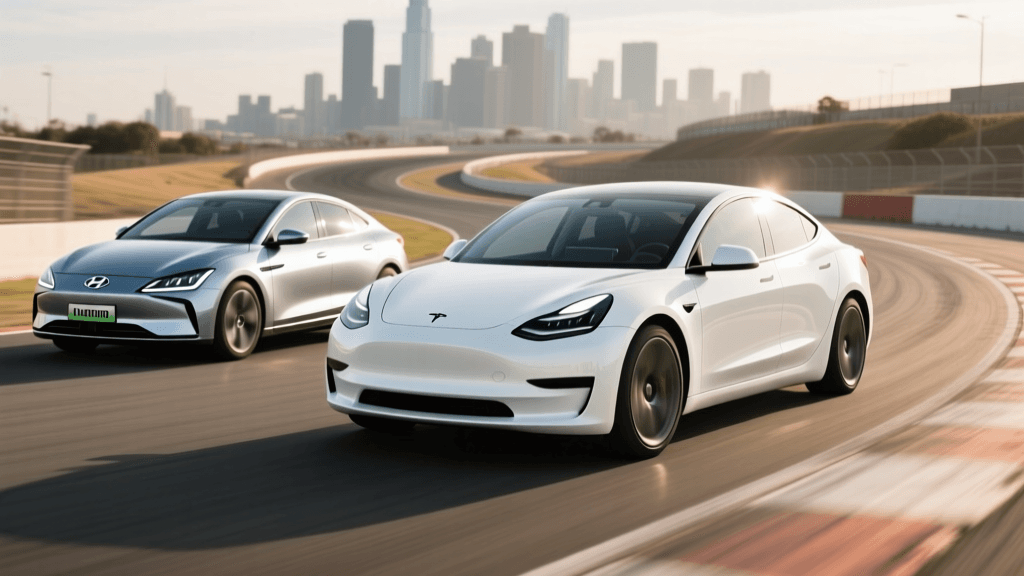
When it comes to maximizing electric vehicle range, aerodynamics and powertrain efficiency are just as critical as battery size. In the current EV landscape, two midsize sedans stand out as the undisputed kings of efficiency: the refreshed Tesla Model 3 (Highland) and the Hyundai Ioniq 6. Both vehicles prioritize slippery drag coefficients and advanced thermal management to squeeze every possible mile out of a single charge. But how do you accurately compare their real-world efficiency, and more importantly, how can you optimize your driving habits to achieve the lowest possible Watt-hours per mile (Wh/mi)?
This comprehensive guide will walk you through exactly how to conduct a standardized efficiency test, how to interpret the data, and how to configure both the Tesla Model 3 and Hyundai Ioniq 6 for peak energy conservation. Whether you are cross-shopping these two vehicles or looking to hyper-mile your current EV, these actionable steps will help you master real-world EV efficiency.
Step 1: Understand the Baseline Specifications
Before you hit the road, you must understand the factory baselines. The EPA provides standardized estimates, but as the U.S. Environmental Protection Agency (EPA) notes on their EV technology portal, real-world efficiency fluctuates based on driving conditions, weather, and vehicle load. Both the Model 3 and Ioniq 6 utilize rear-wheel-drive configurations and advanced heat pumps to achieve their class-leading numbers, but their underlying engineering approaches differ.
The Hyundai Ioniq 6 utilizes an 800-volt electrical architecture and features active air flaps to achieve a remarkably low drag coefficient. The Tesla Model 3 relies on a highly integrated thermal management system and a slightly smaller battery pack, requiring immense powertrain efficiency to keep up. Below is the baseline data you need to know before starting your tests.
| Metric | 2024 Tesla Model 3 RWD | 2024 Hyundai Ioniq 6 SE Long Range RWD |
|---|---|---|
| EPA Estimated Range | 272 miles | 361 miles |
| Battery Capacity (Usable) | ~60 kWh (LFP) | 77.4 kWh (NMC) |
| EPA Combined Efficiency | 254 Wh/mi | 240 Wh/mi |
| Drag Coefficient (Cd) | 0.219 | 0.21 |
| Tire Size (Base Aero) | 18-inch Aero Wheels | 18-inch Aero Wheels |
Step 2: How to Conduct a Standardized Real-World Efficiency Test
To accurately compare the Tesla Model 3 and Hyundai Ioniq 6, you cannot rely on guesswork. You must eliminate variables. According to Car and Driver's extensive real-world EV range testing, highway speeds heavily penalize vehicles with poor aerodynamics, while stop-and-go traffic favors those with superior regenerative braking tuning. To conduct your own test, follow this strict protocol:
Prepare the Vehicles
- Tire Pressure: Inflate all tires to the manufacturer's recommended cold PSI (usually found on the driver's side door jamb). For both vehicles, this is typically around 42 PSI. Under-inflated tires can increase rolling resistance and ruin your Wh/mi metrics by up to 5%.
- Payload: Ensure both vehicles carry the exact same weight. One driver and one passenger of similar weight, with no extra cargo in the trunk.
- Climate Control: Set both cabins to 72°F (22°C) with the fan on Auto. Do not use seat heaters during the baseline test, as they draw power outside the main HVAC efficiency metrics.
Execute the Route
Choose a 50-mile loop that includes a mix of 35 mph suburban roads and 70 mph highway driving. Reset the trip computers in both vehicles. In the Tesla Model 3, navigate to the 'Trip' menu on the touchscreen and reset the current trip. In the Hyundai Ioniq 6, use the steering wheel controls to navigate to the digital cluster's trip screen and hold the OK button to reset. Drive the exact same route, in the same weather conditions, ideally back-to-back on the same day to ensure identical wind and temperature profiles.
Step 3: How to Optimize the Tesla Model 3 for Peak Efficiency
The Tesla Model 3's software ecosystem offers several hidden levers to pull when you want to maximize your miles per kWh. If your real-world test yields higher Wh/mi than the EPA estimate, use these actionable steps to bring the numbers down.
Engage Chill Mode
Aggressive acceleration is the enemy of EV efficiency. By navigating to Controls > Pedals & Steering > Acceleration Mode and selecting 'Chill', you limit the torque delivery to the rear motor. This prevents the driver from inadvertently drawing massive current spikes from the LFP battery pack during city driving, smoothing out your energy consumption curve.
Manage Phantom Drain and Sentry Mode
The Model 3 is essentially a computer on wheels. If Sentry Mode is left active while parked, the vehicle's cameras and processors remain awake, consuming energy that reduces your overall daily efficiency. Turn off Sentry Mode in secure garages. Additionally, disable 'Cabin Overheat Protection' if you are parked in a shaded area or during cooler months, as this feature can trigger the HVAC compressor unnecessarily.
Master the One-Pedal Driving Flow
The Model 3's regenerative braking is heavily integrated into the friction brake system. To maximize efficiency, modulate the accelerator pedal smoothly. Lifting off the pedal entirely triggers maximum regen, which can be inefficient if you are trying to maintain momentum on rolling hills. Learn to feather the pedal to maintain a steady, low-draw cruising state rather than constantly accelerating and regenerating.
Step 4: How to Optimize the Hyundai Ioniq 6 for Peak Efficiency
Hyundai approaches efficiency with a mix of active aerodynamics and driver-selectable physical controls. As highlighted by the official Hyundai Ioniq 6 specifications, the vehicle's active air flaps and eco-routing software are designed to work in tandem with the driver's inputs.
Utilize the Regen Paddle Shifters
Unlike Tesla's fixed regen profile, the Ioniq 6 features paddle shifters behind the steering wheel that allow you to adjust regenerative braking levels from 0 to 3 on the fly. For highway coasting and gentle downhill grades, drop the regen to Level 0 or 1 to preserve momentum without triggering the friction brakes. For city driving and stoplights, pull the left paddle to engage Level 3 or activate i-Pedal (full one-pedal driving) to recapture maximum kinetic energy.
Activate Eco Mode and Eco Routing
Pressing the 'Drive Mode' button to select 'ECO' does more than just dull the throttle response; it also optimizes the climate control system's power draw and adjusts the active air flaps to prioritize aerodynamic slip over battery cooling (unless battery temps reach critical thresholds). Furthermore, when using the native navigation system, ensure 'Eco Routing' is enabled. This algorithm calculates routes that minimize elevation changes and stoplights, even if they take slightly longer, resulting in a significantly lower Wh/mi average.
Step 5: Managing Cold Weather Efficiency
Efficiency comparisons are incomplete without addressing cold weather, which can reduce EV range by up to 30%. Both the Model 3 and Ioniq 6 are equipped with highly efficient heat pumps, but how you use them dictates your real-world success.
The Art of Preconditioning
The most crucial step for winter efficiency is preconditioning the battery and cabin while the vehicle is still plugged into your home charger. In the Tesla Model 3, set a departure time in the scheduling menu. In the Hyundai Ioniq 6, use the Bluelink app or the onboard climate scheduling menu. This forces the grid to power the heat pump and battery heaters, rather than depleting your usable battery capacity once you start driving.
Strategic Use of Heated Seats
Heating the air in a cabin requires vastly more energy than heating a physical surface. Once the cabin is preconditioned, lower the HVAC temperature to 68°F and turn on the heated seats and heated steering wheel. Both the Model 3 and Ioniq 6 feature rapid-response seat heaters that keep the occupants comfortable while drastically reducing the load on the main HVAC compressor.
Final Verdict: Which Efficiency Strategy Wins?
When comparing the Tesla Model 3 and Hyundai Ioniq 6, the Hyundai holds the raw advantage in battery capacity and aerodynamic drag coefficient, allowing it to achieve a slightly lower baseline Wh/mi on the highway. However, the Tesla Model 3's smaller LFP battery and incredibly efficient silicon-carbide inverter make it a master of city and suburban efficiency, often matching or beating the Ioniq 6 in stop-and-go scenarios.
Ultimately, the most efficient EV is the one you optimize correctly. By following this testing protocol, managing your tire pressures, utilizing eco-routing, and mastering the unique regenerative braking profiles of each vehicle, you can easily exceed the EPA estimates in both of these remarkable aero-sedans.