Introduction: The Electric Truck Reality Check
When the electric pickup truck segment exploded onto the automotive scene, it brought with it a tidal wave of misinformation, skepticism, and outright myths. At the forefront of this revolution are two vastly different but equally capable titans: the Rivian R1T and the Ford F-150 Lightning. As buyers transition from internal combustion engines to battery-electric platforms, the fear of the unknown has spawned countless misconceptions about what these trucks can and cannot do. Whether you are a contractor looking to haul lumber, an outdoor enthusiast towing a camper, or a daily commuter seeking a zero-emission ride, separating fact from fiction is critical before dropping $80,000 or more on a new vehicle.
In this comprehensive head-to-head comparison, we are busting the most pervasive myths surrounding the Rivian R1T and the Ford F-150 Lightning. We will also highlight the most common, costly mistakes buyers make when configuring and driving these electric trucks, ensuring you have the actionable data needed to make the right choice for your specific lifestyle.
Myth 1: 'Electric Trucks Lose 70% of Their Range When Towing'
One of the most viral misconceptions on the internet is that towing a trailer with an EV will instantly obliterate 70% to 80% of your advertised range, leaving you stranded on the side of the highway. While it is true that towing significantly impacts energy consumption, the reality is far more nuanced and manageable.
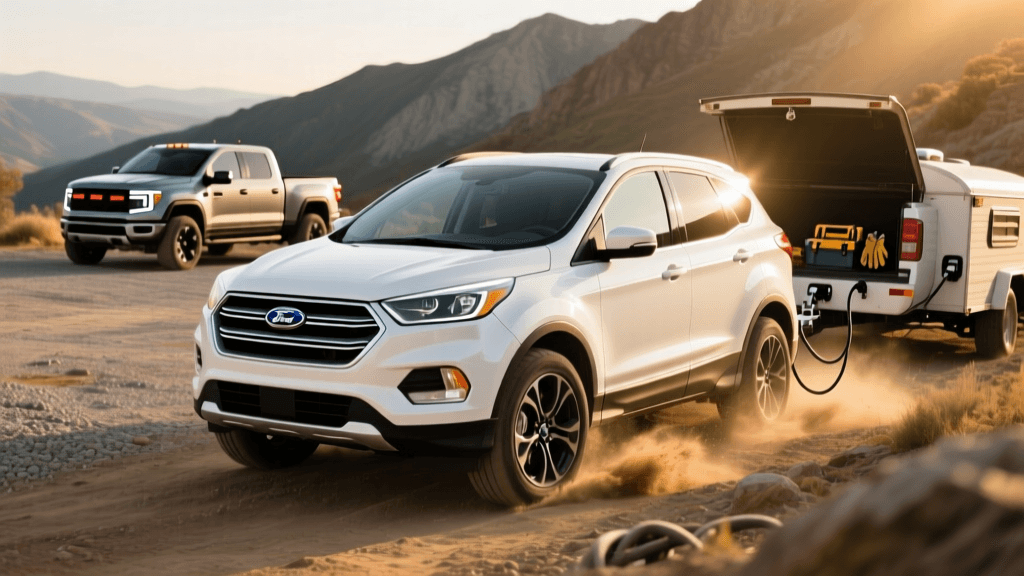
Real-world testing demonstrates that towing a heavy, boxy trailer (like a travel camper) at highway speeds of 70 mph will reduce your range by approximately 40% to 50%, not 70%. The primary enemy of EV range is not weight, but aerodynamic drag. According to the EPA's Electric Vehicle Technology Guide, energy consumption in electric vehicles is highly sensitive to high-speed aerodynamic drag, which is severely compounded when pushing a blunt object through the wind. If you drop your speed to 60 mph or tow a sleek, aerodynamic load like a boat or an enclosed motorcycle trailer, the range penalty drops closer to 30%.
The Reality: The Rivian R1T equipped with the Max Pack (410 miles EPA estimated) will realistically yield about 200 to 220 miles of range while towing a 7,000-pound camper at 65 mph. The Ford F-150 Lightning Extended Range (320 miles EPA estimated) will yield roughly 160 to 180 miles under the exact same conditions. Both trucks require strategic route planning for long-distance towing, but neither is rendered useless as the myth suggests.
Myth 2: 'The Rivian R1T is a Toy; The Lightning is for Real Work'
A common narrative pushed by traditional truck enthusiasts is that the Rivian R1T is merely a 'lifestyle toy' designed for surfers and skiers, while the Ford F-150 Lightning is the only truck capable of actual manual labor. This is a massive oversimplification that ignores the engineering realities of both vehicles.
The Rivian R1T actually boasts a higher maximum towing capacity of 11,000 pounds, edging out the Lightning's 10,000-pound limit. Furthermore, the R1T's quad-motor or dual-motor setups provide instantaneous torque vectoring and an incredibly sophisticated hydraulic roll-cross suspension that keeps the truck remarkably level when hauling heavy tongue weights. However, where the Ford F-150 Lightning strikes back is in raw payload and bed utility.
Because the R1T utilizes a massive, heavy battery pack and a complex independent suspension system, it eats into its Gross Vehicle Weight Rating (GVWR). This limits the R1T's maximum payload to roughly 1,760 pounds. The Lightning, utilizing a more traditional solid rear axle (on most trims) and a highly optimized body-on-frame architecture, can handle up to 2,235 pounds of payload. Additionally, the Lightning offers a 67-inch bed, while the R1T is limited to a 54-inch bed. If your definition of 'real work' involves hauling standard 4x8 sheets of plywood flat on the floor, the Lightning is the undisputed winner. If your work involves towing heavy equipment trailers, the R1T is more than up to the task.
Myth 3: 'Charging a Truck Battery Takes All Day on Road Trips'
Critics often point to the massive battery packs in these trucks (up to 149 kWh in the R1T Max Pack) and assume that recharging them on a road trip will take hours. This myth ignores the advanced thermal management systems and DC fast-charging curves engineered into modern electric trucks.
The U.S. Department of Energy's Alternative Fuels Data Center notes that modern DC fast chargers can replenish heavy-duty EV batteries rapidly, provided the vehicle's peak acceptance rate is high and the battery is properly preconditioned. The Rivian R1T (Dual-Motor) can peak at over 200 kW on a 350 kW charger, allowing a 10% to 80% charge in roughly 40 minutes. The Ford F-150 Lightning peaks around 150 kW, taking about 41 minutes for the same 10% to 80% sprint. Because the Lightning's Extended Range battery is slightly smaller (131 kWh usable) compared to the R1T's Max Pack, the lower peak charge rate is effectively negated. Both trucks will get you back on the road in roughly the same amount of time, which is usually just enough time to grab a meal and use the restroom.
Head-to-Head Specification Comparison
| Specification | Rivian R1T (Dual-Motor Max Pack) | Ford F-150 Lightning (Extended Range) |
|---|---|---|
| Max Towing Capacity | 11,000 lbs | 10,000 lbs |
| Max Payload Capacity | ~1,760 lbs | ~2,235 lbs |
| EPA Estimated Range | 410 miles | 320 miles |
| Bed Length | 54 inches (4.5 ft) | 67 inches (5.5 ft) |
| Peak DC Fast Charge Rate | ~200+ kW | ~150 kW |
| 10-80% Charge Time (DC) | ~40 minutes | ~41 minutes |
| Unique Utility Feature | Gear Tunnel (11 cu ft) | Mega Power Frunk / Pro Power Onboard |
Common Mistakes Buyers Make
Beyond the myths, there are several practical, costly mistakes that buyers make when configuring and purchasing these electric trucks. Avoiding these pitfalls will save you thousands of dollars and years of frustration.
Mistake 1: Buying the Max Battery for Daily Commuting
Many buyers suffer from 'range anxiety' and automatically check the box for the largest, most expensive battery pack available. If 90% of your driving consists of a 30-mile round-trip commute and occasional weekend grocery runs, purchasing the $10,000+ Max Pack on the Rivian or the Extended Range battery on the Ford is a waste of capital. Furthermore, larger batteries add significant weight, which reduces payload capacity and increases tire wear. For daily drivers, the Standard or Large battery packs offer more than enough range and result in a noticeably more agile driving experience.
Mistake 2: Ignoring the Charging Network Reality (NACS vs. CCS)
As the industry transitions to the North American Charging Standard (NACS), buyers must be acutely aware of the physical charging ports on their trucks. Ford has moved aggressively to integrate native NACS ports on newer Lightnings and provides adapters for older models, granting seamless access to Tesla's Supercharger network. Rivian currently utilizes the CCS standard and provides a NACS adapter. A common mistake is buying a used CCS-equipped truck without verifying the availability, cost, and reliability of the OEM adapter, which can limit your road-trip charging options to slower, third-party networks.
Mistake 3: Overlooking the Frunk vs. Gear Tunnel Utility
Buyers often focus entirely on the rear bed and forget to evaluate front-end storage. The Ford F-150 Lightning features a massive 'Mega Power Frunk' (front trunk) that offers 400 liters of lockable, weather-sealed storage with a 400-pound payload capacity—perfect for storing muddy gear, tools, or groceries. The Rivian R1T, conversely, has a much smaller frunk but makes up for it with the 'Gear Tunnel,' a pass-through storage area behind the rear seats that spans the width of the truck. If your workflow requires secure, easily accessible front-end storage for job-site tools, the Lightning's frunk is vastly superior. If you need to store long items like snowboards, fishing rods, or camp chairs out of sight, the R1T's Gear Tunnel is a game-changer.
Final Verdict: Which Truck Fits Your Reality?
Busting the myths reveals that neither the Rivian R1T nor the Ford F-150 Lightning is a compromised vehicle; rather, they are highly specialized tools designed for different interpretations of the 'truck' ethos. The U.S. Department of Energy's Alternative Fuels Data Center highlights that the environmental and operational benefits of electric trucks are maximized when the vehicle's capabilities are perfectly matched to the owner's use case.
Choose the Ford F-150 Lightning if: You need a traditional workhorse. If your daily routine involves hauling heavy pallets of materials, fitting standard plywood in the bed, utilizing the Pro Power Onboard system to run job-site tools, and maximizing front-end lockable storage via the Mega Frunk, the Lightning is the undisputed champion of utility.
Choose the Rivian R1T if: You prioritize maximum towing capacity, cutting-edge software, and outdoor adventure utility. If you frequently tow heavy campers, need the secure Gear Tunnel for recreational equipment, and value a more refined, car-like independent suspension for canyon carving and overlanding, the R1T is the superior lifestyle and adventure platform.
By discarding the internet myths and focusing on hard data—payload limits, bed dimensions, and real-world charging curves—you can confidently select the electric truck that will serve you best for the next decade of driving.