Introduction: Two Philosophies of Electric Mobility
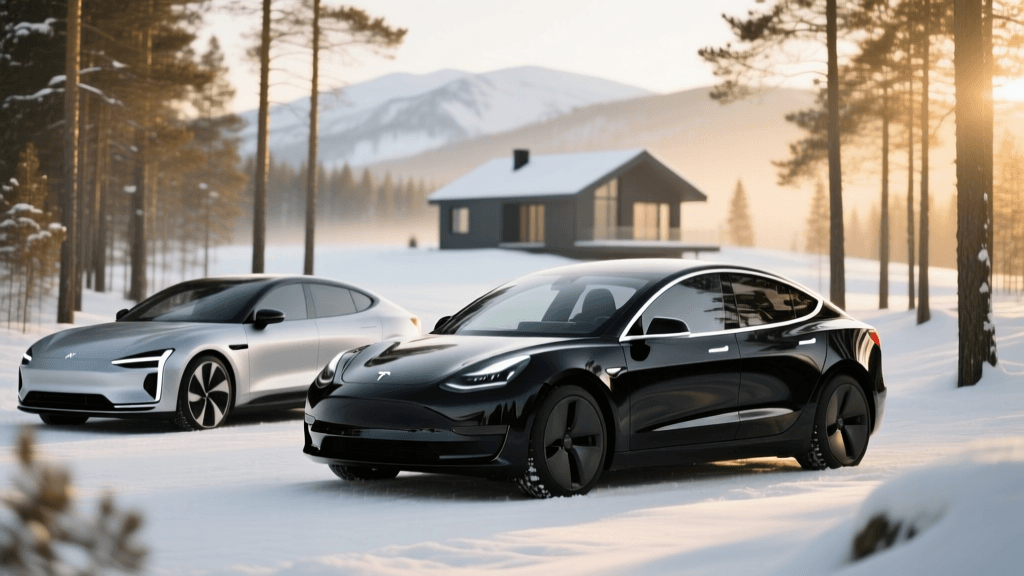
When comparing the premium electric sedan market, no two vehicles represent a starker contrast in design philosophy than the Polestar 2 and the Tesla Model 3. On one side, you have the Tesla Model 3, the quintessential Silicon Valley product: software-defined, ruthlessly minimalist, and obsessed with rapid iteration and performance metrics. On the other side sits the Polestar 2, born in Gothenburg, Sweden, carrying the DNA of Volvo. It champions the Scandinavian ethos of 'lagom' (just the right amount), prioritizing tactile feedback, understated luxury, and deliberate ergonomics.
Choosing between these two exceptional electric vehicles (EVs) is not merely about comparing range or 0-60 mph times; it is about deciding which approach to technology and daily living best suits your lifestyle. In this expert guide, we break down the Nordic versus American EV paradigms, offering actionable tips and best practices to help you maximize ownership satisfaction, regardless of which badge is on the hood.
Design and Interior: Tactile Premium vs. Digital Minimalism
The most immediate difference between the Polestar 2 and the Tesla Model 3 (especially following the recent 'Highland' refresh) is how they interact with the driver.
The Scandinavian Approach: Deliberate and Tactile
Polestar’s interior design is a masterclass in sustainable luxury. The cabin features vegan microfiber upholstery, reclaimed wood inlays, and a floating center console that creates an airy, architectural feel. Crucially, Polestar retains physical buttons for critical functions like climate control and hazard lights. The steering wheel feels thick and purposeful, and the traditional gear selector stalk provides instant muscle-memory engagement.
- Expert Tip: If you opt for the Polestar 2, invest time in customizing the driver profile via the Polestar app. The car's NFC key card and Bluetooth phone-as-a-key integration are highly reliable, but setting up your preferred seat position, mirror angles, and climate preferences in the app ensures a seamless transition every time you enter the vehicle.
The American Approach: Screen-Centric and Disruptive
Tesla’s design philosophy strips away everything not strictly necessary, trusting software to handle the rest. The refreshed Model 3 Highland introduces ambient lighting, ventilated seats, and improved acoustic glass, elevating its premium feel. However, it also eliminates the turn signal and gear selector stalks, moving these controls to the steering wheel and touchscreen, respectively.
- Expert Tip: Adapting to the stalkless Model 3 requires a deliberate mental shift. For the first week, practice using the capacitive turn signal buttons on the steering wheel in low-stress environments like residential neighborhoods. Enable 'Auto Cancel Turn Signals' in the vehicle settings to reduce the manual workload during highway lane changes.
Performance and Driving Dynamics
Both vehicles offer thrilling electric acceleration, but their suspension tuning and ride quality reflect their geographic origins. The Polestar 2, particularly when equipped with the optional Performance Pack featuring manually adjustable Öhlins dampers, delivers a planted, communicative, and distinctly European ride. It absorbs sharp impacts with a heavy, sophisticated thud. The Tesla Model 3, while vastly improved in the Highland generation with new frequency-selective damping, still leans slightly toward a firmer, sportier setup that favors cornering flatness over absolute highway isolation.
| Feature | Polestar 2 Long Range Dual Motor | Tesla Model 3 Long Range (Highland) |
|---|---|---|
| EPA Est. Range | 320 miles | 341 miles |
| 0-60 mph | 4.5 seconds | 4.2 seconds |
| Peak DC Charging | 200 kW | ~250 kW |
| Infotainment OS | Android Automotive OS | Tesla Proprietary OS |
| Cargo Volume | 14.4 cu ft (trunk) + 1.4 cu ft (frunk) | 21 cu ft (trunk) + 3.1 cu ft (frunk) |
For a deeper understanding of how these official range estimates are calculated and how they translate to real-world efficiency, you can consult the EPA's official fuel economy guidelines, which detail the rigorous testing procedures for electric vehicles.
Software, Tech, and Charging Ecosystems
The technological divide here is between a closed, highly optimized ecosystem (Tesla) and an open, integrated smartphone-like experience (Polestar).
Tesla's Walled Garden
Tesla’s proprietary operating system is arguably the most responsive and intuitive in the automotive industry. The navigation system is deeply integrated with the Supercharger network, automatically preconditioning the battery when a charger is set as your destination. Furthermore, Tesla's Over-The-Air (OTA) updates frequently introduce entirely new features, from UI overhauls to track mode tweaks.
Polestar's Android Integration
The Polestar 2 runs on Android Automotive OS (AAOS). This means Google Maps, Google Assistant, and the Google Play Store are natively baked into the car's hardware. The voice recognition is industry-leading, capable of understanding complex, conversational climate and navigation commands.
- Expert Tip: Polestar owners should utilize the built-in Google Maps for all long-distance trips. The native integration automatically handles battery preconditioning and provides highly accurate state-of-charge (SoC) predictions upon arrival, rivaling Tesla's native trip planner.
When it comes to charging infrastructure, Tesla still holds a distinct advantage with the Supercharger network. However, the landscape is shifting. As noted by the U.S. Department of Energy, the broader public charging network is expanding rapidly, and Tesla has begun opening select Superchargers to non-Tesla EVs via adapters, though the native Plug & Charge experience remains exclusive to Tesla vehicles for now.
Expert Tips: Battery Management and Best Practices
Understanding the battery chemistry in your specific EV is critical for maximizing longevity and total cost of ownership. Both Tesla and Polestar utilize different chemistries depending on the trim level you purchase.
Nickel Manganese Cobalt (NMC) Batteries
The Polestar 2 Long Range and the Tesla Model 3 Long Range/Performance models use NMC (or NCA) lithium-ion batteries. These offer higher energy density but are more sensitive to extreme states of charge.
- Best Practice: Set your daily charge limit to 80%. Only charge to 100% immediately before embarking on a long road trip. Avoid letting the battery drop below 10% for extended periods.
Lithium Iron Phosphate (LFP) Batteries
The Tesla Model 3 Rear-Wheel Drive (RWD) base model utilizes an LFP battery. LFP is heavier and slightly less energy-dense but is incredibly robust and durable.
- Best Practice: Tesla explicitly recommends charging LFP vehicles to 100% at least once a week. This allows the Battery Management System (BMS) to accurately calibrate the cell voltages, preventing range estimation errors. If you buy the base Model 3, plug it in every night and set the limit to 100%.
'The longevity of an EV battery is less about the miles driven and more about the thermal and voltage stress it endures. Mastering your charge limits based on your specific battery chemistry is the single most impactful habit an EV owner can adopt.'
For more insights on battery degradation and environmental impacts, the EPA's Green Vehicle Guide provides excellent, myth-busting data on EV battery lifecycles and recycling processes.
The Verdict: Which Approach Fits Your Lifestyle?
The choice between the Polestar 2 and the Tesla Model 3 ultimately boils down to what you value most in your daily commute.
Choose the Tesla Model 3 if: You prioritize cutting-edge software, maximum cargo utility, access to the native Supercharger network, and a minimalist cabin that feels more like a tech gadget than a traditional car. It is the pragmatic, efficiency-focused choice for the tech-savvy commuter.
Choose the Polestar 2 if: You appreciate Scandinavian design, sustainable materials, tactile physical controls, and a driving experience that feels grounded, premium, and distinctly European. It is the ideal choice for the driver who wants an EV that feels like a high-end luxury product rather than a rolling computer.
Both vehicles represent the pinnacle of their respective design philosophies. By applying the expert tips and battery management best practices outlined above, you will ensure that whichever path you choose—Nordic tradition or American disruption—delivers years of electrifying satisfaction.