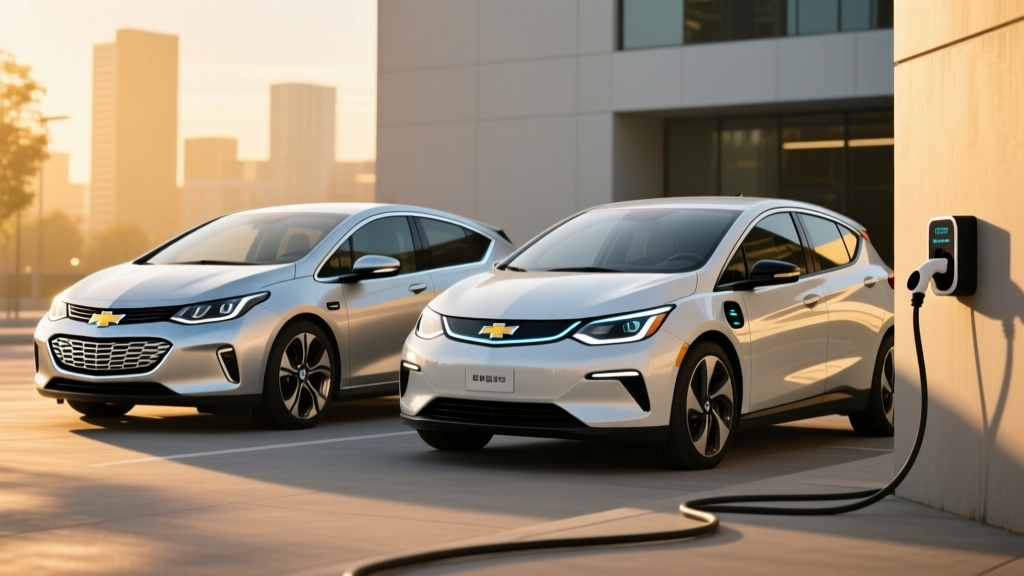
If you've spent any time browsing used EV listings or researching affordable electrified cars, you've likely encountered two Chevrolet nameplates that sound nearly identical but represent fundamentally different philosophies: the Chevy Volt (a plug-in hybrid) and the Chevy Bolt EV/EUV (a battery-electric vehicle). The confusion is understandable, but the choice between them has major implications for your daily driving, charging setup, and wallet.
As of 2026, the Volt is available exclusively on the used market (production ended after the 2019 model year), while the Bolt EV returned for 2025 after a brief hiatus and continues into 2026 with updated pricing. This comparison uses the final-generation Volt (2019) specs and the current 2026 Bolt EV to give you an honest, data-driven look at which electrified Chevy belongs in your driveway.
Chevy Volt vs Chevy Bolt: Side-by-Side Specifications
Before we break down categories, here are the hard numbers. The Volt figures reflect the 2019 model year (final production year), while the Bolt figures reflect the 2026 model year. Both represent the most complete versions of their respective generations.
| Specification | 2019 Chevy Volt (PHEV) | 2026 Chevy Bolt EV (BEV) |
|---|---|---|
| Powertrain Type | Plug-in Hybrid (EREV) | Battery Electric (BEV) |
| EPA Electric Range | 53 miles | 259 miles |
| Total Range (electric + gas) | 420 miles | 259 miles |
| Battery Capacity (usable) | 18.4 kWh (NMC) | 65 kWh (NMC) |
| Combined MPGe (electric) | 106 MPGe | 120 MPGe |
| Combined MPG (gas-only, Volt) | 42 MPG | N/A |
| DC Fast Charge Peak | N/A (no DCFC) | 55 kW (CCS) |
| 10–80% DC Fast Charge | N/A | ~48 minutes |
| Level 2 Charge Rate | 3.6 kW (7.2 kW optional) | 11.5 kW |
| Level 2 Full Charge Time | ~4.5 hrs (7.2 kW) | ~7 hrs |
| Level 1 (120V) Charge Rate | 1.4 kW (~4 mi/hr) | 1.4 kW (~4 mi/hr) |
| Horsepower | 149 hp (combined electric) | 200 hp |
| 0–60 mph | 7.5 seconds | 6.5 seconds |
| Cargo Volume | 10.6 cu ft | 22.3 cu ft |
| Base MSRP (when new) | $33,520 (2019) | $26,900 (2026) |
| Federal Tax Credit (New) | Up to $7,500 (expired) | Up to $7,500 (§30D) |
| Battery/Powertrain Warranty | 8 yr / 100,000 mi | 8 yr / 100,000 mi |
Sources: EPA Fuel Economy — 2019 Volt, EPA Fuel Economy — 2025 Bolt EV
Range and Efficiency: Electric-Only vs Total Reach
The single biggest difference between these two vehicles is how they manage range, and this determines which one fits your lifestyle.
Real-World Range Reality:
- Chevy Volt: The EPA-rated 53 miles of electric range typically delivers 40–48 miles in mixed driving, dropping to 30–35 miles in cold weather (below freezing). Once the battery depletes, the 1.5L gas engine generates electricity, giving you a total system range of ~420 miles on a full tank plus full charge.
- Chevy Bolt EV: The 259-mile EPA rating holds up well in moderate temperatures — expect 230–245 miles in real-world highway driving at 70 mph. In winter conditions (20°F and below), range can drop to 170–195 miles due to cabin heating and battery chemistry limitations. The Bolt has no gas backup.
If your daily commute is under 40 miles round-trip and you can charge at home every night, the Volt operates almost entirely as an EV — you might visit a gas station once a month. But the Bolt's 259 miles means most drivers can go a full week between charges without ever needing gas.
Efficiency favors the Bolt when comparing electric-only operation. The Bolt achieves 120 MPGe combined (28 kWh/100 mi), while the Volt manages 106 MPGe combined (31 kWh/100 mi) in EV mode. The Volt's heavier dual-powertrain architecture (gas engine, generator, and fuel system add ~300 lbs) accounts for the efficiency penalty.
🏆 Range Winner: Chevy Bolt EV — 259 miles of electric range eliminates daily charging for most drivers and handles road trips with planning. The Volt's total 420-mile range is superior only if you frequently drive beyond charging infrastructure.
🏆 Road-Trip Flexibility Winner: Chevy Volt — With a gas engine as backup, the Volt has zero range anxiety on long trips through charging deserts. Fill up in 3 minutes and keep driving.
Charging Speed and Infrastructure
This category reveals one of the Volt's most significant limitations and one of the Bolt's most persistent criticisms.
| Charging Level | Chevy Volt | Chevy Bolt EV |
|---|---|---|
| Level 1 (120V household) | ~4 miles/hour (1.4 kW) | ~4 miles/hour (1.4 kW) |
| Level 2 (240V home/public) | 3.6 kW standard (7.2 kW optional) | 11.5 kW |
| Level 2 full charge time | 4.5–13 hours | ~7 hours |
| DC Fast Charging | Not available | 55 kW (CCS) |
| DCFC 10–80% | N/A | ~48 minutes |
The Volt's charging limitation: The Volt has no DC fast charging capability whatsoever. Its small 18.4 kWh battery means you can fully recharge overnight on Level 2 (4.5 hours at 7.2 kW), but on a road trip, you're relying on the gas engine — not charging — to keep moving. For daily commuting with home charging, this isn't a practical problem.
The Bolt's charging criticism: The Bolt's 55 kW peak DC fast-charge rate is slow by 2026 standards, where competitors like the Hyundai Ioniq 5 and Tesla Model 3 charge at 250+ kW. A 10–80% session takes roughly 48 minutes at a compatible station. The Bolt's charge curve is relatively flat, meaning it sustains close to peak rate through most of the session — but 48 minutes is still 48 minutes on a road trip. If you plan frequent long-distance travel, this is a meaningful drawback.
Both vehicles support CCS (Combined Charging System) for Level 2 public charging, though the Volt's CCS port is Level 2 only. Home Level 2 installation costs are comparable for both vehicles — expect $500–$1,500 for a 240V circuit and wall connector if your electrical panel supports it, or $2,000–$4,000+ if a panel upgrade is needed.
🏆 Charging Winner: Chevy Bolt EV — It at least has DC fast charging, which the Volt lacks entirely. But the Bolt's 55 kW rate is a weak point for road trips.
Performance and Driving Experience
Both vehicles deliver the instant torque characteristic of electric motors, but the Bolt has a clear performance advantage.
The 2026 Bolt EV produces 200 hp and 266 lb-ft of torque from its single front-mounted motor, hitting 60 mph in approximately 6.5 seconds. It's genuinely quick off the line and responsive in city traffic. The low center of gravity (battery pack under the floor) gives it composed handling for a compact hatchback.
The 2019 Volt uses a two-motor Voltec drive system producing 149 hp combined and 294 lb-ft of torque. The 0–60 time of 7.5 seconds is adequate but not exciting. The Volt drives more like a conventional sedan — which it essentially is, with a heavier curb weight (~3,500 lbs vs the Bolt's ~3,300 lbs) noticeable in corners. However, the Volt's ride quality is slightly more refined, with better sound insulation than the Bolt.
Both vehicles feature regenerative braking with selectable levels. The Volt offers "Regen on Demand" via a paddle behind the steering wheel, while the Bolt provides a similar one-pedal driving mode that can bring the car to a complete stop without touching the brake pedal.
🏆 Performance Winner: Chevy Bolt EV — More horsepower, quicker acceleration, lighter weight, and sportier handling in a practical hatchback package.
Interior, Tech, and Practicality
The Bolt and Volt target different body styles, and that shapes their practicality profiles significantly.
Cargo capacity is where the Bolt's hatchback design shines: 22.3 cubic feet behind the rear seats (expandable to 56.9 cu ft with seats folded). The Volt, as a sedan, offers just 10.6 cubic feet of trunk space — barely enough for two carry-on suitcases and a grocery run. If you regularly haul cargo, bikes, or family gear, the Bolt is decisively more practical.
Infotainment: The 2026 Bolt comes with Chevrolet's latest infotainment system featuring an 11-inch diagonal touchscreen, wireless Apple CarPlay and Android Auto, and built-in Google services. The 2019 Volt's 8-inch touchscreen is a generation behind — functional but dated, with slower response times and no wireless phone integration on most trims.
Driver assistance: The 2026 Bolt includes Chevy Safety Assist as standard — automatic emergency braking, forward collision alert, lane keep assist, following distance indicator, and automatic high beams. Available Super Cruise (on higher trims) provides hands-free Level 2 driving on compatible highways. The 2019 Volt offers basic safety features (automatic emergency braking was optional on LT, standard on Premier) but nothing approaching modern ADAS capability. Note: Super Cruise is SAE Level 2 — the driver must remain attentive and is responsible for the vehicle at all times.
🏆 Interior & Tech Winner: Chevy Bolt EV — More cargo space, modern infotainment, standard advanced safety suite, and available Super Cruise.
Pricing and Tax Credit Eligibility
This is where the comparison gets nuanced, because one vehicle is new and one is exclusively used.
| Cost Factor | 2019 Chevy Volt (Used) | 2026 Chevy Bolt EV (New) |
|---|---|---|
| Purchase Price Range | $14,000–$20,000 (used market) | $26,900–$31,000 (new MSRP) |
| New Vehicle §30D Credit | Not eligible (used) | Up to $7,500 (if eligible) |
| Used EV Credit (§25E) | Up to $4,000 (30% of sale price, capped) | N/A (new vehicle) |
| Effective Price After Credits | ~$10,000–$16,000 | ~$19,400–$23,500 |
| Point-of-Sale Transfer | Yes (§25E, if dealer registered) | Yes (§30D, if dealer registered) |
Key tax credit rules (2026):
- §30D New EV Credit (Bolt): Up to $7,500, subject to buyer income caps ($150K single / $300K joint), vehicle MSRP cap ($55K for cars), and battery critical-mineral and component sourcing requirements. The Bolt's eligibility depends on current-year battery sourcing — verify on the IRS qualified vehicles list before purchasing.
- §25E Used EV Credit (Volt): Up to $4,000 or 30% of the sale price (whichever is less). Income caps apply ($75K single / $150K joint — half the new-vehicle limits). Vehicle must be at least 2 model years old, sold by a licensed dealer, and priced at $25,000 or below. The Volt typically qualifies.
- State incentives vary widely — check your state's energy office or Alternative Fuels Data Center for local rebates.
On pure purchase price, the used Volt is significantly cheaper upfront — potentially as low as $10,000 after the used-EV credit. The Bolt costs more initially but comes with a full factory warranty, latest technology, and zero used-vehicle risk.
🏆 Upfront Value Winner: Chevy Volt — A used Volt with the §25E credit can be one of the cheapest electrified vehicles on the market.
🏆 Long-Term Value Winner: Chevy Bolt EV — Full warranty, zero tailpipe emissions, lower per-mile energy cost, and modern tech justify the higher entry price.
Ownership Costs: Fuel, Maintenance, and Insurance
Total cost of ownership is where the Bolt's BEV architecture pulls ahead for most drivers.
| 5-Year Cost Category | Chevy Volt (Used, PHEV) | Chevy Bolt EV (New, BEV) |
|---|---|---|
| Energy Cost (15K mi/yr, 80% electric) | ~$3,200 (electric + gas) | ~$3,600 (electric only) |
| Maintenance (5 years) | ~$2,500 (oil changes, engine service) | ~$800 (tires, cabin filter, wipers) |
| Insurance (avg. annual) | ~$1,400/yr ($7,000 total) | ~$1,600/yr ($8,000 total) |
| Depreciation (5 years) | ~$4,000 (already steeply depreciated) | ~$8,000–$10,000 |
| Estimated 5-Year Total | ~$16,700 + purchase price | ~$20,400 + purchase price |
Energy costs: If you charge the Volt nightly and drive under 53 miles daily, your electricity cost is minimal — but any driving beyond that burns gas at 42 MPG combined. At $3.50/gallon and 15,000 miles/year with 80% electric driving, the Volt spends roughly $640/year on electricity and $560/year on gas (~$6,000 over 5 years). The Bolt, running entirely on electricity at $0.14/kWh national average, costs about $720/year ($3,600 over 5 years). The Bolt wins if you'd otherwise burn gas regularly in the Volt.
Maintenance: The Volt's 1.5L gasoline engine requires oil changes (~$50–$80 every 7,500 miles), air filter replacement, spark plugs, and eventual exhaust system service. The Bolt has no engine oil, no transmission fluid, no exhaust system, and no spark plugs. Brake wear is minimal on both thanks to regenerative braking.
Insurance: The Bolt typically costs 10–15% more to insure than the Volt due to higher replacement cost and BEV repair complexity. Shop quotes from multiple carriers before purchasing either vehicle.
🏆 Lowest Maintenance Winner: Chevy Bolt EV — No engine, no oil changes, no exhaust. The simplest vehicle to maintain long-term.
🏆 Insurance Cost Winner: Chevy Volt — Lower vehicle value means lower premiums on average.
Key Differences at a Glance
Chevy Volt (2019 PHEV) — Pros & Cons
Pros:
- Gas backup eliminates range anxiety entirely
- Extremely low used-market pricing ($14K–$20K before credits)
- Used-EV tax credit up to $4,000 (§25E)
- Comfortable sedan ride quality
- 53 miles EV range covers most commutes
Cons:
- No DC fast charging — ever
- Limited cargo space (10.6 cu ft sedan trunk)
- Dated infotainment and safety tech (2019 era)
- Requires gas-engine maintenance (oil, filters, exhaust)
- Out of production — no factory warranty remaining on most examples
Chevy Bolt EV (2026 BEV) — Pros & Cons
Pros:
- 259 miles EPA range — one of the best in its price class
- Spacious hatchback cargo area (22.3 cu ft)
- Modern infotainment with wireless CarPlay/Android Auto
- Standard Chevy Safety Assist; available Super Cruise
- Full new-vehicle warranty (8yr/100K mi battery)
- Eligible for up to $7,500 §30D tax credit
- Minimal maintenance costs
Cons:
- DC fast charging limited to 55 kW — slow for road trips
- Higher purchase price than a used Volt
- Range drops significantly in cold weather (170–195 mi in winter)
- No gas backup — requires charging planning on long trips
- Insurance costs slightly higher
Decision Framework: Which One Should You Choose?
Choose the Chevy Volt if:
- You have a tight budget and want the cheapest possible entry into electrified driving ($10K–$16K after credits)
- Your daily commute is under 45 miles and you can charge at home nightly
- You take frequent road trips through areas with sparse charging infrastructure
- You want zero range anxiety without relying on public charging networks
- You don't mind performing (or paying for) gas-engine maintenance
Choose the Chevy Bolt EV if:
- You want a new vehicle with full factory warranty and latest safety technology
- Your daily driving is under 200 miles and you can charge at home
- You need practical hatchback cargo space for family life, gear, or groceries
- You want to eliminate gas expenses and engine maintenance entirely
- You qualify for the §30D federal tax credit (income and sourcing requirements apply)
- You want modern infotainment, wireless connectivity, and available Super Cruise
Our recommendation: For the majority of buyers in 2026, the Chevy Bolt EV is the stronger choice. Its 259-mile range, modern tech, full warranty, hatchback practicality, and eligibility for the $7,500 federal tax credit make it one of the best values in the new EV market. The Volt is an excellent budget option for buyers who need gas-engine flexibility and can accept the trade-offs of a discontinued, used vehicle with aging technology. Neither vehicle is a bad choice — they simply serve different priorities.
Frequently Asked Questions
Is the Chevy Volt still being made?
No. Chevrolet ended Volt production after the 2019 model year. All Volts on the market today are used vehicles. If you want a current Chevrolet PHEV, the Equinox PHEV and upcoming models are the brand's electrified alternatives, though none replicate the Volt's dedicated EREV architecture.
Can the Chevy Bolt handle road trips?
Yes, with planning. The Bolt's 259-mile range covers most segments between major cities, and DC fast charging (55 kW CCS) is available at Electrify America, EVgo, and other networks. However, 10–80% charging takes ~48 minutes — longer than competitors with 150+ kW capability. Use apps like PlugShare or A Better Routeplanner to map charging stops.
Which is cheaper to own over 5 years?
The used Volt has a lower purchase price (~$10K–$16K after credits) but higher maintenance and potential fuel costs. The new Bolt costs more upfront (~$19K–$24K after credits) but has dramatically lower maintenance, no fuel cost, and full warranty coverage. Over 5 years including purchase price, the Volt is typically cheaper by $3,000–$5,000, but the Bolt offers far more modern technology and peace of mind.
Does the Bolt qualify for the $7,500 tax credit?
The 2026 Bolt EV may qualify for up to $7,500 under IRS §30D, but eligibility depends on battery sourcing requirements (critical minerals and battery components), your income level ($150K single / $300K joint cap), and the vehicle's MSRP (under $55K for cars — the Bolt passes this). The credit can be transferred to the dealer at point of sale as a down payment reduction. Always verify current eligibility on the IRS qualified vehicles list and consult a tax professional.
How long will the Bolt's battery last?
Chevrolet warranties the Bolt's battery for 8 years or 100,000 miles against capacity loss below 60% of original. Real-world data from earlier Bolt generations shows typical degradation of 5–8% over the first 100,000 miles. The NMC chemistry in the Bolt responds well to moderate charging habits — avoid routinely charging to 100% or depleting to 0% for optimal longevity.
Can I charge the Volt on a regular outlet?
Yes. Both the Volt and Bolt charge on a standard 120V household outlet (Level 1) at approximately 4 miles of range per hour. For the Volt's 53-mile battery, a full Level 1 charge takes about 13 hours — feasible for overnight charging. For the Bolt's 65 kWh battery, Level 1 adds only ~40 miles overnight, making a Level 2 (240V) home charger strongly recommended.