The Rideshare EV Revolution: Separating Fact from Fiction
The transition to electric vehicles (EVs) in the gig economy is no longer a futuristic concept; it is a present-day financial imperative. With platforms like Uber pushing hard toward electrification, drivers are looking to capitalize on lower fuel costs and exclusive incentives. According to Reuters, Uber has pledged to become a fully zero-emission platform by 2030, meaning the window to adapt and maximize early-adopter advantages is closing. Yet, if you spend five minutes on any rideshare driver forum, you will encounter a minefield of outdated advice, half-truths, and outright myths about what it takes to succeed with an EV. As a senior automotive analyst, I have tested dozens of EVs specifically through the lens of rideshare profitability. Today, we are busting the most pervasive myths and ranking the absolute best EVs for Uber and Lyft drivers based on real-world economics, charging speeds, and passenger comfort.
Myth #1: The '300-Mile Minimum' Range Fallacy
One of the most common mistakes new rideshare drivers make is assuming they need an EV with 300+ miles of EPA-estimated range to survive a full-time shift. This is a fundamental misunderstanding of urban gig work. The average Uber driver covers between 100 and 150 miles per shift. When you factor in regenerative braking in stop-and-go city traffic, your actual range often exceeds the EPA estimate.
Chasing massive battery packs comes with severe penalties: higher purchase prices, increased tire wear due to extra vehicle weight, and diminished charging efficiency. The real secret to rideshare success is not maximum range; it is maximum charging speed. A 250-mile EV that can charge from 10% to 80% in 18 minutes will earn you significantly more money than a 320-mile EV that takes 45 minutes to reach the same state of charge. Time spent plugged in is time you are not earning surge fares.
Myth #2: The 'Tesla Monopoly' Misconception
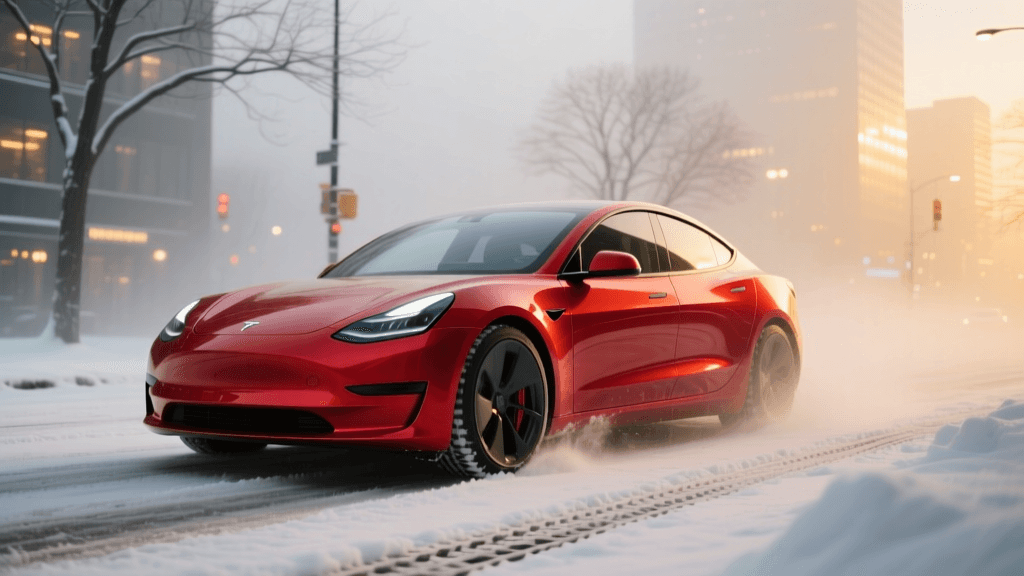
For years, the Tesla Model 3 was the undisputed king of rideshare. The Supercharger network was a proprietary moat that no other automaker could cross. However, the landscape has shifted dramatically. With the adoption of the North American Charging Standard (NACS) and the rapid expansion of high-speed CCS networks like Electrify America and EVgo, Tesla's charging monopoly is effectively over.
Furthermore, Tesla's minimalist interior and lack of traditional rear-seat climate controls can sometimes lead to lower passenger ratings in Uber Comfort tiers. Competitors from Hyundai, Kia, and Ford now offer superior rear-seat ergonomics, physical buttons for passengers, and ultra-fast 800-volt charging architectures that rival or beat Tesla's V3 Superchargers. Do not buy a Tesla simply because it is a Tesla; buy it only if the specific math of your local market and Supercharger proximity makes sense.
Myth #3: Uber Comfort Requires a Luxury Price Tag
Many drivers mistakenly believe that to qualify for Uber Comfort or Uber Black, they need to sink $70,000 into a luxury sedan like a Tesla Model S or a Mercedes EQE. This is a massive financial trap. Luxury EVs suffer from brutal depreciation curves and exorbitant insurance premiums that will obliterate your rideshare margins.
The smartest drivers target the 'Comfort' tier using mainstream crossover EVs that meet the legroom and vehicle age requirements without the luxury tax. Vehicles like the Tesla Model Y or the Hyundai Ioniq 5 offer limousine-like rear legroom, panoramic roofs, and premium ride quality at a fraction of the cost of a luxury sedan. According to the U.S. Department of Energy, maintaining battery health is easier on moderately sized packs used frequently than on massive luxury packs that sit idle, making mainstream crossovers the ultimate TCO (Total Cost of Ownership) champions.
The 2024 Ranking: Best EVs for Uber and Rideshare Drivers
1. Hyundai Ioniq 5 (Best Overall for Fast Charging)
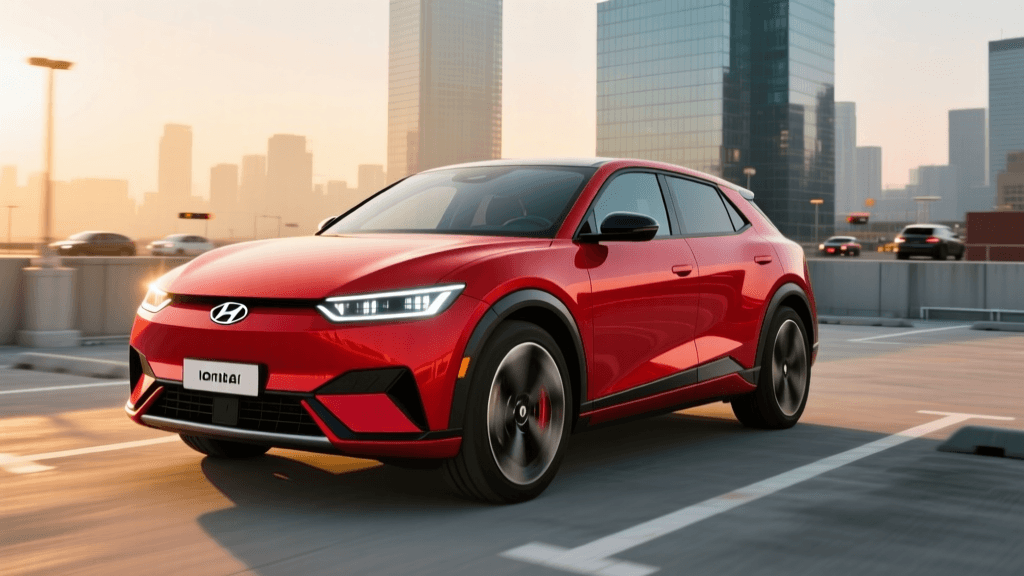
The Hyundai Ioniq 5 is the undisputed champion for full-time rideshare drivers who rely on public DC fast charging. Thanks to its 800-volt electrical architecture, the Ioniq 5 can accept up to 250 kW of power, charging from 10% to 80% in just 18 minutes on a compatible 350 kW charger. The interior is remarkably spacious, featuring a completely flat floor and a sliding center console that makes entering and exiting the driver's seat incredibly easy during tight curbside pickups. The rear seats offer generous legroom, virtually guaranteeing 5-star ratings for passenger comfort. While its EPA range hovers around 260 miles for the Standard Range, the ultra-fast charging curve completely negates range anxiety.
2. Tesla Model Y (Best for Uber Comfort & Supercharger Access)
Despite the rising competition, the Tesla Model Y remains a powerhouse for rideshare, particularly for drivers who qualify for Uber Comfort. The rear legroom is exceptional, and the massive glass roof creates an airy, premium cabin feel that passengers love. The primary advantage remains the Tesla Supercharger network, which, despite opening to other brands, still offers the most seamless, plug-and-charge reliability in rural or highway-heavy markets. If your city's public CCS infrastructure is lacking, the Model Y is your safest bet for minimizing downtime. Just be prepared to manage the rear touchscreen climate controls, as some passengers find them unintuitive.
3. Chevrolet Bolt EUV (Best Budget Entry-Level EV)
If you are an UberX driver looking to minimize upfront capital expenditure, the Chevrolet Bolt EUV is a masterclass in value. With a price tag often dipping well below $30,000 (especially factoring in federal and state EV incentives), the Bolt EUV offers an impressive 247 miles of range. It is compact enough to navigate tight downtown streets and slip into small parking spaces, yet tall enough to provide comfortable seating. The major drawback is its slow DC fast-charging speed, capping out around 55 kW. This makes the Bolt EUV ideal only for drivers who can charge at home overnight and use public charging merely for quick top-ups rather than mid-shift revivals.
4. Kia Niro EV (The Practical Crossover Workhorse)
The Kia Niro EV is the quiet achiever of the rideshare world. It does not boast 800-volt charging or autonomous driving suites, but it offers exactly what a gig worker needs: supreme reliability, intuitive physical controls, and excellent cargo space for airport runs. The 239 miles of EPA range is more than sufficient for daily shifts, and Kia's industry-leading 10-year/100,000-mile powertrain warranty provides immense peace of mind for drivers putting on high annual mileage. The ride quality is compliant and soft, absorbing city potholes better than the stiffer, sportier EVs on the market.
Rideshare EV Comparison Chart
| Vehicle | Approx. Starting MSRP | EPA Range | DC Fast Charge (10-80%) | Best Uber Tier |
|---|---|---|---|---|
| Hyundai Ioniq 5 | $41,800 | 260 - 303 mi | 18 Minutes (800V) | UberX / Comfort |
| Tesla Model Y | $44,990 | 279 - 330 mi | 25 Minutes (V3) | Uber Comfort |
| Chevrolet Bolt EUV | $27,800 | 247 mi | 45+ Minutes (55kW) | UberX |
| Kia Niro EV | $39,600 | 239 mi | 43 Minutes (85kW) | UberX / XL (Airport) |
Common Mistakes Rideshare Drivers Make with EVs
Busting myths is only half the battle; avoiding operational mistakes is where you actually protect your profit margins. Here are the most common pitfalls EV rideshare drivers face:
- Neglecting Home Charging Setup: Relying exclusively on public DC fast charging will destroy your profit margins and degrade your battery's long-term health. According to Uber's official EV sustainability guidelines, drivers who install Level 2 home chargers see a drastically lower cost-per-mile. You must invest in a 240V NEMA 14-50 outlet installation before taking delivery of your EV.
- Ignoring the Charging Curve: Not all chargers are created equal. Plugging a 250 kW-capable Ioniq 5 into a 50 kW charger is a waste of your mid-shift break. Use apps like PlugShare to filter for 150kW+ chargers during your lunch breaks.
- Overusing One-Pedal Driving with Passengers: While aggressive regenerative braking maximizes range, it often leads to motion sickness for rear-seat passengers. For 5-star ratings, ease off the regen settings or use the brake pedal smoothly to prevent the 'rocking' sensation that triggers negative reviews.
- Missing Out on EV Incentives: Many drivers fail to stack incentives. Beyond the federal tax credit, Uber frequently offers a 'Zero Emissions' bonus (e.g., an extra $1 per trip, capped at a certain amount) for drivers using EVs. Ensure your vehicle's VIN is properly registered in the driver app to unlock these per-trip bonuses.
Conclusion: Drive Smarter, Not Harder
The best EV for Uber is not necessarily the one with the longest range or the most luxurious badge. It is the vehicle that optimizes the intersection of low operating costs, rapid charging speeds, and passenger satisfaction. The Hyundai Ioniq 5 takes the crown for its revolutionary charging speeds and spacious cabin, while the Tesla Model Y remains the safest bet for Comfort-tier dominance. The Chevrolet Bolt EUV proves that you do not need to break the bank to achieve an incredibly low cost-per-mile. By ignoring the forum myths and focusing on the cold, hard math of TCO and charging curves, you can turn your EV into a highly profitable rideshare machine.