The Illusion of Electric Luxury: Why Badges Don't Guarantee Comfort
The transition from internal combustion engines to electric vehicles has fundamentally disrupted the luxury automotive market. For decades, legacy automakers relied on engine smoothness, exhaust note tuning, and heavy sound deadening to define premium comfort. Today, the absence of an engine has leveled the acoustic playing field, leading to a pervasive myth: all electric vehicles are inherently quiet, smooth, and luxurious. This is categorically false. As buyers flock to premium EVs, many fall victim to marketing hype, confusing massive touchscreens with genuine technological innovation, or assuming that an air suspension badge guarantees a magic-carpet ride. In this comprehensive ranking, we are busting the most common myths surrounding luxury EV comfort and technology, highlighting the critical mistakes buyers make, and definitively ranking the best luxury electric vehicles based on real-world serenity, software usability, and ride quality.
Myth #1: Bigger Screens Equal Better Technology
One of the most damaging mistakes luxury EV buyers make is equating screen real estate with technological superiority. Automakers have engaged in a dashboard arms race, replacing physical buttons with sprawling glass panels. However, as highlighted by the J.D. Power Tech Experience Index (TXI), consumer satisfaction with in-vehicle tech is heavily dictated by processing speed, intuitive menu structures, and voice recognition accuracy—not just the physical size of the display. A massive screen that suffers from lag, buries climate controls in sub-menus, or distracts the driver is a detriment to luxury, not an enhancement.
'True luxury technology anticipates the driver's needs seamlessly, offering haptic feedback and over-the-air reliability—not just a massive piece of glass.'
Myth #2: Air Suspension Automatically Means a Cloud-Like Ride
Many buyers mistakenly believe that checking the 'air suspension' option box is a silver bullet for ride comfort. While adaptive air springs are crucial for managing the immense weight of EV battery packs, they are only half the equation. The true differentiator in luxury EV comfort is NVH (Noise, Vibration, and Harshness) engineering. Without the masking effect of an internal combustion engine, road roar, wind turbulence, and high-frequency motor whine become glaringly obvious. The best luxury EVs utilize acoustic laminated glass on all windows, foam-lined tires to reduce cavity resonance, and active noise cancellation. Ignoring these factors and focusing solely on suspension type is a common mistake that leaves buyers disappointed when their premium EV sounds like a budget hatchback at 75 mph.
The Reality: Ranking the Best Luxury EVs for Comfort and Tech
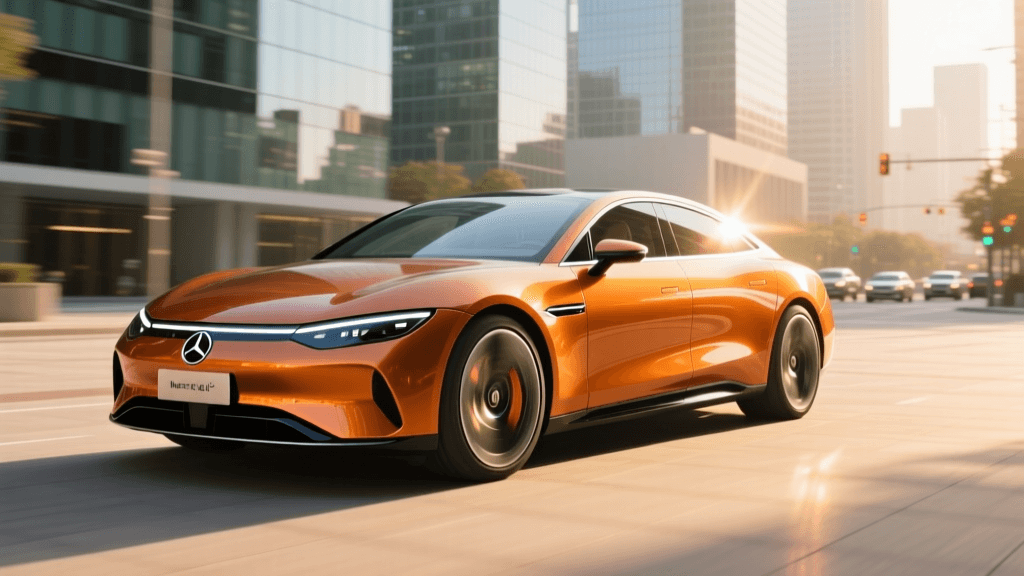
1. Mercedes-Benz EQS: The Benchmark for Digital Serenity
The Mercedes-Benz EQS remains the undisputed king of combining cutting-edge technology with supreme isolation. The available MBUX Hyperscreen is a masterclass in processing power, utilizing an 8-core CPU and 24GB of RAM to ensure zero lag. Unlike competitors that force you to dig through menus, the EQS employs a 'zero-layer' interface, placing critical functions exactly where your eye naturally falls. On the comfort front, the EQS features standard rear-axle steering for surprising maneuverability and an air suspension system that actively scans the road ahead to pre-adjust damping. The NVH levels are staggering; at highway speeds, the cabin is so quiet it borders on sensory deprivation, making it the ultimate luxury sanctuary.
2. BMW i7: The Rear-Seat Executive Lounge
While the EQS focuses on the driver, the BMW i7 redefines luxury from the rear seats. The i7's party trick is the 31-inch 8K Theater Screen that drops from the ceiling, transforming the cabin into a private cinema. But the technology goes deeper: the iDrive 8.5 system is arguably the most logically structured software in the industry, perfectly blending touch, voice, and the legendary iDrive rotary controller. Comfort is equally paramount, with automatic doors, plush vegan leather that rivals traditional Nappa, and a suspension tune that absorbs sharp impacts with a heavy, planted authority. The mistake buyers make here is test-driving the i7 from the driver's seat; to truly evaluate its tech and comfort ranking, you must be chauffeured in the back.
3. Lucid Air Grand Touring: Space, Efficiency, and Minimalist Tech
The Lucid Air shatters the myth that you must sacrifice interior volume for aerodynamic efficiency. Thanks to its miniaturized powertrain components, the Air offers limousine-like rear legroom in a sedan footprint. The technology approach here is distinctly minimalist, relying on a stunning 34-inch curved glass cockpit and a powerful 'Surreal Sound' audio system with 21 speakers. Where the Air truly excels is in its powertrain smoothness; the dual-motor setup delivers thrust that is remarkably linear and completely devoid of the high-pitched whine found in lesser EVs. However, buyers must be aware that the software, while beautiful, occasionally lacks the depth of third-party app integration found in legacy German rivals.
4. Porsche Taycan: The Dynamic Compromise
The Porsche Taycan is included to bust the myth that sportiness and comfort are mutually exclusive in the EV space. While it doesn't offer the sheer isolating mass of the EQS or i7, the Taycan's 800-volt architecture and two-speed transmission provide a driving experience that is both thrilling and surprisingly compliant in its Normal driving mode. The technology is heavily focused on driving dynamics, with Porsche's PCM (Porsche Communication Management) offering rapid response times and excellent smartphone integration. The common mistake with the Taycan is equating its lower range figures with inferiority; in reality, its real-world charging speeds and thermal management remain industry-leading.
Luxury EV Comfort & Tech Comparison Matrix
| Vehicle Model | Starting MSRP (Approx.) | Infotainment Highlight | Comfort & NVH Rating | Best Suited For |
|---|---|---|---|---|
| Mercedes-Benz EQS | $105,000 | MBUX Hyperscreen (Zero-layer UI) | 10/10 (Class-Leading Isolation) | Tech-forward drivers seeking ultimate quiet |
| BMW i7 | $120,000 | 31-inch 8K Theater Screen & iDrive 8.5 | 9.5/10 (Executive Rear Luxury) | Chauffeur-driven executives & families |
| Lucid Air Grand Touring | $125,000 | 34-inch Curved Glass Cockpit | 9/10 (Spacious & Linear) | Eco-conscious buyers wanting limo legroom |
| Porsche Taycan | $92,000 | PCM with Driver-Focused Displays | 8.5/10 (Dynamic Compliance) | Driving enthusiasts who need daily comfort |
Common Mistakes Buyers Make When Shopping for Luxury EVs
Beyond falling for screen-size myths, luxury EV buyers frequently make critical errors during the purchasing process. According to extensive testing and buyer guides from Consumer Reports, one of the most common mistakes is failing to test the vehicle's regenerative braking system in stop-and-go traffic. Many luxury EVs offer aggressive one-pedal driving modes that can cause 'head-toss' for passengers, entirely ruining the luxury comfort experience. Buyers must ensure the vehicle allows for customizable, coasting regenerative profiles.
Another major error is overlooking the reality of ADAS (Advanced Driver Assistance Systems). As detailed by the Insurance Institute for Highway Safety (IIHS), not all automated lane-centering and adaptive cruise systems are created equal. Some luxury EVs feature aggressive, jerky steering interventions that induce anxiety rather than relaxation. Always test the highway assist features on a busy, multi-lane freeway to evaluate how naturally the system mimics human input.
Finally, buyers often ignore the thermal management of the cabin. Because EVs do not generate waste heat from an engine like gas cars, they rely on heat pumps and high-voltage resistive heaters. A poorly engineered climate system will drain the battery rapidly in cold weather while struggling to maintain cabin comfort. Always verify if the luxury EV includes a standard heat pump and preconditioning features tied to your smartphone.
Final Verdict: Look Beyond the Spec Sheet
The luxury EV market is maturing, and the distinction between a 'good EV' and a 'great luxury EV' lies entirely in the nuance of its execution. The Mercedes-Benz EQS and BMW i7 stand at the pinnacle because they understand that true technology serves the occupant without demanding their attention, and true comfort isolates them from the chaos of the outside world. By busting the myths of screen size and air suspension, and avoiding the common mistakes of ignoring NVH and software UX, you can confidently select an electric vehicle that truly deserves the luxury badge.