The Heavy-Duty Reality of Electric Trucks
Electric trucks have fundamentally changed the landscape of utility vehicles, offering instant torque, massive frunk storage, and zero tailpipe emissions. However, when it comes to the core duties of a pickup truck—towing heavy trailers and hauling dense payloads—EV owners frequently encounter a unique set of physics-driven problems. The massive battery packs that provide these trucks with their impressive range also consume a significant portion of the vehicle's Gross Vehicle Weight Rating (GVWR), often resulting in lower payload capacities compared to their internal combustion engine (ICE) counterparts. Furthermore, the aerodynamic drag of a trailer can slash an electric truck's range by 40% to 50%.
In this guide, we rank the best electric trucks on the market based on their maximum towing and payload capacities. More importantly, we approach this ranking from a troubleshooting perspective, providing actionable, problem-solving advice to help you overcome the real-world hurdles of EV towing, suspension sag, and charging logistics.
Best Electric Trucks Ranked by Towing and Payload Capacity
Before we dive into troubleshooting, it is essential to understand the baseline capabilities of the top EV trucks currently available. The following table ranks the leading electric pickups by their maximum factory-rated towing and payload limits.
| Rank | Electric Truck Model | Max Towing Capacity | Max Payload Capacity | Best Troubleshooting Feature |
|---|---|---|---|---|
| 1 | Tesla Cybertruck (Cyberbeast) | 11,000 lbs | 2,500 lbs | Steer-by-wire trailer sway mitigation |
| 2 | Rivian R1T (Dual-Motor Max) | 11,000 lbs | 1,760 lbs | Adaptive air suspension load-leveling |
| 3 | Ford F-150 Lightning (Ext. Range) | 10,000 lbs | 2,235 lbs | Intelligent Range & Pro Trailer Backup |
| 4 | Chevrolet Silverado EV (RST) | 10,000 lbs | 1,300 lbs | Super Cruise hands-free towing integration |
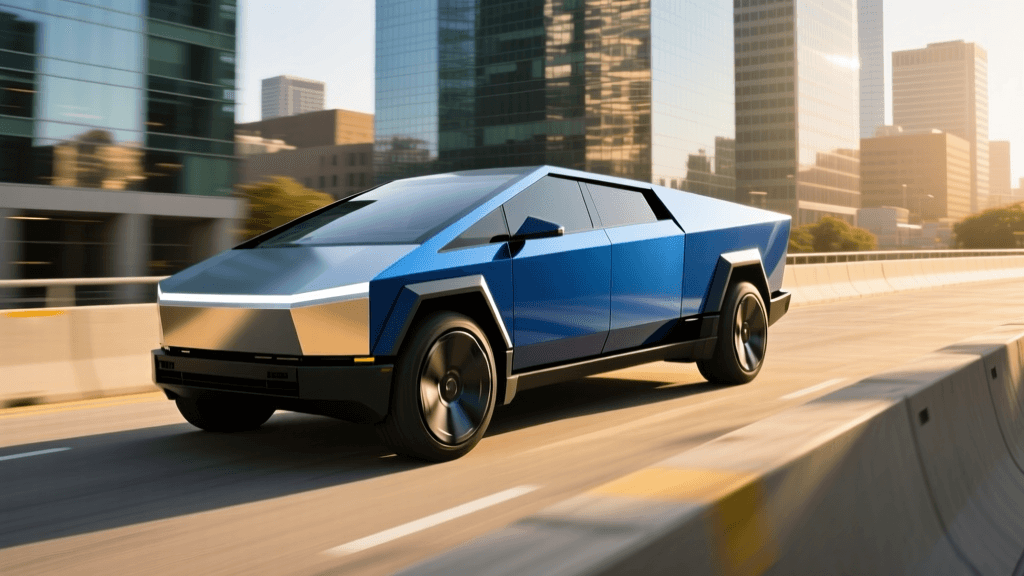
1. Tesla Cybertruck (Cyberbeast)
The Cybertruck leads the pack in payload capacity, largely due to its stainless steel exoskeleton and advanced structural battery pack. With a 2,500-pound payload and 11,000-pound towing capacity, it is a powerhouse. Common Problem: The 6-foot bed limits the physical footprint of the cargo you can haul, and the lack of a traditional rear window makes checking trailer clearance difficult. Solution: Utilize the truck's integrated bed camera system and invest in a high-quality wireless hitch camera to monitor your load and trailer clearance in real-time.
2. Rivian R1T
Rivian's R1T offers an impressive 11,000-pound towing capacity, but its payload is capped at 1,760 pounds due to the heavy, skateboard-mounted battery architecture. Common Problem: Suspension squat when towing near max capacity. Solution: Engage Rivian's dedicated 'Tow Mode,' which automatically adjusts the adaptive air suspension to level the vehicle and stiffens the damping to prevent the porpoising effect often felt when hauling heavy boat trailers.
3. Ford F-150 Lightning
As the most traditional-feeling truck on this list, the Lightning offers up to 10,000 pounds of towing and a robust 2,235 pounds of payload in the XLT trim. Common Problem: Severe range anxiety on long highway hauls. Solution: Rely on Ford's Intelligent Range software, which calculates battery drain by factoring in real-time weather, traffic, and the specific trailer profile you input into the SYNC 4A system.
4. Chevrolet Silverado EV
The Silverado EV RST boasts a 10,000-pound tow rating, but its payload is the lowest in this roundup at 1,300 pounds. Common Problem: Exceeding GVWR when combining a heavy tongue weight with passengers and gear. Solution: Strictly use a weight distribution hitch to shift tongue load back to the trailer axles, and avoid loading heavy tools into the front trunk (e-Frunk) when towing.
Troubleshooting Problem 1: Severe Range Loss While Towing
The most frequent complaint among new EV truck owners is the drastic reduction in range when towing. According to data from the fueleconomy.gov database, electric vehicles are incredibly efficient under normal conditions, but aerodynamic drag increases exponentially at highway speeds. When pulling a box trailer or a large boat, you can expect your truck's range to drop by 40% to 50%.
Actionable Fixes for Range Mitigation:
- Reduce Highway Speeds: Dropping your cruising speed from 70 mph to 60 mph can recover up to 15% of your lost towing range. The aerodynamic penalty above 65 mph is brutal for EV trucks.
- Optimize Regenerative Braking: When towing downhill, set your regenerative braking to 'High' or 'One-Pedal Drive' (if the manufacturer allows it while towing). This captures kinetic energy and saves your physical trailer brakes from overheating.
- Pre-Condition the Battery: While plugged in at home, precondition the battery and cabin. This ensures you start your trip with a 100% charge without using battery power to heat or cool the massive battery pack.
- Use Dedicated Route Planners: Do not rely solely on the truck's native navigation. Use third-party tools like A Better Routeplanner (ABRP), which allows you to input your exact trailer weight, frontal area, and drag coefficient to generate highly accurate charging stops.
Troubleshooting Problem 2: Payload Limitations and Suspension Sag
Electric truck batteries are incredibly heavy, often weighing between 1,500 and 2,000 pounds. This inherent weight eats directly into the truck's payload capacity. If your truck has a max payload of 1,760 lbs (like the Rivian R1T), and you have a 900-pound tongue weight from your camper, you only have 860 pounds left for passengers, gear, and the hitch itself.
Solving Payload and Suspension Issues:
- Calculate Exact Tongue Weight: The National Highway Traffic Safety Administration strongly recommends maintaining a trailer tongue weight that is 10% to 15% of the total trailer weight. Use a digital tongue weight scale (costing around $150) to verify this before every trip. An unbalanced trailer will cause severe EV range loss and dangerous sway.
- Invest in a Weight Distribution Hitch (WDH): Spending $800 to $1,200 on a high-quality WDH (such as an Andersen or Equal-i-zer hitch) is non-negotiable for EV trucks. A WDH leverages spring bars to distribute the tongue weight evenly across all axles of both the truck and the trailer, eliminating rear suspension sag and restoring front-wheel steering traction.
- Upgrade to Load Range E Tires: The heavy curb weight of an EV truck combined with a loaded trailer puts immense stress on stock tires. Upgrading to Load Range E (10-ply equivalent) all-terrain tires prevents sidewall flex, improves towing stability, and significantly reduces the risk of a blowout under heavy loads.
Troubleshooting Problem 3: Charging Logistics with a Trailer Attached
One of the most frustrating logistical problems of EV towing is the charging station infrastructure. Most DC fast chargers are designed for passenger cars to pull in, charge, and back out. Attempting to back a 25-foot trailer into a crowded Supercharger stall is dangerous and inconsiderate.
Mastering the EV Towing Charging Routine:
- Target Pull-Through Chargers: Plan your route around charging plazas that specifically offer pull-through stalls. Electrify America and newer Tesla Supercharger locations (often found at travel centers like Buc-ee's or Love's) are increasingly building pull-through layouts designed for trucks with trailers.
- The Unhitch Strategy: If pull-through chargers are unavailable on your route, plan your stops at destinations where you can unhitch the trailer in a parking lot, drive the truck to the charger, and reconnect. While this adds 15 minutes to your stop, it is vastly superior to blocking multiple charging stalls and angering other EV drivers.
- Leverage Mobile Connectors: For overnight stops at campgrounds or hotels, carry a high-amperage mobile connector and a suite of NEMA adapters (like the 14-50 or 14-30). Plugging into a campground's 50-amp RV pedestal can yield up to 11.5 kW of charging, replenishing up to 200 miles of range overnight without ever needing to visit a public fast charger.
Troubleshooting Problem 4: Regenerative Braking and Trailer Sway
While regenerative braking is a massive benefit for daily driving, it can become a hazard when towing. If your EV truck aggressively slows down via regen while the trailer is still pushing forward, it can induce trailer sway or cause the trailer to override the truck's rear bumper.
Calibrating Your Braking System:
- Use the Integrated Trailer Brake Controller: Never tow a trailer with electric brakes without using the truck's built-in brake controller. Calibrate the gain setting on a flat, empty road. The goal is to set the gain high enough so the trailer brakes engage slightly before the truck's friction brakes, keeping the rig pulled taut and stable.
- Dial Back Regen Settings: When towing on slippery surfaces or in heavy, stop-and-go traffic, manually reduce your regenerative braking setting to 'Low' or 'Tow Mode.' This allows the truck to coast more naturally, requiring you to use the friction brake pedal, which applies the trailer brakes simultaneously and maintains rigidity.
- Monitor Battery Temperature: As noted by the Alternative Fuels Data Center, heavy loads and aggressive regenerative braking generate significant heat in the battery pack. If you are descending a long mountain grade, monitor your battery temperature gauge and take a break if the system begins to throttle regen to protect the cells.
Final Verdict: Which EV Truck Solves Your Work Needs?
Choosing the best electric truck for towing and payload requires looking beyond the brochure's maximum numbers. If your primary troubleshooting concern is maximizing payload for heavy bed cargo, the Tesla Cybertruck or Ford F-150 Lightning are your best solutions. If you are towing heavy, aerodynamic campers and need advanced air suspension to solve squat issues, the Rivian R1T is unmatched. For those prioritizing long-haul comfort and hands-free highway towing, the Chevrolet Silverado EV offers the best software integration.
Ultimately, successful EV towing is about preparation. By investing in a weight distribution hitch, strictly monitoring your tongue weight, lowering your highway speeds, and planning your charging stops around pull-through infrastructure, you can transform these electric trucks from science experiments into highly capable, reliable workhorses.